5
Muscles
4
Joints
3
Organs
3
Mental
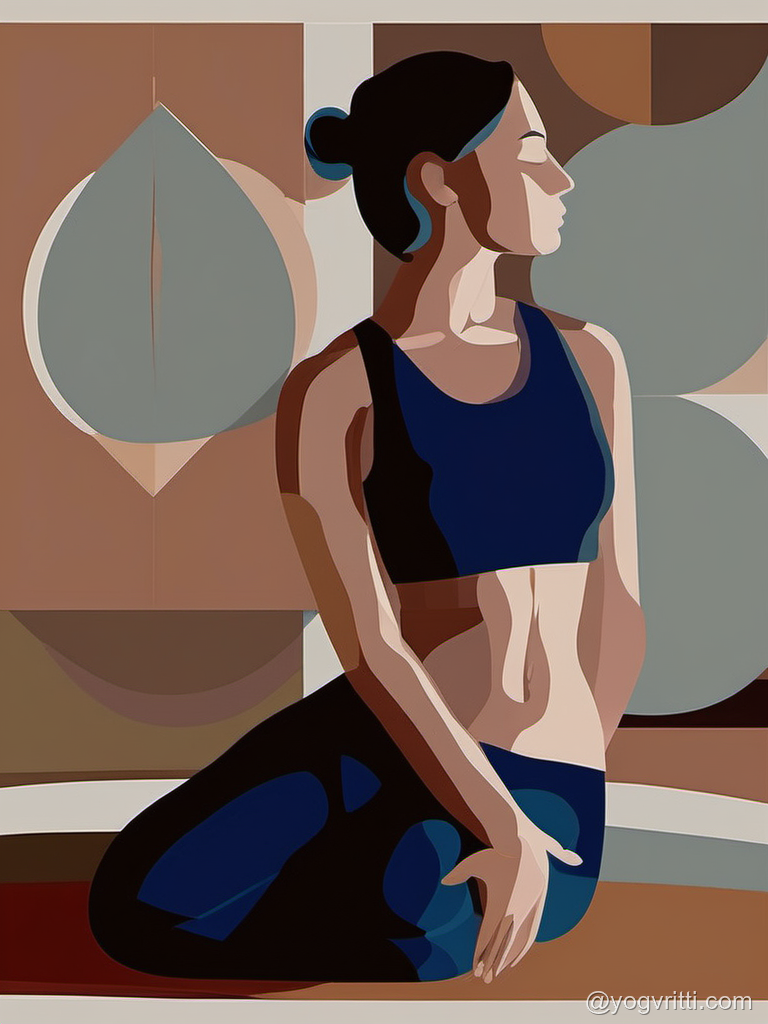
Bharadvajasana I (seated)
भरद्वाजासन I (बैठे)
Bharadvajasana I is a profoundly intelligent seated twist that gently mobilizes the entire spinal column, from the base of the skull down to the sacrum, while simultaneously refreshing the abdominal organs. This pose cultivates core awareness by engaging the deep spinal stabilizers and oblique muscles, which in turn supports a more erect and balanced posture. Energetically, it's a grounding and releasing pose, helping to unwind physical and mental tension stored in the torso and hips, making space for a freer flow of prana. For any teacher or student, it's an invaluable tool for enhancing spinal health, improving digestion, and fostering a quiet, attentive mind, laying a strong foundation for both deeper yoga practice and daily well-being.
Bharadvaja's Twist I, also called Bharadvajasana I is a classical yoga posture. Its Sanskrit name Bharadvajasana I (seated) translates word-for-word as: Bharadvaja (Sage Bharadvaja) · Asana (Seated Pose). Seated on the mat, the practitioner rotates the spine, creating space between each vertebra. The posture works to engage the core, strengthen and extend the back and open and strengthen the shoulders. Massages the abdominal organs and aids digestion. Opens the chest and shoulders. It is particularly valued for improving overall posture and developing greater flexibility. Suitable for beginners and regular practitioners alike, it is an excellent warm-up, particularly beneficial for beginners and seniors. A blanket and wall can be used to make the posture more accessible and support correct alignment. Practitioners with spinal injury and abdominal surgery should approach with care or consult a qualified teacher.
Helps with
Muscles Worked
Spinal Extensors
Erector Spinae
These long muscles running alongside your spine are gently lengthened and mobilized in Bharadvajasana I, allowing for a more upright posture and even rotation.
As you lengthen upwards through the crown of your head before twisting, you create space between the vertebrae, which in yogic terms allows for a freer flow of ascending prana (Prana Vayu).
This action helps to decompress the spinal discs and improve overall spinal flexibility, reducing stiffness in the back.
Obliques
External and Internal Obliques
These side abdominal muscles are key drivers of the twist; one side actively contracts to rotate the torso while the opposite side lengthens with awareness.
This creates a gentle 'wringing' action on the abdominal contents, stimulating circulation and aiding digestion.
The engagement helps to tone the side body, enhancing core stability and bringing a sense of integration to the torso.
Psoas Major
Psoas Major
This deep hip flexor and core stabilizer, often tight from prolonged sitting, gets a subtle but profound release in this pose, especially on the side of the internally rotated hip.
By allowing the psoas to soften, tension in the lower back is often alleviated, creating more freedom in the hip joints and sacrum.
This release is vital for grounding and for allowing apana vayu (downward energy) to flow more freely, contributing to a sense of calm and stability.
Deep Hip Rotators
Piriformis, Gemelli, Obturators, Quadratus Femoris
On the side where the legs are folded, these muscles, particularly the piriformis, experience a gentle lengthening and release, especially if there's tightness in the outer hip.
This careful unwinding can alleviate pressure on the sciatic nerve and improve overall hip mobility.
From a yogic perspective, releasing the deep hip muscles helps to unlock old emotional patterns and allows for a greater sense of openness and ease in the pelvic region.
Rhomboids and Trapezius
Rhomboids and Trapezius
As you lengthen the spine and open the chest in the twist, these upper back muscles work to draw the shoulder blades down and back, preventing hunching and facilitating a broader collarbone area.
This action helps to create space across the upper chest, allowing for fuller respiration and an experience of openness and courage.
Activating these muscles supports a more integrated upper body, preventing strain in the neck and shoulders during the twist.
Joints Mobilized
Spine
mobilizingThe entire spine is gently mobilized in a rotational manner, from the cervical (neck) to the lumbar (lower back) regions, with an emphasis on creating length before rotation.
This careful twisting helps to lubricate the intervertebral discs and improve the range of motion in each segment.
The practitioner gains increased spinal flexibility and a greater sense of lightness and freedom in movement.
Sacroiliac (SI) Joints
stabilizingThe grounding of the sitting bones on the blanket helps to stabilize the pelvis, providing a firm foundation from which the spine can safely twist.
This stability prevents excessive torsion in the sensitive SI joints, encouraging healthy alignment.
Over time, this mindful grounding can alleviate discomfort in the lower back and pelvis, fostering a sense of rootedness and support.
Hip Joints
rotatingOne hip is in external rotation (the top leg), and the other in internal rotation (the bottom leg), creating an asymmetric opening that mobilizes both joints.
This gentle rotation helps to release tension in the hip capsules and surrounding musculature, improving overall hip flexibility and circulation.
Regular practice contributes to greater ease in walking, sitting, and other daily movements, and can release stored tension in the pelvic bowl.
Shoulder Girdle
mobilizingAs the torso twists and the chest opens, the shoulder blades move down and back, creating space in the shoulder joints and across the collarbones.
This action helps to decompress the shoulders and neck, improving posture and reducing stiffness.
The practitioner experiences a broadening of the chest and a greater capacity for full, expansive breathing, connecting to a sense of openness and ease.
Organ & System Benefits
Digestive Organs
The gentle 'wringing' action of the twist on the abdominal cavity provides a subtle massage to these vital organs, including the stomach, intestines, liver, and spleen.
This compression and release enhances blood flow, encouraging more efficient digestion and elimination.
From a yogic perspective, this internal cleansing helps to remove ama (toxins) and revitalizes the digestive fire (agni), leading to better nutrient absorption and overall vitality.
Kidneys
Positioned in the posterior abdomen, the kidneys receive a gentle compression and release during the twist, which can stimulate blood flow and support their natural detoxification functions.
This subtle internal massage is believed to enhance their filtering capacity, contributing to fluid balance and waste removal.
The practitioner may feel a sense of internal rejuvenation and lightness after regular practice.
Lungs
By creating space in the chest and broadening the collarbones, Bharadvajasana I naturally encourages deeper and fuller breathing, particularly into the side and back body.
This expansion helps to increase lung capacity and oxygen uptake, vital for overall health and energy.
The increased space allows for a more expansive flow of prana, enhancing vitality and calming the nervous system.
Nervous System
The slow, deliberate movement into and out of Bharadvajasana I, coupled with mindful breathing, signals safety to the nervous system, initiating a shift from sympathetic (fight-or-flight) to parasympathetic (rest-and-digest) dominance.
This transition helps to calm the mind and body, reducing feelings of anxiety and promoting a state of inner quiet.
The practitioner often feels a profound sense of groundedness and peace, allowing the body's natural healing processes to engage.
The gentle twist and spinal lengthening directly influence the vagus nerve, which runs through the torso and is a key component of the parasympathetic nervous system.
By stimulating the vagal tone, the pose enhances the body's ability to self-regulate and respond to stress more effectively.
This deep internal massage of the nerve pathways helps to quiet the fluctuations of the mind (chitta vritti), fostering a more stable and present awareness.
Mental & Emotional
Bharadvajasana I cultivates a profound sense of introspective awareness, drawing the senses inward (pratyahara) as the practitioner focuses on the subtle sensations of the twist and the breath.
This inward turning helps to quiet the external chatter of the mind, fostering mental clarity and presence.
The steady, controlled nature of the pose encourages patience and a deeper connection to one's inner landscape.
The act of twisting the torso while maintaining a grounded base requires sustained concentration (dharana) and a balance between effort and surrender.
This mental engagement strengthens the ability to focus and to remain present in the moment, rather than being carried away by thoughts.
Regular practice builds mental resilience and a clearer perspective, helping students to approach life's challenges with greater equanimity.
By releasing physical tension in the back and hips, Bharadvajasana I also helps to release stored emotional stress and mental rigidity.
The opening of the chest and the lengthening of the spine can foster a feeling of openness and a willingness to let go of old patterns of thought.
This psychological shift can lead to a greater sense of freedom and emotional release, creating space for new perspectives and inner peace.
Because of Its Shape
twist
Twisting postures, like Bharadvajasana I, are unique in their ability to mobilize the entire vertebral column, encouraging rotational movement through each spinal segment.
This action helps to maintain spinal health, flexibility, and proper alignment, counteracting the effects of sedentary lifestyles.
Energetically, twists are considered purifying, wringing out stagnation and making space for fresh prana to circulate throughout the body, revitalizing the nervous system and organs.
Fascial Lines
The intricate web of connective tissue (fascia) that envelops muscles, bones, and organs is profoundly affected in Bharadvajasana I, particularly the thoracolumbar fascia and the spiral line of fascia.
As you lengthen the spine and gently twist, this pose encourages a release of tension and stiffness within these fascial networks, improving overall tissue hydration and elasticity.
This unwinding helps to free up restricted movement patterns, allowing for a more uninhibited flow of energy (prana) throughout the body and a greater sense of bodily integration.
Breathing & Respiratory
Bharadvajasana I naturally encourages a deeper and more expansive breath, as the act of twisting gently compresses one side of the torso while expanding the other, creating new space for the lungs.
This subtle internal massage of the rib cage and diaphragm helps to release habitual shallow breathing patterns, inviting fuller inhalations and longer, more complete exhalations.
Practicing Ujjayi breath in this pose enhances the internal experience, using the breath as a tool to deepen the twist, calm the mind, and distribute prana more effectively throughout the body.
Anatomical Caution
Teachers should always guide students to approach Bharadvajasana I with sensitivity, especially if they have any history of lower back pain, disc issues, or sacroiliac joint instability.
Emphasize creating length in the spine before initiating the twist, and remind students to twist from the upper back rather than forcing the lower back.
Those with knee injuries should modify the leg position or use additional padding to ensure comfort and prevent strain.
Listen intently to your body, never pushing beyond a comfortable range of motion.