5
Muscles
4
Joints
2
Organs
2
Mental
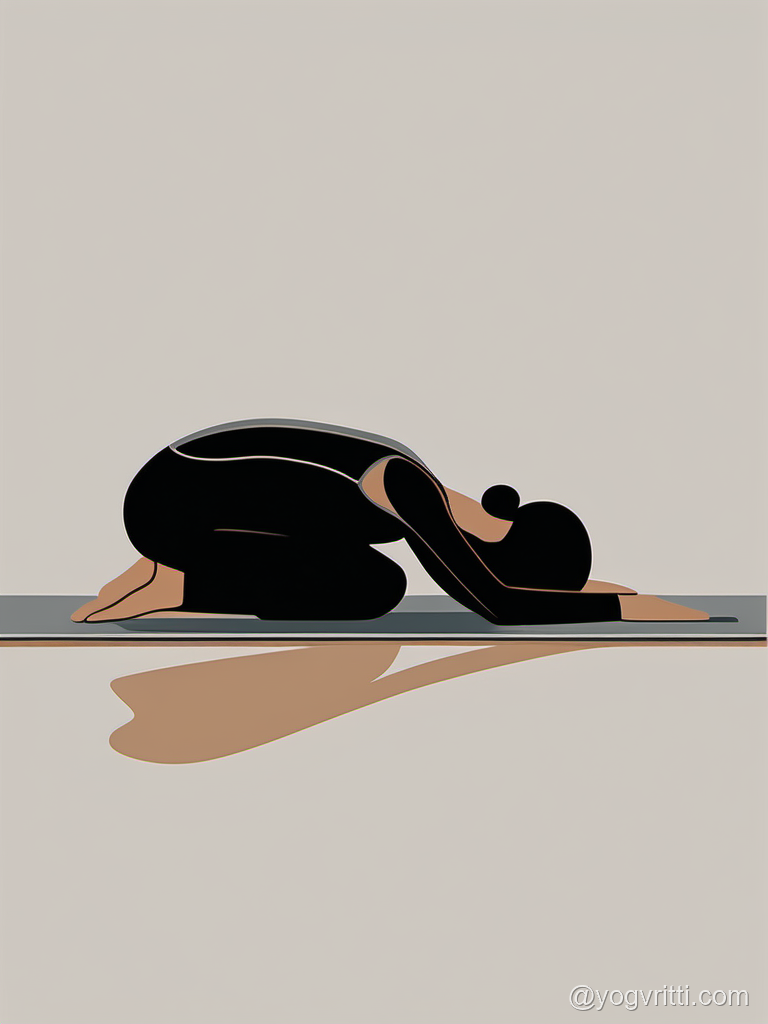
Child's Pose
बालासन
Child's Pose, or Balasana, is a profound forward bend that offers deep physical and mental restoration. It gently lengthens the entire posterior chain, from the neck through the spine, hips, and thighs, while encouraging a release of tension in the shoulders and lower back. This grounding shape compresses the abdominal organs, promoting introspection and calming the nervous system, thus inviting a profound sense of surrender and security. For any practitioner, it is a sanctuary, a moment to withdraw the senses and connect deeply with the inner self, cultivating a sense of inner peace and stability.
Child's Pose, also called Balasana is a classical yoga posture in the Iyengar tradition. Beginning from a kneeling position, the practitioner aligns the body with precision and intentional breath. The posture works to strengthen and extend the back, open and strengthen the shoulders and release tension in the hips. Gently stretches the lower back, hips, thighs, and ankles. Reduces fatigue. Suitable for beginners and regular practitioners alike, it is a calming cool-down, particularly beneficial for seniors and prenatal. A blanket and bolster can be used to make the posture more accessible and support correct alignment. Practitioners with pregnancy and digestive problems should approach with care or consult a qualified teacher.
Muscles Worked
Erector Spinae
[Erector Spinae Group]
These long muscles run along both sides of your spine, from the sacrum to the base of your skull, responsible for keeping your back upright.
In Balasana, with the spine in flexion, they receive a gentle, sustained stretch, allowing them to release chronic tension often accumulated from prolonged sitting or standing.
This release helps decompress the vertebral discs and eases the flow of prana along the sushumna nadi, promoting fluidity and lightness in the entire back body.
Gluteus Maximus
[Gluteus Maximus]
These are the large muscles forming your buttocks, primarily extending and externally rotating the hip.
In this deep hip flexion, with the hips drawing towards the heels, the gluteus maximus is lengthened, releasing tightness that can contribute to lower back issues and restricted hip mobility.
This unwinding of the hip musculature helps to release stored emotional tension, creating a sense of openness and ease in the pelvic region, which is vital for grounding.
Adductors (Inner Thighs)
[Adductor Magnus, Longus, Brevis, Pectineus, Gracilis]
Located on the inside of your thighs, these muscles draw your legs towards the midline.
In Balasana, especially with knees wide, they experience a gentle, sustained stretch, improving hip mobility and releasing tightness that can restrict the pelvis.
This subtle opening of the inner groin area helps to release stagnation in the root chakra (Muladhara), fostering a feeling of stability and connection to the earth.
Quadriceps
[Rectus Femoris, Vastus Lateralis, Vastus Medialis, Vastus Intermedius]
These are the large muscles on the front of your thighs, primarily responsible for straightening the knee.
As the knees are deeply flexed in Balasana, the quadriceps are gently lengthened across the knee joint.
This passive stretch helps to release tension in the anterior thigh, which can often feel tight from activities like running or cycling, allowing for a deeper surrender into the pose and promoting a sense of release in the entire lower limb.
Deltoids / Trapezius
[Deltoid, Trapezius]
The deltoids form the rounded contour of your shoulder, while the trapezius extends across your upper back and neck.
When the arms are extended forward in Balasana, these muscles receive a gentle traction and lengthening, helping to release tension often held from stress or poor posture.
This subtle opening across the shoulder girdle not only improves upper body flexibility but also encourages the release of constricted prana, bringing a feeling of lightness and openness to the chest and upper back.
Joints Mobilized
Knee Joint
mobilizingThis complex joint connects your thigh bone (femur) to your shin bone (tibia) and includes the kneecap (patella).
In Balasana, the knee joint is in deep flexion, gently mobilizing the articular surfaces and encouraging the flow of synovial fluid.
This passive flexion, when practiced mindfully, helps maintain the range of motion in the knee, and for the practitioner, it cultivates a feeling of surrender and acceptance in the lower body, releasing stiffness and promoting suppleness.
Hip Joint
mobilizingThis ball-and-socket joint connects your thigh bone (femur) to your pelvis.
In Balasana, the hip joint is in deep flexion and varying degrees of adduction/abduction depending on knee position, gently mobilizing the joint capsule and surrounding ligaments.
This sustained flexion helps to release tension in the hip flexors and rotators, improving overall hip mobility and creating a sense of spaciousness in the pelvic bowl.
Energetically, this release at the hips can help unlock emotional blockages, fostering a deeper sense of grounding and emotional stability.
Spinal Column
decompressingYour spine, a series of 33 vertebrae, provides support and allows for movement.
In Balasana, the entire spinal column moves into a gentle, passive flexion, creating space between the vertebrae and decompressing the intervertebral discs.
This gentle traction and release relieve compression often experienced in the lower back, fostering a sense of length and ease along the central axis of the body.
From a yogic perspective, this alignment encourages the free flow of prana along the sushumna nadi, promoting vitality and balance.
Ankle Joint
mobilizingThis hinge joint connects your shin bones (tibia and fibula) to your ankle bone (talus).
In Balasana, the ankle joint is in plantarflexion (foot pointed), providing a gentle stretch to the front of the ankle and the top of the foot.
This subtle mobilization helps to maintain flexibility in the ankle, which is crucial for various weight-bearing activities.
For the practitioner, this gentle stretch in the ankles can relieve stiffness, fostering a sense of lightness and freedom in the feet and lower legs.
Organ & System Benefits
Abdominal Organs (Digestive System)
Your stomach, intestines, and other digestive organs reside in the abdominal cavity.
In Balasana, the torso rests on the thighs, creating a gentle, internal compression of these organs.
This mild compression can stimulate peristalsis and improve circulation to the digestive system, aiding in detoxification and promoting healthy digestion.
From a yogic perspective, this gentle pressure helps to stoke Agni (digestive fire), supporting the efficient assimilation of nutrients and the elimination of waste, both physically and energetically.
Respiratory System (Diaphragm & Lungs)
The diaphragm is your primary breathing muscle, and your lungs are housed in the rib cage.
In this forward bend, the compression of the abdomen against the thighs encourages diaphragmatic breathing, directing the breath more deeply into the posterior and lateral aspects of the lungs.
This emphasis on the back body breath not only enhances lung capacity but also creates a soothing internal massage for the internal organs, calming the nervous system and deepening the connection to prana.
Nervous System
As you fold forward and rest your forehead on the earth or a prop, a profound sense of calm washes over the nervous system.
The gentle pressure on the forehead stimulates the vagus nerve, which in turn activates the parasympathetic nervous system, the body's 'rest and digest' mode.
This shift effectively quiets the incessant chatter of the mind (chitta vritti), offering immediate relief from stress and anxiety, and inviting a deep sense of peace.
The inward focus and the softened gaze, combined with the rhythmic, gentle pressure of the breath against the abdominal organs, further reinforce this calming effect.
This sustained activation of the parasympathetic nervous system helps to lower heart rate and blood pressure, promoting physiological relaxation throughout the entire body.
The practitioner experiences a profound release of accumulated tension, allowing for a deeper connection to their inner stillness and a restoration of vital energy.
Mental & Emotional
Child's Pose is a powerful practice for cultivating introspection and self-awareness, offering a refuge from external distractions.
The inward gaze and the gentle compression of the front body encourage a turning inward (pratyahara), allowing the mind to withdraw from sensory input and focus on the breath and internal sensations.
This mental quietude is essential for developing a deeper understanding of one's inner landscape and fostering emotional resilience.
In this shape of surrender, the mind naturally begins to release its grip on worries and future-oriented thoughts, promoting a sense of acceptance and presence.
By consciously letting go of control and allowing the body to be fully supported, practitioners can experience a release of mental tension and a renewed sense of clarity.
This mental detoxification helps to quiet the fluctuations of the mind, paving the way for deeper meditation and a more grounded perspective on life's challenges.
Because of Its Shape
forward bend
Forward bends, like Balasana, involve folding the torso over the lower body, bringing the head below or level with the heart.
This action gently lengthens the entire posterior chain of the body, from the hamstrings and glutes through the entire length of the spine.
Anatomically, this creates space between the vertebrae and releases tension in the back muscles, promoting spinal decompression and flexibility.
Energetically, forward bends are profoundly grounding and introspective, drawing the senses inward and calming the nervous system.
This shape cultivates a sense of surrender, humility, and security, allowing practitioners to release external pressures and connect with their inner sanctuary.
It channels apana vayu downwards, fostering stability and a feeling of being deeply rooted.
Fascial Lines
Fascia is the intricate, interconnected web of connective tissue that envelops every muscle, organ, and bone, providing structural support and facilitating movement.
In Balasana, the entire posterior fascial line, running from the soles of the feet up the back of the legs, pelvis, and spine to the skull, receives a gentle, sustained stretch.
This passive lengthening helps to release fascial restrictions, improving fluidity and reducing stiffness throughout the body.
The gentle compression of the abdomen also influences the deep fascial layers surrounding the internal organs, encouraging their subtle movement and promoting internal circulation.
By consciously breathing into the back body, practitioners can further encourage the release of held patterns within the fascial matrix, creating a sense of spaciousness and ease.
This unbinding of the fascia allows for a more harmonious flow of prana, enhancing overall vitality and freedom of movement.
Breathing & Respiratory
In Balasana, the forward fold and the gentle compression of the abdomen against the thighs naturally encourage a deeper, more expansive breath into the back and sides of the rib cage.
This unique positioning restricts the anterior expansion of the chest, prompting the diaphragm to work more effectively, expanding the lower lobes of the lungs.
The breath becomes longer, smoother, and more rhythmic, naturally slowing the heart rate and calming the mind.
This diaphragmatic breathing, often referred to as 'belly breathing' or 'yogic breath', is a powerful tool for regulating the nervous system.
It stimulates the vagus nerve, activating the parasympathetic response and inducing a state of deep relaxation.
This pose is an excellent preparation for pranayama practices that emphasize a longer exhalation, as the gentle compression helps to empty the lungs more completely, cultivating a profound sense of release and quietude.
Anatomical Caution
Teachers should advise students with knee injuries or severe ankle stiffness to place a rolled blanket behind the knees or under the ankles for support, or to modify by sitting on a block.
For pregnant students, spreading the knees wider and supporting the torso with a bolster allows for abdominal space and comfort.
Always prioritize comfort and ease, reminding students that this is a resting pose, not one to push through discomfort.