5
Muscles
3
Joints
3
Organs
2
Mental
Plow Pose
हलासन
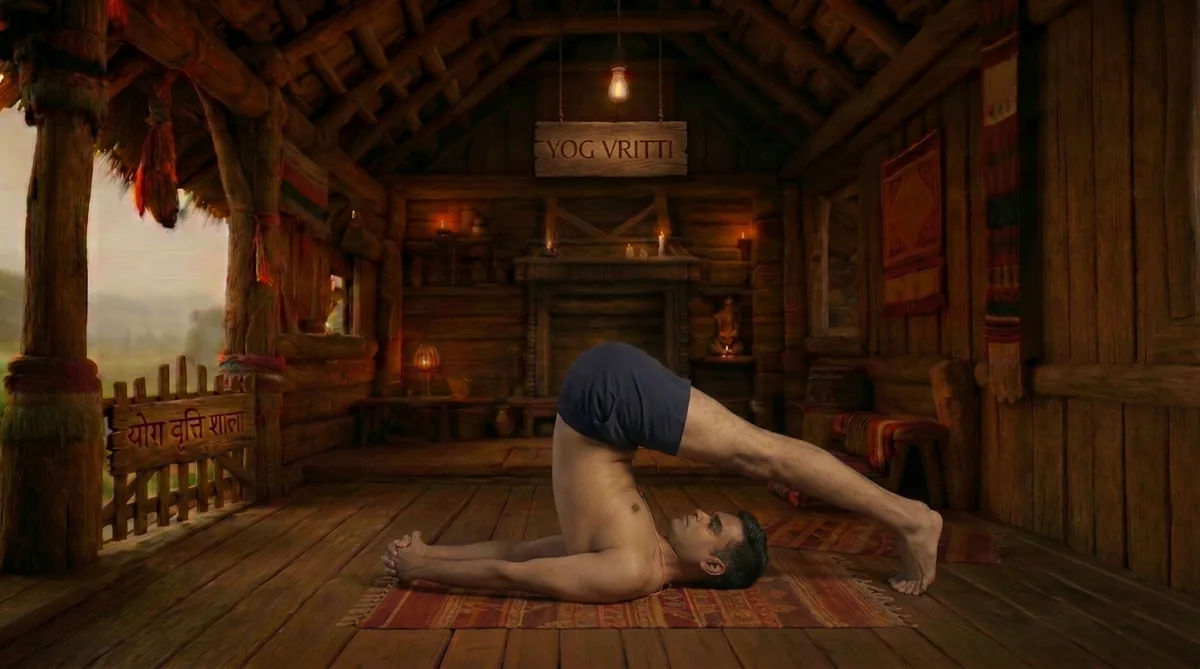
Halasana, or Plow Pose, is a profound inversion that brings the legs over the head, creating a deep forward bend of the spine and a significant stretch along the entire posterior chain of the body. This pose lengthens the muscles of the back, hamstrings, and neck, while gently compressing the abdominal organs and stimulating the endocrine glands in the neck. Energetically, it is deeply grounding and introspective, drawing the senses inward to calm the nervous system and quiet the incessant chatter of the mind. For both teachers and practitioners, Halasana offers a pathway to profound physical release, mental tranquility, and a renewed sense of internal balance, making it an invaluable tool in therapeutic yoga.
Plow Pose, also called Halasana is a classical yoga posture whose Sanskrit roots break down as: Hala (Plow) · Asana (Pose). In this posture, the body reverses the pull of gravity, bringing the hips or legs above the heart. The posture works to strengthen and extend the back, lengthen the hamstrings and open and strengthen the shoulders. Calms the brain and relieves stress. Stimulates abdominal organs. It is particularly valued for developing greater flexibility and quieting an anxious mind. Suitable for intermediate practitioners with foundational yoga experience, it is a calming cool-down, particularly beneficial for desk workers and teens. A blanket can be used to make the posture more accessible and support correct alignment. Practitioners with hypertension and neck pain should approach with care or consult a qualified teacher.
Helps with
Muscles Worked
Hamstrings
[Biceps femoris, Semitendinosus, Semimembranosus]
The long muscles running along the back of your thighs (hamstrings) get a deep, sustained release here — not a forced stretch but a patient unwinding.
As you hold the pose and breathe, the nervous system gradually allows these muscles to let go of years of tension stored from sitting and stress.
In yogic understanding, this releases apana vayu — the downward-moving energy — allowing a feeling of groundedness and ease in the lower body.
Regular practice progressively lengthens this posterior chain, directly reducing the pull on the lower back.
Erector Spinae
[Iliocostalis, Longissimus, Spinalis]
These powerful muscles run vertically along either side of your spine, responsible for keeping you upright.
In Halasana, the entire length of the back body, from the tailbone to the skull, experiences a profound lengthening as the spine flexes forward and inverts.
This gentle traction helps to decompress the vertebral discs, creating space and releasing chronic tension often held in the lower and mid-back.
Energetically, this unwinding allows prana to flow more freely along the sushumna nadi, promoting a sense of spinal lightness and vitality.
Trapezius
[Upper, Middle, Lower fibers]
The large, kite-shaped muscle covering your upper back and neck (trapezius) is simultaneously stretched and engaged for stability in Halasana.
Its upper fibers, often tight from stress and poor posture, receive a significant lengthening as the neck flexes and the shoulders press down.
Meanwhile, the middle and lower fibers engage subtly to stabilize the shoulder blades against the floor, creating a firm foundation for the pose.
This dual action releases tension around the neck and shoulders while cultivating a sense of grounded strength, allowing the yogi to surrender more deeply into the inversion.
Sternocleidomastoid
[SCM]
The prominent muscles on the front and sides of your neck (sternocleidomastoid) are gently but thoroughly lengthened as the chin draws towards the chest in Halasana.
This stretch helps to release habitual tension that can contribute to headaches and restricted neck movement, often exacerbated by looking down at screens.
From a yogic perspective, this action encourages a soft "jalandhara bandha" (chin lock), directing energy inward and upward, promoting a sense of calm and introspection.
Abdominal Muscles
[Rectus Abdominis, Obliques]
The muscles of your core (rectus abdominis and obliques) are gently compressed and engaged to stabilize the trunk in this inverted forward fold.
This internal massage stimulates the abdominal organs, promoting healthy digestion and elimination, while also requiring a subtle engagement to maintain the lift and support the spine.
Energetically, this compression helps to consolidate apana vayu, grounding the practitioner and creating a sense of inner containment and focus.
Joints Mobilized
Spine
mobilizingThe entire length of your spine, from the sacrum to the atlas, undergoes a deep, sustained flexion and gentle traction in Halasana.
The natural curves are elongated, creating space between the individual vertebrae (spinal discs) and releasing accumulated compression.
This mobilization improves spinal flexibility and nourishment, allowing for greater ease of movement in daily life and a more unobstructed flow of prana along the central axis of the body.
Regular practice helps maintain spinal health and youthfulness.
Shoulder Girdle
stabilizingIn Halasana, the shoulder blades (scapulae) and arm bones (humeri) press firmly into the earth, providing a stable foundation for the inverted body.
The shoulder girdle bears the majority of the body's weight, requiring engagement of the rotator cuff muscles and proper alignment to protect the neck.
This grounding action cultivates a sense of stability and support, allowing the practitioner to feel secure and release tension from the upper back and neck, rather than gripping.
Hip Joints
mobilizingThe hip joints, where your leg bones (femurs) meet your pelvis, are deeply flexed in Halasana as the legs move overhead.
This action provides a significant stretch to the posterior hip muscles (gluteals) and the deep hip rotators, often tight from prolonged sitting.
Mobilizing the hips in this way enhances their range of motion and releases energetic blockages in the pelvic region, fostering a sense of openness and freedom in the lower body.
Organ & System Benefits
Abdominal Organs (Digestive System)
In Halasana, the abdominal organs, including the stomach, intestines, and liver, receive a gentle but sustained compression against the diaphragm and spine.
This internal massage stimulates peristalsis, the muscular contractions that move food through the digestive tract, and encourages blood flow to the digestive system upon release.
From a yogic perspective, this compression helps to stoke agni, the digestive fire, promoting efficient digestion and elimination, and cleansing the internal channels.
Thyroid and Parathyroid Glands
Located in the front of the neck, the thyroid and parathyroid glands experience a gentle compression and stimulation as the chin draws firmly towards the chest.
This mild pressure is believed to improve circulation to these vital endocrine glands, which regulate metabolism, energy levels, and calcium balance.
While subtle, this stimulation is thought to support their healthy function, contributing to overall vitality and energetic equilibrium within the body.
Circulatory System
As an inversion, Halasana reverses the gravitational pull on the blood flow, allowing venous blood from the lower body and legs to return more easily to the heart.
This action can reduce swelling in the ankles and feet, and provide a fresh supply of oxygenated blood to the brain and upper body upon exiting the pose.
Energetically, inversions are believed to redirect prana, invigorating the upper chakras and promoting mental clarity and rejuvenation.
Nervous System
As the body folds deeply and inverts, the senses are naturally drawn inward, away from external distractions, leading to a profound sense of calm and quietude.
This sustained forward bend, combined with the gentle pressure on the neck and the steady, rhythmic breath, stimulates the parasympathetic nervous system, initiating the body's 'rest and digest' response.
This shift actively reduces the 'fight or flight' response, allowing the yogi to feel deeply relaxed, grounded, and less anxious, moving away from chitta vritti (fluctuations of the mind).
The inversion also brings a unique perspective to the brain, gently reversing the habitual flow of sensory input and promoting a state of introspection.
This altered state of awareness can soothe an overactive mind, making it easier to let go of mental tension and find stillness.
For those struggling with insomnia, the deep relaxation cultivated here helps to prepare the nervous system for restorative sleep, inviting a gentle surrender to the present moment.
Mental & Emotional
Halasana is a powerful practice for cultivating mental surrender and introspection, as the physical act of folding inward naturally draws the awareness away from external stimuli.
This deliberate turning inward, known as pratyahara in yoga philosophy, allows the mind to detach from sensory distractions and find a deeper sense of inner peace.
Students often report a feeling of profound tranquility and a release of mental burdens after practicing this pose.
The unique inverted perspective offered by Halasana can profoundly shift one's mental state, encouraging a different way of looking at challenges and ingrained thought patterns.
By literally turning the world upside down, the pose fosters a sense of detachment and objectivity, making it easier to observe thoughts without judgment.
This practice cultivates dharana, or focused concentration, as the mind becomes absorbed in the internal experience, leading to greater mental clarity and resilience.
Because of Its Shape
inversion
Inversions like Halasana defy gravity's usual pull, allowing venous blood from the lower extremities to drain effortlessly back towards the heart, reducing swelling and fatigue in the legs.
Anatomically, this eases the burden on the cardiovascular system and ensures a fresh supply of oxygenated blood to the brain upon release.
From a yogic perspective, inversions are considered vital for reversing the downward flow of apana vayu, redirecting prana upwards, and invigorating the higher energy centers, bringing renewed vitality and mental clarity.
The inverted position in Halasana creates a unique sense of grounding and introspection, as the head is closer to the earth and the body is deeply folded.
This physical orientation naturally draws the senses inward, fostering a state of pratyahara, where awareness shifts from external distractions to internal sensations.
This inward journey helps to quiet the mind's fluctuations (chitta vritti), cultivating a profound sense of calm and mental stillness, making it an excellent pose for preparing for meditation.
Fascial Lines
Fascia is the intricate, interconnected web of connective tissue that envelops every muscle, bone, organ, and nerve in your body, providing support and allowing for smooth movement.
In Halasana, the entire Superficial Back Line of fascia, which runs from the soles of your feet, up the back of your legs, spine, neck, and over the crown of your head, receives a sustained and comprehensive lengthening.
This release helps to unwind long-held tension patterns and restrictions within this fascial chain, improving overall flexibility and freeing up energy channels (nadis) throughout the posterior body.
Breathing & Respiratory
In Halasana, the deep abdominal compression and the elevation of the diaphragm naturally restrict the full capacity for abdominal breathing, encouraging a more refined and focused thoracic breath.
This shift invites a lengthening of the exhalation, as the pressure in the abdomen aids in expelling stale air from the lungs.
This emphasis on the outward breath calms the nervous system, making it an ideal pose to prepare for pranayama practices that emphasize retention or slow, deliberate exhalations, such as Nadi Shodhana, promoting deeper relaxation and internal awareness.
Anatomical Caution
When guiding students into Halasana, always prioritize the safety of the neck; ensure the weight rests firmly on the shoulders, not on the cervical spine.
Students with existing neck issues, high blood pressure, or glaucoma should approach this pose with extreme caution or use appropriate modifications, such as support under the shoulders or a gentler inversion.
Encourage students to listen to their bodies and never force the pose, fostering a mindful and injury-free practice.