4
Muscles
3
Joints
2
Organs
3
Mental
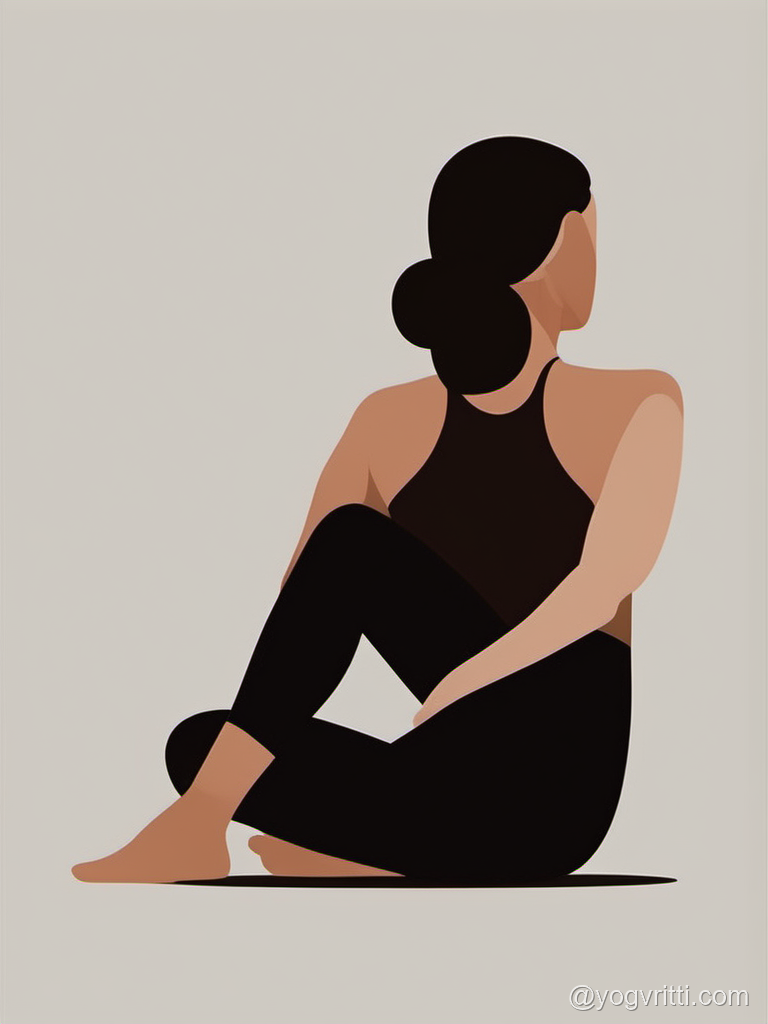
Half Lord of the Fishes Pose II
अर्ध मत्स्येन्द्रासन II
Ardha Matsyendrasana II is an advanced seated spinal twist that profoundly challenges and enhances the body's rotational capacity while deeply engaging the hips. It systematically wrings out the torso, stimulating internal organs and promoting detoxification, thereby refreshing the entire system from within. Energetically, it cultivates a sense of centeredness and internal spaciousness, allowing the practitioner to experience a deep release of physical and mental tension. Teachers will find it invaluable for developing advanced spinal mobility, improving posture, and fostering profound internal awareness in students. This pose encourages a deep dialogue between strength and surrender, promoting holistic well-being.
Half Lord of the Fishes Pose II, also called Advanced Matsyendrasana Variation is a classical yoga posture in the Iyengar tradition. In this posture, the body rotates the spine, creating space between each vertebra. The posture works to engage the obliques, stretch the hip flexors and activate the glutes. Massages abdominal organs, aiding digestion. Tones the core and obliques. It is particularly valued for easing sciatic discomfort and improving overall posture. Suitable for advanced practitioners with developed body awareness, it is a meaningful addition to any practice, particularly beneficial for athletes. A blanket can be used to make the posture more accessible and support correct alignment. Practitioners with spinal injury and hip injury should approach with care or consult a qualified teacher.
Helps with
Muscles Worked
Obliques (Internal and External)
[Obliquus internus abdominis, Obliquus externus abdominis]
These broad, sheet-like muscles run diagonally across your abdomen, forming a crucial part of your core.
In this deep twist, the obliques on the side you're twisting towards (e.g., the right obliques for a right twist) strongly contract to rotate the rib cage and spine, while the opposing obliques are lengthened.
This intelligent engagement cultivates functional core strength essential for spinal health and helps to release stagnant energy in the abdominal region, promoting a feeling of internal spaciousness.
Spine Erectors (Deep Back Muscles)
[Erector Spinae group: Spinalis, Longissimus, Iliocostalis]
These powerful muscles run vertically along either side of your spine from your pelvis to your skull, responsible for keeping your back upright.
In the twist, they work eccentrically to maintain length and lift in the spine while simultaneously allowing the rotation, preventing compression of the vertebral discs.
This intelligent engagement strengthens the deep postural muscles, improving spinal stability and creating space between the vertebrae, fostering a freer flow of prana up the central channel.
Gluteals (Buttock Muscles)
[Gluteus Maximus, Medius, Minimus]
The gluteal muscles form the bulk of your buttocks and are crucial for hip movement and stability.
In Ardha Matsyendrasana II, the gluteals of the leg that is bent with the foot on the floor are deeply stretched as the hip goes into internal rotation and adduction, while the gluteals of the half-lotus leg are engaged to stabilize the hip in external rotation.
This dual action releases deep-seated tension in the hips, which often holds emotional stress, allowing for a sense of release and grounding in the lower body.
Freeing the glutes can significantly alleviate lower back discomfort and improve overall pelvic alignment.
Hip Flexors (Front Hip Muscles)
[Iliopsoas, Rectus Femoris]
The hip flexors are deep muscles at the front of your hip and thigh, connecting your spine to your legs.
In this pose, the hip flexors of the leg that is bent and crossing over are lengthened as the leg is drawn close to the torso in deep flexion, while the psoas on the twisting side is gently stretched.
This combination helps to release chronic tightness often caused by prolonged sitting, improving pelvic mobility and freeing the lower back.
Yogically, a released psoas allows for a greater sense of ease and fluidity in the core, facilitating the upward flow of energy.
Joints Mobilized
Spine (Vertebral Joints)
mobilizingThe small joints between each vertebra in your spinal column (facet joints) are the primary sites of movement for your spine.
This deep twist systematically mobilizes these joints, increasing their range of motion and improving the synovial fluid circulation that nourishes the discs, promoting spinal hydration.
Practitioners experience a significant increase in spinal flexibility and a reduction in stiffness, which translates into greater ease in everyday movements and a feeling of lightness in the torso.
Regular practice helps maintain the health and youthfulness of the entire spinal column, supporting its intricate energetic pathways.
Hips (Acetabulofemoral Joint)
mobilizingYour hip joints are ball-and-socket joints, allowing a wide range of motion, but they are often tight due to sedentary lifestyles.
In this pose, one hip is deeply externally rotated (like in half-lotus), while the other is in significant internal rotation and flexion, creating a complex and profound mobilization of the joint capsule.
This action helps to free up stiffness in the hip and surrounding tissues, improving overall hip mobility and stability.
The release of tension in the hips can lead to a sense of emotional liberation and greater freedom in the lower body, fostering a feeling of groundedness.
Shoulders (Glenohumeral Joint)
mobilizingThe shoulder joints, where your arm bone meets your shoulder blade, are involved as the arms help deepen the twist or bind.
One arm typically wraps around the bent knee, while the other reaches back, often binding with the opposite hand or resting on the floor.
This action mobilizes the shoulder blades and the shoulder joint itself, improving range of motion and releasing tension in the upper back and neck.
This opening in the upper body facilitates a more open heart center, allowing for a greater sense of expansiveness and ease in the chest and breath.
Organ & System Benefits
Digestive Organs (Stomach, Liver, Spleen, Intestines)
The deep compression and release characteristic of this twist act like a gentle internal massage for your abdominal organs.
As you twist, blood flow is momentarily restricted to one side, then surges back with fresh, oxygenated blood upon release.
This 'wring and refresh' action stimulates peristalsis and improves the efficiency of digestion, aiding in the elimination of toxins and promoting gut health.
Yogically, this process is seen as cleansing the Manipura Chakra, fostering stronger digestive fire (Agni) and enhancing vitality throughout the system.
Kidneys and Adrenal Glands
Situated in the lower back, the kidneys and the small adrenal glands atop them also receive a gentle, stimulating squeeze during the twist.
This compression and subsequent release enhance circulation to these vital organs, supporting their function in filtering blood and regulating stress hormones.
By subtly stimulating the adrenal glands, the pose can help to balance the body's stress response, leading to a calmer nervous system and a greater sense of inner equilibrium and resilience.
Nervous System
The deep compression and release in the abdomen, combined with the stable seated posture, significantly influence the autonomic nervous system.
This sustained twisting action, especially when coupled with conscious breathing, stimulates the vagus nerve, initiating a powerful shift towards the parasympathetic 'rest and digest' state.
Practitioners often report feeling a profound sense of calm and mental clarity after the pose, as the body moves away from sympathetic 'fight or flight' activation, fostering a deep internal quietude.
The intricate engagement of the spinal muscles and the lengthening effect on the spine itself also contribute to nervous system regulation.
By creating space between the vertebrae and improving spinal alignment, potential nerve impingements are alleviated, allowing for clearer nerve signal transmission.
This physical release translates into a reduction in nervous tension and an increased awareness of the subtle energetic currents (prana) flowing through the central nervous system, enhancing overall vitality.
The sustained nature of this advanced twist requires a focused, steady breath and a quiet mind, cultivating a state of deep introspection (Pratyahara).
As the body navigates the complexity of the pose, the mind becomes absorbed in the present moment, drawing attention away from external distractions and internal chatter (Chitta Vritti Nirodha).
This mindful engagement helps to re-pattern the nervous system towards greater resilience and a more peaceful, grounded baseline state, fostering inner peace.
Mental & Emotional
Ardha Matsyendrasana II demands intense focus and mental presence, drawing the practitioner deeply inward.
The physical challenge of the twist, combined with the need for precise alignment and breath awareness, naturally quiets the external chatter of the mind (Pratyahara).
This sustained concentration cultivates mental discipline and a heightened state of awareness, allowing for a clearer perception of one's internal landscape and fostering a sense of inner peace.
The act of twisting the spine, especially to this degree, can be metaphorically understood as wringing out mental and emotional stagnation.
As the body releases physical tension held in the core and spine, there's often a corresponding release of pent-up emotions or limiting thought patterns.
This process fosters a sense of mental purification and a renewed perspective, much like clearing a cluttered space to invite fresh energy and clarity.
Mastering an advanced pose like this builds immense mental resilience and self-confidence.
The journey through its complexities teaches patience, perseverance, and the ability to remain calm and steady in challenging situations.
This mental fortitude extends beyond the mat, empowering students to approach life's difficulties with greater equanimity and a deeper trust in their own inner strength and wisdom, cultivating courage and determination.
Because of Its Shape
twist
Twists are unique in their ability to rotate the spine along its axis, rather than just bending it forward or backward.
This rotational movement deeply mobilizes the vertebral joints and massages the surrounding muscles and connective tissues, increasing spinal flexibility and range of motion.
Energetically, twists are believed to stimulate the spiral energy pathways in the body, promoting a balanced flow of prana and releasing blockages along the Sushumna Nadi, the central energy channel.
The 'wring and refresh' action of spinal twists profoundly impacts the abdominal and pelvic organs.
By compressing and then releasing these areas, twists enhance circulation, stimulate detoxification processes, and improve the function of the digestive and excretory systems.
This internal cleansing fosters a sense of lightness and vitality, supporting overall health and well-being from the inside out, aligning with the yogic principle of Saucha (purity).
Twists also have a powerful effect on the nervous system, often creating a calming and grounding experience.
The sustained pressure on the abdomen can stimulate the vagus nerve, activating the parasympathetic nervous system and reducing stress and anxiety.
This mental quietude allows for greater introspection and a deeper connection to one's inner wisdom, fostering mental clarity and emotional balance, bringing the mind to a state of Dharana (concentration).
Fascial Lines
The intricate web of connective tissue (fascia) that envelops every muscle, organ, and nerve in your body gets a profound, three-dimensional release in Ardha Matsyendrasana II.
Specifically, the spiral lines of fascia, which wrap around the trunk and connect the opposite shoulder to the opposite hip, are deeply engaged and lengthened, creating tensile stress along these myofascial meridians.
This comprehensive unwinding helps to release chronic tension patterns that can restrict movement and hold emotional stress, allowing for greater fluidity and ease in the body.
By releasing these fascial restrictions, we open up energetic pathways, facilitating a freer flow of prana and a deeper sense of internal space and liberation.
Breathing & Respiratory
In this deep, seated twist, the breath becomes a crucial tool for deepening the pose and experiencing its full benefits.
The compression on one side of the torso naturally restricts the movement of the rib cage, encouraging the breath to become more subtle and primarily diaphragmatic.
This controlled, deep abdominal breathing massages the internal organs further and helps to calm the nervous system.
Integrating Ujjayi breath (victorious breath) with its gentle constriction in the throat, enhances this internal massage and cultivates a profound sense of inner focus and meditative awareness, guiding the practitioner deeper into their experience.
Anatomical Caution
Teachers must exercise extreme caution with students presenting with severe disc issues, recent abdominal surgery, or sacroiliac joint instability.
Always ensure the spine is lengthened before initiating the twist, never force the rotation, and prioritize stability in the hips and base of the spine.
Listen intently to any student complaints of sharp pain, particularly in the lower back or knees, and offer modifications or alternative poses if needed to ensure safety and therapeutic benefit.