4
Muscles
3
Joints
2
Organs
2
Mental
Kandasana
कन्दासन
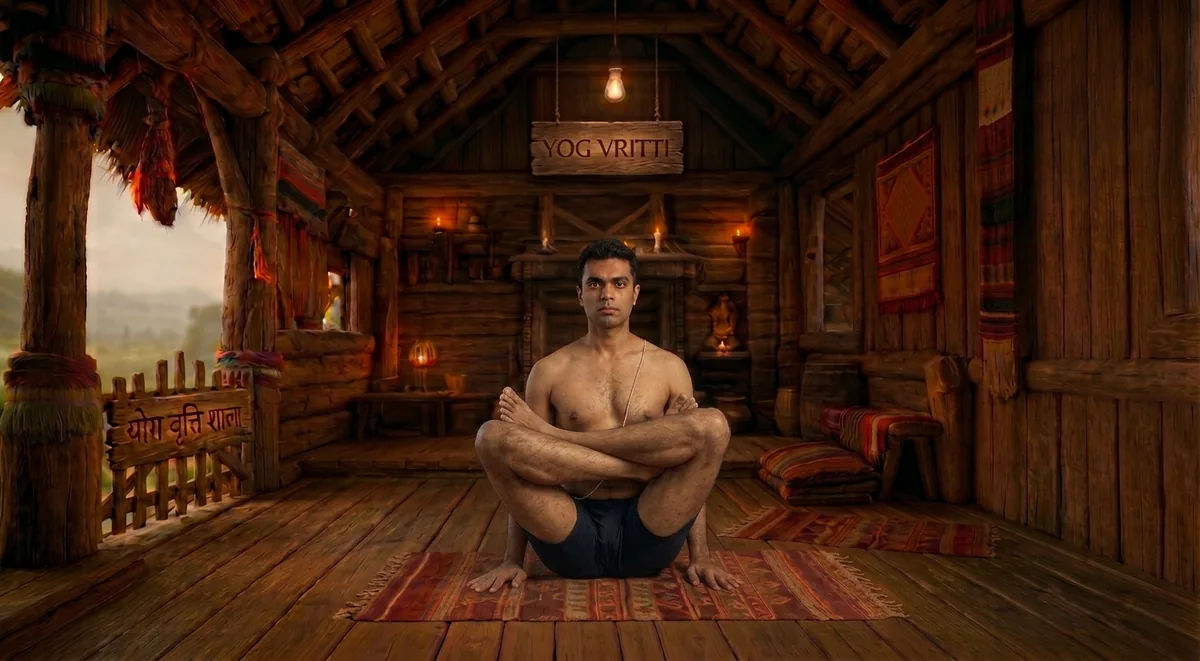
Kandasana is a profound seated posture that unlocks the deepest recesses of the hip joint, demanding and cultivating extraordinary flexibility in the pelvis and lower body. By bringing the soles of the feet directly to the navel, it creates an intense external rotation, abduction, and flexion in the hips, reaching muscle groups like the adductors and external rotators that are often chronically tight. This pose is a powerful vehicle for releasing deeply held tension in the root chakra (Muladhara Chakra), inviting a sense of grounding and emotional release, while simultaneously challenging the practitioner to cultivate presence and surrender to the body's wisdom. It fundamentally re-patterns the lower body's energetic flow, promoting lightness and freedom in the pelvic girdle.
Root Lock Pose, also called Kandasana is a classical yoga posture. Its Sanskrit name Kandasana translates word-for-word as: Kanda (Root / Energy Bulb) · Asana (Pose). In this posture, the body grounds through the sit bones while the spine rises tall. The posture works to stretch the hip flexors and engage the core. Stimulates the Kanda (nerve center). Develops extraordinary flexibility. It is particularly valued for developing greater flexibility. Suitable for advanced practitioners with developed body awareness, it is a meaningful addition to any practice. Practitioners with hip injury and knee injury should approach with care or consult a qualified teacher.
Helps with
Muscles Worked
Deep Hip Rotators (External)
[Piriformis, Obturator Internus/Externus, Gemelli, Quadratus Femoris]
These deep muscles, nestled around the hip socket, are put into their maximum possible stretch as the thighs rotate outwards and the knees drop.
This action provides a profound release of tightness that often contributes to sciatic nerve irritation and lower back stiffness.
Energetically, releasing these deep rotators can free up stagnant energy in the hips, promoting a sense of emotional openness and ease.
Regular practice encourages these muscles to yield, enhancing comfort in daily movements and seated meditation.
Inner Thigh Muscles (Adductors)
[Adductor Magnus, Longus, Brevis, Pectineus, Gracilis]
These powerful muscles running along the inside of your thighs are experiencing an extreme lengthening as the knees splay wide and the feet come together towards the midline.
This sustained stretch helps to decompress the inner groin, creating space in an area often constricted from prolonged sitting or athletic activity.
From a yogic perspective, this opening in the inner thighs is crucial for allowing the upward flow of prana from the pelvic floor, fostering a feeling of lightness and unburdening, and improving circulation in the lower limbs.
Deep Hip Flexors
[Iliopsoas, Rectus Femoris]
While the hips are in deep flexion, the action of drawing the feet towards the navel also creates a unique engagement in the hip flexors, especially when working to lift the knees and deepen the pelvic tilt for spinal length.
This conscious engagement helps to stabilize the lumbar spine and pelvis, preventing unwanted compression in the lower back.
This intelligent activation and release of the psoas can help release deeply ingrained patterns of fear and tension, connecting to our core sense of stability and courage.
Core Stabilizers
[Transversus Abdominis, Obliques, Erector Spinae]
The deep activation of the core muscles is essential here to support the lumbar spine and maintain a stable pelvis, preventing excessive rounding or arching, particularly when deepening the forward fold.
These muscles work synergistically to create the necessary pelvic tilt that allows the femurs to deeply rotate and abduct without straining the lower back.
This intelligent engagement cultivates a strong, supportive center, which in yogic terms, is where our inner power (Manipura Chakra) resides, offering both physical and mental resilience.
Joints Mobilized
Hip Joint (Coxofemoral Joint)
mobilizingThis ball-and-socket joint is undergoing its most extreme range of motion in external rotation, abduction, and flexion simultaneously.
The sustained hold encourages the synovial fluid to lubricate the joint surfaces, improving overall mobility and reducing stiffness.
Over time, regular, careful practice can significantly increase the functional range of motion in the hips, translating to greater ease in walking, sitting, and other daily movements, embodying the yogic principle of sthira (steadiness) and sukha (ease) in movement.
Sacroiliac (SI) Joint
stabilizingThe deep hip opening in Kandasana places significant demands on the stability of the pelvis, directly influencing the SI joint, which connects the sacrum to the ilium.
Maintaining a neutral or slightly anterior pelvic tilt through core engagement is crucial to prevent shearing forces on this joint.
When practiced with awareness, this pose can help to re-align and stabilize the SI joint by strengthening surrounding musculature, fostering a sense of groundedness and reducing lower back discomfort, leading to greater pelvic integrity.
Knee Joint
flexingThe knees are in deep flexion, and the degree of hip external rotation directly impacts the stress placed on the medial collateral ligament (MCL) and menisci.
It’s imperative that the hip joint, not the knee, is the primary area of stretch, meaning the knees should be able to drop outwards comfortably without any sharp sensation.
By honoring the knee's limitations and ensuring proper hip engagement, we protect this vulnerable joint, cultivating intelligent body awareness (vijnanamaya kosha) and preventing injury, allowing for deeper, safer exploration of the pose.
Organ & System Benefits
Abdominal Organs (Digestive & Excretory System)
When the feet are drawn towards the navel and the torso gently folds forward, the abdominal organs receive a mild, sustained compression.
This gentle internal massage helps to stimulate peristalsis, encouraging healthy digestion and elimination by promoting blood flow to the digestive tract.
From a yogic perspective, this action helps to stoke Agni (digestive fire), clearing stagnation and promoting a feeling of inner lightness and purification within the body's core.
Pelvic Floor Muscles
The extreme hip opening and proximity of the feet to the perineum bring a heightened awareness to the muscles of the pelvic floor.
This pose can help to both stretch and strengthen these often-overlooked muscles, improving their elasticity and tone, which is vital for postural support and continence.
This direct engagement fosters a deeper connection to Muladhara Chakra, our energetic root, promoting a sense of stability, security, and vitality, while also supporting bladder and bowel health.
Nervous System
The intense nature of Kandasana demands profound mental focus and presence, naturally drawing the mind away from external distractions and into the immediate sensations of the body.
This sustained attention acts as a form of Pratyahara, withdrawing the senses, which in turn helps to quiet the fluctuations of the mind (Chitta Vritti Nirodhah).
The deep hip opening, when approached with patience, can release chronic tension, signaling safety to the nervous system and shifting it towards a more parasympathetic state of rest and digest.
As the hips release their deeply held tension, often a repository for emotional stress and trauma, a profound sense of calm can wash over the practitioner.
This physical release directly impacts the vagal nerve, promoting a slower heart rate and deeper, more rhythmic breathing, fostering a sense of safety and letting go.
This shift allows the nervous system to recalibrate, fostering a sense of inner peace and emotional balance, helping to dissolve anxiety and cultivate a more resilient inner state.
Mental & Emotional
Kandasana is a powerful teacher of surrender and patience, as the body's physical limitations are often immediately evident.
It requires the practitioner to meet resistance with acceptance, cultivating a steadfast determination (Tapas) without force or aggression, learning to breathe into discomfort.
This process of mindful engagement with challenge translates into greater mental resilience off the mat, teaching us to navigate life's difficulties with a calm and centered approach, fostering emotional maturity.
The deep introspection required to sustain this challenging posture encourages a profound connection to one's inner landscape.
By turning attention inward and observing the subtle shifts in sensation and breath, practitioners develop a heightened sense of self-awareness and presence (Dharana), cultivating a clear, observant mind.
This focused attention helps to quiet the restless mind, fostering a deeper understanding of one's emotional and energetic patterns, ultimately leading to greater mental clarity and inner peace.
Because of Its Shape
hip opener
This extreme hip opener targets the deep connective tissues and musculature surrounding the hip joint, significantly increasing range of motion in external rotation and abduction.
By systematically releasing tightness in the hips, we free the lower body from stiffness, which often impacts the lower back and knees, restoring functional movement.
Energetically, hip openers are believed to release emotional baggage and stored trauma, allowing for a greater sense of freedom and emotional flow within the Muladhara and Svadhisthana chakras, promoting creativity and stability.
As a seated pose, Kandasana inherently cultivates a sense of grounding and stability, connecting the practitioner deeply to the earth through the sitting bones.
The firm foundation of the pelvis supports the upward lengthening of the spine, fostering both strength and spaciousness in the torso, encouraging proper alignment.
This grounding quality helps to calm the nervous system, drawing awareness inward and preparing the mind for deeper states of meditation and introspection, aligning with the principles of Prithvi (earth element) and inner stillness.
Fascial Lines
Kandasana profoundly addresses the fascial lines that weave through the hips, inner thighs, and pelvic floor, particularly the deep front line and spiral lines.
The sustained, deep external rotation and abduction create a comprehensive release and lengthening throughout this intricate web of connective tissue, allowing for greater fluidity and unrestricted movement in the entire lower body.
By unwinding these fascial restrictions, we not only improve physical flexibility but also release energetic blockages, enabling the smooth flow of prana throughout the lower body and pelvis, promoting a sense of integration and wholeness.
Breathing & Respiratory
Due to the intense hip flexion and potential forward fold, the diaphragm's downward movement may be gently restricted, encouraging the breath to expand more into the side ribs and back body, creating a wider, fuller breath.
This subtle shift in breathing pattern naturally promotes a more diaphragmatic and Ujjayi-like breath, creating a rhythmic and calming internal massage for the organs.
This deep, conscious breathing helps to soothe the nervous system and provides an anchor for the mind, enabling the practitioner to stay present and surrender into the depth of the pose, transforming physical intensity into meditative focus.
Anatomical Caution
Given the extreme nature of Kandasana, utmost care must be taken to protect the knee joints and the sacroiliac joint.
Teachers must emphasize that the stretch should be felt primarily in the hips and groin, never in the knees, and students with any knee or SI joint instability should approach this pose with extreme caution or avoid it entirely.
Students should also be guided to avoid forcing the pose, listening intently to their body's signals and progressing gradually to prevent injury to these vulnerable areas, prioritizing safety and awareness above all.