3
Muscles
2
Joints
2
Organs
2
Mental
Kapalabhati
कपालभाति
Kapalabhati, the 'Skull Shining Breath,' is a dynamic pranayama/kriya that employs rapid, forceful exhalations to purify the body and mind. This technique intensely activates the deep abdominal muscles, particularly the transverse abdominis and internal intercostals, and creates a rhythmic, piston-like action of the diaphragm. It energizes the system, stimulates internal organs, and clears mental fog, making it a powerful practice for boosting vitality, improving digestion, and cultivating a clear, focused state of awareness. Regular practice cultivates inner heat (tapas) and a profound sense of cleansing.
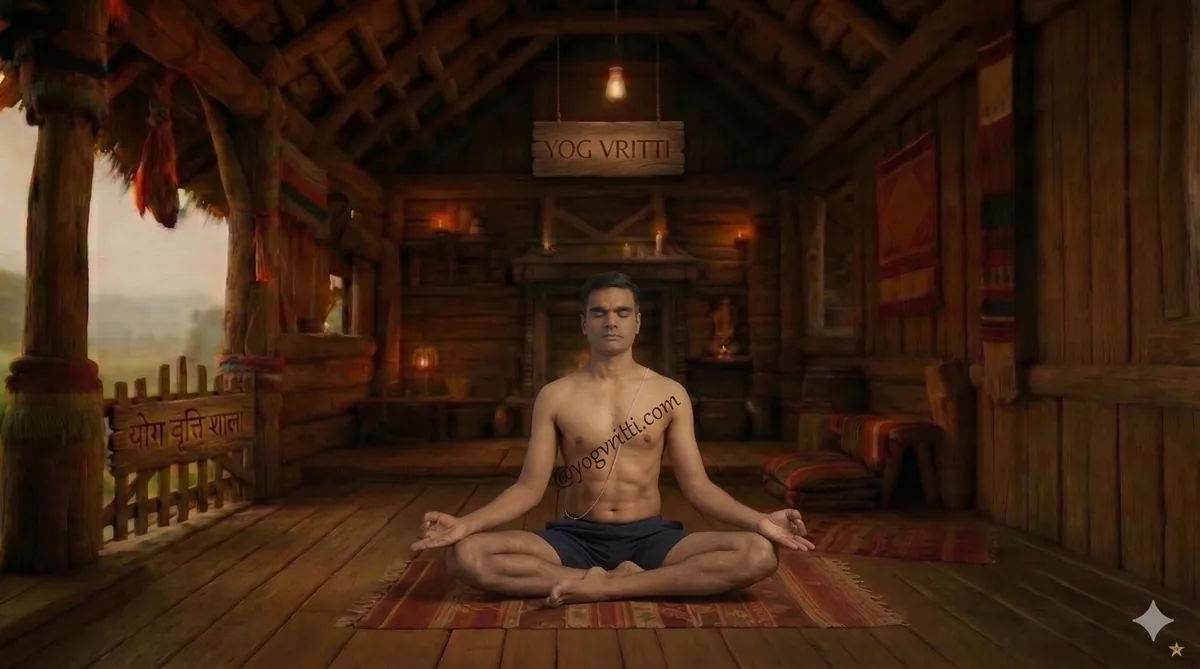
Skull-Shining Breath, also called Kapalabhati Pranayama is a classical yoga posture. Its Sanskrit name Kapalabhati translates word-for-word as: Kapala (Skull) · Bhati (Shining / Illuminating). In this posture, the body grounds through the sit bones while the spine rises tall. Energizes the entire system. Cleanses respiratory tract. Strengthens core. It is particularly valued for lifting low mood. Suitable for beginners and regular practitioners alike, it is particularly invigorating in a morning routine, particularly beneficial for beginners and desk workers. Practitioners with pregnancy and hypertension should approach with care or consult a qualified teacher.
Helps with
Muscles Worked
Diaphragm
[Diaphragma]
The diaphragm, a dome-shaped muscle separating the chest from the abdomen, is central to Kapalabhati's rhythm.
While it primarily contracts for inhalation, in this practice, it rapidly relaxes and is pushed upwards by the forceful abdominal contractions, creating a quick, passive recoil for the subsequent inhalation.
This vigorous, repetitive movement enhances the diaphragm's elasticity and responsiveness, refining the body's primary respiratory muscle.
Yogically, this improved diaphragmatic control deepens our ability to consciously regulate prana, the life force.
Deep abdominal muscles (core)
[Transversus Abdominis]
The transverse abdominis, the deepest of the abdominal muscles, wraps horizontally around the torso like a natural corset.
In Kapalabhati, it contracts sharply and powerfully with each exhalation, drawing the navel towards the spine to expel air forcefully.
This creates a strong internal pressure that massages the abdominal organs and supports the spine.
This activation builds inner strength and stability, fostering a sense of being 'held' from within, which in yogic terms, awakens and purifies the Manipura Chakra, the seat of personal power.
Muscles between the ribs
[Internal Intercostals]
The internal intercostal muscles are located between the ribs and are primarily responsible for forced exhalation.
In Kapalabhati, these muscles actively contract to pull the ribs down and inward, aiding the forceful expulsion of air from the lungs.
This coordinated effort with the abdominal muscles ensures a thorough emptying of the lungs and enhances the mobility of the rib cage.
This refined control over the thoracic muscles cultivates a heightened awareness of the breath's mechanics, allowing for more subtle manipulation of prana in subsequent practices.
Joints Mobilized
Spine (Vertebral Joints)
mobilizingWhile the spine is held upright and stable during Kapalabhati, the rhythmic contractions of the abdominal muscles create a subtle internal massage and vibration that travels up the vertebral column.
This gentle, repetitive movement can help to release minor stiffness in the lower thoracic and lumbar spine, promoting fluidity around the spinal nerves.
Yogically, a stable yet subtly mobilized spine is crucial for unimpeded energy flow through the sushumna nadi, allowing prana to ascend freely.
Rib Cage (Costovertebral & Costosternal Joints)
mobilizingThe forceful exhalations and subsequent passive inhalations in Kapalabhati involve significant movement of the rib cage.
The internal intercostals actively pull the ribs down and in, and the elastic recoil of the chest wall then allows for the passive inhalation, subtly mobilizing the joints where the ribs connect to the spine (costovertebral) and the sternum (costosternal).
This enhances the overall elasticity and capacity of the chest cavity, improving the efficiency of the respiratory system.
This increased thoracic mobility supports deeper, more expansive breathing in all aspects of life.
Organ & System Benefits
Digestive Organs (Stomach, Intestines, Liver, Pancreas)
The rhythmic, piston-like action of the diaphragm combined with the forceful contractions of the abdominal muscles creates a profound internal massage for the organs within the upper abdomen, including the stomach, intestines, liver, and pancreas.
This robust stimulation significantly enhances blood circulation to these vital organs, optimizing their function, aiding digestion, and supporting the body's natural detoxification processes.
Yogically, this practice is said to stoke Agni, the digestive fire, leading to improved metabolism and assimilation of nutrients.
Lungs
Kapalabhati is specifically designed to maximize exhalation, effectively clearing stale air and excess carbon dioxide from the deepest recesses of the lungs, particularly the lower lobes.
The rapid, forceful expulsion of air, followed by the reflexive, passive inhalation, ensures a complete and efficient air exchange within the alveoli.
This cleansing action revitalizes the entire respiratory system, increasing overall lung capacity and significantly improving the body's ability to absorb oxygen.
It's a powerful respiratory detox.
Nervous System
While the forceful exhalations of Kapalabhati initially activate the sympathetic nervous system due to the effort involved, the rhythmic nature and subsequent passive inhalations then gently guide the system towards parasympathetic dominance.
This controlled stimulation and relaxation helps to regulate the autonomic nervous system, fostering a balanced state of energized calm rather than agitation.
The practitioner experiences a heightened sense of alertness paired with a profound inner stillness, promoting mental clarity and sustained focus.
The strong, rhythmic contractions of the diaphragm and abdominal muscles create a deep internal massage for the abdominal organs, which are richly innervated by the vagus nerve.
This direct stimulation of the vagus nerve, a key component of the parasympathetic nervous system, can help to downregulate stress responses, reduce inflammation, and significantly improve mood.
This deep internal work acts as a gentle yet profound reset for the nervous system, cultivating a sense of inner peace and emotional resilience.
Mental & Emotional
The precise, rhythmic nature of Kapalabhati demands unwavering attention to the breath and the subtle movements of the abdomen, effectively drawing the mind away from external distractions and internal chatter.
This sustained focus serves as a powerful practice of Dharana (concentration), training the mind to remain present and anchored in the moment.
Practitioners frequently report enhanced mental clarity, a quieted mind, and a sharper intellect after consistent practice.
The vigorous exhalations in Kapalabhati can be profoundly cathartic, offering a means to release stagnant emotional energy and deeply held tension patterns, particularly those residing in the solar plexus region.
This internal cleansing process, coupled with increased oxygenation and enhanced prana flow, can significantly uplift mood and alleviate symptoms of anxiety and depression.
It cultivates a robust sense of inner strength and vitality, empowering the practitioner with a renewed sense of purpose and resilience.
Because of Its Shape
seated
The seated posture, typically cross-legged on a cushion (like Sukhasana or Padmasana), provides an inherently stable and grounded base for the torso and spine.
This foundational stability allows the practitioner to direct all attention and energetic resources towards the intricate breathwork without expending effort on maintaining physical balance.
In yogic philosophy, a steady and comfortable seat (asana) is considered paramount for undisturbed pranic flow and for cultivating a meditative state.
Maintaining an upright, elongated spine in the seated position is critical for Kapalabhati, as it creates optimal space for the diaphragm to move freely and for the lungs to expand efficiently.
This alignment prevents any compression of the abdominal organs during the forceful exhalations and actively encourages the upward flow of prana.
A well-aligned and stable spine facilitates the opening of the central energy channel, Sushumna Nadi, supporting deeper energetic experiences.
Fascial Lines
The repetitive, rhythmic contractions of the deep abdominal muscles and the diaphragm generate subtle yet pervasive vibratory movements that ripple throughout the torso.
This internal pumping action gently mobilizes the intricate fascial layers surrounding the abdominal organs, the diaphragm itself, and the intercostal muscles.
By encouraging fluidity and hydration within these interconnected connective tissues, Kapalabhati can release long-held tension patterns and significantly improve the elasticity of the entire respiratory system.
This release helps to unbind restrictions, allowing for greater freedom of movement and enhanced energetic flow within the core and across the diaphragm.
Breathing & Respiratory
Kapalabhati intentionally reverses the typical breath pattern by making the exhalation active, forceful, and short, while the inhalation becomes entirely passive and reflexive.
This rapid, diaphragmatic breathing creates a powerful internal rhythm that not only purifies the respiratory passages but also significantly increases lung ventilation and the removal of residual air.
It is considered a potent form of Shatkarma (yogic cleansing technique) and a preparatory pranayama, awakening the breath mechanism and conditioning the practitioner for more subtle and sustained breath retention (kumbhaka) practices.
Anatomical Caution
Teachers must exercise utmost care and ensure students avoid Kapalabhati if they suffer from high blood pressure, heart conditions, active ulcers, hernia, or are pregnant.
The forceful abdominal contractions can be intensely stimulating and potentially harmful in these sensitive conditions.
Always emphasize starting with a gentle rhythm and fewer rounds, especially for beginners, to prevent hyperventilation, dizziness, or undue strain on the abdominal wall.