3
Muscles
3
Joints
2
Organs
2
Mental
Mandukasana
मण्डूकासन
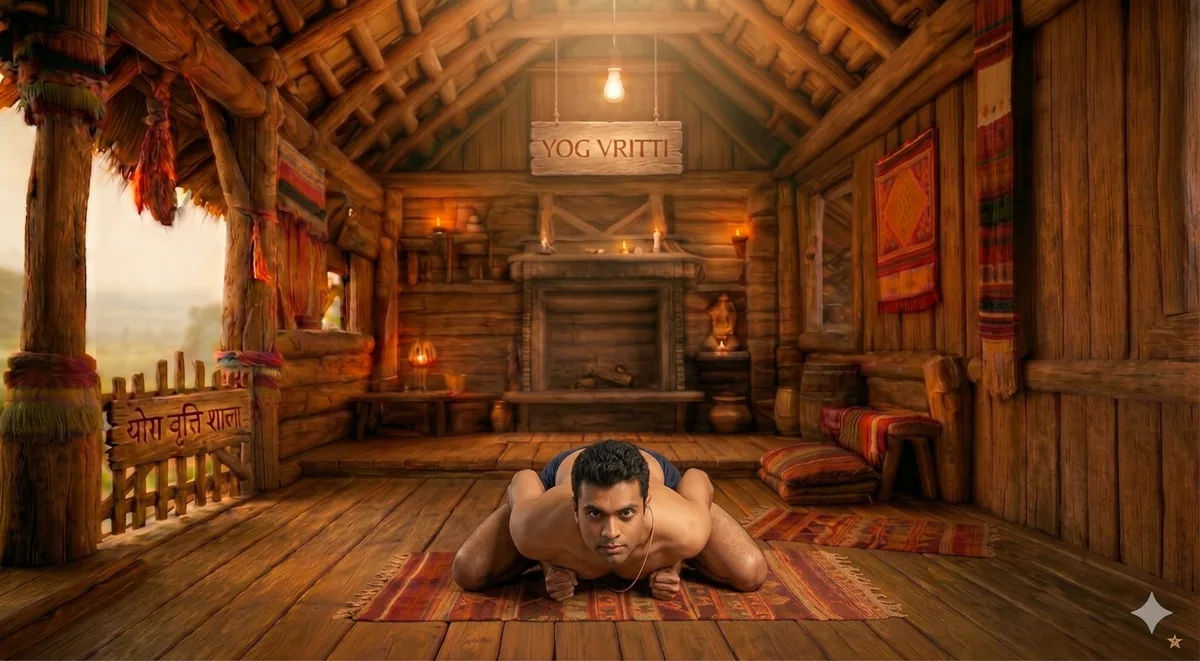
Mandukasana, or Frog Pose (seated variation), is a profound seated forward fold from Vajrasana that brings conscious pressure to the abdominal organs. It gently lengthens the lower back and subtly opens the hip flexors, while its primary action is an internal massage for the digestive system. Energetically, this pose is deeply grounding and calming, directing prana inward and downward to support detoxification and inner stillness. It is invaluable for cultivating internal awareness and promoting the healthy function of vital organs, offering a sense of lightness and peace to both body and mind.
Frog Pose, also called Mandukasana is a classical yoga posture. Its Sanskrit name Mandukasana translates word-for-word as: Manduka (Frog) · Asana (Pose). In this posture, the body grounds through the sit bones while the spine rises tall. The posture works to stretch the hip flexors and release the lower back. Helps manage diabetes (traditional claim). Reduces belly fat. Suitable for beginners and regular practitioners alike, it is particularly invigorating in a morning routine, particularly beneficial for beginners. A blanket can be used to make the posture more accessible and support correct alignment. Practitioners with pregnancy and abdominal surgery should approach with care or consult a qualified teacher.
Helps with
Muscles Worked
Erector Spinae (lower back muscles)
[Erector Spinae]
The long muscles running along either side of your spine (erector spinae) receive a gentle, sustained lengthening in this forward fold, particularly in the lumbar region.
This action helps to release chronic compression and tension that often accumulates from prolonged sitting or standing, creating a sense of spaciousness in the lower back.
Yogically, this release facilitates the unobstructed flow of apana vayu, promoting a feeling of groundedness and ease in the pelvis and lower spine.
Regular practice helps to maintain spinal flexibility and reduce stiffness in this crucial area.
Psoas Major (deep hip flexor)
[Psoas Major]
Deep within your core, connecting your spine to your inner thigh bone, the psoas muscles are gently encouraged to soften and release as you fold forward over your thighs.
While not a forceful stretch, the sustained flexion in the hip joint helps to unwind tension in these often-tight muscles, which can otherwise pull on the lumbar spine.
This subtle release alleviates strain on the lower back and cultivates a sense of openness and freedom within the pelvic bowl, allowing energy to flow more smoothly through the core.
It helps to dissolve stored physical and emotional tension.
Rectus Abdominis & Obliques (abdominal muscles)
[Rectus Abdominis, Obliquus Externus, Obliquus Internus]
In Mandukasana, your abdominal muscles are compressed between your torso and your thighs, and further by the pressure of your fists, creating a gentle internal massage.
This action stimulates the deeper layers of the abdominal wall and their underlying organs, promoting blood circulation and lymphatic drainage within the abdominal cavity.
This internal activation and release helps to awaken the digestive fire (agni) and encourages the elimination of toxins, leading to a feeling of lightness and improved digestive function.
It brings awareness to the core, the seat of our energetic power.
Joints Mobilized
Lumbar Spine (lower back joints)
decompressingThe gentle forward fold in Mandukasana creates subtle traction and space between the vertebrae of your lower back (lumbar spine), releasing daily compression.
This decompression helps to nourish the intervertebral discs and encourages better circulation of cerebrospinal fluid, which can alleviate stiffness and discomfort.
Over time, consistent practice supports the health and mobility of the lumbar spine, promoting a more fluid and resilient back, and allowing for greater energetic flow up the central channel.
Hip Joints (acetabulofemoral joints)
mobilizingIn this seated posture, the hip joints are held in deep flexion, and the forward bend further deepens this position, gently mobilizing the joint capsule.
This sustained internal rotation and flexion encourages the circulation of synovial fluid, which lubricates and nourishes the joint cartilage, maintaining and improving range of motion.
This subtle mobilization helps to release stiffness in the hips, contributing to a feeling of greater ease in the pelvic region and a sense of energetic openness around the root chakra.
Regular practice enhances overall hip flexibility and comfort.
Knee Joints (tibiofemoral joints)
weight bearing | flexionWhile not heavily weight-bearing in the forward fold itself, the knee joints are in deep flexion in Vajrasana, a position that requires careful attention.
The use of a blanket under the ankles or shins helps to create space and reduce direct pressure on the knee joint, promoting comfort and safety.
This deep, sustained flexion encourages circulation within the joint and helps to maintain the full range of motion, preventing stiffness and supporting the health of the ligaments and cartilage.
This mindful engagement supports the knees for long-term kneeling and sitting practices.
Organ & System Benefits
Abdominal Organs (stomach, intestines, pancreas, liver, spleen)
The primary therapeutic action of Mandukasana is the direct, gentle compression and internal massage applied to your abdominal organs by the pressing fists and the folded torso.
This pressure stimulates peristalsis in the intestines, encourages fresh blood flow to digestive glands like the pancreas and liver, and helps to 'wring out' stagnation.
This internal cleansing action significantly aids digestion, supports metabolic function, and awakens the body's innate capacity for detoxification, leading to a feeling of lightness and improved vitality.
Lungs & Diaphragm
In this deep forward fold, the chest is gently compressed against the thighs, which naturally encourages a more diaphragmatic and abdominal breath rather than shallow chest breathing.
This position brings heightened awareness to the movement of your diaphragm, promoting deeper exhalations and a more complete emptying of the lungs.
The gentle restriction on the breath in the upper chest helps to calm the nervous system and cultivates a sense of inner stillness, making the breath a tool for deeper introspection and relaxation.
Nervous System
The deep forward fold, combined with the gentle abdominal pressure and the introspective quality of the pose, profoundly activates the parasympathetic nervous system.
This activation induces a deep sense of calm and relaxation, effectively reducing the body's 'fight or flight' response and fostering a feeling of safety and inner peace.
The slower, deeper breathing that naturally arises in this posture further enhances this calming effect, allowing the body to enter a state of 'rest and digest' and promoting overall well-being.
The internal pressure from the fists and the compression of the abdomen significantly heighten interoception, which is your awareness of your inner bodily sensations and processes.
This increased sensitivity helps practitioners become more attuned to their digestive system and internal rhythms, fostering a deeper connection between the mind and body.
This cultivation of inner awareness helps to quiet the incessant chatter of the mind (chitta vritti), promoting a sense of presence and mental clarity.
Mental & Emotional
The forward bend nature of Mandukasana inherently encourages a withdrawal of the senses (Pratyahara), drawing your attention inward away from external distractions and mental noise.
This inward focus naturally fosters introspection and a powerful feeling of being deeply grounded and connected to your inner self and the earth.
It creates a sanctuary for mental peace, allowing the mind to quiet its fluctuations and promoting clarity and a sense of deep centeredness.
Many individuals unconsciously hold emotional tension and stress within their abdominal region, often manifesting as digestive discomfort or a 'knot in the stomach.' The gentle pressure and release in Mandukasana can help to subtly loosen these energetic and physical blockages, facilitating a quiet emotional release.
This physical action translates into a psychological letting go, promoting emotional balance, reducing anxiety, and fostering a sense of inner lightness and freedom.
Because of Its Shape
forward bend
Forward bends inherently encourage introspection and a withdrawal of the senses, promoting a deep sense of calm and mental quietude.
Anatomically, this shape often lengthens the posterior chain and gently compresses the front body, which can stimulate the vagus nerve and activate the parasympathetic nervous system.
Energetically, it directs prana inward and downward, fostering a feeling of grounding and inner peace.
The compression of the abdomen in a forward bend acts like a gentle internal massage, especially when combined with focused pressure as in Mandukasana.
This mechanical action stimulates blood flow to the digestive organs and glands, aiding detoxification and improving metabolic function.
From a yogic perspective, it helps to cleanse and revitalize the manipura chakra, enhancing vitality and digestive fire and promoting overall internal health.
Forward folds gently lengthen the muscles along the back of the spine, creating space between the vertebrae and decompressing the spinal column.
This release can alleviate stiffness and tension in the lower back, improving overall spinal health and flexibility.
Energetically, it allows for a smoother flow of apana vayu, facilitating a feeling of release and relaxation in the lower body, and cultivating a sense of surrender and ease.
Fascial Lines
The superficial and deep fascial layers of the abdomen and lower back are gently compressed and then released as you hold and come out of this pose, receiving a subtle hydration and softening.
This action helps to improve the mobility and function of the connective tissues surrounding the abdominal organs and the lumbar spine, which can become stiff from daily habits.
By releasing restrictions in these integral fascial lines, we facilitate better communication throughout the body and a more fluid, unobstructed flow of prana, enhancing overall bodily ease and resilience.
Breathing & Respiratory
The forward fold with abdominal compression in Mandukasana naturally encourages a slower, deeper diaphragmatic breath, often emphasizing a more complete exhalation.
This position gently restricts the full expansion of the chest, thus directing the breath into the lower lobes of the lungs and against the abdominal wall, creating a subtle internal massage.
This cultivates a more mindful awareness of the breath's journey and its internal effects, making it an excellent preparation for pranayama practices like Nadi Shodhana or Ujjayi, as it deepens the connection to the internal body and calms the mind.
Anatomical Caution
Students with severe knee injuries, recent abdominal surgery, or active peptic ulcers should approach this pose with extreme caution or avoid it entirely.
Always ensure a blanket is used under the ankles or shins if there is any discomfort in the knees, and gently remind students to listen carefully to their body, backing off immediately if they feel any sharp pain rather than a healthy, dull stretch or compression.