4
Muscles
3
Joints
2
Organs
2
Mental
Marichyasana I (seated)
मरीच्यासन I (बैठे)
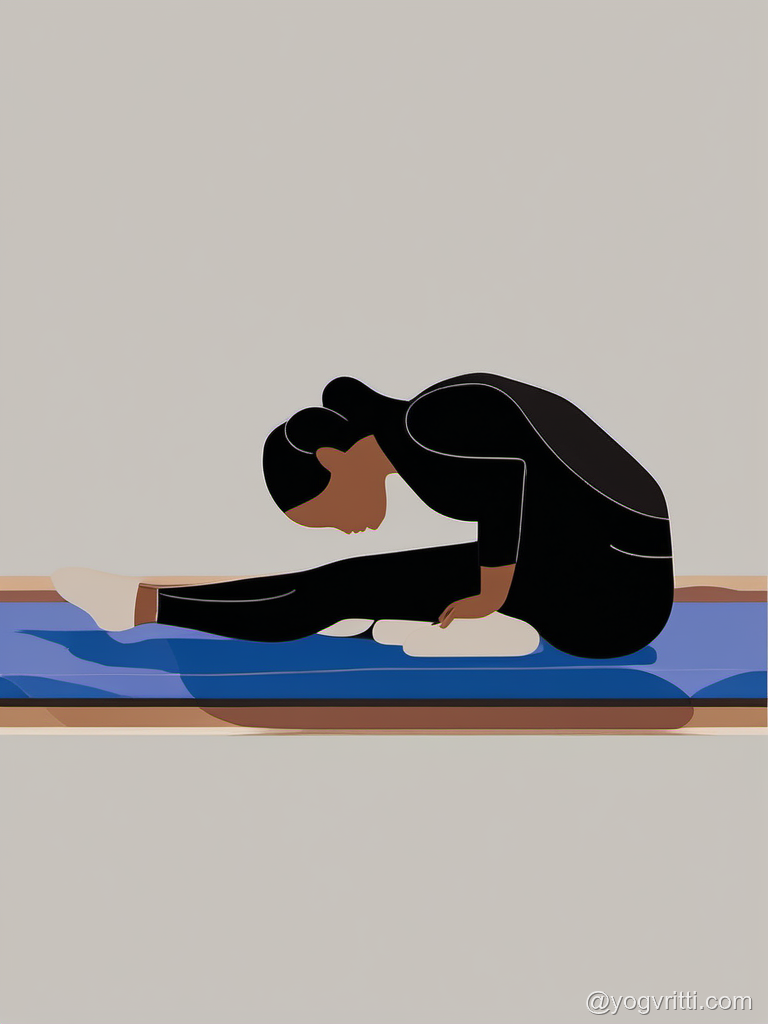
Marichyasana I, a foundational seated twist and forward fold, elegantly combines spinal rotation with a deep hamstring stretch and a shoulder bind. It systematically unwinds tension from the entire length of the spine (vertebral column), from the sacrum to the atlas, while simultaneously opening the hips and stretching the posterior leg muscles (hamstrings). This pose offers a profound internal massage to the abdominal organs, stimulating digestion and detoxification, fostering a sense of inner quietude and presence. Through its subtle yet powerful actions, it invites practitioners to cultivate introspection and find freedom within the embrace of the bind, balancing stability with release.
Sage Marichi's Pose I, also called Marichyasana I is a classical yoga posture. Its Sanskrit name Marichyasana I (seated) translates word-for-word as: Maricha (Sage Marichi) · Asana (Pose). Seated on the mat, the practitioner rotates the spine, creating space between each vertebra. The posture works to engage the core, strengthen and extend the back and open and strengthen the shoulders. Massages the abdominal organs. Improves digestion. It is particularly valued for improving overall posture. Suitable for beginners and regular practitioners alike, it is an excellent warm-up, particularly beneficial for beginners and desk workers. A blanket and strap can be used to make the posture more accessible and support correct alignment. Practitioners with spinal injury and abdominal surgery should approach with care or consult a qualified teacher.
Helps with
Muscles Worked
Hamstrings
[Biceps Femoris, Semitendinosus, Semimembranosus]
The muscles along the back of your extended thigh (hamstrings) receive a profound, sustained stretch in this pose.
As you lean forward, the pelvis tilts, drawing the origin of these muscles away from their insertion on the tibia and fibula, encouraging a gradual release.
This action not only improves flexibility in the posterior chain but also alleviates common lower back tension, allowing the downward flow of apana vayu to settle, creating a sense of groundedness.
Erector Spinae
[Longissimus, Iliocostalis, Spinalis]
These deep muscles running along either side of your spine (erector spinae) are gently lengthened as you fold forward and twist.
Instead of forcing the stretch, the careful movement encourages a release of chronic tension held from daily upright posture, allowing the individual muscles to soften.
This spinal decompression creates space between the vertebrae, promoting fluidity and vitality, which translates into a feeling of lightness and openness in the back body.
Obliques
[External and Internal Obliques]
The muscles along the sides of your abdomen (obliques) are actively engaged to facilitate the twist in Marichyasana I.
As you rotate your torso, these muscles contract rhythmically, drawing the rib cage around the spine, creating the rotational force.
This muscular engagement not only deepens the twist but also tones the core, supporting the spine and encouraging the cleansing 'wringing out' action on the internal organs, awakening samana vayu for balance.
Latissimus Dorsi
[Latissimus Dorsi]
The broad muscles spanning your lower back and sides (latissimus dorsi) are significantly stretched, particularly on the side of the binding arm.
As you reach around the bent knee and bind, this large muscle is elongated from its attachment points on the spine and pelvis to the humerus, releasing tightness that can restrict shoulder mobility and contribute to upper back stiffness.
This opening in the upper body helps to free the breath and cultivate a sense of expansive awareness.
Joints Mobilized
Spine
mobilizingThe entire length of your spine (vertebral column) undergoes a gentle yet profound mobilization, combining flexion and rotation.
This dual action helps to lubricate the intervertebral discs and release stiffness in the facet joints, improving overall spinal health and flexibility.
Practitioners often report a sensation of increased space and freedom in the back, enhancing the flow of prana along the sushumna nadi, the central energy channel.
Hip Joint
mobilizingThe hip joints (femoroacetabular joints) experience a complex movement, with the extended leg in neutral flexion and the bent leg in deep flexion and internal rotation.
This specific configuration helps to open the posterior hip capsule and release deep-seated tension in the gluteal muscles and external rotators.
This mobilization of the hips fosters greater ease in seated postures and helps to ground the practitioner, connecting them more deeply to the earth element.
Shoulder Joint
mobilizingThe shoulder joint (glenohumeral joint) of the binding arm moves into internal rotation, adduction, and extension, creating a deep opening across the back of the shoulder and scapula.
This action helps to release chronic tension in the rotator cuff muscles and improve the range of motion, particularly beneficial for those with rounded shoulders.
The bind teaches us to find comfort and space even in perceived restriction, cultivating patience and surrender to the pose.
Organ & System Benefits
Digestive Organs
The gentle compression and release from the twist in Marichyasana I provide a profound internal massage to the abdominal organs, including the stomach, small intestine, and large intestine.
This 'wringing out' action stimulates peristalsis and enhances blood flow, aiding in digestion and detoxification by encouraging lymphatic drainage.
It helps to clear blockages and invigorate agni, the digestive fire, promoting overall gut health and a feeling of lightness within the core.
Kidneys and Pancreas
Situated in the posterior abdomen, the kidneys and pancreas receive a subtle yet beneficial stimulation from the twisting action.
This gentle compression and subsequent release promotes fresh blood circulation and gentle lymphatic drainage to these vital endocrine and excretory organs.
Yogically, this can help to balance energy levels and support metabolic functions, fostering a sense of vitality and resilience within the body's deeper systems and promoting hormonal balance.
Nervous System
The deliberate forward fold and gentle twist of Marichyasana I naturally encourage a shift towards the parasympathetic nervous system, promoting a deep sense of calm.
As the body folds inward and the breath becomes more contained, the 'fight or flight' response (sympathetic activation) gradually diminishes.
This allows the practitioner to experience profound relaxation, reducing overall stress and anxiety by down-regulating the stress response.
The focused attention required to maintain the bind and the twist draws awareness inward, effectively quieting the constant chatter of the mind (chitta vritti).
This sustained concentration acts as a form of pratyahara, withdrawing the senses from external distractions and fostering single-pointed focus.
The internal focus cultivates mental clarity and presence, allowing for a deeper connection to one's inner stillness and wisdom, a state of meditative absorption.
Mental & Emotional
Marichyasana I invites a profound sense of introspection and self-reflection, inherent in its forward-folding and inward-twisting nature.
As the body turns in on itself, the mind naturally follows, drawing attention away from external stimuli towards one's inner landscape and subconscious patterns.
This internal journey cultivates a mindful presence, allowing for deeper self-awareness and understanding of one's emotional and mental states.
The act of binding in this pose, even with the aid of a strap, teaches patience and acceptance of one's current limitations.
Rather than forcing the bind, the practitioner learns to find space and ease within the constraint, surrendering to the present moment and letting go of egoic striving.
This mental discipline translates into daily life, fostering resilience and the ability to remain calm and centered amidst challenges, cultivating equanimity.
Because of Its Shape
twist
Twisting actions in yoga are renowned for their detoxifying effects, gently compressing and then releasing the abdominal organs.
This 'wringing out' motion stimulates circulation and aids in the elimination of waste products, both physical and energetic.
Anatomically, it mobilizes the entire spinal column, improving its flexibility and vitality, while energetically it clears blockages and invigorates prana, particularly in the manipura chakra.
The twist in Marichyasana I specifically targets the thoracic and lumbar spine, promoting rotational mobility that is often lost in sedentary lifestyles.
This increased spinal fluidity alleviates stiffness and can improve posture by re-educating the spinal muscles to support balanced rotation.
Yogically, it helps to balance the energy in the central channel (sushumna nadi) and awaken inner awareness, fostering a sense of vitality and clarity.
Fascial Lines
The intricate web of connective tissue (fascia) throughout the body receives a comprehensive release in Marichyasana I, particularly along the superficial back line and the spiral line.
As the spine flexes and twists, and the extended leg's hamstrings lengthen, the fascial connections from the sole of the foot up to the skull are gently engaged and unwound, releasing adhered layers.
This integrated stretch helps to release long-held tension patterns, improving overall bodily fluidity and creating a sense of spaciousness, allowing for a freer flow of prana and vital energy.
Breathing & Respiratory
The twisting and forward-folding nature of Marichyasana I subtly but significantly influences the breath, encouraging a more refined and diaphragmatic quality.
The gentle compression on the abdomen during the twist naturally guides the breath into the lateral and posterior aspects of the rib cage, promoting deeper expansion there, especially on the side away from the bent knee.
This encourages a longer, more controlled exhalation, which is inherently calming and helps to release physical and mental tension, making it an excellent preparation for subtle pranayama practices, fostering a sense of internal quietude and breath awareness.
Anatomical Caution
Teachers must guide students with utmost care, especially those with existing lower back issues, knee instability, or shoulder injuries, particularly in the rotator cuff.
Forcing the twist or bind can strain the lumbar spine, medial knee ligaments, or anterior shoulder capsule.
Always prioritize a long, lifted spine before attempting to twist, and encourage the use of a strap to facilitate the bind gently, ensuring students listen to their body's intelligent signals and never push into pain.