5
Muscles
3
Joints
3
Organs
2
Mental
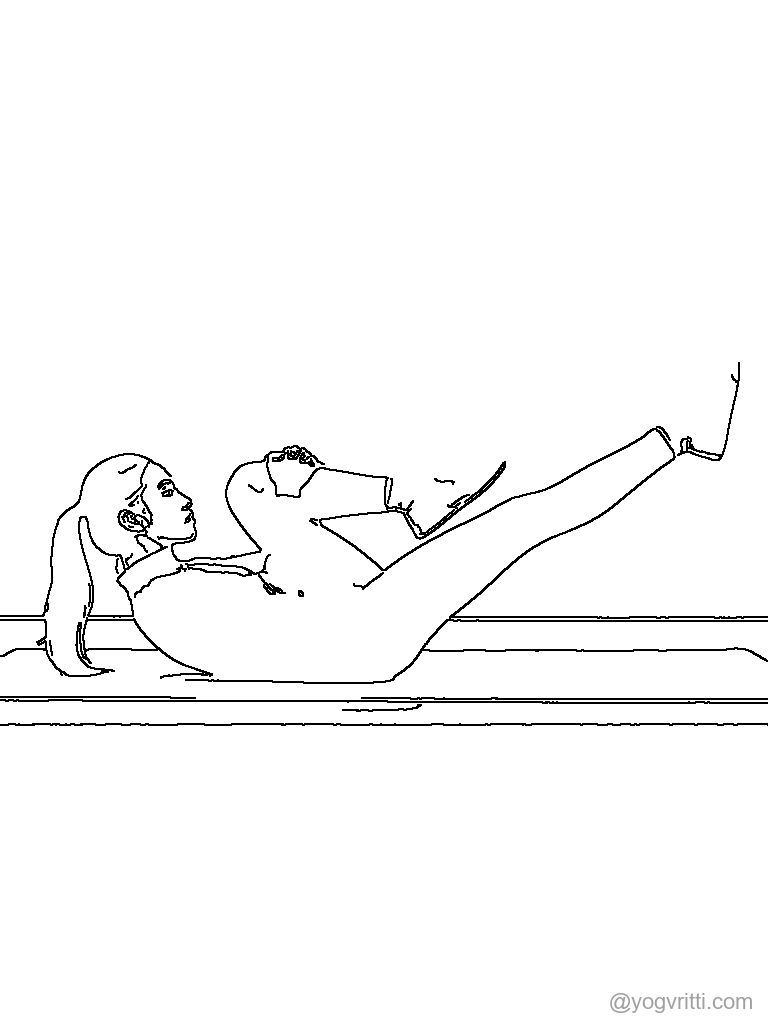
Dwi Pada Supta Pawanmuktasana
द्विपाद सुप्त पवनमुक्तासन
Dwi Pada Supta Pawanmuktasana, or Both Legs Wind-Relieving Pose, is a profoundly grounding supine posture that gently flexes the spine and hips, bringing the knees to the chest. This shape encourages a deep release along the entire posterior chain of the body, from the glutes to the lumbar spine, while simultaneously providing a soothing internal massage to the abdominal organs. Energetically, it is a powerful practice for releasing apana vayu, the downward-moving energy, fostering a sense of rootedness and profound inner calm. For teachers and students alike, this pose is a foundational therapeutic tool for alleviating lower back discomfort, aiding digestion, and calming an overactive mind.
Double Knees-to-Chest Pose, also called Supine Wind Release Both Legs is a classical yoga posture. Its Sanskrit name Dwi Pada Supta Pawanmuktasana translates word-for-word as: Dwi (Two) · Pada (Legs) · Supta (Reclining) · Pavana (Wind). In this posture, the body releases into the support of the floor, allowing gravity to assist. The posture works to release the lower back, stretch the hip flexors and activate the glutes. Aids digestion and relieves gas. Stretches the glutes and hip flexors. It is particularly valued for alleviating back discomfort. Suitable for beginners and regular practitioners alike, it is a calming cool-down, particularly beneficial for beginners and seniors. Practitioners with abdominal surgery and hernia should approach with care or consult a qualified teacher.
Helps with
Muscles Worked
Glutes
[Gluteus maximus, medius, minimus]
The muscles of your buttocks are gently compressed against the floor and shortened in this pose, rather than stretched.
This compression encourages a release of habitual tension often held from prolonged sitting or standing, allowing for improved circulation and relaxation in the deep hip rotators.
From a yogic perspective, this action helps to release stagnant energy in the pelvic region, promoting a feeling of unburdening and ease in the lower body.
Regular practice can alleviate tightness that contributes to lower back pain.
Hamstrings
[Biceps femoris, Semitendinosus, Semimembranosus]
While not a primary hamstring stretch, the gentle flexion of the hips allows the long muscles at the back of your thighs to subtly lengthen and release.
This passive elongation is not forced, but rather an unwinding of chronic tightness, particularly beneficial for those with habitually tight hamstrings that pull on the pelvis.
This patient release helps to free up the posterior kinetic chain, enhancing the flow of prana through the legs and contributing to a feeling of lightness and openness in the lower extremities.
Over time, this improves overall flexibility and reduces strain on the lower back.
Hip Flexors
[Iliopsoas (Iliacus and Psoas major), Rectus femoris]
These powerful muscles at the front of your hips are allowed to shorten and relax in this deep hip flexion, counteracting the chronic lengthening they experience in many standing poses or from prolonged extension.
By bringing the knees to the chest, the hip flexors are put into a position of ease, encouraging them to let go of deep-seated tension.
This release is crucial for freeing the pelvis and lower spine, allowing apana vayu to flow unhindered and creating a sense of deep grounding and stability in the core.
Lower Back Extensors
[Erector Spinae (Iliocostalis, Longissimus, Spinalis), Multifidus]
The muscles running along your lower back are gently lengthened and decompressed as the lumbar spine rounds towards the floor.
This action directly counteracts the compressive forces of gravity and prolonged upright postures, offering significant relief from tension and stiffness.
This mindful release of the spinal erectors helps to calm the nervous system, as tension in these muscles is often linked to stress.
The gentle stretch here encourages a deeper connection to the breath, allowing prana to flow more freely along the spine and alleviate accumulated energetic blockages.
Abdominals
[Rectus Abdominis, Obliques, Transversus Abdominis]
While not a strengthening pose for the abdominals, the gentle compression of the thighs against the belly subtly engages these muscles, particularly during exhalation.
This soft engagement provides an internal massage to the underlying organs, stimulating peristalsis and aiding digestion.
The awareness brought to the abdominal area during this pose helps to cultivate a deeper connection to the manipura chakra, fostering a sense of inner strength and balance while supporting the digestive fire.
Joints Mobilized
Lumbar Spine
decompressingThe lumbar spine, or lower back, is gently flexed and elongated in this pose, allowing the vertebrae to separate slightly and relieving pressure on the intervertebral discs.
This decompression is profoundly soothing, especially for individuals experiencing lower back stiffness or discomfort from prolonged standing or sitting.
The release of tension in the surrounding musculature allows for improved mobility and nutrient flow to the spinal structures, leading to a feeling of greater ease and fluidity in the spine over time.
Regular practice helps to maintain spinal health and flexibility.
Sacroiliac (SI) Joint
mobilizingThe gentle flexion of the hips and rounding of the lower back in Dwi Pada Supta Pawanmuktasana provides a subtle, non-forceful mobilization of the sacroiliac joints.
This action can help to release stiffness and improve stability in this crucial junction between the sacrum and pelvis.
By encouraging subtle movement, the pose helps to alleviate common imbalances and discomfort in the lower back and hips.
This gentle mobilization allows for a deeper energetic grounding through the pelvis, fostering a sense of stability and connection to the earth.
Hip Joint
mobilizingThe hip joints are brought into deep flexion in this pose, promoting a full range of motion in a non-weight-bearing position.
This action helps to lubricate the joint surfaces, nourish the cartilage, and maintain flexibility in the surrounding ligaments and capsules.
Regularly moving the hips through their full range of motion helps to prevent stiffness and improve overall lower body mobility.
This gentle yet profound mobilization of the hip joints allows for a release of stored tension, enhancing the flow of prana throughout the pelvic region and legs, leading to a greater sense of freedom in movement.
Organ & System Benefits
Digestive Organs (Intestines, Stomach)
As the thighs press gently against the abdomen, the internal digestive organs, particularly the small and large intestines, receive a soothing internal massage.
This rhythmic compression and release, synchronized with the breath, stimulates peristalsis – the natural muscular contractions that move food through the digestive tract.
This action is incredibly beneficial for aiding digestion, relieving gas and bloating, and fostering a healthy gut environment, aligning with the pose's name 'Wind-Relieving Pose' and promoting a balanced agni (digestive fire).
Kidneys
The kidneys, situated on either side of the spine, receive a gentle compression from the rounding of the lower back and the pressure of the thighs.
This subtle massage can enhance circulation to these vital organs, supporting their detoxification functions and overall health.
From a yogic perspective, healthy kidneys are associated with vitality and energy, and this pose helps to clear subtle energetic blockages in this region.
This gentle action contributes to a feeling of internal cleansing and renewal throughout the body.
Diaphragm
In this supine, knees-to-chest position, the diaphragm is encouraged to move more freely and deeply, especially with the gentle abdominal compression.
This facilitates diaphragmatic (belly) breathing, which is crucial for maximizing lung capacity and promoting relaxation.
The enhanced movement of the diaphragm creates a subtle internal massage for the heart and lungs, improving their function.
This deeper, more conscious breath allows for a greater intake of prana, invigorating the entire system while simultaneously calming the mind.
Nervous System
This pose is a powerful invitation to the parasympathetic nervous system, shifting the body from a 'fight or flight' (sympathetic) state to 'rest and digest.' As you lie supine with the spine supported and the body folded inward, the nervous system receives signals of safety and calm.
This immediately reduces heart rate and blood pressure, promoting a profound sense of inner peace and relaxation.
The sustained embrace of the knees to the chest helps to quiet the incessant chatter of the mind (chitta vritti), allowing for mental clarity and emotional equilibrium.
The gentle compression of the abdomen by the thighs, synchronized with the breath, subtly stimulates the vagus nerve, a key component of the parasympathetic nervous system.
This stimulation sends calming signals to the brain, directly reducing anxiety and promoting a sense of well-being.
The inward focus and supportive nature of the pose allow the nervous system to truly unwind, making it an excellent practice for stress reduction and cultivating resilience.
This deep rest allows the body's innate healing mechanisms to activate.
Mental & Emotional
Dwi Pada Supta Pawanmuktasana cultivates a profound sense of introspection and withdrawal of the senses, a practice known as Pratyahara.
By folding inward and closing off external stimuli, the mind is naturally drawn to the internal landscape of the body and breath.
This allows for a deeper connection to one's inner self, fostering self-awareness and a quiet contemplation that is often elusive in our fast-paced lives.
For teachers, guiding students into this internal space is key to unlocking deeper meditative states.
This pose fosters patience and acceptance, as practitioners learn to gently surrender to gravity and the subtle releases within the body without force.
The sustained, gentle hold encourages a non-reactive observation of sensations, building resilience and equanimity in the face of discomfort.
This mental discipline translates off the mat, helping students to approach life's challenges with a more grounded and accepting mindset.
It's a practice in letting go, both physically and mentally, creating space for new perspectives.
Because of Its Shape
forward bend
As a forward bend, particularly in a supine position, this pose is inherently calming and internalizing.
The act of folding the body inward physically and energetically draws the senses away from external distractions, inviting a deep sense of introspection.
This shape encourages the release of tension in the posterior chain, which often holds emotional stress, allowing for a profound sense of surrender and mental quietude.
It is a powerful antidote to an overstimulated mind, promoting a state of mental peace and clarity.
The supine nature of this forward bend provides complete support for the spine, allowing for a deep release without the gravitational demands of standing or seated forward bends.
This supported flexion creates a safe space for the lower back to lengthen and decompress, which is crucial for therapeutic applications.
Energetically, it encourages apana vayu, the downward-moving energy, to flow freely, promoting grounding and elimination.
This makes the pose deeply restorative and rejuvenating for both body and mind.
Fascial Lines
The fascial network, the intricate web of connective tissue that envelops every muscle, organ, and bone, receives significant attention in this pose.
The entire superficial back line of fascia, running from the soles of the feet up to the head, is gently elongated and released as the spine rounds and the hips flex.
Simultaneously, the superficial front line of fascia, particularly in the abdomen and hip flexors, is allowed to shorten and relax, counteracting chronic tension.
This holistic unwinding of fascial lines helps to release deeply held patterns of physical and energetic stagnation, improving overall flexibility and vitality throughout the body.
Breathing & Respiratory
The shape of Dwi Pada Supta Pawanmuktasana naturally encourages deep, diaphragmatic breathing.
The gentle compression of the thighs against the abdomen provides tactile feedback, guiding the breath into the belly and encouraging a fuller exhalation.
This prolonged exhalation is key to activating the parasympathetic nervous system, promoting relaxation and calming the mind.
This pose beautifully complements pranayama practices focused on deepening the breath and cultivating a longer, more complete exhalation, such as Viloma Pranayama or Dirgha Pranayama, enhancing the flow of prana and vital energy throughout the body.
Anatomical Caution
Teachers should guide students to approach this pose with gentleness, especially those with knee injuries or recent abdominal surgery, as the compression can be intense.
Pregnant individuals should avoid pressing the thighs firmly against the abdomen; instead, they can practice a variation with knees wide apart or a single leg.
Always emphasize listening to the body and never forcing the knees beyond a comfortable range to protect the delicate structures of the lumbar spine and hips.