4
Muscles
4
Joints
2
Organs
2
Mental
Easy Pose
सुखासन
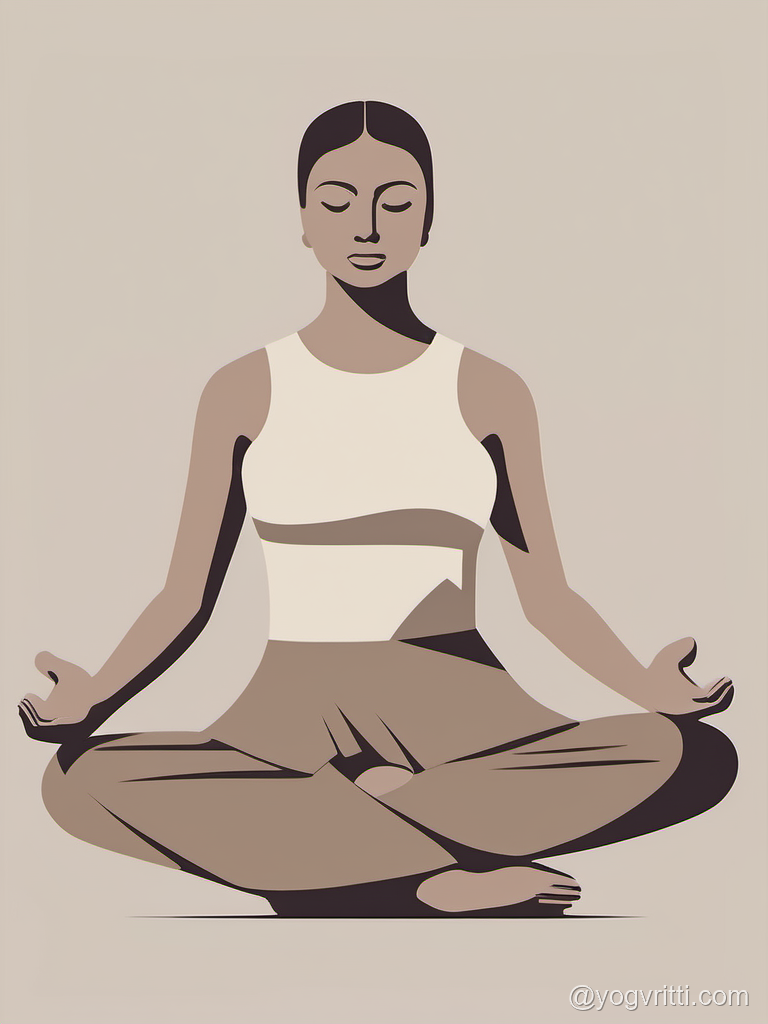
Sukhasana, or Easy Pose, is a foundational seated posture that gently grounds the body and calms the mind, preparing the practitioner for deeper internal work. It encourages a natural lengthening of the spine, fostering an upright yet relaxed posture by engaging the core while releasing tension in the hips and inner thighs. This pose cultivates a sense of stability and inner spaciousness, allowing the breath to flow more freely and the mind to settle into a meditative state. For any teacher, understanding Sukhasana's subtle mechanics is key to unlocking its profound benefits for posture, breath, and mental clarity, ultimately supporting a deeper connection to the inner self.
Easy Pose, also called Sukhasana is a classical yoga posture in the Iyengar tradition. In this posture, the body grounds through the sit bones while the spine rises tall. The posture works to release tension in the hips, stabilise the ankles and strengthen and extend the back. Improves posture. Opens the hips. Suitable for beginners and regular practitioners alike, it is an excellent warm-up, particularly beneficial for seniors and prenatal. A blanket and block can be used to make the posture more accessible and support correct alignment. Practitioners with hip injury and knee injury should approach with care or consult a qualified teacher.
Muscles Worked
Hip External Rotators
e.g., Piriformis, Obturator Internus/Externus, Gemelli
These deep muscles, nestled around the hip joint, are gently elongated as the knees drop open and the shins cross.
This sustained, mild stretch encourages a release of chronic tension often held from prolonged sitting or standing.
Anatomically, it increases the range of motion in external rotation, which can alleviate tightness that contributes to lower back discomfort.
Energetically, releasing these deep hip muscles often corresponds to a feeling of emotional release and greater freedom in the pelvic region, allowing apana vayu to settle.
Adductors
Adductor longus, brevis, magnus, gracilis, pectineus
The muscles running along the inside of your thighs (adductors) experience a gentle, sustained stretch in Sukhasana as the knees fall away from each other.
This passive lengthening helps to counteract the shortening that occurs from everyday activities like walking and sitting, improving hip mobility.
As these muscles soften, a feeling of openness spreads across the pelvis, allowing for a more stable and comfortable seat, which is crucial for prolonged meditation.
This release can also alleviate inner knee tension, promoting ease in the lower limbs.
Spinal Erectors
Erector Spinae
These muscles run along the entire length of your spine, working to keep you upright against gravity.
In Sukhasana, with proper alignment, they are engaged in a subtle, isometric way to maintain the natural curves of the spine without strain.
This gentle activation strengthens the postural muscles over time, improving one's ability to sit tall effortlessly and fostering a sense of dignity and alertness in the posture.
It is through this balanced engagement that the spine feels both supported and free, allowing prana to flow unimpeded along the central axis.
Hamstrings
Biceps Femoris, Semitendinosus, Semimembranosus
While not the primary focus, the muscles at the back of the thighs (hamstrings) receive a mild, passive lengthening, particularly if the hips are tight and the pelvis tends to tilt backward.
By elevating the hips on a blanket or block, the knees can drop below the hips, which reduces the pull on the hamstrings and allows the pelvis to tilt forward naturally.
This subtle release helps to create a more stable foundation for the pelvic bowl, preventing rounding of the lower back and promoting a sense of ease in the lower body, fostering greater comfort for meditation.
Joints Mobilized
Hip Joints
mobilizingThe ball-and-socket joints of the hips (acetabulofemoral joints) are gently mobilized in external rotation and abduction as the legs cross and the knees drop.
This passive movement encourages synovial fluid production, lubricating the joint surfaces and improving their overall health and range of motion.
Over time, regular practice in Sukhasana can reduce stiffness and increase the suppleness of the hips, making everyday movements and deeper seated poses more accessible, contributing to a feeling of lightness in the lower body.
Knee Joints
mobilizingIn Sukhasana, the knees (tibiofemoral and patellofemoral joints) are held in a flexed position, but ideally with minimal pressure if the hips are sufficiently open and elevated.
The focus is on ensuring the knees are lower than the hips, preventing undue strain on the ligaments and menisci.
This gentle, non-weight-bearing flexion helps to maintain flexibility without compression, fostering a feeling of ease rather than tension in the knee joint.
Proper support ensures the knees remain healthy and pain-free for prolonged sitting.
Ankle Joints
mobilizingThe ankles (talocrural and subtalar joints) are in a dorsiflexed and slightly everted position, with the outer edges of the feet resting on the mat or supporting props.
This mild stretch helps to maintain flexibility in the ankle joint and the surrounding soft tissues, counteracting stiffness from wearing shoes or prolonged standing.
The subtle mobilization encourages healthy circulation and a sense of groundedness through the feet, connecting the practitioner more fully to their base.
Spinal Column
decompressingThe individual vertebrae of the spine (vertebral joints) are encouraged to stack naturally, promoting the spine's three natural curves: cervical lordosis, thoracic kyphosis, and lumbar lordosis.
This gentle alignment creates space between the vertebral bodies, reducing compression and allowing the spinal nerves to function optimally.
A well-aligned spine in Sukhasana fosters a sense of lightness and alertness, enabling the 'sushumna nadi' — the central energy channel — to remain open and clear, supporting the flow of prana.
Organ & System Benefits
Abdominal Organs
In Sukhasana, with the spine lengthened and the chest lifted, there is ample space for the abdominal organs (including those of the digestive system) to rest comfortably without compression.
This gentle, unconstricted state allows for improved circulation to the digestive organs, supporting their natural functions.
The pose does not actively stimulate digestion but rather creates an optimal environment for it, subtly enhancing the flow of 'samana vayu' — the balancing energy responsible for assimilation and inner fire.
Respiratory System
By establishing an upright posture, the rib cage is naturally lifted, and the diaphragm has full freedom to move through its complete range of motion.
This allows for deeper, fuller breaths, maximizing lung capacity and promoting efficient gas exchange within the lungs.
The spaciousness created in the torso facilitates a calm and even breath, which is fundamental for both physical vitality and mental tranquility, allowing prana to be drawn in more effectively.
Nervous System
The gentle, stable posture of Sukhasana immediately signals safety to the nervous system, initiating a shift from the sympathetic (fight-or-flight) to the parasympathetic (rest-and-digest) response.
This is often felt as a pervasive sense of calm, a slowing of the heart rate, and a softening of the facial muscles.
The steady, diaphragmatic breathing that naturally arises in this position directly stimulates the vagus nerve, further deepening relaxation and reducing overall physiological stress.
This conscious cultivation of stillness helps to quiet 'chitta vritti' – the fluctuations of the mind – bringing a profound sense of inner peace and presence.
By creating a grounded and upright physical container, Sukhasana helps to channel and contain the energetic flow, or prana, within the body.
This containment reduces energetic scatter, leading to a more focused and settled internal state.
The sense of stability helps to alleviate anxiety and restlessness, fostering a feeling of being centered and secure, which is essential for deeper meditative practices.
Mental & Emotional
Sukhasana cultivates a profound sense of inner stability and mental clarity, providing a grounded foundation for introspection.
By consciously creating an upright and balanced physical form, the mind often mirrors this stability, becoming less agitated and more focused.
This physical stillness supports the practice of 'pratyahara' – the withdrawal of the senses – allowing the practitioner to turn their awareness inward.
For teachers, understanding this connection empowers them to guide students not just into a pose, but into a state of quietude and self-awareness, fostering a deeper connection to their inner wisdom.
The simple act of sitting upright with ease in Sukhasana can build a quiet confidence and self-possession.
It encourages a mindful presence, where one can observe thoughts and emotions without being carried away by them.
This cultivation of 'dharana' – concentrated attention – is a vital step towards meditation, teaching the mind to remain steady and alert, ready for deeper states of awareness and inner exploration.
Because of Its Shape
seated
A seated posture like Sukhasana provides a stable, grounded base, connecting the practitioner firmly to the earth through the sit bones and crossed legs.
This physical rootedness helps to calm the nervous system and anchor the mind, making it an ideal position for meditation and breathwork.
Energetically, it activates the Muladhara (root) chakra, fostering a sense of security and stability in one's being, which is paramount for inner growth.
Sukhasana gently encourages external rotation and abduction in the hip joints, releasing tension in the deep hip flexors and rotators, making it a foundational hip opener.
This gradual opening improves mobility and range of motion in the pelvis, which can alleviate lower back pain and improve overall spinal alignment.
In yogic philosophy, the hips are often considered a storage place for emotional tension, and their gentle release can lead to a feeling of emotional lightness and freedom, allowing stagnant energy to disperse.
Fascial Lines
The fascial network, a continuous web of connective tissue enveloping every muscle, organ, and bone, receives a subtle yet profound release in Sukhasana.
Specifically, the deep transverse fascial lines around the pelvis and inner thighs, as well as the superficial back line of the legs, are gently elongated and hydrated.
This patient unwinding of the fascial matrix helps to release chronic restrictions, improving tissue hydration and reducing stiffness throughout the lower body and pelvis.
From a yogic perspective, this opening of the fascial channels is akin to clearing energetic pathways, allowing 'prana' to flow more freely and unimpeded, enhancing overall vitality.
Breathing & Respiratory
In Sukhasana, the upright and spacious alignment of the torso naturally invites a deeper, more expansive breath, particularly into the lower lobes of the lungs.
The lifted chest and relaxed abdomen allow the diaphragm to descend fully on inhalation and ascend completely on exhalation, facilitating optimal lung capacity and efficient gas exchange.
This stable and open posture is ideal for initiating pranayama practices like Ujjayi or Anuloma Viloma, as the body is poised for sustained, rhythmic breathing, which directly calms the mind and balances the subtle energies, preparing for meditative states.
Anatomical Caution
Teachers should always ensure students with knee or ankle discomfort elevate their hips significantly on blankets or a block, making sure the knees are lower than the hips.
If there's still strain, advise placing folded blankets or blocks directly under the knees for support, or suggesting an alternative seated position like Virasana or Dandasana.
The goal is comfort and ease in the joints, never pain or compression, to preserve their long-term health and ensure a beneficial practice.