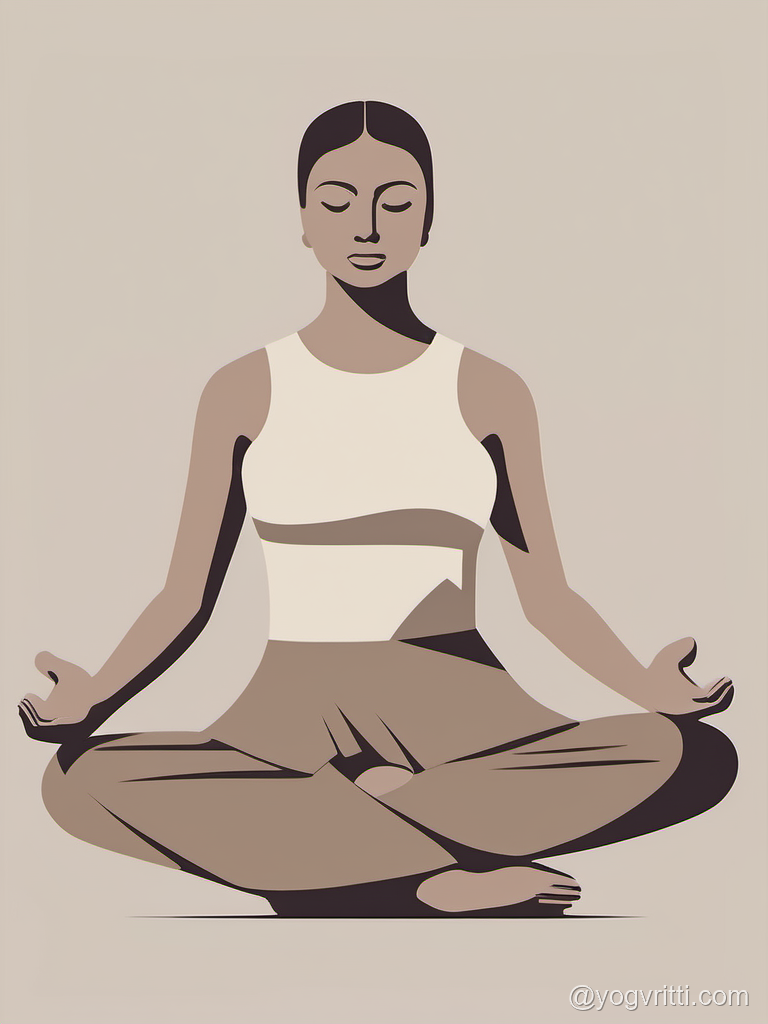
 Beginnerseated
Easy Pose
Easy Pose · सुखासन
Also known as: Sukhasana · Cross-Legged Seated Pose · Simple Seat
Easy Pose, also called Sukhasana is a classical yoga posture in the Iyengar tradition. In this posture, the body grounds through the sit bones while the spine rises tall. The posture works to release tension in the hips, stabilise the ankles and strengthen and extend the back. Improves posture. Opens the hips. Suitable for beginners and regular practitioners alike, it is an excellent warm-up, particularly beneficial for seniors and prenatal. A blanket and block can be used to make the posture more accessible and support correct alignment. Practitioners with hip injury and knee injury should approach with care or consult a qualified teacher.
Anatomy Involved
Benefits
Hip External Rotators(lengthening)
These deep muscles, nestled around the hip joint, are gently elongated as the knees drop open and the shins cross. This sustained, mild stretch encourages a release of chronic tension often held from prolonged sitting or standing. Anatomically, it increases the range of motion in external rotation, which can alleviate tightness that contributes to lower back discomfort. Energetically, releasing these deep hip muscles often corresponds to a feeling of emotional release and greater freedom in the pelvic region, allowing apana vayu to settle.
Adductors(lengthening)
The muscles running along the inside of your thighs (adductors) experience a gentle, sustained stretch in Sukhasana as the knees fall away from each other. This passive lengthening helps to counteract the shortening that occurs from everyday activities like walking and sitting, improving hip mobility. As these muscles soften, a feeling of openness spreads across the pelvis, allowing for a more stable and comfortable seat, which is crucial for prolonged meditation. This release can also alleviate inner knee tension, promoting ease in the lower limbs.
Spinal Erectors(stabilizing)
These muscles run along the entire length of your spine, working to keep you upright against gravity. In Sukhasana, with proper alignment, they are engaged in a subtle, isometric way to maintain the natural curves of the spine without strain. This gentle activation strengthens the postural muscles over time, improving one's ability to sit tall effortlessly and fostering a sense of dignity and alertness in the posture. It is through this balanced engagement that the spine feels both supported and free, allowing prana to flow unimpeded along the central axis.
- Full anatomical benefits — muscles, joints, organs →
Avoid If
Knee Injury
Deep flexion or rotation at the knee can strain ligaments, meniscus, or cartilage, especially in a compromised joint.
Sit on a folded blanket to reduce the angle of knee flexion; never force the knee into Lotus without full range of motion.
Hip Injury
Deep hip flexion, external rotation, or weight-bearing can aggravate labral tears, impingement, or bursitis.
Sit on a folded blanket or bolster to reduce the depth of hip flexion and external rotation.
Ankle Injury
Unstable or injured ankle joints can be overstressed by weight-bearing, extreme dorsiflexion, or plantar flexion.
Avoid full weight-bearing on the injured ankle; use a blanket for cushioning or switch to a seated alternative.
Sacroiliac Joint Pain
Uneven pelvic loading and twisting under load create shear forces at the sacroiliac joint, worsening instability.
Sit on a folded blanket to keep the pelvis neutral; avoid crossing the legs asymmetrically.
Props That Can Help
Optional supports — use when helpful, not required
Folded Blanket
Sit on a folded blanket to elevate the hips slightly above the knees, encouraging a natural lumbar curve and easing the forward tilt of the pelvis.
Yoga Block
Sit on a block to elevate the hips and tilt the pelvis forward, relieving strain on the lower back and making hip flexion easier.
Common Mistakes to Avoid
Teaching Cues
For yoga teachers — verbal cues to guide students
6 cues
Teaching Cues
For yoga teachers — verbal cues to guide students
- 1Sit on the front edge of your sitting bones
- 2Lengthen the spine upward on each inhalation
- 3Keep the chest lifted and shoulders relaxed
- 4Ground down through the sitting bones
- 5Maintain an elongated spine — avoid rounding the back
- 6Surrender the weight of the body to the props and the floor
Pose Details
Pose Type
Body Focus
Focus Areas
Best For
Yoga Styles
When to Practice
Position
Target Areas
Practice Flow
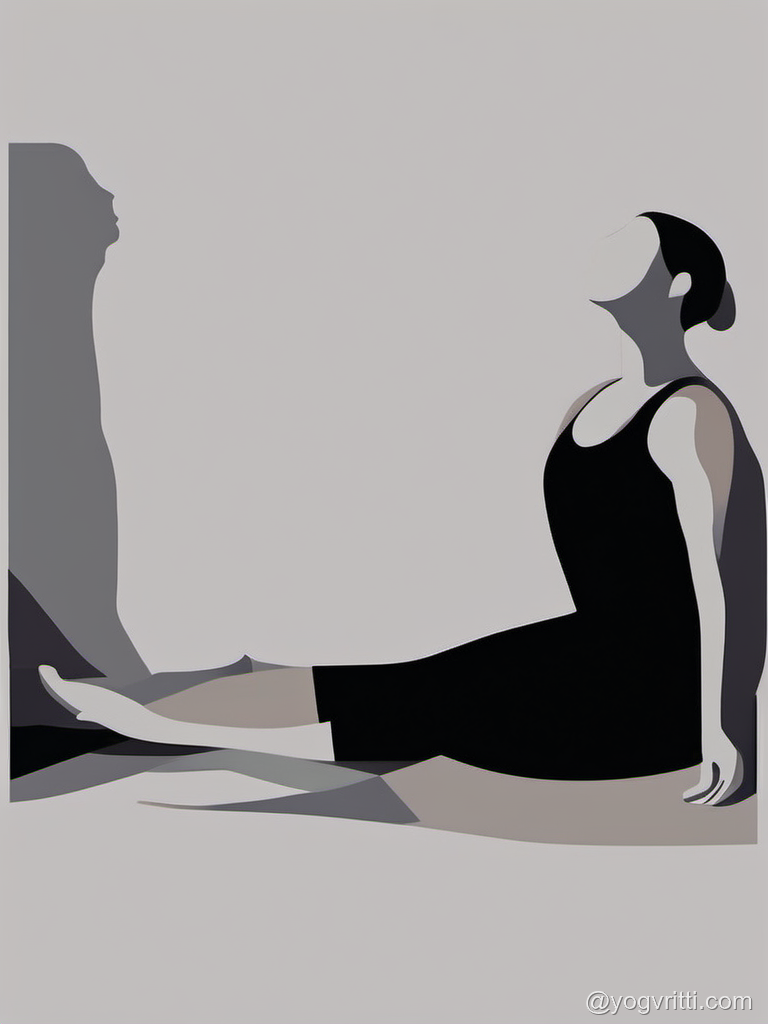
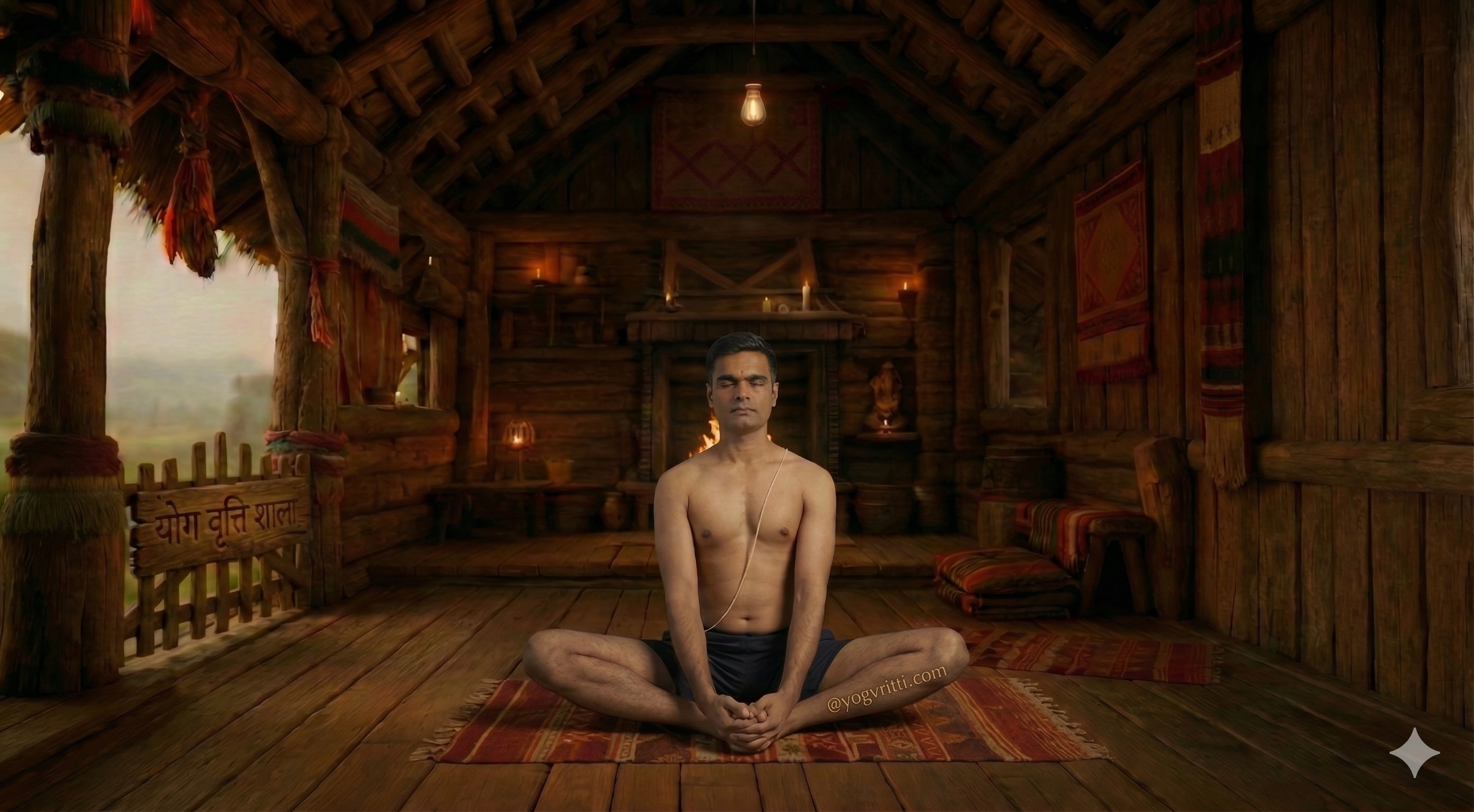
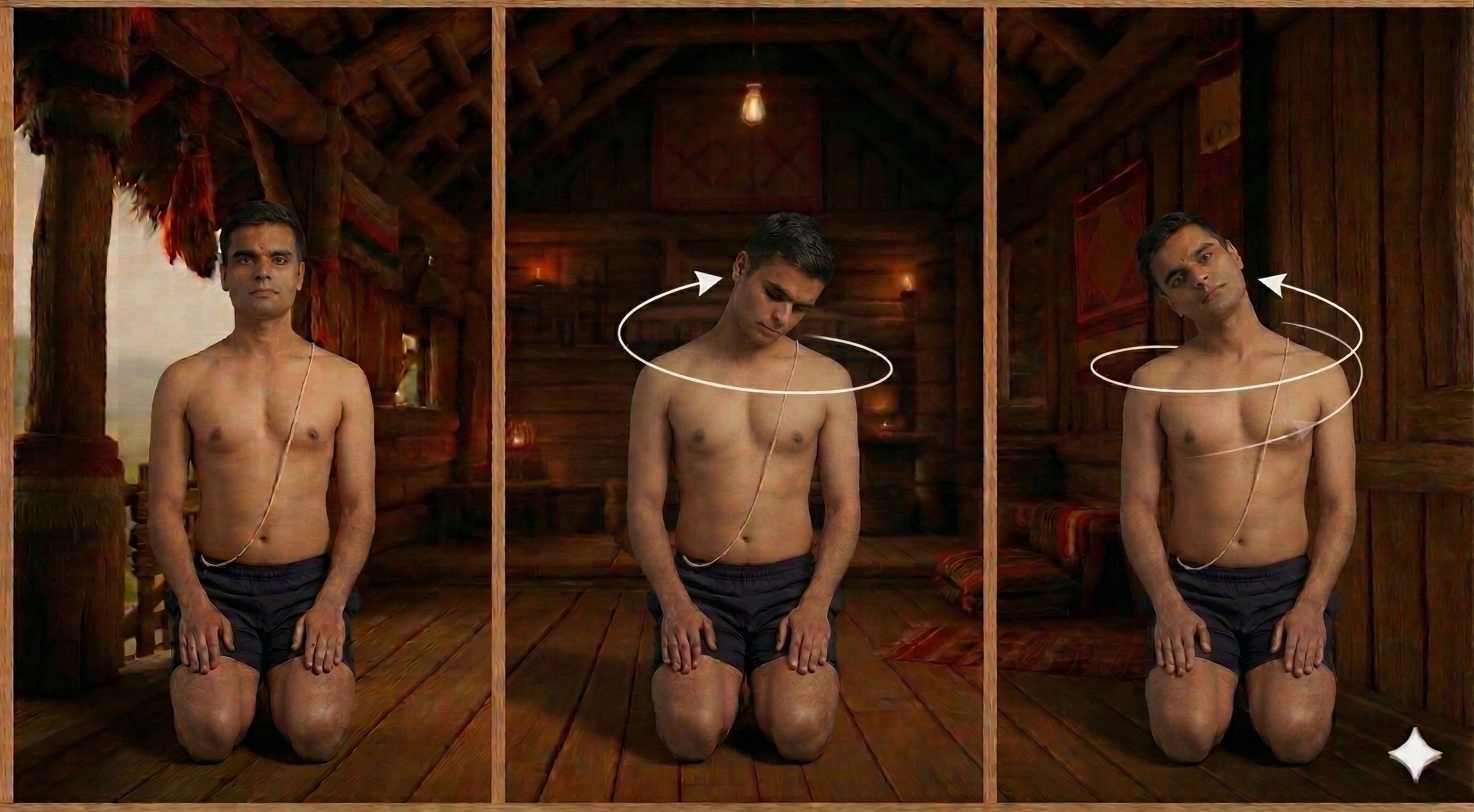
How to Practice
1. Begin seated on the floor in Dandasana (Staff Pose), legs extended in front of you.
2. Bend your right knee and draw your right foot towards your left groin, placing the foot under your left thigh.
3. Bend your left knee and draw your left foot towards your right groin, placing the foot under your right thigh.
4. Allow your knees to relax towards the floor.
5. Sit tall, lengthening your spine.
6 more steps remaining
Register free to see the complete instructions
Register Free to ContinueAlready registered? Login
Frequently Asked Questions
Common questions about Easy Pose
What is Easy Pose?
Easy Pose, also called Sukhasana is a classical yoga posture in the Iyengar tradition. In this posture, the body grounds through the sit bones while the spine rises tall. The posture works to release tension in the hips, stabilise the ankles and strengthen and extend the back. Improves posture. Opens the hips. Suitable for beginners and regular practitioners alike, it is an excellent warm-up, particularly beneficial for seniors and prenatal. A blanket and block can be used to make the posture more accessible and support correct alignment. Practitioners with hip injury and knee injury should approach with care or consult a qualified teacher.
What are the benefits of Easy Pose?
Calms the mind. Improves posture. Opens the hips. Lengthens the spine. Reduces stress and anxiety. Promotes relaxation.
Who should avoid Easy Pose?
Avoid this pose if you have: Knee injury, Hip injury, Ankle injury, Sacroiliac joint pain.
How many steps are in Easy Pose?
Easy Pose is practiced in 11 steps. Begin seated on the floor in Dandasana (Staff Pose), legs extended in front of you.
Is Easy Pose suitable for beginners?
Yes, Easy Pose is a beginner-friendly pose suitable for all levels.
What props are needed for Easy Pose?
You may use: blanket, block. Props make the pose more accessible and comfortable.
What poses should I do before Easy Pose?
Prepare with: Seated Tadasana, Baddha Konasana, Neck Rolls. These warm up the relevant muscles and joints.
Related Poses
Similar poses you might enjoy
Build Your Own Sequence
Combine Easy Pose with other poses