
Standing Forward Bend on Chair
Uttanasana on Chair · कुर्सी पर उत्तानासन
Also known as: Chair Forward Fold · Seated Forward Bend
Standing Forward Bend on Chair, also called Chair Forward Fold is a classical yoga posture. Its Sanskrit name Uttanasana on Chair translates word-for-word as: Ut (Intense) · Tana (Stretch) · Asana (Pose). Seated on the mat, the practitioner grounds through the sit bones while the spine rises tall. The posture works to lengthen the hamstrings and strengthen and extend the back. Calms the nervous system. Stretches the back body gently. It is particularly valued for developing greater flexibility and alleviating back discomfort. Suitable for beginners and regular practitioners alike, it is an excellent warm-up, particularly beneficial for seniors and beginners. A chair can be used to make the posture more accessible and support correct alignment. Practitioners with spinal injury and glaucoma should approach with care or consult a qualified teacher.
Anatomy Involved
Benefits
Hamstrings(lengthening)
While still the primary target for lengthening, the hamstrings in Uttanasana on Chair experience a different quality of stretch. With the pelvis directly supported by the chair, the gravitational pull that often limits the stretch in standing is mitigated, allowing for a more passive and potentially deeper release. This support can help practitioners access the stretch from the hip joint more effectively, reducing the tendency to round the lower back.
Erector Spinae(lengthening)
The Erector Spinae muscles, responsible for extending and maintaining the spine's upright posture, are still lengthening as the torso folds forward. However, the seated position removes the need for these muscles to work against gravity to stabilize the entire spinal column from the ground up. This allows for a more profound and sustained release along the entire back, encouraging a gentle decompression of the vertebral column without the compensatory tension often held in standing.
Gluteus Maximus(lengthening | releasing)
In this seated variation, the Gluteus Maximus is encouraged to release and lengthen as the hips flex deeply. The direct support of the sit bones on the chair allows these large muscles to relax more completely, as they are not required to stabilize the pelvis or hips dynamically in the same way as in the standing pose. This can facilitate a deeper and more passive opening in the hip joint, enhancing the overall release in the posterior chain.
- Full anatomical benefits — muscles, joints, organs →
Avoid If
Back Injury / Back Pain
Spinal flexion, extension, or rotation under load can compress vertebral discs or strain the paraspinal muscles.
Bend both knees generously, hinge from the hips rather than rounding the spine, and rest hands on blocks or thighs.
Vertigo / Dizziness
Rapid head movements and changes in head position can trigger dizziness and increase the risk of losing balance.
Bend the knees and lower slowly; pause before returning to upright to allow the inner ear to adjust.
Detached Retina / Eye Conditions
Increased head pressure from inversions or vigorous effort can place strain on a fragile or recently repaired retina.
Keep the head elevated above the heart; practise with hands on thighs or blocks.
Props That Can Help
Optional supports — use when helpful, not required
Chair
Rest forearms on the seat of a chair in a standing forward fold to keep the head above the heart — helpful for high blood pressure or tight hamstrings.
Common Mistakes to Avoid
Teaching Cues
For yoga teachers — verbal cues to guide students
6 cues
Teaching Cues
For yoga teachers — verbal cues to guide students
- 1Sit on the front edge of your sitting bones
- 2Lengthen the spine upward on each inhalation
- 3Keep the chest lifted and shoulders relaxed
- 4Ground down through the sitting bones
- 5Maintain an elongated spine — avoid rounding the back
- 6Hinge from the hips, leading with the chest
Pose Details
Helps With
Pose Type
Body Focus
Focus Areas
Best For
Yoga Styles
When to Practice
Position
Modify If You Have
hamstring injury
Bend knees deeply and do not go too deep into the forward bend.
back pain
Bend knees, keep the back flat, and avoid rounding.
glaucoma
Keep head higher, ensuring it does not drop below heart level.
hypertension
Keep head higher, ensuring it does not drop below heart level.
vertigo
Keep head higher, move slowly, and use a wall for balance.
Target Areas
Practice Flow
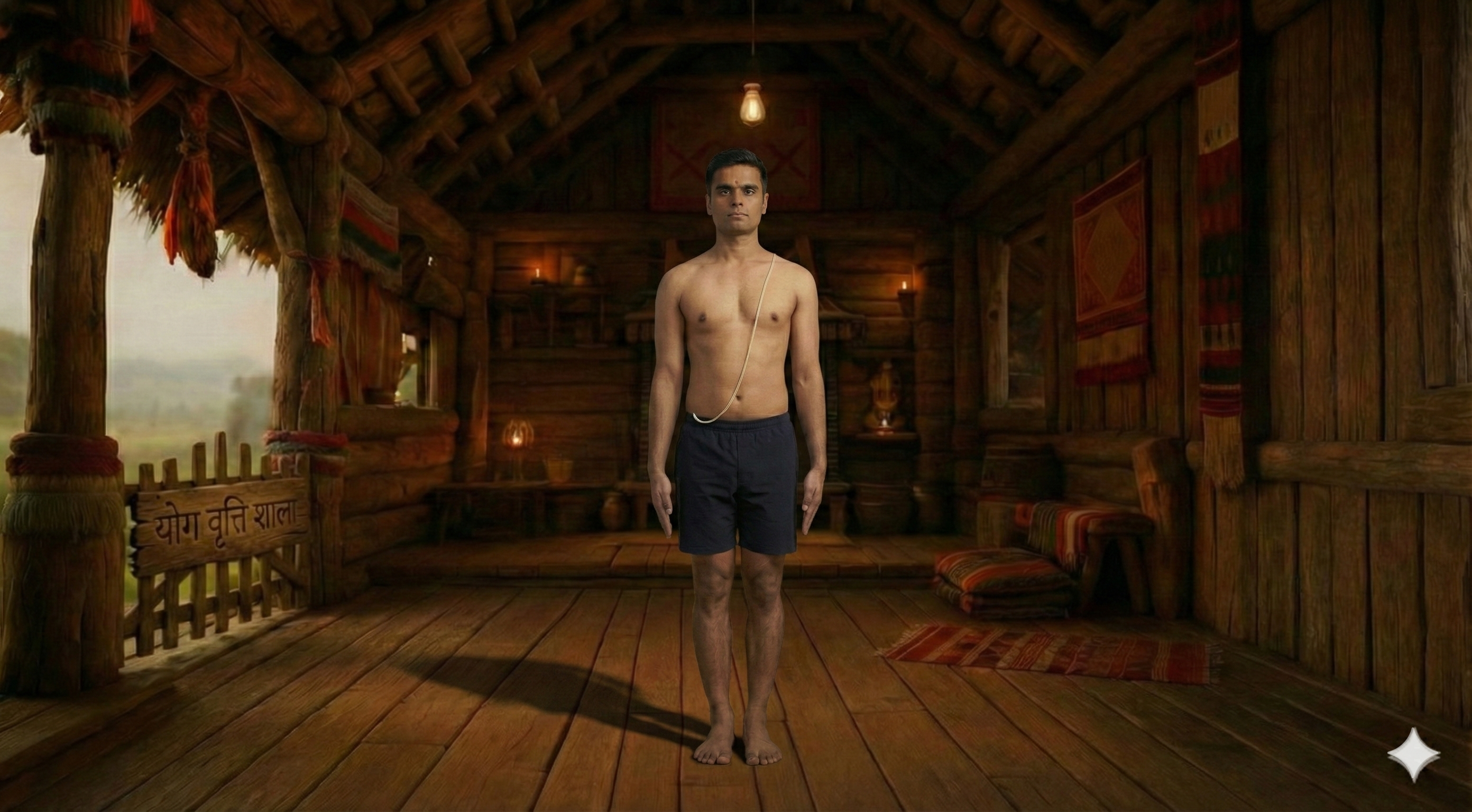

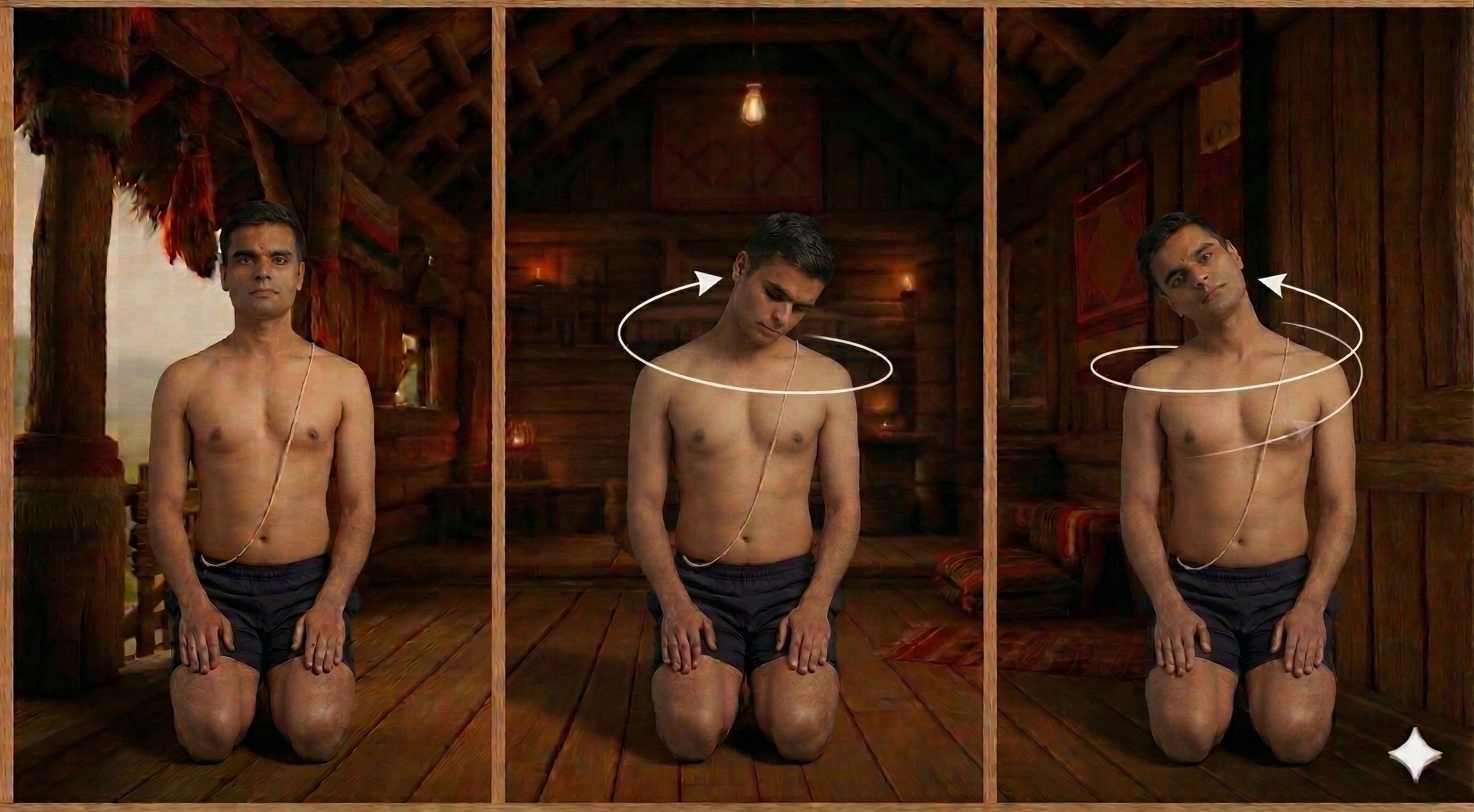
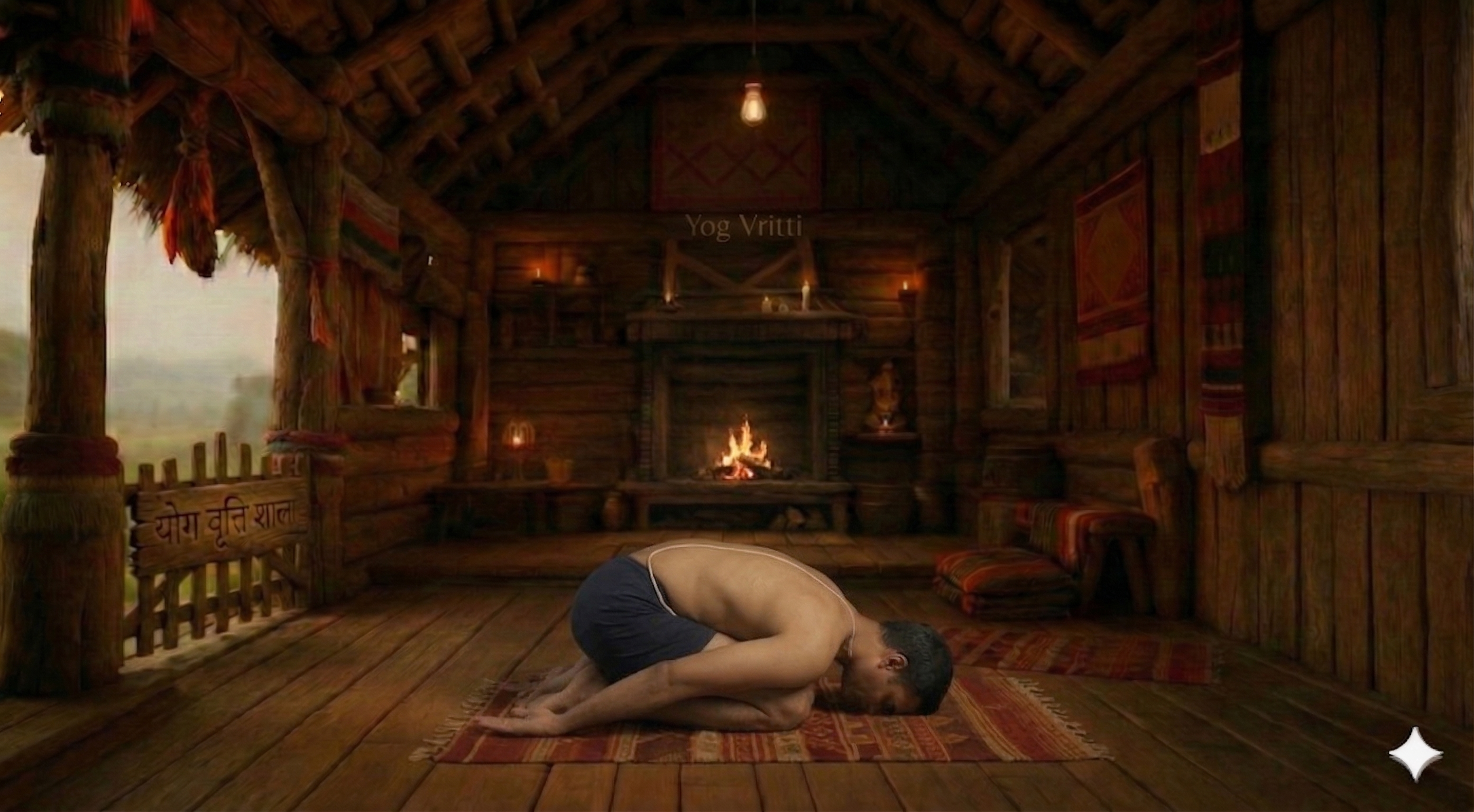
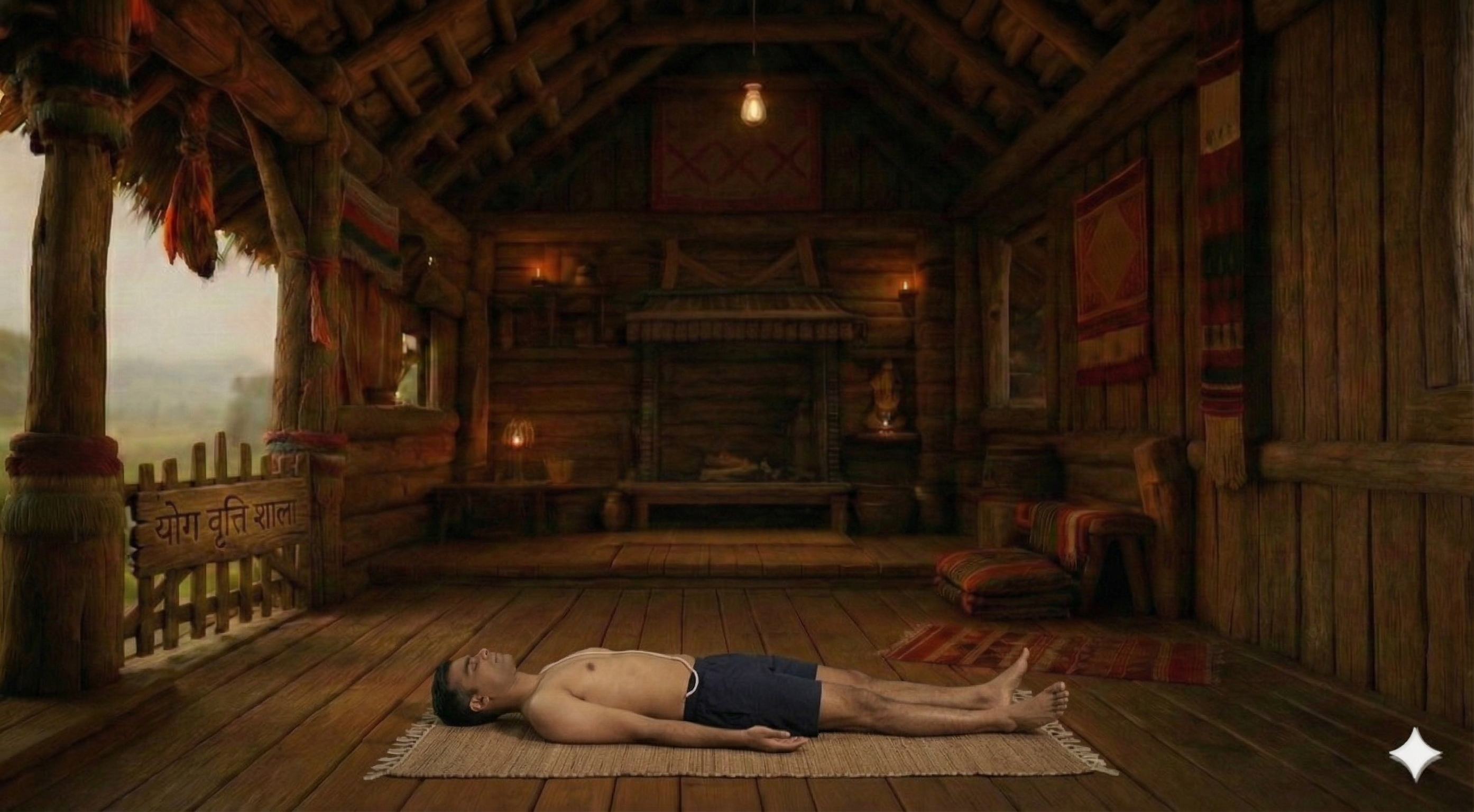
How to Practice
1. Sit on the edge of the chair with your feet flat on the floor.
2. Widen your legs slightly.
3. Inhale and lengthen your spine.
4. Exhale and slowly fold forward, bringing your chest towards your thighs.
5. Rest your hands on the floor or on your legs.
5 more steps remaining
Register free to see the complete instructions
Register Free to ContinueAlready registered? Login
Featured in Sequences
Practice Uttanasana on Chair as part of these guided sequences
Frequently Asked Questions
Common questions about Uttanasana on Chair
What is Standing Forward Bend on Chair?
Standing Forward Bend on Chair, also called Chair Forward Fold is a classical yoga posture. Its Sanskrit name Uttanasana on Chair translates word-for-word as: Ut (Intense) · Tana (Stretch) · Asana (Pose). Seated on the mat, the practitioner grounds through the sit bones while the spine rises tall. The posture works to lengthen the hamstrings and strengthen and extend the back. Calms the nervous system. Stretches the back body gently. It is particularly valued for developing greater flexibility and alleviating back discomfort. Suitable for beginners and regular practitioners alike, it is an excellent warm-up, particularly beneficial for seniors and beginners. A chair can be used to make the posture more accessible and support correct alignment. Practitioners with spinal injury and glaucoma should approach with care or consult a qualified teacher.
What are the benefits of Standing Forward Bend on Chair?
Forward fold benefits without standing. Calms the nervous system. Stretches the back body gently. Accessible for balance concerns. Relieves tension headaches.
Who should avoid Standing Forward Bend on Chair?
Avoid this pose if you have: Acute back injury, Vertigo, Eye conditions (avoid if head-down is contraindicated).
How many steps are in Standing Forward Bend on Chair?
Standing Forward Bend on Chair is practiced in 10 steps. Sit on the edge of the chair with your feet flat on the floor.
Is Standing Forward Bend on Chair suitable for beginners?
Yes, Standing Forward Bend on Chair is a beginner-friendly pose suitable for all levels.
What props are needed for Standing Forward Bend on Chair?
You may use: chair. Props make the pose more accessible and comfortable.
What conditions does Standing Forward Bend on Chair help with?
Standing Forward Bend on Chair is therapeutic for: flexibility, back pain, sciatica, migraine, anxiety.
What poses should I do before Standing Forward Bend on Chair?
Prepare with: Standing Forward Bend, Tadasana, Shoulder Rolls, Neck Rolls, Tadasana Variation: Heel Raises. These warm up the relevant muscles and joints.
Build Your Own Sequence
Combine Uttanasana on Chair with other poses