
Standing Forward Bend Head on Blocks
Uttanasana with Head on Blocks · उत्तानासन (सिर ब्लॉक पर)
Also known as: Supported Forward Fold
Standing Forward Bend Head on Blocks, also called Supported Forward Fold is a classical yoga posture. Its Sanskrit name Uttanasana with Head on Blocks translates word-for-word as: Ut (Intense) · Tana (Stretch) · Asana (Pose). From a standing position, the body roots firmly through the feet while the spine extends upward. The posture works to lengthen the hamstrings, release the lower back and release the neck. Relieves stress and anxiety. Calms the brain. It is particularly valued for developing greater flexibility and quieting an anxious mind. Suitable for beginners and regular practitioners alike, it is a calming cool-down, particularly beneficial for beginners and seniors. A block can be used to make the posture more accessible and support correct alignment. Practitioners with glaucoma and hypertension should approach with care or consult a qualified teacher.
Anatomy Involved
Benefits
Hamstrings(lengthening, releasing)
While still undergoing a profound lengthening, the hamstrings in this variation often experience a more passive, sustained release rather than an intense, active stretch. The support of the head encourages a softening throughout the entire posterior chain, allowing the deep belly of the hamstrings to gently unfurl without the added tension that can arise from an unsupported neck and an active effort to deepen the forward fold. This cultivates a sense of surrender, allowing gravity to work more subtly through the entire back line of the legs.
Erector Spinae(lengthening, releasing)
The erector spinae muscles, which work diligently in the root pose to support and lengthen the spine against gravity, find a unique opportunity for deep release here. With the head supported, the upper spinal erectors can soften significantly, allowing the entire musculature along the back of the torso to lengthen more passively and surrender to gravity. This reduces the need for active engagement to maintain spinal length, fostering a profound decompression and ease throughout the entire lower back and thoracic spine.
Calves(lengthening)
The muscles at the back of your lower legs (gastrocnemius and soleus, your calves) also receive a deep stretch, particularly if the heels are firmly grounded. This targeted action improves ankle flexibility and releases the often-overlooked tension stored from standing, walking, and even wearing restrictive footwear. Energetically, releasing tightness in the calves supports the upward flow of energy, prana vayu, preventing stagnation in the lower limbs and promoting a feeling of lightness and lift from the earth. Improved calf flexibility also subtly contributes to the overall length of the posterior chain.
- Full anatomical benefits — muscles, joints, organs →
Avoid If
Back Injury / Back Pain
Spinal flexion, extension, or rotation under load can compress vertebral discs or strain the paraspinal muscles.
Bend both knees generously, hinge from the hips rather than rounding the spine, and rest hands on blocks or thighs.
Glaucoma / Eye Pressure
Inverted and head-below-heart positions increase intraocular pressure, which can be harmful for those with elevated eye pressure.
Practise with hands on blocks and knees bent so the head remains above heart level.
High Blood Pressure
Vigorous effort and inverted positions temporarily raise blood pressure in the head, increasing strain on blood vessels.
Keep the head above the heart by bending the knees deeply and resting forearms on thighs rather than reaching to the floor.
Props That Can Help
Optional supports — use when helpful, not required
Yoga Block
Place blocks under the hands at any height to allow the spine to lengthen fully before attempting to reach the floor — prioritising posture over depth.
Common Mistakes to Avoid
Teaching Cues
For yoga teachers — verbal cues to guide students
7 cues
Teaching Cues
For yoga teachers — verbal cues to guide students
- 1Ground firmly through all four corners of both feet
- 2Engage the quadriceps by lifting the kneecaps
- 3Lengthen the spine from the tailbone to the crown of the head
- 4Draw the shoulder blades down and back
- 5Maintain steady, even breathing throughout
- 6Hinge from the hips, leading with the chest
- 7Surrender the weight of the body to the props and the floor
Pose Details
Helps With
Pose Type
Body Focus
Focus Areas
Best For
Yoga Styles
When to Practice
Position
Modify If You Have
back pain
Bend knees deeply, ensure spine is long, use enough blocks for support.
glaucoma
Ensure head is not below heart level, use more blocks to elevate head.
hypertension
Ensure head is not below heart level, use more blocks to elevate head.
Target Areas
Practice Flow
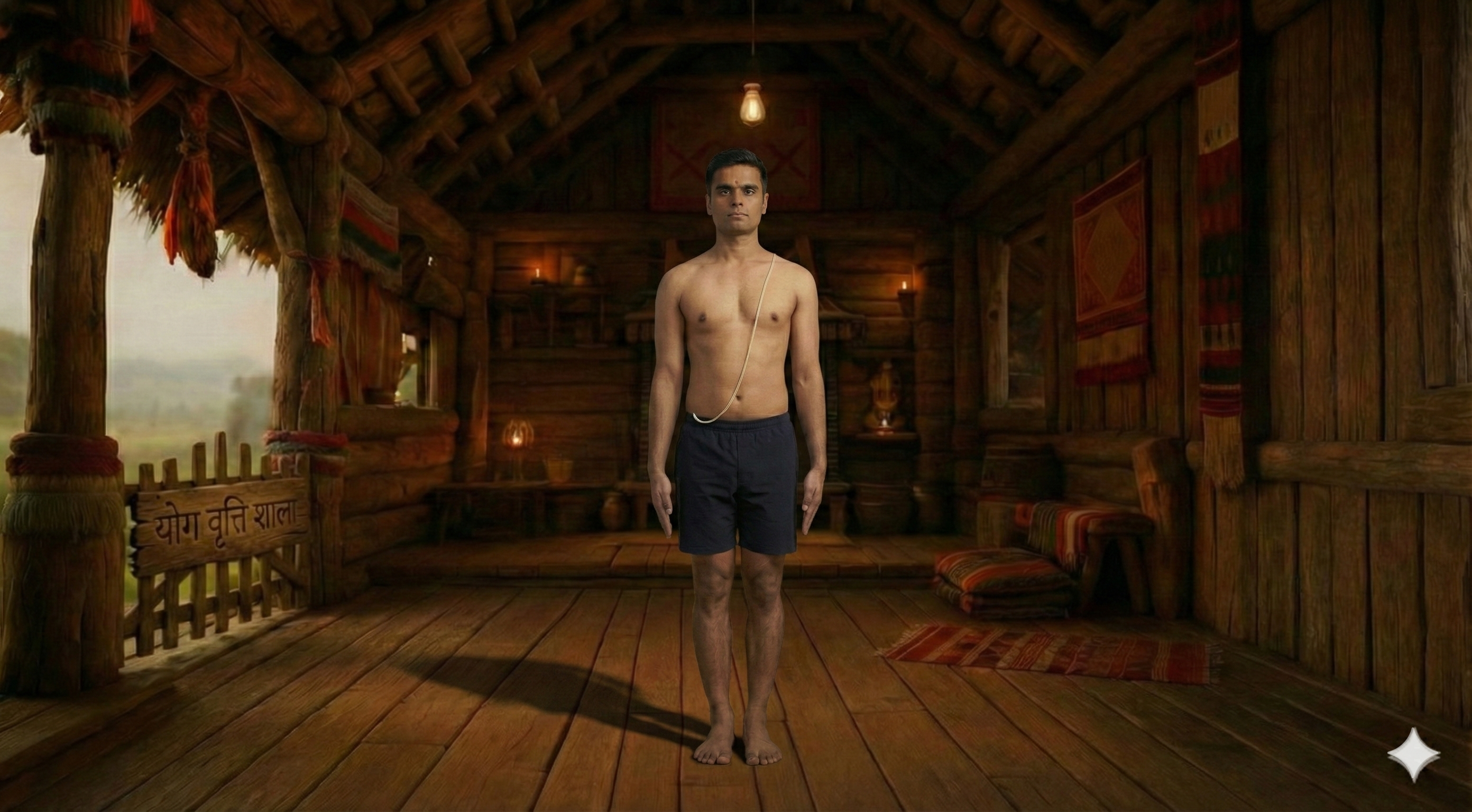

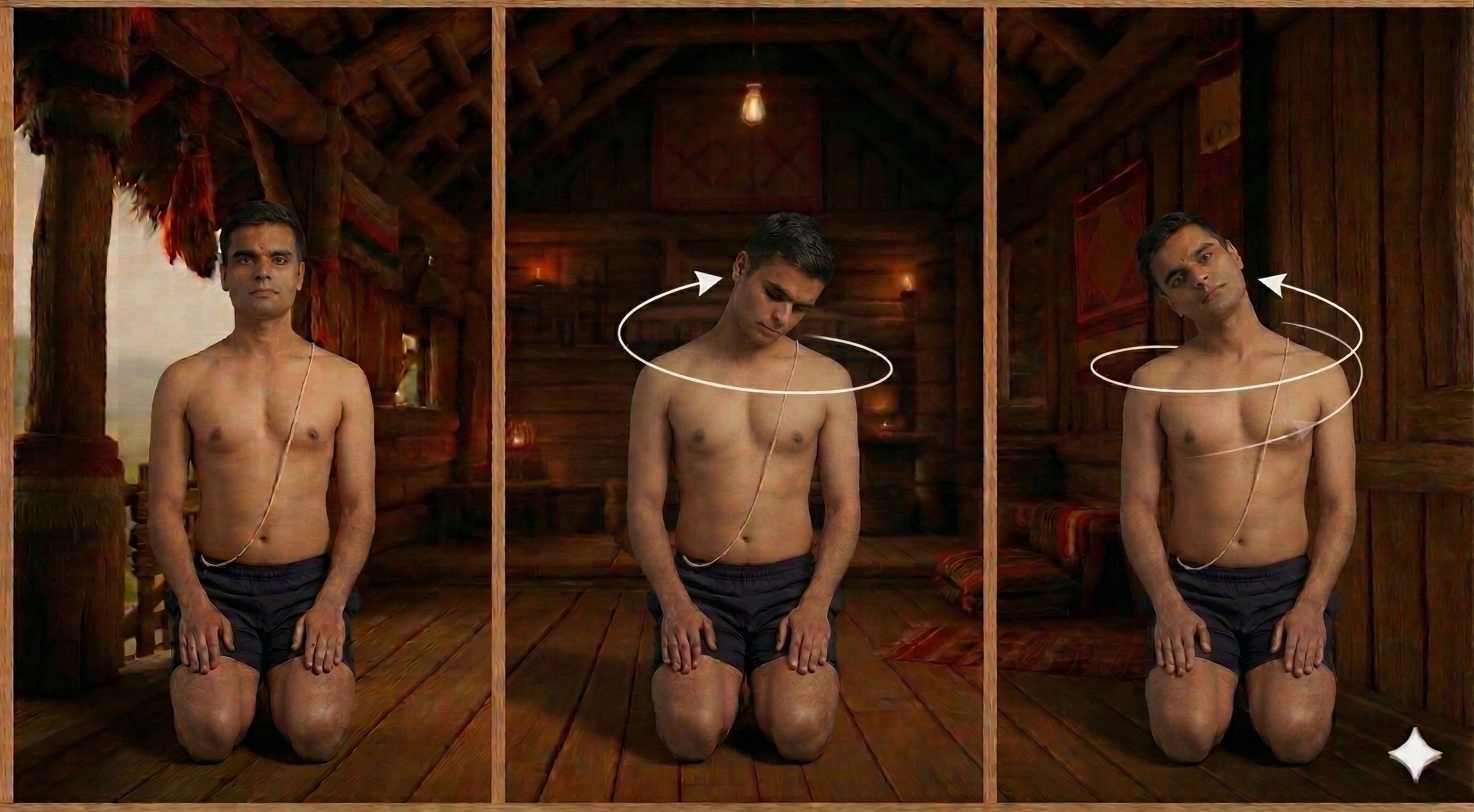
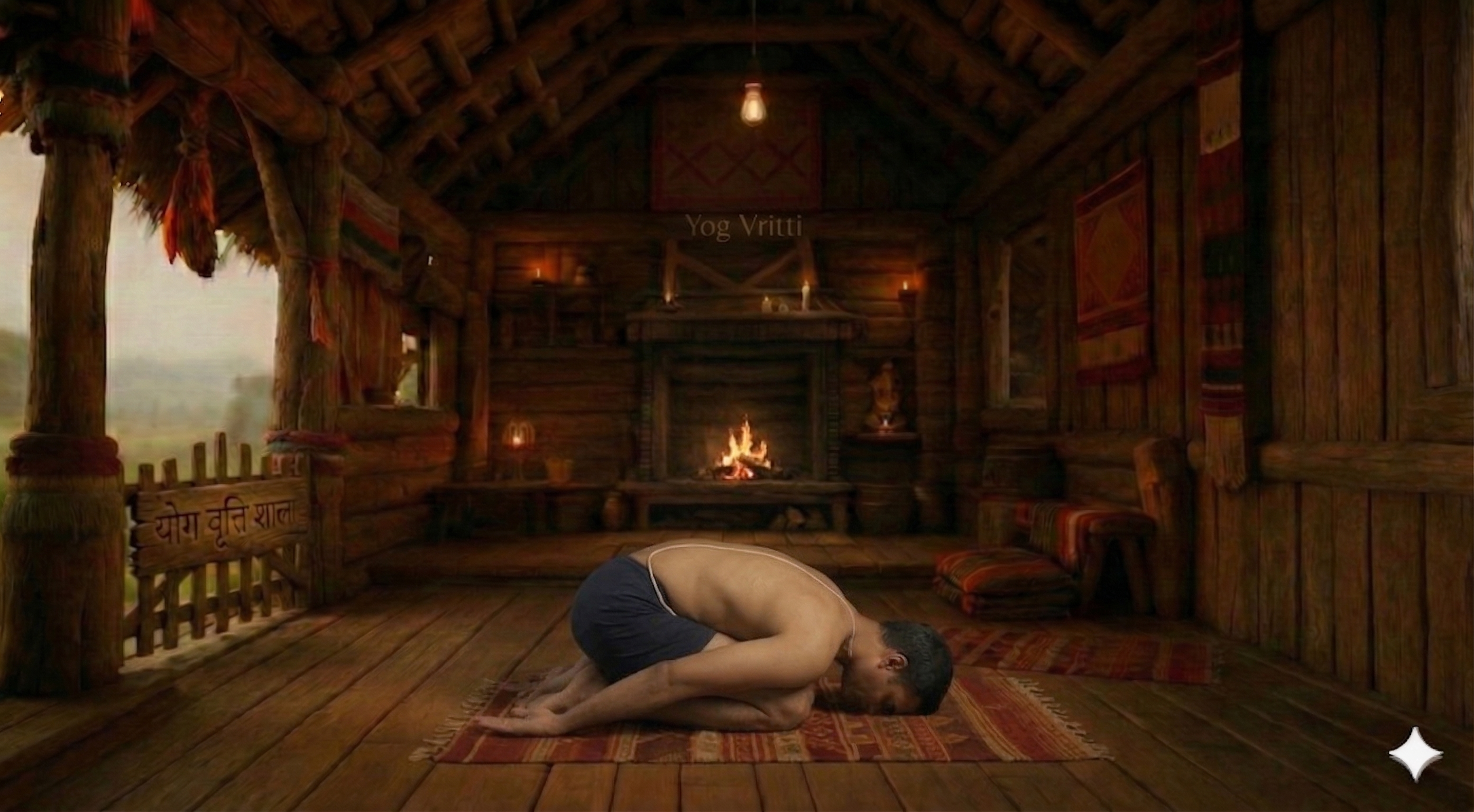
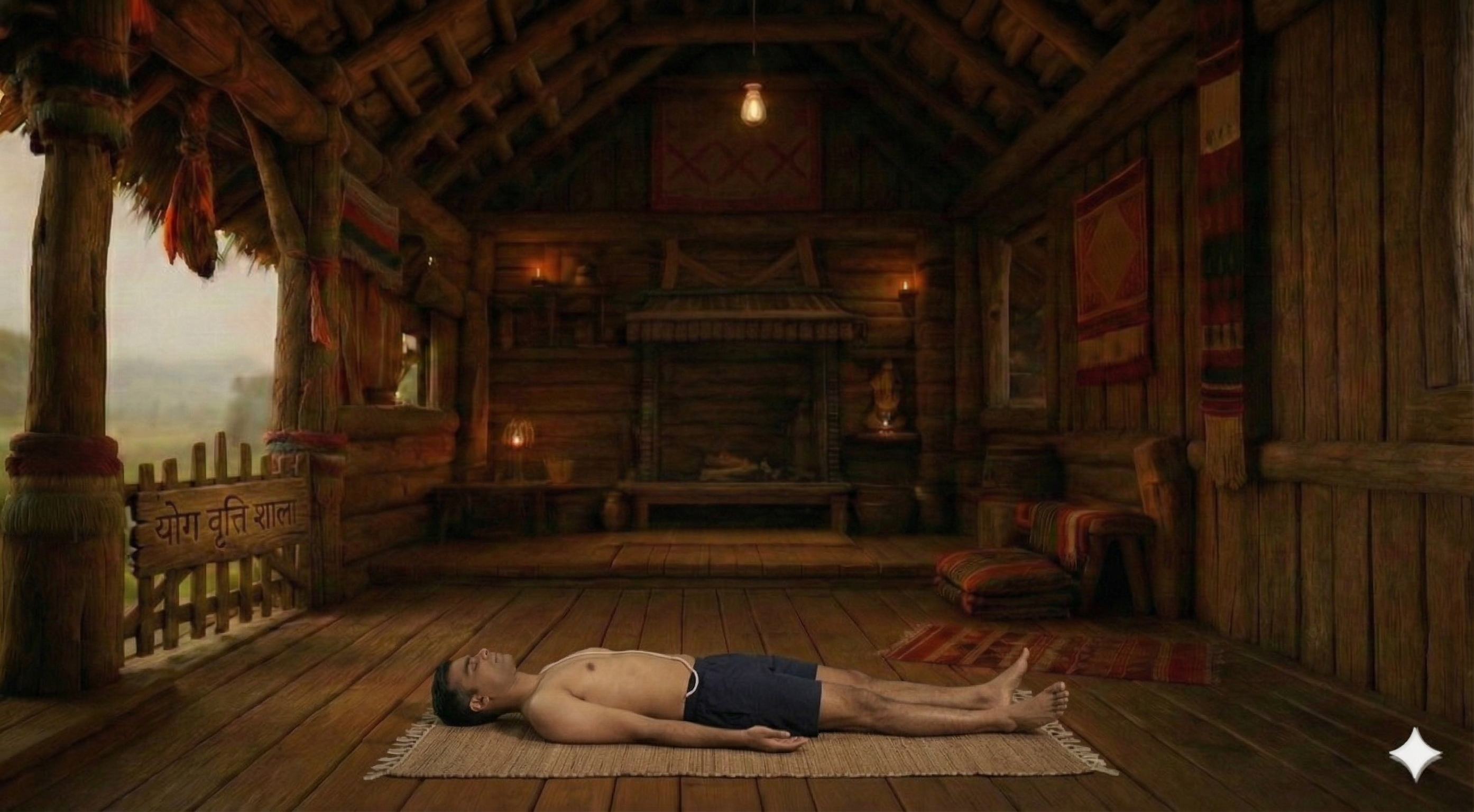
How to Practice
1. Stand in Tadasana, feet hip-width apart.
2. Place two blocks in front of your feet, shoulder-width apart.
3. Inhale deeply, and as you exhale, bend forward from your hip joints, keeping your back as straight as possible.
4. Maintain a long spine and engage your abdominal muscles.
5. Rest your forehead on the blocks. Adjust the height of the blocks so that your head can rest comfortably without straining your neck.
5 more steps remaining
Register free to see the complete instructions
Register Free to ContinueAlready registered? Login
Frequently Asked Questions
Common questions about Uttanasana with Head on Blocks
What is Standing Forward Bend Head on Blocks?
Standing Forward Bend Head on Blocks, also called Supported Forward Fold is a classical yoga posture. Its Sanskrit name Uttanasana with Head on Blocks translates word-for-word as: Ut (Intense) · Tana (Stretch) · Asana (Pose). From a standing position, the body roots firmly through the feet while the spine extends upward. The posture works to lengthen the hamstrings, release the lower back and release the neck. Relieves stress and anxiety. Calms the brain. It is particularly valued for developing greater flexibility and quieting an anxious mind. Suitable for beginners and regular practitioners alike, it is a calming cool-down, particularly beneficial for beginners and seniors. A block can be used to make the posture more accessible and support correct alignment. Practitioners with glaucoma and hypertension should approach with care or consult a qualified teacher.
What are the benefits of Standing Forward Bend Head on Blocks?
Stretches the hamstrings and lower back. Relieves stress and anxiety. Calms the brain. Reduces fatigue. Gently stretches the neck and shoulders.
Who should avoid Standing Forward Bend Head on Blocks?
Avoid this pose if you have: Back pain, Glaucoma, High blood pressure (use caution).
How many steps are in Standing Forward Bend Head on Blocks?
Standing Forward Bend Head on Blocks is practiced in 10 steps. Stand in Tadasana, feet hip-width apart.
Is Standing Forward Bend Head on Blocks suitable for beginners?
Yes, Standing Forward Bend Head on Blocks is a beginner-friendly pose suitable for all levels.
What props are needed for Standing Forward Bend Head on Blocks?
You may use: block. Props make the pose more accessible and comfortable.
What conditions does Standing Forward Bend Head on Blocks help with?
Standing Forward Bend Head on Blocks is therapeutic for: flexibility, anxiety, insomnia, back pain, neck pain.
What poses should I do before Standing Forward Bend Head on Blocks?
Prepare with: Standing Forward Bend, Tadasana, Shoulder Rolls, Neck Rolls, Tadasana Variation: Heel Raises. These warm up the relevant muscles and joints.
Build Your Own Sequence
Combine Uttanasana with Head on Blocks with other poses