Supported Seated Forward Bend
Supported Paschimottanasana (with bolster) · समर्थित पश्चिमोत्तानासन
Also known as: Bolster Forward Fold · Restorative Paschimottanasana
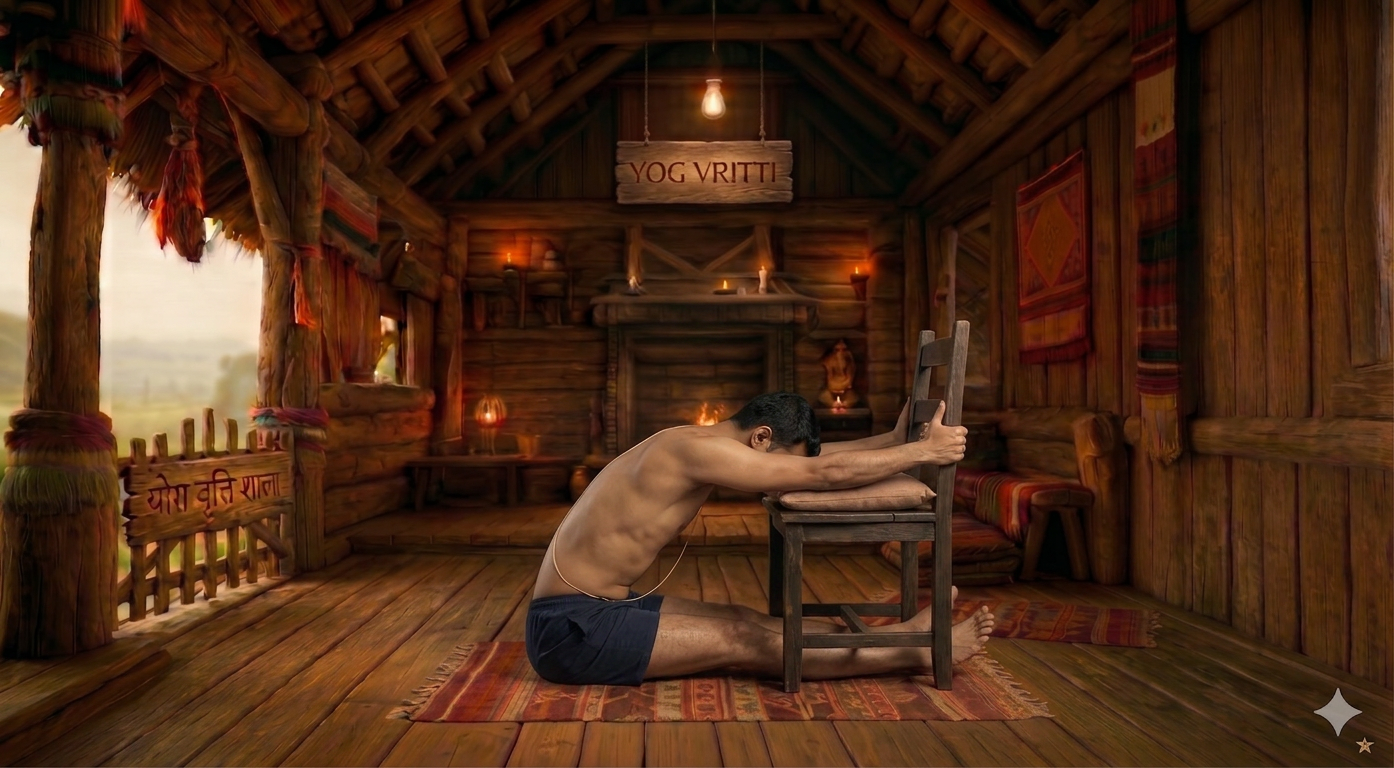
Supported Seated Forward Bend, also called Bolster Forward Fold is a classical yoga posture. Its Sanskrit name Supported Paschimottanasana (with bolster) translates word-for-word as: Paschima (West / Back) · Uttana (Intense Stretch) · Asana (Supported Pose). Seated on the mat, the practitioner grounds through the sit bones while the spine rises tall. The posture works to lengthen the hamstrings and strengthen and extend the back. Gently stretches the back body without strain. Calms the nervous system. It is particularly valued for developing greater flexibility and alleviating back discomfort. Suitable for beginners and regular practitioners alike, it is a calming cool-down, particularly beneficial for beginners and seniors. A bolster and blanket can be used to make the posture more accessible and support correct alignment. Practitioners with spinal injury and abdominal surgery should approach with care or consult a qualified teacher.
Anatomy Involved
Benefits
- Deep relaxation in a forward fold
- Gently stretches the back body without strain
- Calms the nervous system
- Therapeutic for anxiety and insomnia
- Accessible for tight hamstrings
- Full anatomical benefits — muscles, joints, organs →
Avoid If
Back Injury / Back Pain
Spinal flexion, extension, or rotation under load can compress vertebral discs or strain the paraspinal muscles.
Bend both knees generously, hinge from the hips rather than rounding the spine, and rest hands on blocks or thighs.
Diarrhea
Twisting and strong abdominal compression stimulate intestinal peristalsis, which can worsen diarrhoea.
Rest and allow the digestive system to recover; practise only very gentle, restorative postures.
Pregnancy
Deep twists, abdominal compression, and lying flat on the back can restrict blood flow or cause discomfort as pregnancy progresses.
Widen the feet to hip-width or more; fold to a 45-degree angle rather than full depth to avoid abdominal compression.
Props That Can Help
Optional supports — use when helpful, not required
Bolster
Rest the torso on a bolster in the fold for a completely supported, restorative version that releases the back body without effort.
Folded Blanket
Place a folded blanket under the sitting bones to ease the forward tilt of the pelvis and reduce strain at the hamstring attachment.
Yoga Strap
Loop a strap around the feet when the hands cannot reach — this maintains proper spinal length and prevents rounding the lower back to close the gap.
Common Mistakes to Avoid
Teaching Cues
For yoga teachers — verbal cues to guide students
7 cues
Teaching Cues
For yoga teachers — verbal cues to guide students
- 1Sit on the front edge of your sitting bones
- 2Lengthen the spine upward on each inhalation
- 3Keep the chest lifted and shoulders relaxed
- 4Ground down through the sitting bones
- 5Maintain an elongated spine — avoid rounding the back
- 6Hinge from the hips, leading with the chest
- 7Surrender the weight of the body to the props and the floor
Pose Details
Helps With
Pose Type
Body Focus
Focus Areas
Best For
Yoga Styles
When to Practice
Position
Modify If You Have
spinal injury
Use more bolsters to keep the spine long and avoid any rounding, or bend knees more.
hamstring injury
Bend knees significantly and place a rolled blanket under the knees.
back pain
Use plenty of bolster support to keep the back long and avoid rounding.
pregnancy
Widen legs, use bolsters between legs, and avoid deep compression of the abdomen.
glaucoma
Keep the head elevated above the heart using bolsters or a chair.
Target Areas
Practice Flow
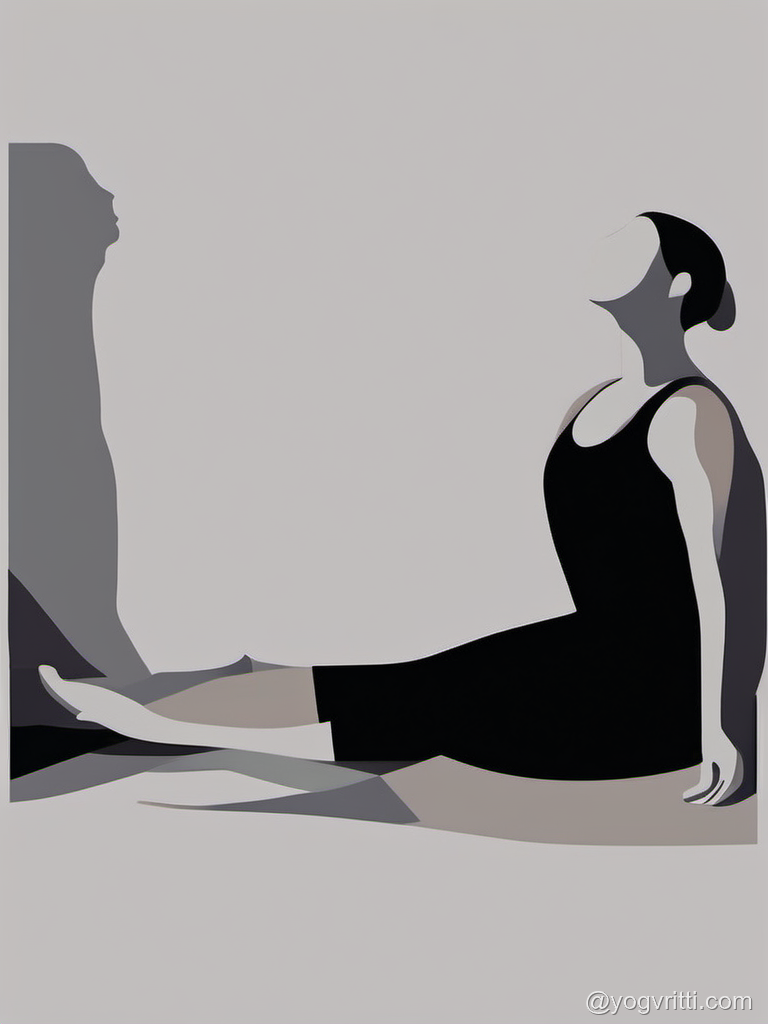
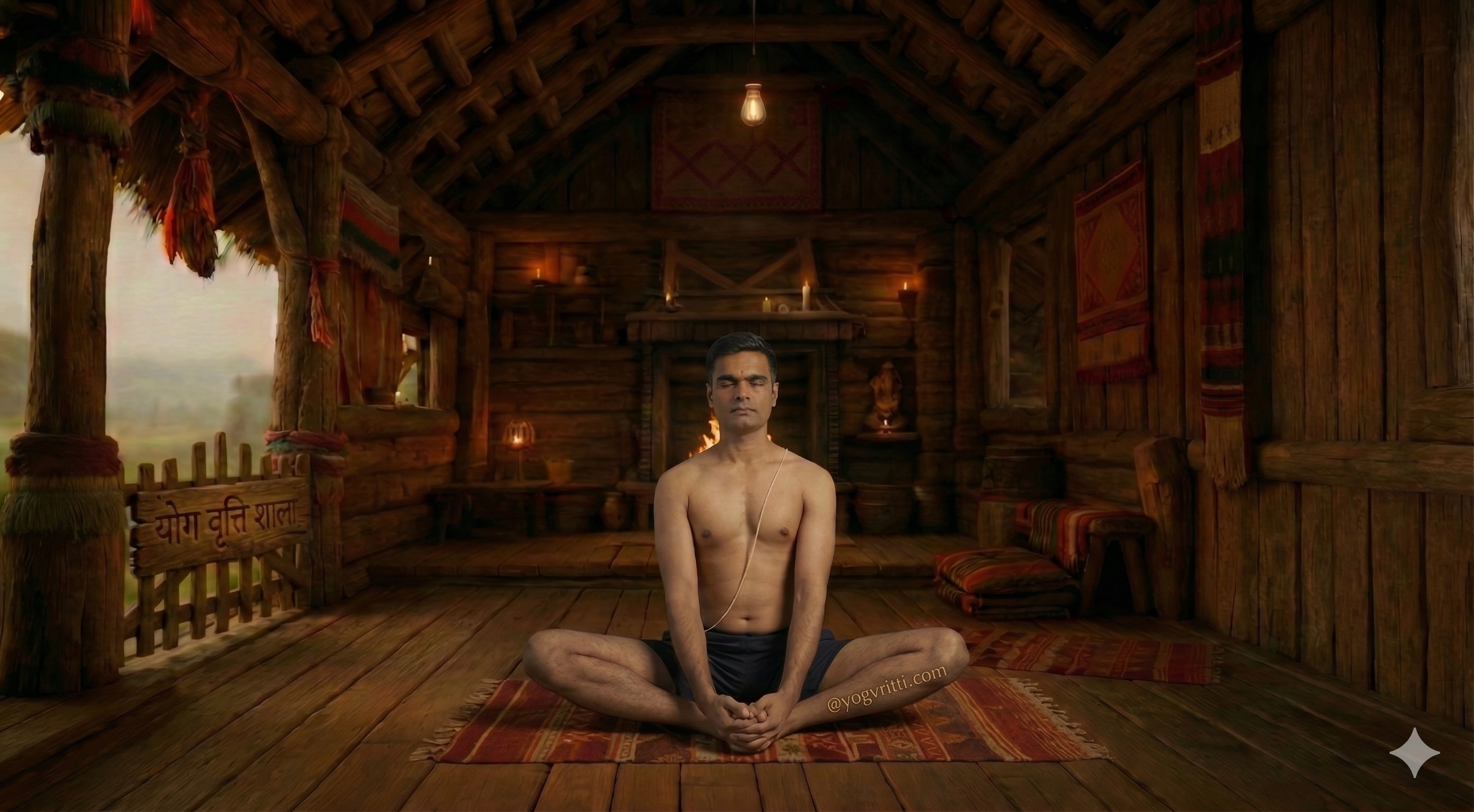
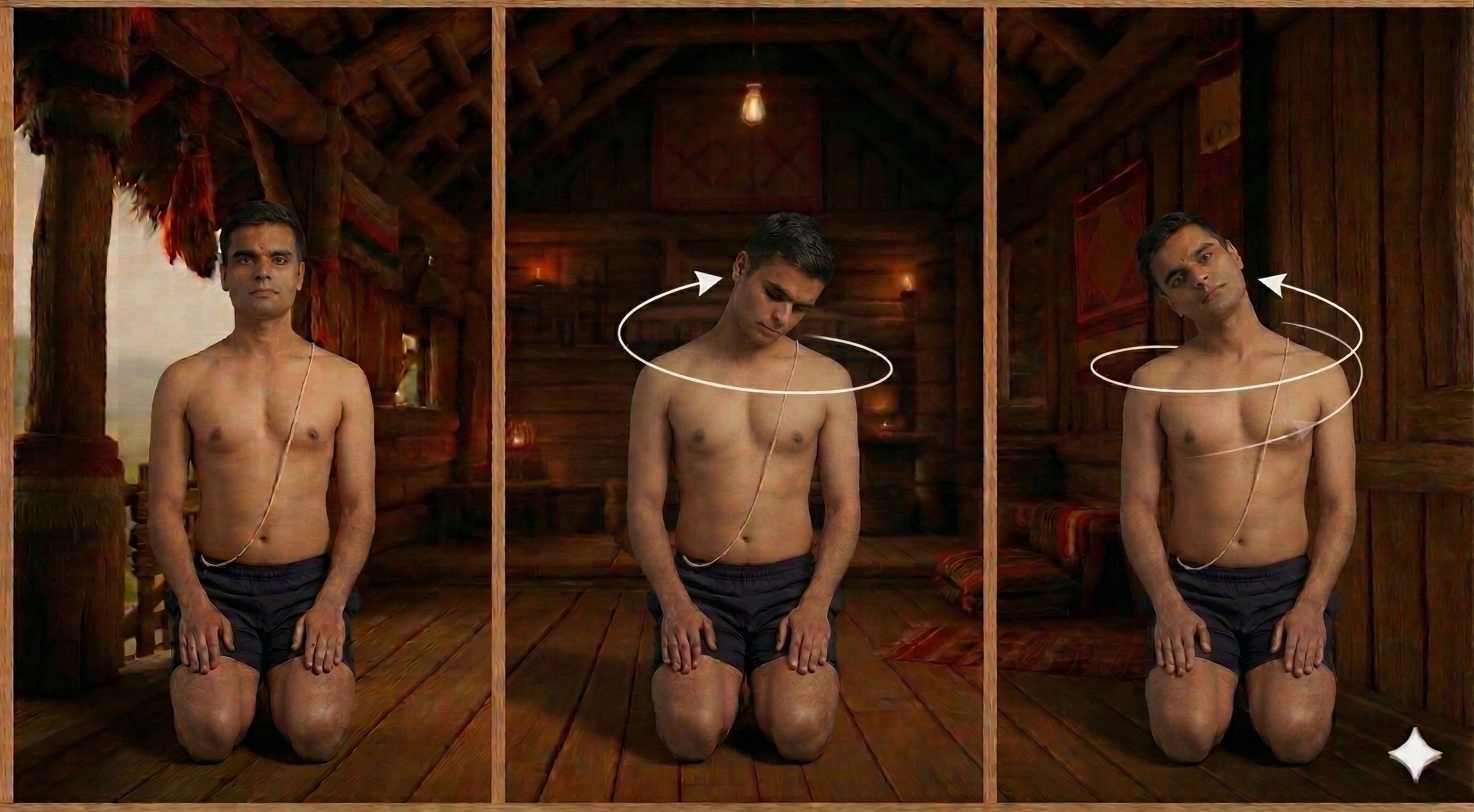
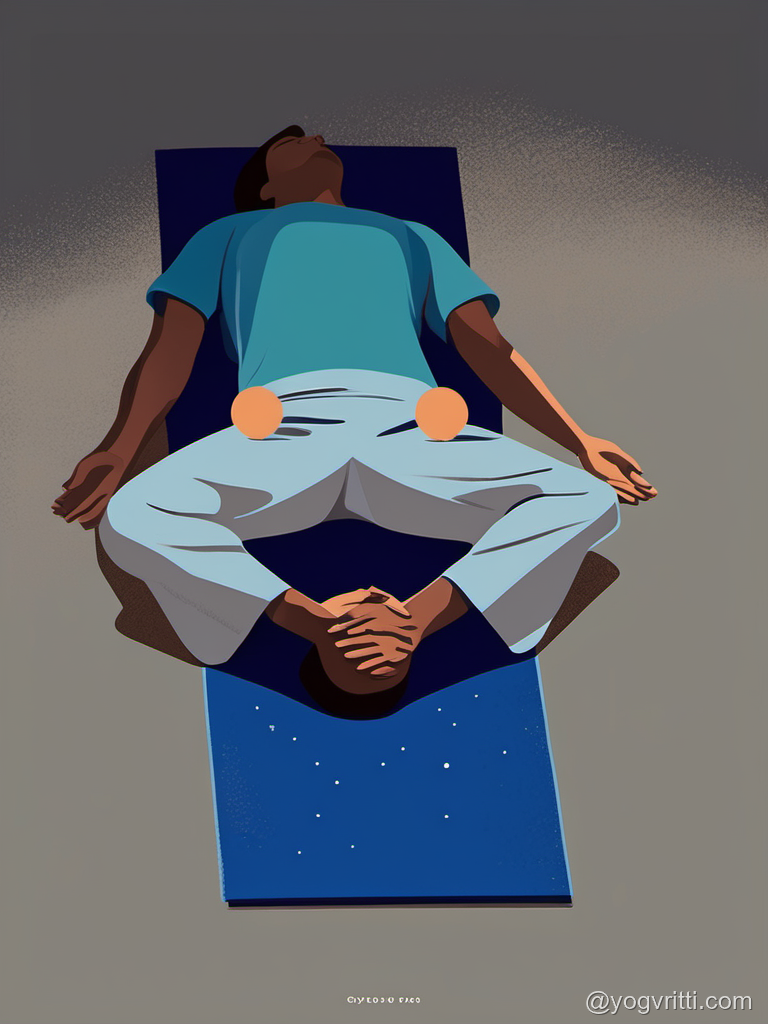
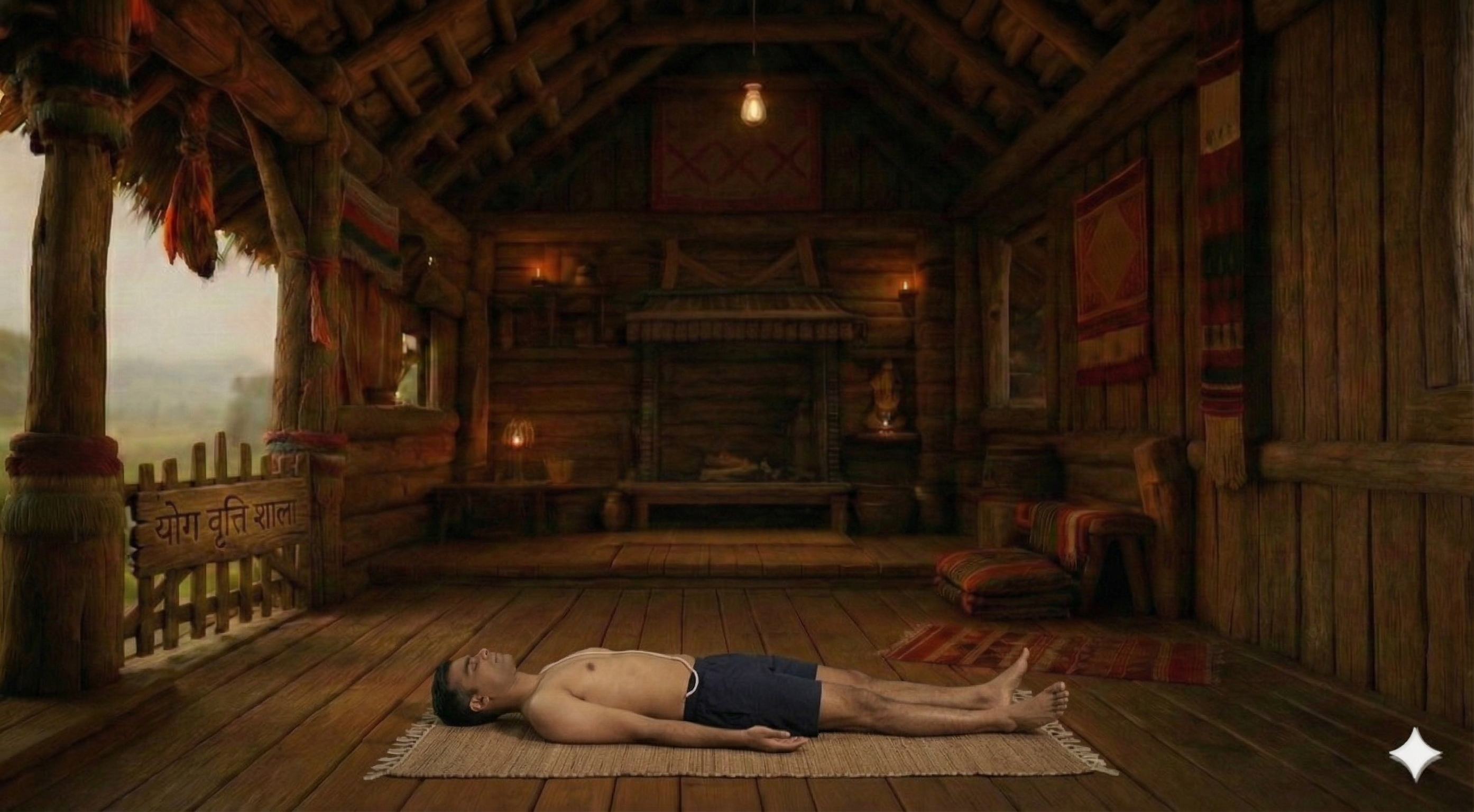
How to Practice
1. Sit on the floor with your legs straight out in front of you.
2. Place a bolster on your legs.
3. Inhale, and as you exhale, gently fold forward, resting your abdomen on the bolster.
4. Rest your hands on the bolster.
5. Keep your spine straight, but not rigid.
5 more steps remaining
Register free to see the complete instructions
Register Free to ContinueAlready registered? Login
Featured in Sequences
Practice Supported Paschimottanasana (with bolster) as part of these guided sequences
Frequently Asked Questions
Common questions about Supported Paschimottanasana (with bolster)
What is Supported Seated Forward Bend?
Supported Seated Forward Bend, also called Bolster Forward Fold is a classical yoga posture. Its Sanskrit name Supported Paschimottanasana (with bolster) translates word-for-word as: Paschima (West / Back) · Uttana (Intense Stretch) · Asana (Supported Pose). Seated on the mat, the practitioner grounds through the sit bones while the spine rises tall. The posture works to lengthen the hamstrings and strengthen and extend the back. Gently stretches the back body without strain. Calms the nervous system. It is particularly valued for developing greater flexibility and alleviating back discomfort. Suitable for beginners and regular practitioners alike, it is a calming cool-down, particularly beneficial for beginners and seniors. A bolster and blanket can be used to make the posture more accessible and support correct alignment. Practitioners with spinal injury and abdominal surgery should approach with care or consult a qualified teacher.
What are the benefits of Supported Seated Forward Bend?
Deep relaxation in a forward fold. Gently stretches the back body without strain. Calms the nervous system. Therapeutic for anxiety and insomnia. Accessible for tight hamstrings.
Who should avoid Supported Seated Forward Bend?
Avoid this pose if you have: Acute back injury, Diarrhoea, Late-term pregnancy.
How many steps are in Supported Seated Forward Bend?
Supported Seated Forward Bend is practiced in 10 steps. Sit on the floor with your legs straight out in front of you.
Is Supported Seated Forward Bend suitable for beginners?
Yes, Supported Seated Forward Bend is a beginner-friendly pose suitable for all levels.
What props are needed for Supported Seated Forward Bend?
You may use: bolster, blanket, strap. Props make the pose more accessible and comfortable.
What conditions does Supported Seated Forward Bend help with?
Supported Seated Forward Bend is therapeutic for: flexibility, back pain, sciatica, anxiety, insomnia.
What poses should I do before Supported Seated Forward Bend?
Prepare with: Seated Tadasana, Baddha Konasana, Neck Rolls. These warm up the relevant muscles and joints.
Related Poses
Similar poses you might enjoy
Build Your Own Sequence
Combine Supported Paschimottanasana (with bolster) with other poses