5
Muscles
3
Joints
2
Organs
3
Mental
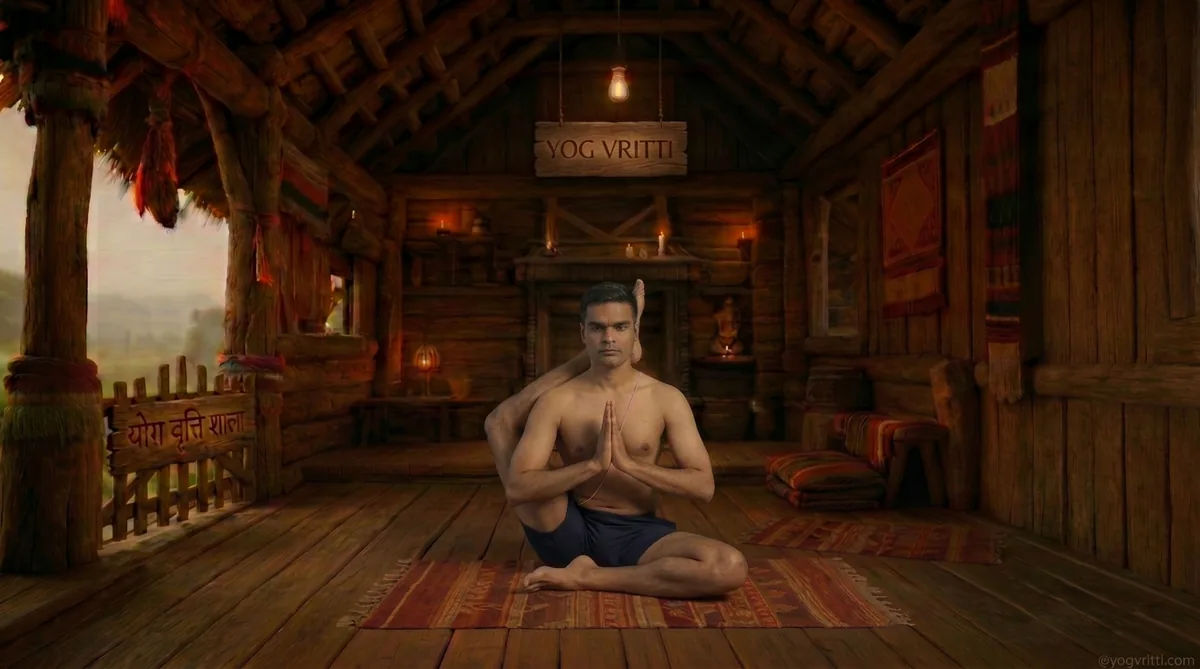
One Leg Behind Head Pose
एक पाद शीर्षासन
Eka Pada Sirsasana is an exquisitely advanced seated posture that profoundly opens the hips and lengthens the entire posterior chain, offering deep spinal decompression. It systematically targets the deep hip rotators and hamstrings, releasing years of accumulated tension in the pelvic girdle and lower back. Energetically, this pose is a powerful gateway for clearing blockages in the lower chakras, promoting a sense of grounding and emotional liberation. It demands immense patience and introspection, guiding the practitioner towards a profound state of inner awareness and surrender, making it a valuable practice for both physical and spiritual development.
One Leg Behind Head Pose, also called Foot-Behind-Head Pose is a classical yoga posture whose Sanskrit roots break down as: Eka (One) · Pada (Leg) · Sirsa (Head) · Asana (Pose). In this posture, the body grounds through the sit bones while the spine rises tall. The posture works to stretch the hip flexors, lengthen the hamstrings and open and strengthen the shoulders. Stretches the hamstrings. Improves spinal flexibility. Suitable for advanced practitioners with developed body awareness, it is a meaningful addition to any practice, particularly beneficial for athletes. A strap and blanket can be used to make the posture more accessible and support correct alignment. Practitioners with hip injury and sciatica should approach with care or consult a qualified teacher.
Muscles Worked
Hamstrings
[Biceps femoris, Semitendinosus, Semimembranosus]
The powerful muscles running down the back of your thighs are experiencing a deep, sustained stretch, particularly on the straight leg.
This lengthening occurs as the pelvis tilts forward over the femur, creating traction along their entire length and releasing chronic tightness.
Energetically, releasing tension in the hamstrings helps ground the practitioner, allowing apana vayu—the downward-moving energy—to flow freely and fostering a sense of stability and connection to the earth.
Deep Hip Rotators
[Piriformis, Gemelli, Obturators, Quadratus Femoris]
Nestled deep within the buttocks, these small but mighty muscles are actively lengthened as one leg is externally rotated and abducted to bring the foot behind the head.
This action creates space within the hip joint capsule, decompressing the femoral head from the acetabulum.
From a yogic perspective, this unwinds the deep energetic knots often held in the hips, releasing stored emotions and promoting a feeling of liberation and openness in the pelvic region.
Gluteus Maximus
[Gluteus Maximus]
The largest muscle of your buttock, the gluteus maximus, is significantly lengthened in this pose, especially on the leg that is behind the head.
Its broad fibers are stretched as the hip goes into deep external rotation and flexion, creating a profound opening.
This release helps to unlock the sacrum and pelvis, often tight from prolonged sitting, inviting a sense of spaciousness and ease in the entire lower back and hip complex, allowing prana to flow more freely through the root chakra.
Iliopsoas
[Iliacus and Psoas Major]
The primary hip flexors, the iliopsoas muscles, deep within your core, are also receiving a significant stretch in the leg that is behind the head, particularly as the torso folds forward.
While primarily hip flexors, the extreme external rotation and abduction combined with the forward bend create a complex lengthening experience.
Releasing the psoas is profoundly therapeutic, as it is known to hold emotional tension, and its release can bring a sense of emotional liberation and a deeper connection to one's core vitality.
Erector Spinae
[Iliocostalis, Longissimus, Spinalis]
These long muscles running along either side of your spine are lengthening as you fold forward over your straight leg, creating a deep, sustained stretch along the posterior torso.
This gentle traction helps to decompress the vertebral discs and create space between the spinal segments, alleviating chronic back stiffness.
Yogically, this action encourages a downward flow of energy, calming the nervous system and promoting introspection, allowing the mind to settle into a state of quiet awareness.
Joints Mobilized
Hip Joint
mobilizingThe hip joint (coxal joint) is undergoing extreme external rotation, abduction, and flexion for the leg behind the head, while the other hip is in deep flexion.
This intricate movement deeply mobilizes the ball-and-socket joint, encouraging the synovial fluid to lubricate the articulating surfaces and nourish the cartilage.
Regular practice enhances the range of motion in all planes, preventing stiffness and promoting a feeling of freedom and lightness in the lower body, which translates to ease in walking and sitting.
Sacroiliac Joint
mobilizingThis pose brings subtle but significant movement to the sacroiliac (SI) joint, where the sacrum meets the ilium, helping to release any mild fixations.
The deep hip opening and forward fold can help to gently realign and stabilize this crucial joint, often a source of lower back discomfort.
As the pelvis becomes more balanced and supple, the practitioner experiences a greater sense of stability and integration between the upper and lower body, allowing for a more harmonious flow of energy through the pelvic bowl.
Spine (Vertebral Joints)
decompressingAs you fold forward in Eka Pada Sirsasana, the intervertebral discs along your spine experience a gentle decompression, especially in the lumbar and thoracic regions.
The weight of the head and upper body, combined with the stretch in the posterior chain, creates traction that helps to hydrate the discs and alleviate compression.
This leads to a feeling of increased space and fluidity within the spine, supporting the upward flow of prana (Udana Vayu) and enhancing overall postural awareness.
Organ & System Benefits
Abdominal Organs (Digestive System)
The forward bend in this pose creates a gentle compression of the abdominal organs, including the stomach, intestines, and liver.
This mild pressure acts like a soft internal massage, stimulating circulation and encouraging the removal of stagnant blood and toxins.
Yogically, this compression helps to activate Samana Vayu, the balancing energy responsible for digestion and assimilation, leading to improved digestive function and a feeling of lightness and clarity in the gut.
Kidneys and Adrenal Glands
Located in the posterior abdomen, the kidneys and adrenal glands receive a gentle stimulation as the torso folds forward and the lower back lengthens.
This subtle compression and release can help to improve blood flow to these vital organs, supporting their detoxification processes and hormone regulation.
From a yogic perspective, working with the kidneys and adrenals can help to balance the energetic system, reducing feelings of stress and promoting a deeper sense of inner calm and resilience.
Nervous System
This deep forward bend and hip opener naturally encourages a shift towards the parasympathetic nervous system, helping to calm the mind and body profoundly.
The sustained hold and introspective nature of the pose signal to the brain that it's safe to relax, reducing the 'fight or flight' response.
This allows for a deep release of tension held in the fascial tissues, promoting a profound sense of peace and inner quiet, easing the chatter of chitta vritti (mental fluctuations).
The focused attention required to navigate this complex posture cultivates a state of present moment awareness, drawing the senses inward (pratyahara).
As the breath deepens and becomes more refined in the stillness, the sympathetic nervous system downregulates, reducing heart rate and blood pressure.
This internal focus fosters mental clarity and emotional stability, allowing the practitioner to experience a profound sense of groundedness and inner spaciousness.
Mental & Emotional
Eka Pada Sirsasana demands immense patience and humility, teaching the practitioner to approach their body with non-violence and acceptance.
The challenge of the pose cultivates mental fortitude and a profound sense of discipline, helping to quiet the restless mind (chitta vritti nirodhah).
This process of sustained focus and surrender builds resilience, allowing one to face life's challenges with greater equanimity and an unwavering inner calm.
The deep hip opening often brings up stored emotions, requiring the practitioner to observe these feelings without judgment, creating a container for emotional release.
By consciously breathing into discomfort and staying present, one learns to release old patterns of emotional holding, fostering emotional liberation.
This journey of self-discovery through the body cultivates a deeper sense of self-awareness and compassion, both for oneself and others, ultimately leading to greater inner freedom.
Achieving this advanced posture, even partially, instills a deep sense of accomplishment and self-efficacy, boosting confidence and determination.
It is a powerful practice in dharana (concentration), as the mind must remain acutely focused on the sensations and alignment, preventing distraction.
This rigorous mental training translates into improved focus and persistence in daily life, enhancing one's ability to achieve goals and maintain inner balance even amidst chaos.
Because of Its Shape
hip opener
This pose is a supreme hip opener, specifically targeting the external rotators and abductors of the hip joint with remarkable intensity.
It systematically creates space within the hip capsule, increasing the range of motion and flexibility in the entire pelvic girdle by stretching the deep gluteal muscles and the surrounding connective tissues.
These areas are often tight from prolonged sitting and habitual movement patterns, restricting vital energy flow.
Energetically, opening the hips is profound, as the pelvic region is considered the seat of the root (Muladhara) and sacral (Svadhisthana) chakras, where primal energy and emotions are stored.
Releasing tension here allows for a freer flow of apana vayu, promoting a sense of groundedness, emotional stability, and creativity.
This physical release often leads to a significant emotional discharge, helping to clear stagnant energy and cultivate a feeling of liberation and lightness.
Fascial Lines
The intricate web of connective tissue (fascia) throughout the entire posterior chain and around the hip joint receives an extensive and comprehensive release in Eka Pada Sirsasana.
Specifically, the superficial back line and the spiral line of the body are profoundly lengthened, along with the deep fascial layers surrounding the hip rotators and adductors.
This sustained traction helps to melt away adhesions and restrictions, restoring the fluidity and elasticity of the tissues.
Yogically, this release of fascial tension is akin to clearing energetic blockages, allowing prana to flow unimpeded through the nadis, enhancing overall vitality and freedom of movement.
Breathing & Respiratory
The deep forward bend and the intense hip opening in Eka Pada Sirsasana naturally encourage a more diaphragmatic and refined breath, especially focusing on the exhalation.
The compression of the abdomen on the inhalation restricts the full expansion of the belly, prompting the breath to move more into the side ribs and upper chest, demanding conscious control.
This encourages a longer, smoother exhalation, which in turn activates the parasympathetic nervous system, calming the mind and body.
This natural lengthening of the exhale makes it an excellent pose for cultivating rechaka pranayama (exhalation retention) and fostering a deep sense of surrender and release.
Anatomical Caution
Teachers must approach this pose with extreme caution, prioritizing safety over depth for every student.
The hip joint, particularly the deep rotators and the sacroiliac joint, are highly vulnerable to injury if forced or misaligned.
Ensure students have adequate preparatory flexibility in the hamstrings and external rotators, and never allow them to push past sharp pain, especially in the knee or hip, as these joints are not designed for such extreme angles without proper preparation and acute awareness.