5
Muscles
4
Joints
3
Organs
3
Mental
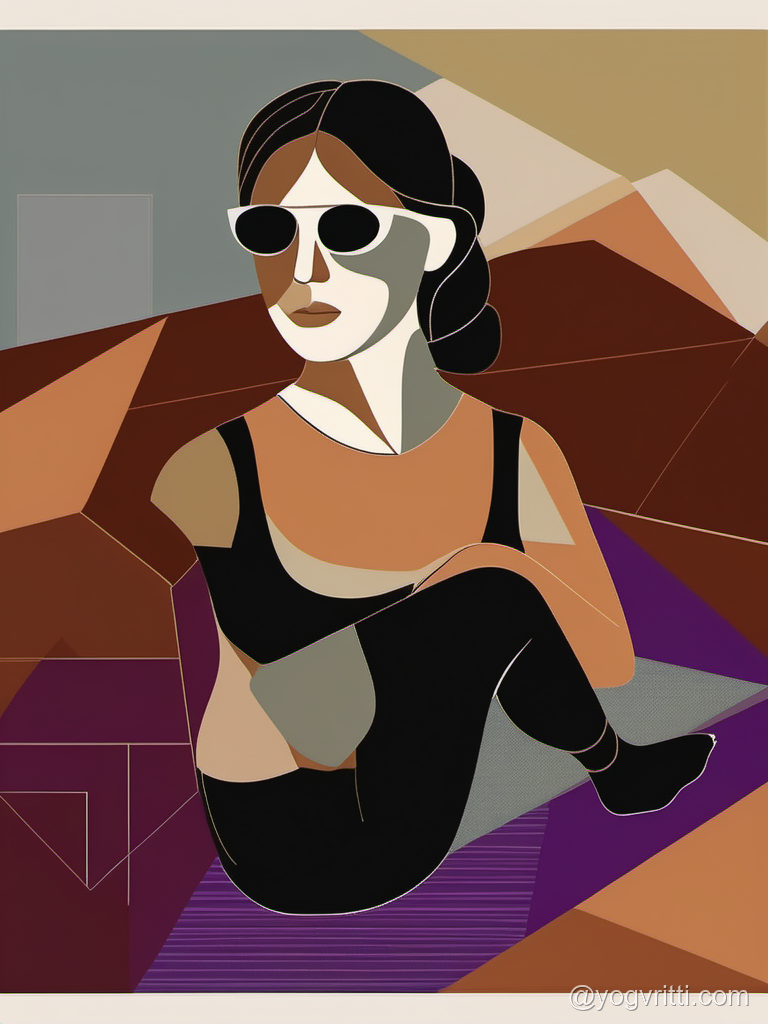
Full Spinal Twist
पूर्ण मत्स्येन्द्रासन
Purna Matsyendrasana, the Full Spinal Twist, is a profound advanced asana that deeply mobilizes the entire spinal column, from sacrum to cervical spine, while simultaneously opening the hips and shoulders. This intricate twist engages the oblique muscles and deep spinal rotators, creating a powerful wringing action that stimulates abdominal organs and releases tension from the central nervous system. Energetically, it purifies the nadis and stokes the digestive fire (agni), leading to a heightened sense of internal clarity, vitality, and mental stillness. For a dedicated practitioner, it offers a pathway to profound physical freedom and inner equilibrium.
Full Spinal Twist Pose, also called Full Lord of the Fishes is a classical yoga posture whose Sanskrit roots break down as: Purna (Full) · Matsyendra (Lord of Fish) · Asana (Pose). In this posture, the body rotates the spine, creating space between each vertebra. The posture works to lengthen the spine, engage the obliques and open and strengthen the shoulders. Stimulates the abdominal organs. Relieves back pain and stiffness. Suitable for advanced practitioners with developed body awareness, it is a meaningful addition to any practice, particularly beneficial for athletes. A block and blanket can be used to make the posture more accessible and support correct alignment. Practitioners with pregnancy and spinal injury should approach with care or consult a qualified teacher.
Muscles Worked
Obliques
[External and Internal Obliques]
These broad muscles wrap around your waist, running diagonally across the torso.
In Purna Matsyendrasana, the outer oblique on the side you're twisting *away* from lengthens profoundly, while the inner oblique on the side you're twisting *towards* shortens and powerfully activates.
This creates a deep, intelligent wringing sensation in the midsection, which in yogic terms, purifies the energetic channels (nadis) and releases stagnation in the abdominal region, promoting a vibrant flow of prana.
Deep Spinal Rotators
[Rotatores, Multifidus, Transversus Abdominis]
These small, intricate muscles lie deep along your spine, connecting individual vertebrae and facilitating subtle, segmental rotation.
In this pose, they are meticulously engaged, working segment by segment to deepen and refine the spinal twist, ensuring an even distribution of movement.
This focused activation brings increased proprioceptive awareness and control to each spinal segment, enhancing the subtle energetic intelligence (suksma prana) throughout the spine and fostering a sense of inner lightness.
Hip External Rotators
[Piriformis, Gemelli, Obturators, Quadratus Femoris]
These muscles are situated deep in your buttocks, responsible for externally rotating your thigh bone.
In the deep hip flexion and external rotation required for the lotus or half-lotus leg position of Purna Matsyendrasana, these muscles are intensely stretched and stabilized, particularly in the lower leg's hip.
This sustained opening releases deep-seated tension in the hip joints, which yogically is often associated with stored emotional patterns, allowing for a freer flow of apana vayu and a profound sense of grounding.
Adductors
[Adductor Magnus, Longus, Brevis, Pectineus, Gracilis]
These muscles run along the inside of your thighs, drawing your legs together.
In the intricate cross-legged foundation of this pose, particularly with the top leg crossing deeply over, the adductors of the bottom leg are gently but consistently stretched.
This subtle lengthening in the inner groin region helps to release tightness that can restrict pelvic mobility and stability, enhancing the feeling of rootedness through the sit bones (sthira sukham asanam) and promoting a balanced energetic foundation for the twist.
Erector Spinae
[Iliocostalis, Longissimus, Spinalis]
These powerful muscles run vertically along either side of your spine, responsible for extending the back and maintaining upright posture.
In Purna Matsyendrasana, they work synergistically to maintain the axial length of the spine as you twist, preventing compression and ensuring an even, elongated rotation.
This balanced engagement supports the integrity of the central energetic channel (sushumna nadi), allowing for clear and unhindered flow of prana from the base to the crown.
Joints Mobilized
Spinal Column
mobilizing | rotating | decompressingThe entire spinal column, from the sacrum to the atlas, is intricately involved in this deep rotation.
Each vertebra articulates with its neighbors, allowing for a segmental twist that mobilizes the facet joints and gently compresses and releases the intervertebral discs.
This intelligent movement lubricates the spinal discs and nerves, creating a profound sense of lightness and freedom in the back, and promoting the upward flow of prana through the central channel.
Sacroiliac (SI) Joint
stabilizingThis crucial joint connects your sacrum (the triangular bone at the base of your spine) to your iliac bones (pelvis).
In Purna Matsyendrasana, the stable foundation created by the deeply crossed legs, often supported by a blanket or block for proper pelvic alignment, helps to ground the pelvis and stabilize the SI joint.
This foundational stability is paramount for allowing a safe and deeper twist higher up in the spine, promoting a sense of inner security and rootedness while preventing strain.
Hip Joints
rotating | stabilizing | mobilizingThe ball-and-socket joints of the hips are profoundly engaged in the foundation of this pose, particularly when one leg is in half-lotus or full lotus.
This requires significant external rotation, flexion, and adduction, deeply mobilizing the hip capsule and surrounding soft tissues.
This sustained opening in the hips is believed to release deep-seated emotional tension and promote flexibility in the root (Muladhara Chakra), enhancing stability and ease in the lower body and allowing for a more profound connection to the earth.
Shoulder Girdle
mobilizing | stabilizing | openingThe shoulder on the twisting side, often the one leveraged against the knee or thigh, moves into internal rotation and adduction, while the opposite shoulder stabilizes the arm that helps deepen the twist.
This dynamic combination of mobility and stability in the glenohumeral and scapulothoracic joints helps to open the chest, broaden the collarbones, and create expansive space for the breath.
Energetically, this opening in the upper body supports the heart center (Anahata Chakra), inviting feelings of openness, compassion, and surrender.
Organ & System Benefits
Digestive Organs
The deep compression and subsequent release created by the twist on organs like the stomach, small and large intestines, liver, and spleen is often described as a 'wringing out' action.
This gentle massage stimulates blood flow to these vital organs, aiding digestion, enhancing detoxification, and improving nutrient absorption.
From a yogic perspective, this purifies the Manipura Chakra, stoking the digestive fire (agni) and clearing energetic blockages in the gut, leading to improved vitality.
Kidneys & Adrenal Glands
Situated on either side of the spine, the kidneys and adrenal glands also experience a gentle compression and release during the deep spinal twist.
This action is believed to stimulate their function, supporting the body's natural filtering processes and balancing hormonal responses to stress.
The subtle massage of the adrenals can release stored tension and fatigue, fostering a sense of calm resilience and renewed energy within the system.
Pancreas
Positioned behind the stomach, the pancreas is also gently compressed and massaged by the twisting action of Purna Matsyendrasana.
This stimulation can support its crucial role in regulating blood sugar levels and producing essential digestive enzymes.
From a subtle body perspective, a healthy and balanced pancreas contributes to stable energy levels, emotional equilibrium, and a steady sense of inner well-being, influencing the body's overall energetic harmony.
Nervous System
The deep, sustained twist in Purna Matsyendrasana encourages a profound release of tension, particularly along the spine, which directly impacts the nervous system.
As the body slowly unwinds, the signals sent to the brain shift from sympathetic 'fight or flight' activation to parasympathetic 'rest and digest' responses.
This creates a palpable sense of calm and deep relaxation, allowing the practitioner to feel more grounded, centered, and at ease.
The controlled, mindful breath in this challenging pose is a powerful tool for regulating the autonomic nervous system.
By consciously lengthening the exhalation during the twist, we activate the vagus nerve, which further promotes relaxation, reduces stress hormones, and slows the heart rate.
This deliberate breath control cultivates pratyahara, drawing the senses inward and creating a profound sense of inner quiet and present moment awareness.
The intricate engagement of the deep spinal muscles and the sustained stretch on connective tissues during the twist enhances proprioception – your body's precise awareness of its position and movement in space.
This heightened sensory feedback helps to integrate body and mind, calming the fluctuations of the mind (chitta vritti) and bringing a sharper, more embodied focus.
Over time, this improves overall body schema and reduces nervous system hyperactivity, leading to greater mental clarity.
Mental & Emotional
Purna Matsyendrasana demands focused attention and unwavering patience, cultivating a profound sense of mental discipline (dharana).
The challenge of the pose requires the mind to stay present with sensations rather than wandering or reacting to discomfort, building mental fortitude and resilience.
This sustained concentration helps to quiet the incessant mental chatter, leading to greater clarity, deeper insight, and a more tranquil inner state.
Twisting poses are inherently detoxifying, not just on a physical level but also mentally and emotionally.
As the body wrings out physical tension and stagnation, the mind can simultaneously release old patterns of thought, worry, and emotional baggage that may have been held within the subtle body.
This process often leads to a feeling of mental lightness and renewal, offering a fresh perspective on life's challenges and promoting deep emotional resilience.
The act of twisting the spine, especially when combined with a steady gaze (drishti) and conscious breath, encourages introspection and deep self-reflection.
It is a journey inward, peeling back layers of external distractions and internal noise to connect with one's inner core and true essence.
This deep self-awareness can foster a profound sense of inner peace and acceptance, strengthening the practitioner's connection to their authentic self and cultivating a meditative state.
Because of Its Shape
twist
Twisting actions in yoga are powerful for detoxifying the body, often likened to 'wringing out a wet cloth' at a cellular level.
This compression and subsequent release stimulates circulation throughout the internal organs, bringing fresh, oxygenated blood and nutrients to the tissues.
Energetically, twists are believed to cleanse the subtle energy channels (nadis), promoting a vibrant and unhindered flow of prana throughout the entire system, leading to increased vitality.
Spinal twists are exceptional for maintaining and profoundly improving the flexibility and overall mobility of the entire spinal column.
By rotating the vertebrae against each other, we gently lubricate the facet joints and hydrate the intervertebral discs, which is vital for long-term spinal health and longevity.
This increased suppleness in the spine allows for more freedom in movement and a greater sense of ease in the body, both physically and energetically.
The twisting action helps to release deep-seated tension in the muscles of the back, shoulders, and hips, which often accumulate stress from daily life and emotional holding patterns.
This profound physical release has a direct and calming impact on the nervous system, encouraging a shift from sympathetic 'fight or flight' to parasympathetic 'rest and digest' dominance.
Consequently, practitioners often experience a deep sense of relaxation and mental calm, as the physical unwinding translates into emotional and mental ease.
Fascial Lines
The intricate web of connective tissue (fascia) that envelops every muscle, organ, and nerve in your body receives a profound and nuanced stretch in Purna Matsyendrasana.
Specifically, the spiral lines of fascia, which crisscross the torso, are deeply engaged and released, particularly in the thoracolumbar region and the lateral lines of the trunk.
This sustained, intelligent unwinding helps to release adhesions and restrictions within the fascial matrix, improving overall tissue hydration, elasticity, and mobility.
From a yogic perspective, this frees up the flow of prana, allowing life force to move more fluidly through the body's energetic channels and releasing long-held physical and emotional patterns.
Breathing & Respiratory
The deep spinal twist in Purna Matsyendrasana naturally creates a slight compression on one side of the torso, which intelligently encourages a more mindful and expansive breath into the *opposite* side.
This asymmetrical breathing challenges the practitioner to deepen their awareness and control of the breath, fostering a longer, smoother exhalation as the body twists and releases.
This controlled breathing (pranayama) purifies the energetic channels, calms the nervous system, and allows for deeper release and greater absorption of prana throughout the entire pose, enhancing its therapeutic benefits.
Anatomical Caution
Teachers must approach Purna Matsyendrasana with utmost care and discernment, especially for students with disc herniations, sciatica, or significant hip and knee issues.
Always ensure the spine is lengthened vertically *before* initiating any twist to protect the intervertebral discs and prevent undue compression.
If a student experiences any sharp, pinching pain or discomfort, particularly in the lower back, neck, or knees, they should immediately modify or gently come out of the pose.