 Advancedtwist
Full Spinal Twist Pose
Full Spinal Twist · पूर्ण मत्स्येन्द्रासन
Also known as: Full Lord of the Fishes · Purna Matsyendrasana
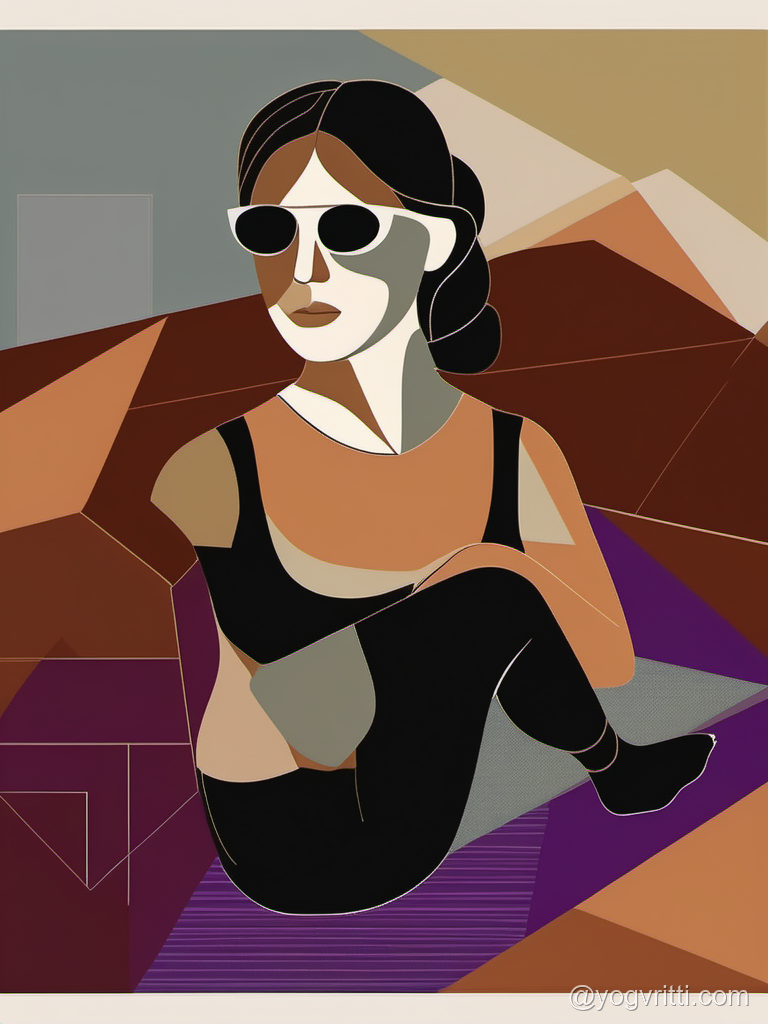
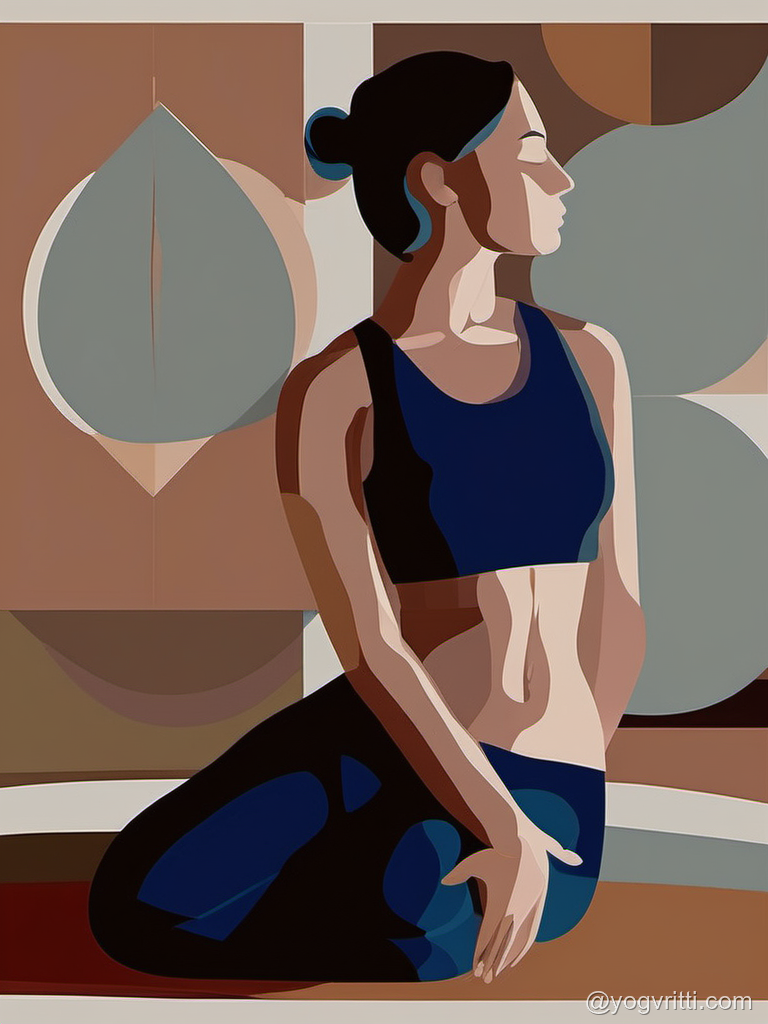
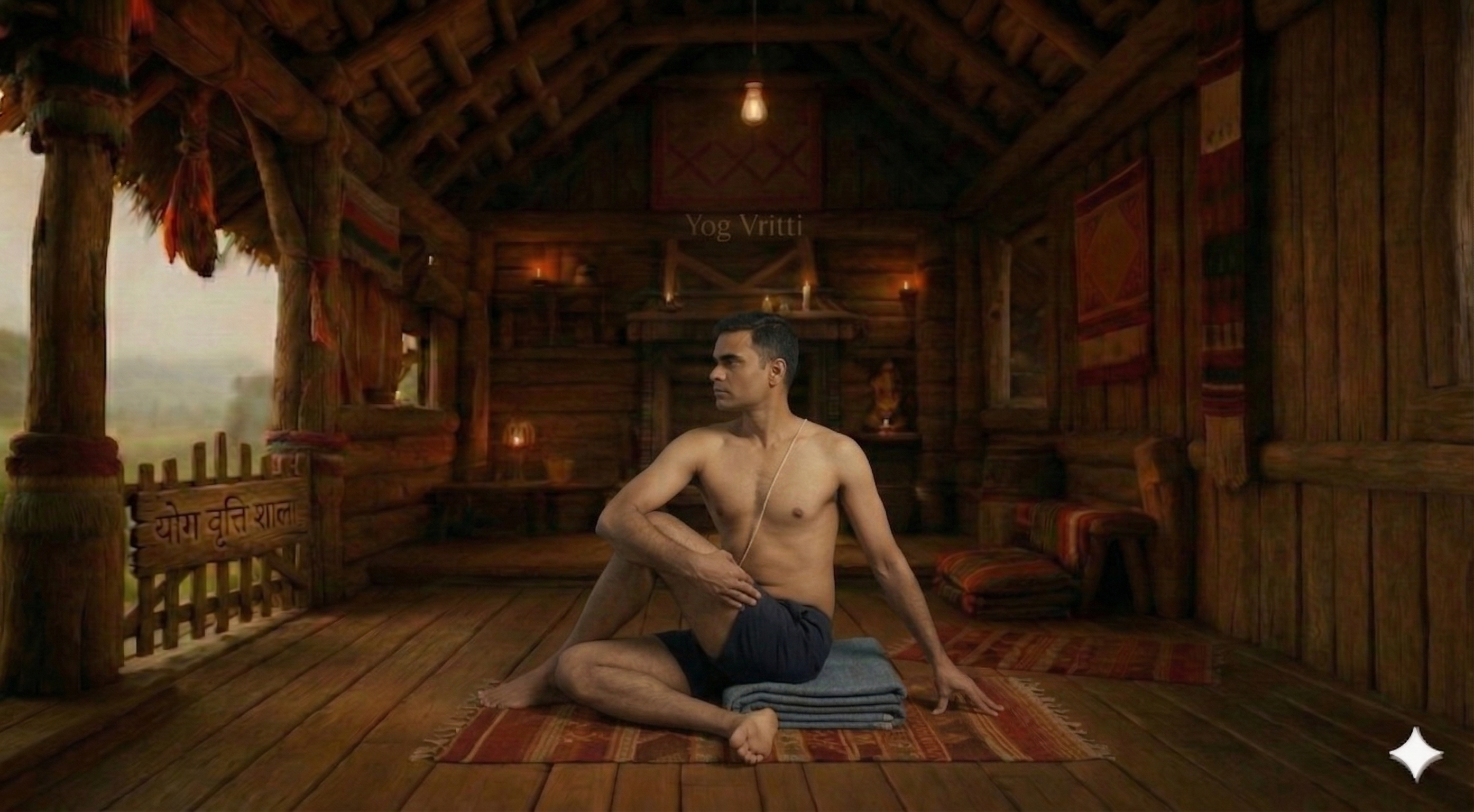
Full Spinal Twist Pose, also called Full Lord of the Fishes is a classical yoga posture whose Sanskrit roots break down as: Purna (Full) · Matsyendra (Lord of Fish) · Asana (Pose). In this posture, the body rotates the spine, creating space between each vertebra. The posture works to lengthen the spine, engage the obliques and open and strengthen the shoulders. Stimulates the abdominal organs. Relieves back pain and stiffness. Suitable for advanced practitioners with developed body awareness, it is a meaningful addition to any practice, particularly beneficial for athletes. A block and blanket can be used to make the posture more accessible and support correct alignment. Practitioners with pregnancy and spinal injury should approach with care or consult a qualified teacher.
Anatomy Involved
Benefits
Obliques(lengthening | strengthening | activating)
These broad muscles wrap around your waist, running diagonally across the torso. In Purna Matsyendrasana, the outer oblique on the side you're twisting *away* from lengthens profoundly, while the inner oblique on the side you're twisting *towards* shortens and powerfully activates. This creates a deep, intelligent wringing sensation in the midsection, which in yogic terms, purifies the energetic channels (nadis) and releases stagnation in the abdominal region, promoting a vibrant flow of prana.
Deep Spinal Rotators(activating | strengthening)
These small, intricate muscles lie deep along your spine, connecting individual vertebrae and facilitating subtle, segmental rotation. In this pose, they are meticulously engaged, working segment by segment to deepen and refine the spinal twist, ensuring an even distribution of movement. This focused activation brings increased proprioceptive awareness and control to each spinal segment, enhancing the subtle energetic intelligence (suksma prana) throughout the spine and fostering a sense of inner lightness.
Hip External Rotators(lengthening | stabilizing)
These muscles are situated deep in your buttocks, responsible for externally rotating your thigh bone. In the deep hip flexion and external rotation required for the lotus or half-lotus leg position of Purna Matsyendrasana, these muscles are intensely stretched and stabilized, particularly in the lower leg's hip. This sustained opening releases deep-seated tension in the hip joints, which yogically is often associated with stored emotional patterns, allowing for a freer flow of apana vayu and a profound sense of grounding.
- Full anatomical benefits — muscles, joints, organs →
Avoid If
Back Injury / Back Pain
Spinal flexion, extension, or rotation under load can compress vertebral discs or strain the paraspinal muscles.
Initiate the twist from the upper spine and ribs rather than forcing from the waist; keep both sitting bones grounded.
Pregnancy
Deep twists, abdominal compression, and lying flat on the back can restrict blood flow or cause discomfort as pregnancy progresses.
Twist from the upper thoracic spine only, opening the chest rather than compressing the abdomen; use a chair for support.
Sciatica
Certain hip stretches and forward bends pull on the sciatic nerve, temporarily increasing radiating pain down the leg.
Keep both sitting bones grounded and initiate the twist from the mid-back; stop if any shooting sensation occurs.
Props That Can Help
Optional supports — use when helpful, not required
Yoga Block
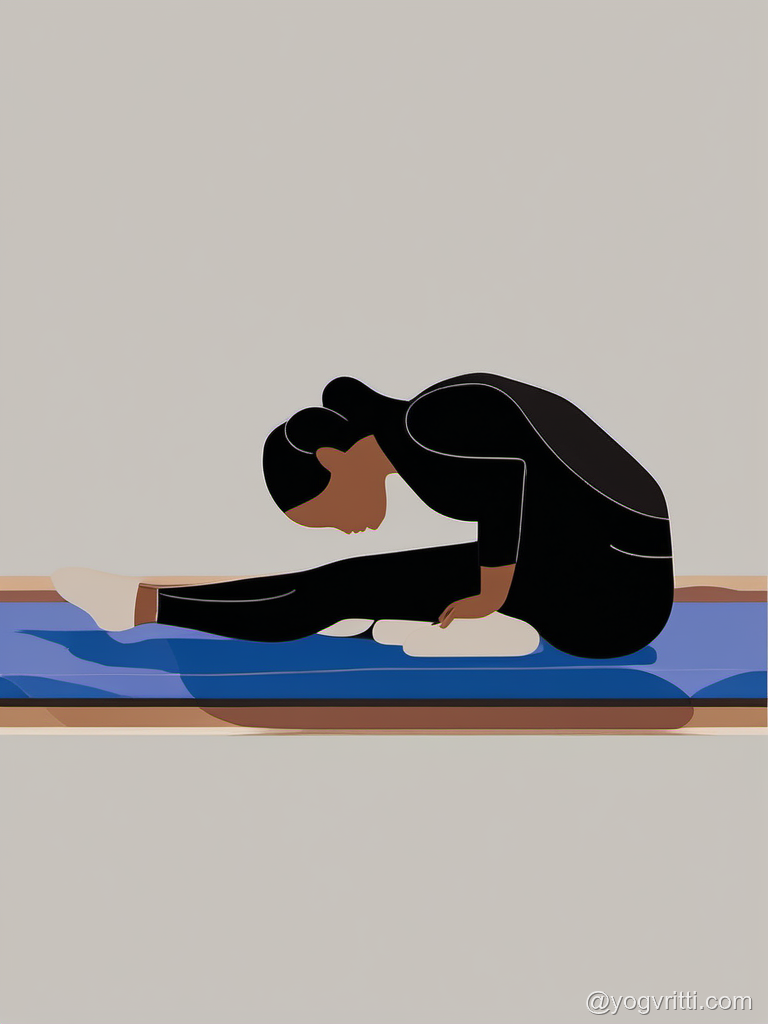
Use a block to reduce the reach distance, support alignment, and make the posture accessible at your current level of flexibility.
Folded Blanket
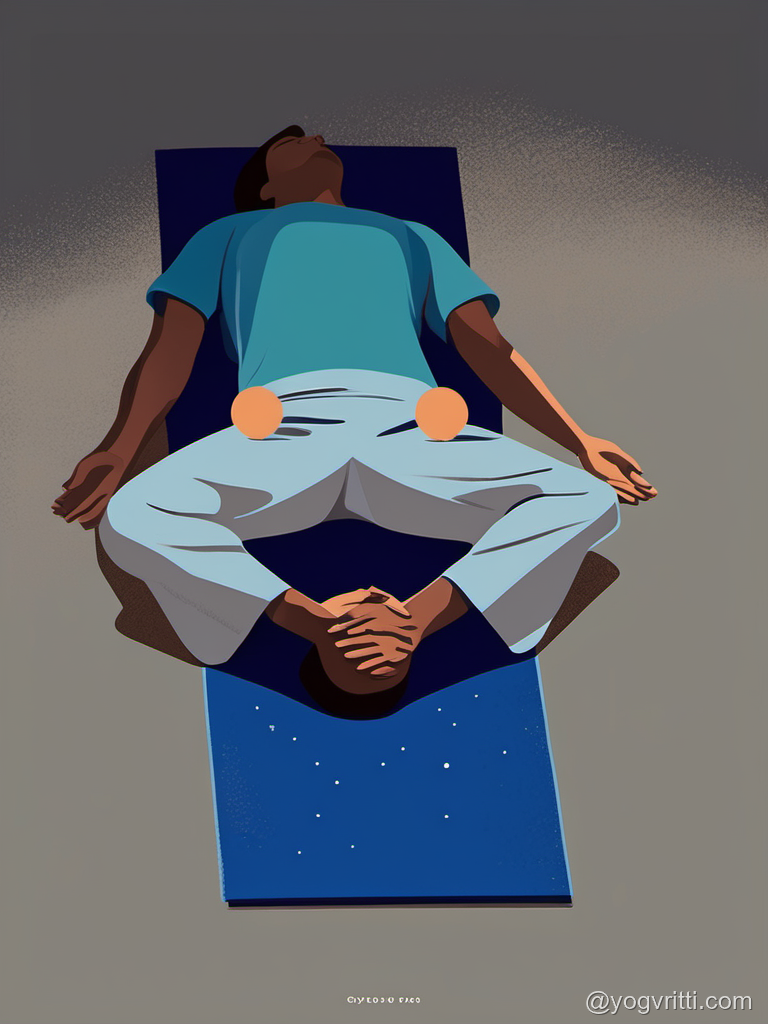
Use a blanket for cushioning, elevation, or support — it adapts the pose to your body's current needs without compromising alignment.
Common Mistakes to Avoid
Teaching Cues
For yoga teachers — verbal cues to guide students
6 cues
Teaching Cues
For yoga teachers — verbal cues to guide students
- 1Lengthen the spine on the inhalation, deepen the twist on the exhalation
- 2Initiate the rotation from the navel, then the chest, finally the head
- 3Keep both sitting bones grounded equally
- 4Maintain the length of the spine — do not collapse into the twist
- 5Use the breath to create space for the rotation
- 6Allow the hip joints to open gradually — never force
Pose Details
Pose Type
Body Focus
Focus Areas
Best For
Yoga Styles
When to Practice
Position
Target Areas
Practice Flow

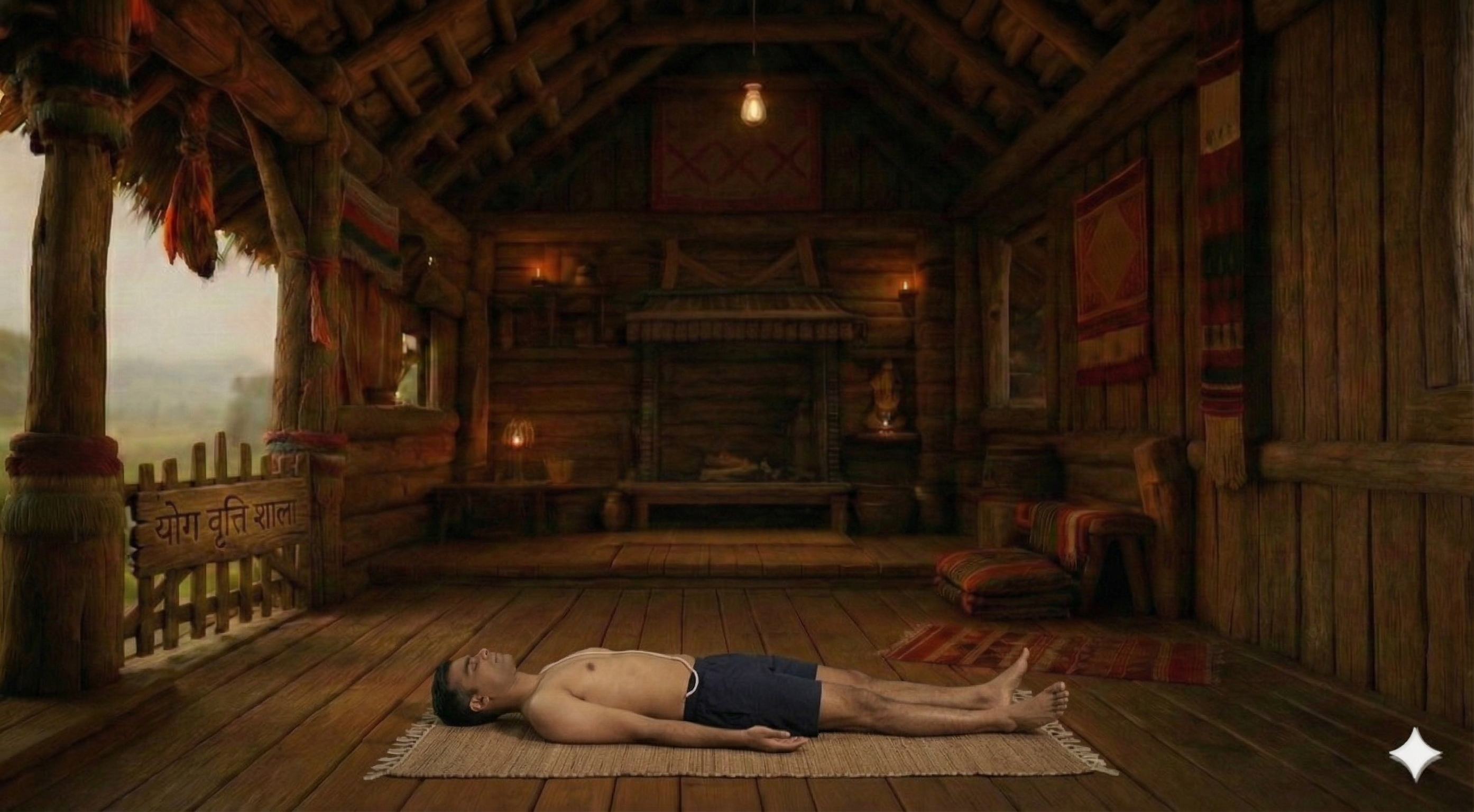
How to Practice
1. Sit in Dandasana, with your legs extended in front of you.
2. Bend your left leg and place your left foot near your right hip.
3. Bend your right leg and step it over your left knee.
4. Place your right hand on the floor behind you, keeping your spine straight.
5. Inhale and lengthen your spine.
5 more steps remaining
Register free to see the complete instructions
Register Free to ContinueAlready registered? Login
Frequently Asked Questions
Common questions about Full Spinal Twist
What is Full Spinal Twist Pose?
Full Spinal Twist Pose, also called Full Lord of the Fishes is a classical yoga posture whose Sanskrit roots break down as: Purna (Full) · Matsyendra (Lord of Fish) · Asana (Pose). In this posture, the body rotates the spine, creating space between each vertebra. The posture works to lengthen the spine, engage the obliques and open and strengthen the shoulders. Stimulates the abdominal organs. Relieves back pain and stiffness. Suitable for advanced practitioners with developed body awareness, it is a meaningful addition to any practice, particularly beneficial for athletes. A block and blanket can be used to make the posture more accessible and support correct alignment. Practitioners with pregnancy and spinal injury should approach with care or consult a qualified teacher.
What are the benefits of Full Spinal Twist Pose?
Increases spinal flexibility. Stimulates the abdominal organs. Relieves back pain and stiffness. Improves digestion. Releases tension in the shoulders and neck.
Who should avoid Full Spinal Twist Pose?
Avoid this pose if you have: Back injury, Spinal injury, Pregnancy, Severe sciatica.
How many steps are in Full Spinal Twist Pose?
Full Spinal Twist Pose is practiced in 10 steps. Sit in Dandasana, with your legs extended in front of you.
Is Full Spinal Twist Pose suitable for beginners?
Full Spinal Twist Pose is an advanced-level pose. Beginners should practice with props or under guidance.
What props are needed for Full Spinal Twist Pose?
You may use: block, blanket. Props make the pose more accessible and comfortable.
What poses should I do before Full Spinal Twist Pose?
Prepare with: Staff Pose, Bharadvajasana I (seated), Marichyasana I (seated). These warm up the relevant muscles and joints.
Related Poses
Similar poses you might enjoy
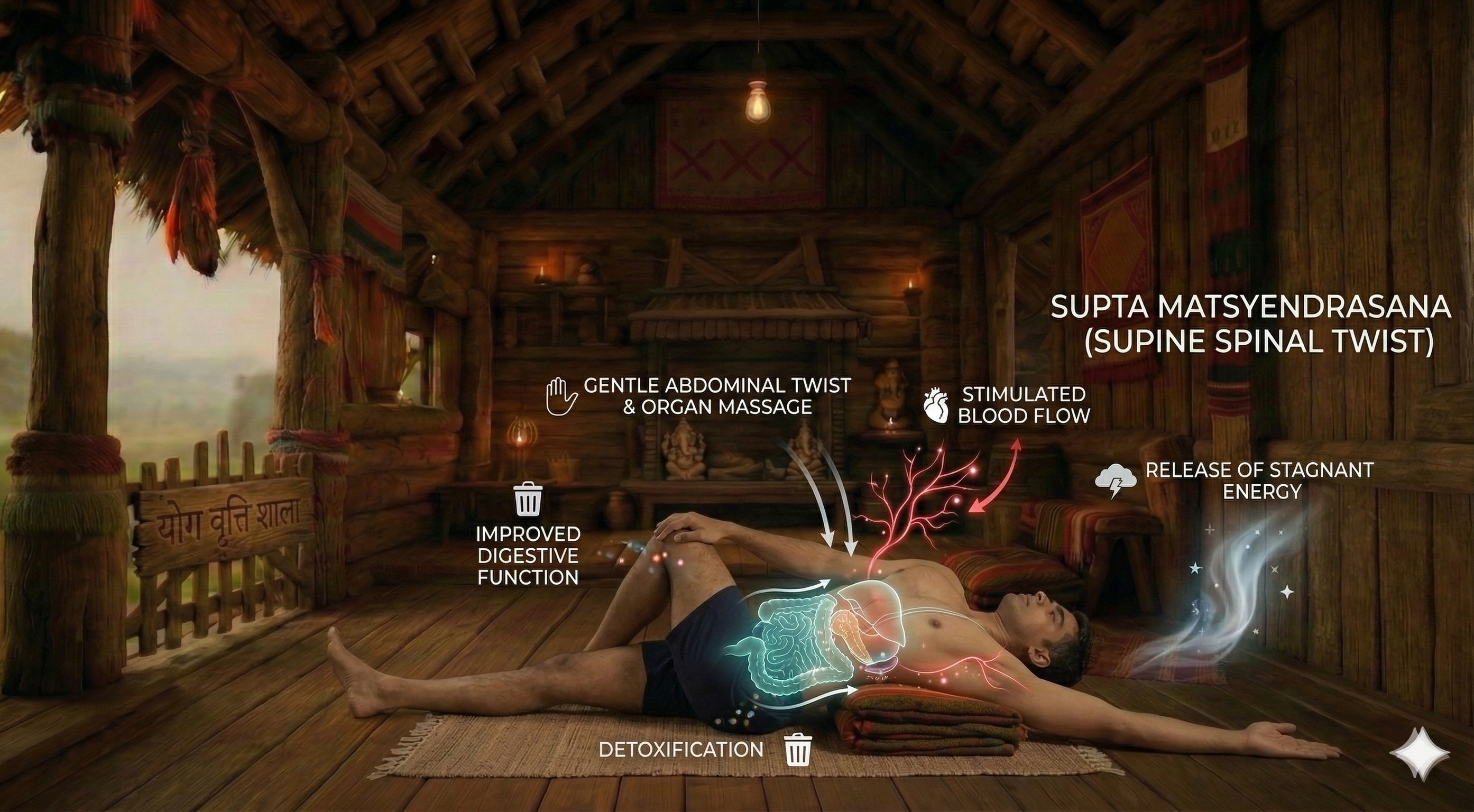
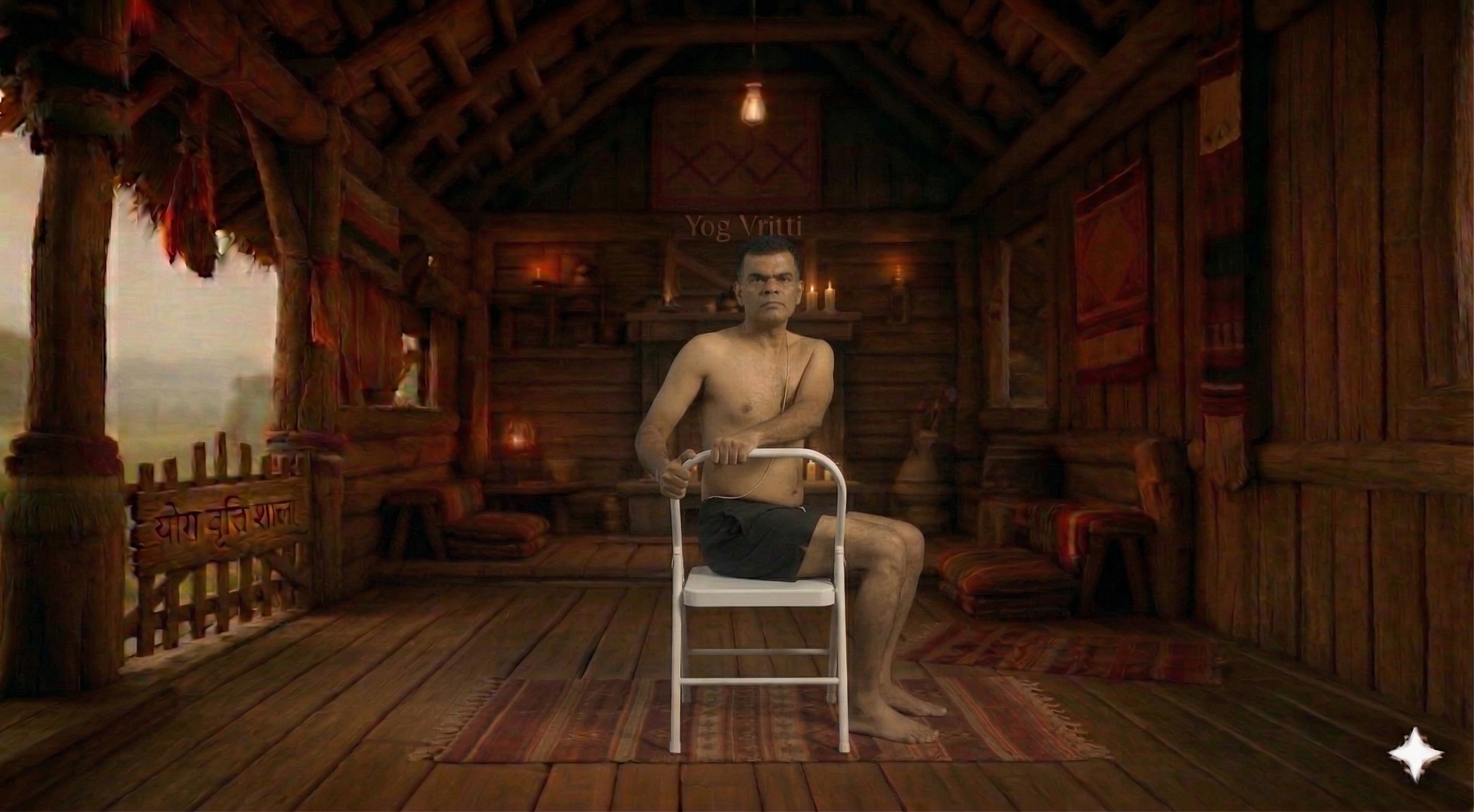
Build Your Own Sequence
Combine Full Spinal Twist with other poses