4
Muscles
3
Joints
3
Organs
3
Mental
Shoulderstand
सर्वाङ्गासन
Salamba Sarvangasana, the 'Queen of Asanas,' is a profound inversion that systematically rejuvenates the entire body and mind. By aligning the body vertically against gravity, it stimulates the endocrine system, particularly the thyroid, while calming the nervous system. The pose demands core strength and shoulder stability, creating a firm foundation from which the spine lengthens, inviting a deep sense of introspection and inner peace. It's a cornerstone practice for cultivating resilience, enhancing circulation, and achieving mental equilibrium, offering practitioners a unique perspective on their inner landscape.
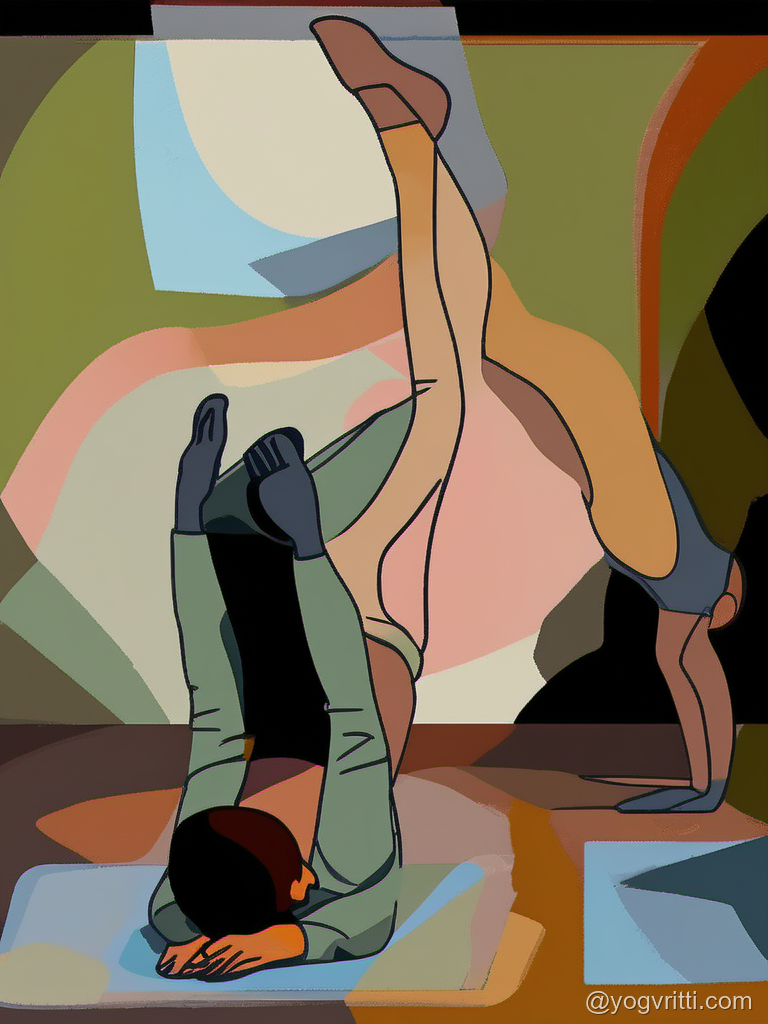
Shoulderstand, also called Supported Shoulderstand is a classical yoga posture whose Sanskrit roots break down as: Sa (With) · Alamba (Support) · Sarva (All) · Anga (Limbs). In this posture, the body reverses the pull of gravity, bringing the hips or legs above the heart. The posture works to engage the core, open and strengthen the shoulders and strengthen and extend the back. Stimulates the thyroid gland. Strengthens the back. It is particularly valued for quieting an anxious mind and supporting restful sleep. Suitable for intermediate practitioners with foundational yoga experience, it is a meaningful addition to any practice, particularly beneficial for beginners and teens. A blanket and strap can be used to make the posture more accessible and support correct alignment. Practitioners with neck pain and hypertension should approach with care or consult a qualified teacher.
Helps with
Muscles Worked
Spinal Erectors
Erector Spinae
These deep muscles run along the entire length of your spine, from the sacrum to the skull.
In Shoulderstand, they work actively to lift and straighten the torso, preventing it from collapsing and creating a sensation of lightness and upward extension.
This sustained isometric contraction strengthens the back's core support, cultivating a resilient and vibrant spine.
Yogically, this activation awakens the central energy channel (Sushumna Nadi), promoting the upward flow of Prana.
Core Abdominal Muscles
Transversus Abdominis, Rectus Abdominis, Obliques
Your deep abdominal muscles wrap around your torso like a natural corset, providing essential stability.
In Sarvangasana, they subtly engage to draw the navel towards the spine, preventing the lower back from arching excessively and maintaining a stable foundation for the lifted legs.
This intelligent engagement supports the internal organs and helps to channel energy upwards, contributing to a feeling of inner strength and integration.
It's not a rigid hardening, but a responsive, deep support that allows for lift.
Shoulder Girdle Stabilizers
Rotator Cuff (Supraspinatus, Infraspinatus, Teres Minor, Subscapularis) and Scapular Stabilizers (Serratus Anterior, Rhomboids, Trapezius)
The muscles surrounding your shoulder blades and humerus are crucial for creating a stable platform for the body.
With the blanket supporting the shoulders, these muscles work synergistically to anchor the upper body, ensuring the weight is distributed evenly and not solely on the neck.
This sustained engagement builds endurance and intelligent strength in the shoulder complex, protecting the delicate cervical spine.
Energetically, it creates a firm base from which the rest of the body can ascend, symbolizing grounded effort.
Gluteal Muscles
Gluteus Maximus, Medius, Minimus
The muscles of your buttocks play a vital role in extending your hips and lifting your legs vertically in this inversion.
They work to keep the legs aligned directly over the hips, preventing them from drifting forward or backward, which can strain the lower back.
This engagement brings a sense of power and lift to the lower body, connecting the legs firmly to the torso.
From a yogic perspective, it helps to consolidate apana vayu, providing a solid foundation for the upward flow of prana.
Joints Mobilized
Cervical Spine (Neck)
stabilizingThe cervical spine, your neck, is held in a specific, gentle flexion due to the chin-to-chest lock (Jalandhara Bandha) and the support of blankets under the shoulders.
This alignment ensures that the vertebrae are stacked safely, preventing hyperextension or lateral strain, while allowing for a subtle decompression of the spinal discs.
The practitioner feels a sense of quiet support, freeing the neck from its usual burden of holding the head upright, which in turn calms the nervous system.
Regular, careful practice can improve neck mobility and reduce chronic tension.
Shoulder Joints (Glenohumeral and Scapulothoracic)
weight bearingThe shoulder joints, where your arm bones meet your shoulder blades, bear the majority of your body's weight in Sarvangasana.
The careful setup with blankets and a strap ensures the weight is distributed across the broad surface of the shoulders and upper arms, rather than solely on the neck.
This sustained, controlled weight-bearing strengthens the stabilizing muscles around the shoulder joint, improving overall shoulder integrity and resilience.
Practitioners develop a profound sense of grounded strength and stability in their upper body, which translates to better posture and confidence in other poses.
Sacroiliac Joints
stabilizingThese crucial joints connect your sacrum (the triangular bone at the base of your spine) to your ilium (the large bones of your pelvis).
In Shoulderstand, the engagement of the core and gluteal muscles helps to stabilize these joints, creating a firm and integrated pelvis.
This stability prevents unnecessary movement and potential strain, fostering a sense of groundedness and support in the lower torso.
With consistent practice, this intelligent engagement helps to alleviate chronic lower back discomfort by promoting balanced pelvic stability.
Organ & System Benefits
Thyroid and Parathyroid Glands
Located in the front of your neck, the thyroid and parathyroid glands are gently compressed by the chin-to-chest lock (Jalandhara Bandha) in Sarvangasana.
This temporary compression is believed to increase blood flow to these glands upon release, stimulating their function.
This stimulation helps regulate metabolism, energy levels, and calcium balance in the body.
Yogically, this action is said to awaken the Vishuddha Chakra, promoting clear communication and a balanced inner voice, while physically invigorating these vital endocrine centers.
Digestive System
Inversion reverses the usual gravitational pull on your abdominal organs, including the stomach and intestines.
This unique orientation can help to alleviate congestion, encourage the efficient drainage of stagnant blood, and promote peristalsis (the wave-like contractions that move food).
Upon returning to an upright position, fresh, oxygenated blood floods the digestive organs, enhancing their function.
This cleansing effect is understood in yoga as stoking the digestive fire (agni), leading to better assimilation of nutrients and more efficient elimination, alleviating issues like sluggish digestion and insomnia.
Circulatory System (Venous Return)
Sarvangasana significantly aids the circulatory system, particularly venous return.
Gravity assists the flow of deoxygenated blood from the legs, abdomen, and pelvis back to the heart, reducing the workload on the heart and preventing fluid pooling in the lower extremities.
This 'drainage' effect can alleviate conditions like varicose veins and swollen ankles.
From a yogic perspective, this fresh circulation revitalizes every cell, clearing energetic blockages and fostering a feeling of lightness and renewed vitality throughout the entire body.
Nervous System
The inverted posture, combined with the gentle chin lock and steady, controlled breathing, sends signals of safety and calm to your brain, actively engaging the parasympathetic nervous system.
This immediately helps to downregulate the 'fight or flight' (sympathetic) response, leading to a profound sense of relaxation and inner quiet.
Practitioners often report a significant reduction in anxiety and mental agitation, experiencing a deep settling of the mind's fluctuations (chitta vritti nirodha).
The sustained, subtle pressure on the carotid arteries in the neck, due to the chin lock, stimulates the baroreceptors which help regulate blood pressure and heart rate.
This baroreflex activation promotes a more balanced autonomic nervous system, harmonizing the body's internal rhythms.
This physiological response contributes to the feeling of steadiness and equilibrium, helping to alleviate insomnia and fostering a state of calm alertness.
By reversing the flow of blood and energy, Sarvangasana helps to alleviate mental fatigue and invigorate the brain.
The increased, yet regulated, blood supply to the brain is thought to nourish neural pathways, enhancing clarity and cognitive function.
This energetic shift, often described as an upward movement of prana, clears mental fog and promotes a heightened state of awareness, allowing for deeper introspection and mental peace.
Mental & Emotional
Sarvangasana offers a unique psychological shift by literally turning one's perspective upside down.
This physical inversion encourages a metaphorical re-evaluation of problems and challenges, fostering a sense of detachment and enabling new insights.
Practitioners often find that anxieties that seemed overwhelming from an upright perspective diminish in this inverted state, cultivating mental clarity and a broader understanding of situations.
The sustained effort and precise alignment required in Shoulderstand demand complete mental focus and concentration, naturally drawing the senses inward (Pratyahara).
This intense, yet calm, absorption in the present moment quiets the incessant chatter of the mind, preparing it for deeper states of meditation (Dharana).
For a teacher, it's a powerful tool to help students cultivate inner discipline and a profound connection to their inner self, moving beyond superficial distractions.
Holding Sarvangasana for an extended period cultivates immense mental fortitude and patience.
The initial discomfort or unfamiliarity gives way to a quiet resilience as the body and mind adapt to the inverted state.
This practice builds a deep sense of inner strength and self-trust, teaching practitioners to remain steady and composed even when facing challenging circumstances.
It's a powerful way to build courage and an unwavering commitment to one's inner journey.
Because of Its Shape
inversion
Inversions reverse the gravitational pull on our internal organs and circulatory system, offering a unique form of internal massage and rejuvenation.
This means blood that typically pools in the lower extremities is gently guided back towards the heart and head, reducing strain on the cardiovascular system and improving lymphatic drainage.
Yogically, this reversal of energy flow (Urdhva Retas) is considered highly purifying, transmuting lower energies upwards and fostering a profound sense of inner renewal and vitality.
The inverted position changes the pressure dynamics within the body, particularly around the head and neck, which can stimulate various endocrine glands.
This stimulation, especially of the thyroid and parathyroid glands, helps to balance hormonal function and regulate metabolism.
Energetically, inversions are believed to awaken higher energy centers (chakras), promoting mental clarity, emotional stability, and a heightened state of consciousness, offering a fresh perspective not just physically, but spiritually.
Fascial Lines
Fascia, the intricate web of connective tissue that wraps and connects every muscle, bone, and organ, receives a unique lengthening and release in Sarvangasana.
Specifically, the entire Posterior Superficial Line of fascia, running from the soles of the feet up the backs of the legs, spine, and neck, is gently elongated and decompressed.
This sustained release helps to unwind chronic tension patterns stored within the fascial matrix, improving overall flexibility and reducing feelings of stiffness.
From a yogic perspective, it helps to clear energetic blockages (granthis) within the channels (nadis), allowing for a freer and more harmonious flow of prana throughout the body.
Breathing & Respiratory
In Sarvangasana, the chin-to-chest lock (Jalandhara Bandha) naturally shortens the inhalation and encourages a longer, smoother exhalation, creating a more internal and refined breath.
The diaphragm's full excursion is gently restricted, encouraging a more subtle, diaphragmatic breath that calms the nervous system.
This natural restriction makes the breath more uniform and rhythmic, an ideal state for practicing Ujjayi Pranayama, which further deepens the meditative quality of the pose.
The lengthened exhalation helps to release tension and activate the parasympathetic nervous system, fostering deep relaxation and mental clarity.
Anatomical Caution
A teacher must always prioritize the safety of the student, especially in inversions.
Ensure students never turn their head in Sarvangasana to protect the delicate cervical spine from undue strain.
Those with high blood pressure, glaucoma, or serious neck injuries should avoid this pose or practice highly modified versions at the wall with expert guidance.
For women, it's generally advised to avoid inversions during menstruation and pregnancy, respecting the body's natural rhythms.