 Intermediateinversion
Variations (1)
Shoulderstand
Shoulderstand · सर्वाङ्गासन
Also known as: Supported Shoulderstand · Sarvangasana · Candle Pose
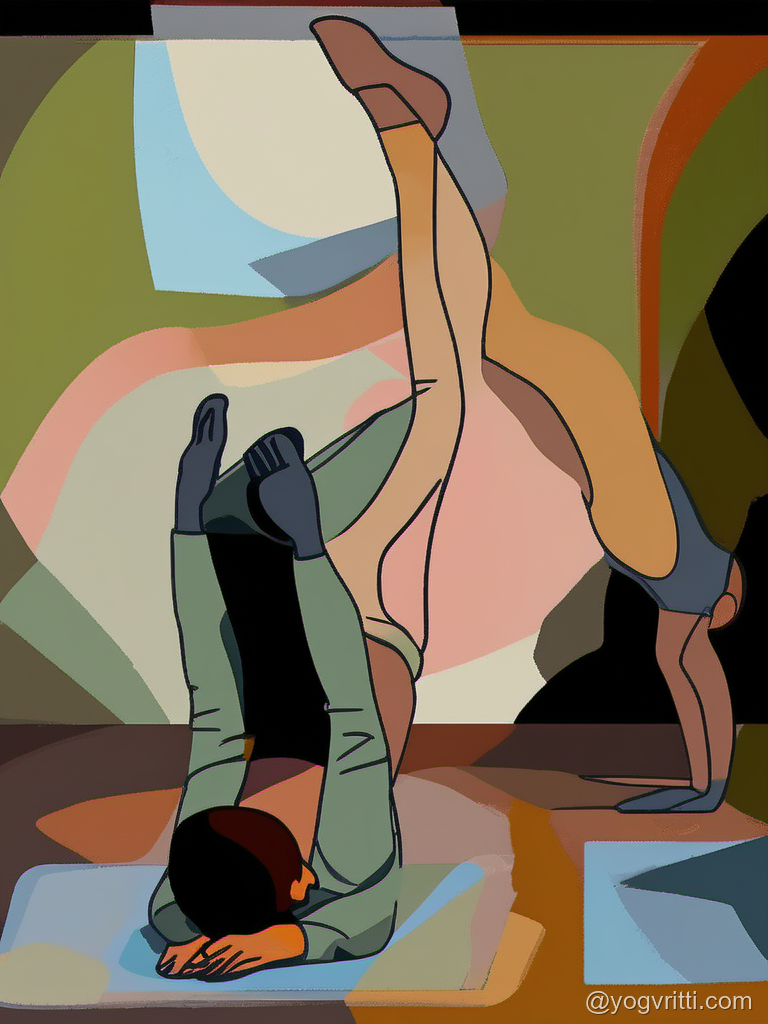
Shoulderstand, also called Supported Shoulderstand is a classical yoga posture whose Sanskrit roots break down as: Sa (With) · Alamba (Support) · Sarva (All) · Anga (Limbs). In this posture, the body reverses the pull of gravity, bringing the hips or legs above the heart. The posture works to engage the core, open and strengthen the shoulders and strengthen and extend the back. Stimulates the thyroid gland. Strengthens the back. It is particularly valued for quieting an anxious mind and supporting restful sleep. Suitable for intermediate practitioners with foundational yoga experience, it is a meaningful addition to any practice, particularly beneficial for beginners and teens. A blanket and strap can be used to make the posture more accessible and support correct alignment. Practitioners with neck pain and hypertension should approach with care or consult a qualified teacher.
Anatomy Involved
Benefits
Spinal Erectors(strengthening)
These deep muscles run along the entire length of your spine, from the sacrum to the skull. In Shoulderstand, they work actively to lift and straighten the torso, preventing it from collapsing and creating a sensation of lightness and upward extension. This sustained isometric contraction strengthens the back's core support, cultivating a resilient and vibrant spine. Yogically, this activation awakens the central energy channel (Sushumna Nadi), promoting the upward flow of Prana.
Core Abdominal Muscles(stabilizing)
Your deep abdominal muscles wrap around your torso like a natural corset, providing essential stability. In Sarvangasana, they subtly engage to draw the navel towards the spine, preventing the lower back from arching excessively and maintaining a stable foundation for the lifted legs. This intelligent engagement supports the internal organs and helps to channel energy upwards, contributing to a feeling of inner strength and integration. It's not a rigid hardening, but a responsive, deep support that allows for lift.
Shoulder Girdle Stabilizers(stabilizing)
The muscles surrounding your shoulder blades and humerus are crucial for creating a stable platform for the body. With the blanket supporting the shoulders, these muscles work synergistically to anchor the upper body, ensuring the weight is distributed evenly and not solely on the neck. This sustained engagement builds endurance and intelligent strength in the shoulder complex, protecting the delicate cervical spine. Energetically, it creates a firm base from which the rest of the body can ascend, symbolizing grounded effort.
- Full anatomical benefits — muscles, joints, organs →
Avoid If
Neck Injury / Cervical Issues
Looking up, bearing head weight, or unsupported neck rotation can compress cervical vertebrae and irritate nerves.
Avoid all weight-bearing on the head and neck; practise supported Setu Bandha or legs-up-the-wall instead.
High Blood Pressure
Vigorous effort and inverted positions temporarily raise blood pressure in the head, increasing strain on blood vessels.
Avoid this inversion entirely or keep the head above heart level at all times; never hold the breath.
Glaucoma / Eye Pressure
Inverted and head-below-heart positions increase intraocular pressure, which can be harmful for those with elevated eye pressure.
Avoid this inversion entirely; practise Viparita Karani (legs-up-the-wall) with a bolster under the hips as an alternative.
Pregnancy
Deep twists, abdominal compression, and lying flat on the back can restrict blood flow or cause discomfort as pregnancy progresses.
Avoid all inversions unless already well-established in the practice and with teacher supervision; use a wall-supported legs-up-the-wall instead.
Props That Can Help
Optional supports — use when helpful, not required
Folded Blanket
Stack two to three firm blankets under the shoulders in Shoulderstand to protect the cervical spine — this is not optional but essential for safety.
Yoga Strap
A strap extends your reach and allows the pose to be held with correct alignment before full flexibility is established.
Wall
Use the wall for support as you build the strength and confidence needed for the full unsupported inversion — kick up gently and walk the feet down slowly.
Common Mistakes to Avoid
Teaching Cues
For yoga teachers — verbal cues to guide students
6 cues
Teaching Cues
For yoga teachers — verbal cues to guide students
- 1Engage the core to maintain stability
- 2Press firmly through the foundation — hands, forearms, or head
- 3Keep the body in one straight line from base to feet
- 4Breathe steadily — do not hold the breath
- 5Come down slowly and with control
- 6Surrender the weight of the body to the props and the floor
Pose Details
Helps With
Pose Type
Body Focus
Focus Areas
Best For
Yoga Styles
When to Practice
Position
Modify If You Have
shoulder injury
Use extensive blanket support under shoulders, ensure chest opening.
Target Areas
Practice Flow

How to Practice
1. Lie on your back with legs straight and arms alongside your body.
2. Inhale, lift your legs up, then lift your hips off the floor.
3. Support your back with your hands, keeping elbows close to your shoulders.
4. Walk your hands up your back towards your shoulder blades, straightening your torso.
5. Tuck your chin towards your chest, keeping the back of the neck long and straight.
5 more steps remaining
Register free to see the complete instructions
Register Free to ContinueAlready registered? Login
Frequently Asked Questions
Common questions about Shoulderstand
What is Shoulderstand?
Shoulderstand, also called Supported Shoulderstand is a classical yoga posture whose Sanskrit roots break down as: Sa (With) · Alamba (Support) · Sarva (All) · Anga (Limbs). In this posture, the body reverses the pull of gravity, bringing the hips or legs above the heart. The posture works to engage the core, open and strengthen the shoulders and strengthen and extend the back. Stimulates the thyroid gland. Strengthens the back. It is particularly valued for quieting an anxious mind and supporting restful sleep. Suitable for intermediate practitioners with foundational yoga experience, it is a meaningful addition to any practice, particularly beneficial for beginners and teens. A blanket and strap can be used to make the posture more accessible and support correct alignment. Practitioners with neck pain and hypertension should approach with care or consult a qualified teacher.
What are the benefits of Shoulderstand?
Calms the brain. Stimulates the thyroid gland. Strengthens the back. Improves digestion. Reduces fatigue. Relieves stress and mild depression.
Who should avoid Shoulderstand?
Avoid this pose if you have: Neck injury, High blood pressure, Glaucoma, Pregnancy, Menstruation.
How many steps are in Shoulderstand?
Shoulderstand is practiced in 10 steps. Lie on your back with legs straight and arms alongside your body.
Is Shoulderstand suitable for beginners?
Shoulderstand is an intermediate-level pose. Beginners should practice with props or under guidance.
What props are needed for Shoulderstand?
You may use: blanket, strap, wall. Props make the pose more accessible and comfortable.
What conditions does Shoulderstand help with?
Shoulderstand is therapeutic for: anxiety, insomnia, digestive problems, posture correction, strength.
What poses should I do before Shoulderstand?
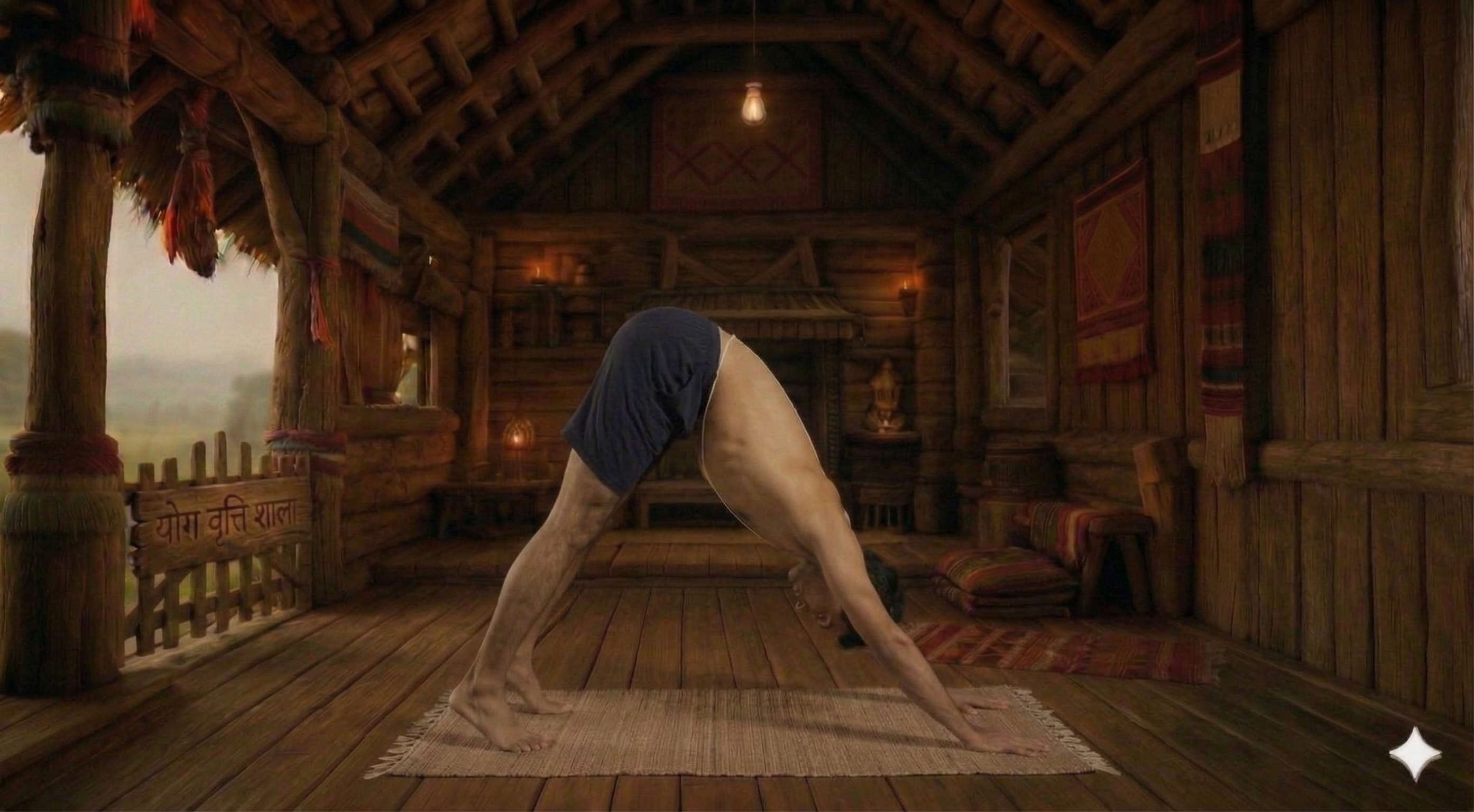
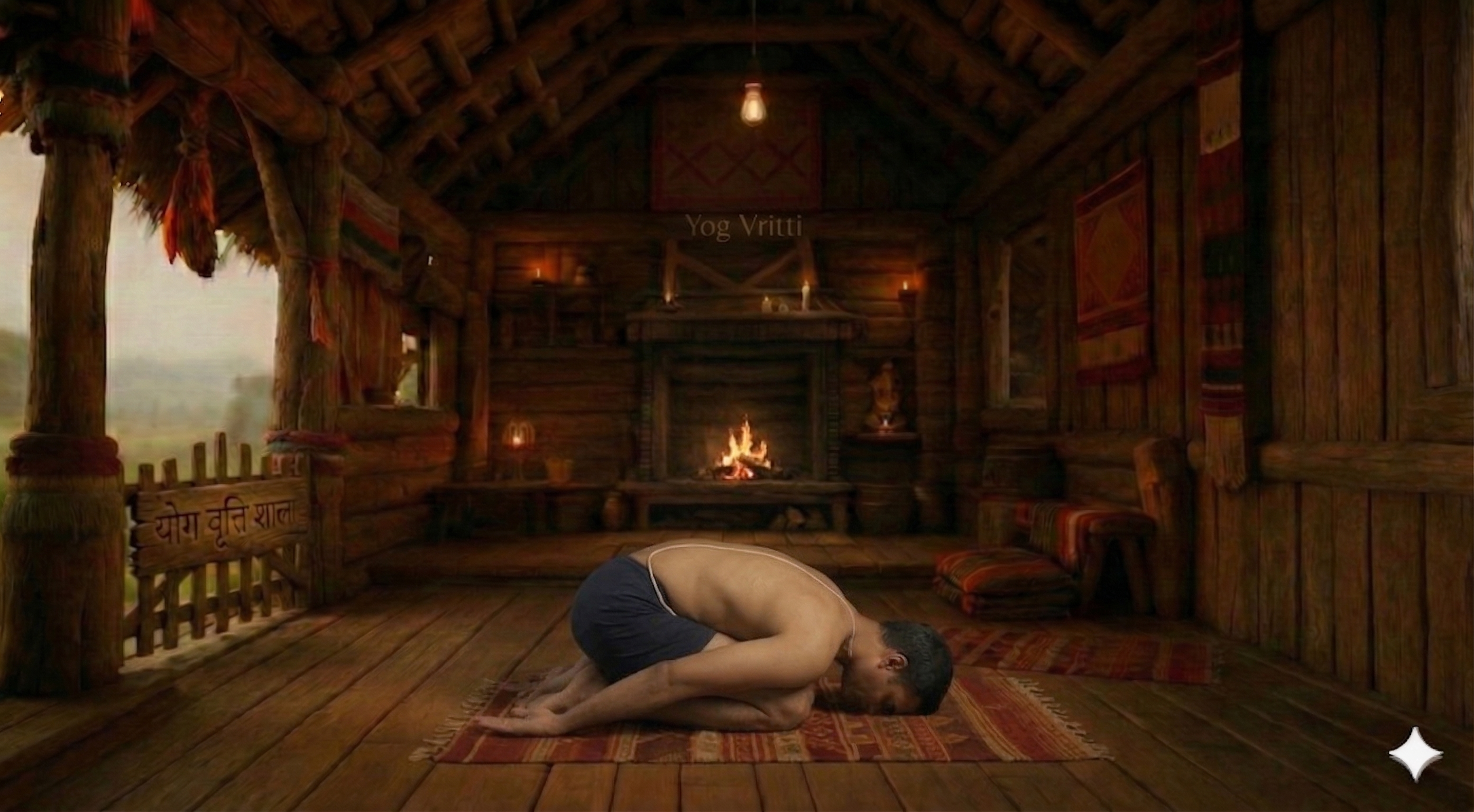
Prepare with: Adho Mukha Svanasana, Standing Forward Bend. These warm up the relevant muscles and joints.
Build Your Own Sequence
Combine Shoulderstand with other poses