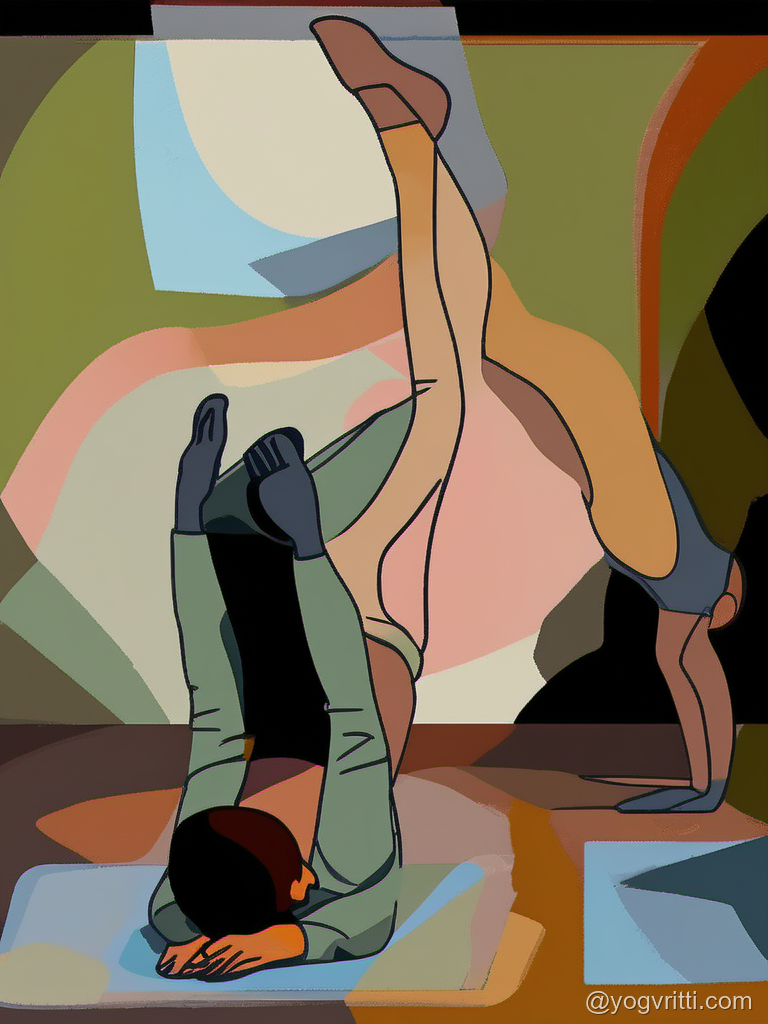
Supported Shoulderstand I
Supported Shoulderstand I · साলম্ব सर्वाङ्गासन १
Also known as: Salamba Sarvangasana I
Supported Shoulderstand I, also called Salamba Sarvangasana I is a classical yoga posture whose Sanskrit roots break down as: Sa (With) · Alamba (Support) · Sarva (All) · Anga (Limbs). In this posture, the body reverses the pull of gravity, bringing the hips or legs above the heart. The posture works to open and strengthen the shoulders, engage the core and release the neck. Stimulates the thyroid and prostate glands. Strengthens the shoulders, arms, and back. Suitable for intermediate practitioners with foundational yoga experience, it is a meaningful addition to any practice. A blanket and wall can be used to make the posture more accessible and support correct alignment. Practitioners with menstruation and glaucoma should approach with care or consult a qualified teacher.
Anatomy Involved
Benefits
- Calms the brain and helps relieve stress and mild depression
- Stimulates the thyroid and prostate glands
- Strengthens the shoulders, arms, and back
- Improves digestion
- Helps relieve the symptoms of asthma and infertility
- Full anatomical benefits — muscles, joints, organs →
Avoid If
High Blood Pressure
Vigorous effort and inverted positions temporarily raise blood pressure in the head, increasing strain on blood vessels.
Avoid this inversion entirely or keep the head above heart level at all times; never hold the breath.
Glaucoma / Eye Pressure
Inverted and head-below-heart positions increase intraocular pressure, which can be harmful for those with elevated eye pressure.
Avoid this inversion entirely; practise Viparita Karani (legs-up-the-wall) with a bolster under the hips as an alternative.
Menstruation
Some traditions advise against strong inversions and intense abdominal work during menstruation, as it may disrupt the natural downward energy flow.
Skip this inversion and practise Viparita Karani or Supta Baddha Konasana as a restorative alternative.
Props That Can Help
Optional supports — use when helpful, not required
Folded Blanket
Stack two to three firm blankets under the shoulders in Shoulderstand to protect the cervical spine — this is not optional but essential for safety.
Wall
Use the wall for support as you build the strength and confidence needed for the full unsupported inversion — kick up gently and walk the feet down slowly.
Common Mistakes to Avoid
Teaching Cues
For yoga teachers — verbal cues to guide students
5 cues
Teaching Cues
For yoga teachers — verbal cues to guide students
- 1Engage the core to maintain stability
- 2Press firmly through the foundation — hands, forearms, or head
- 3Keep the body in one straight line from base to feet
- 4Breathe steadily — do not hold the breath
- 5Come down slowly and with control
Pose Details
Pose Type
Body Focus
Focus Areas
Yoga Styles
When to Practice
Position
Target Areas
Practice Flow
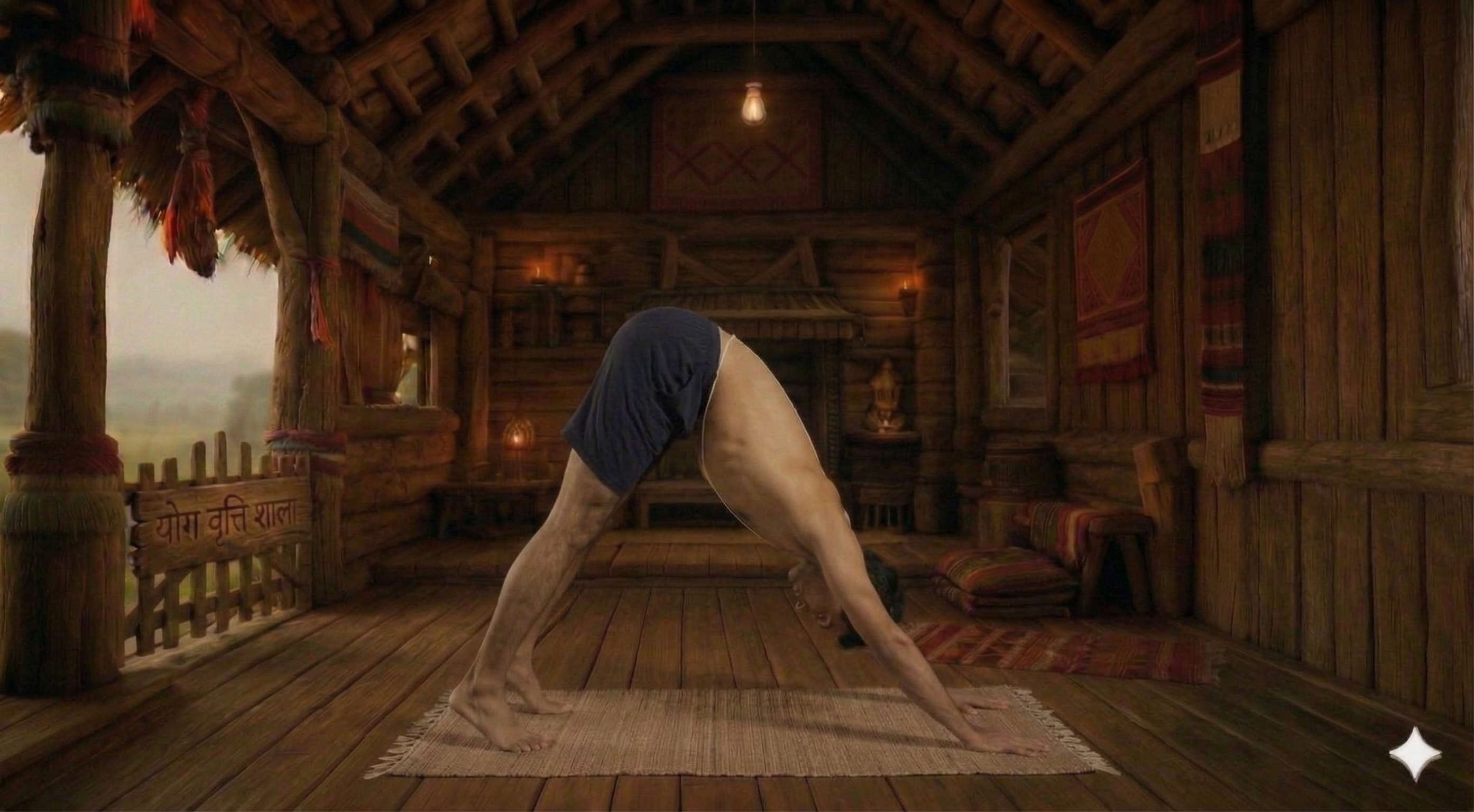

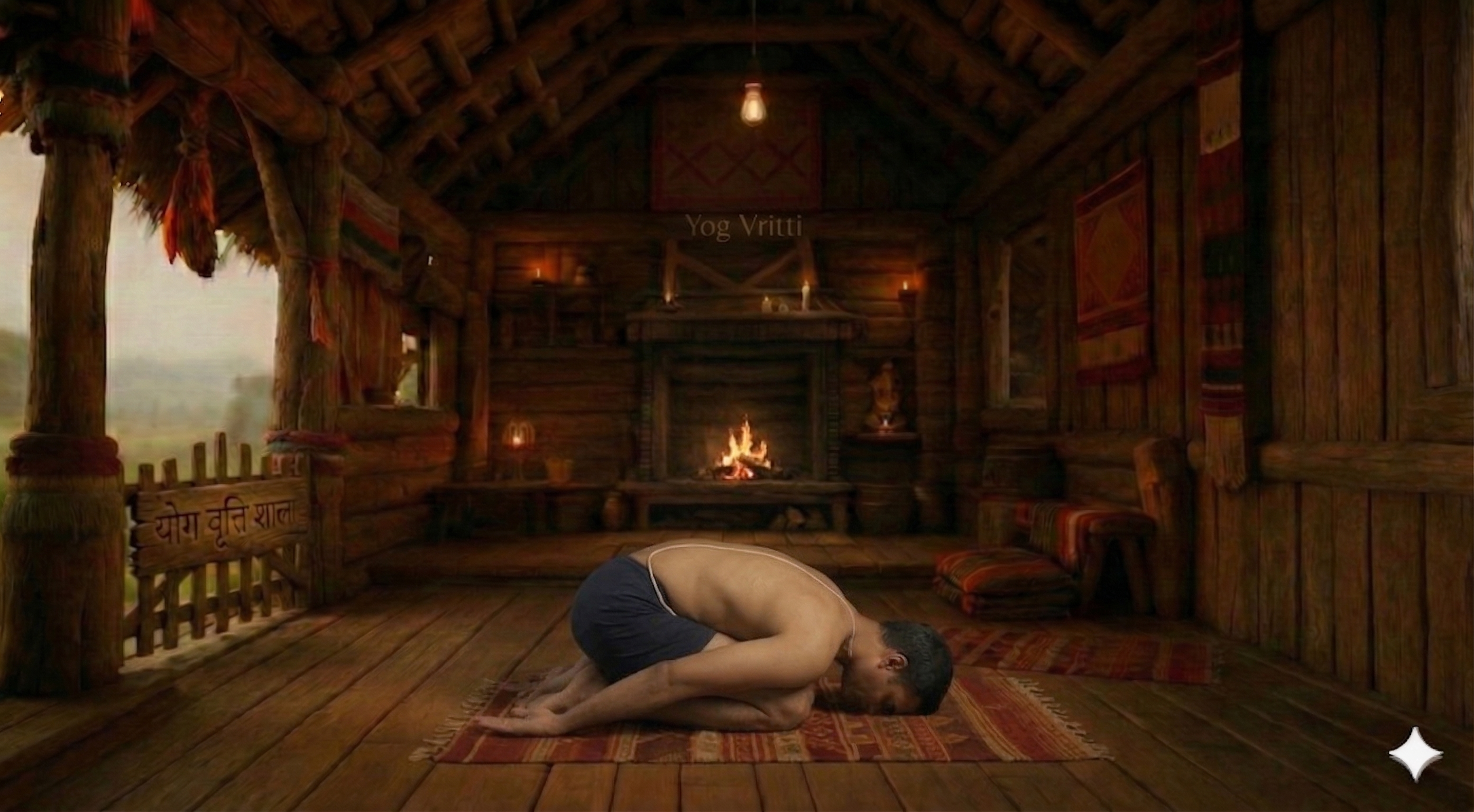
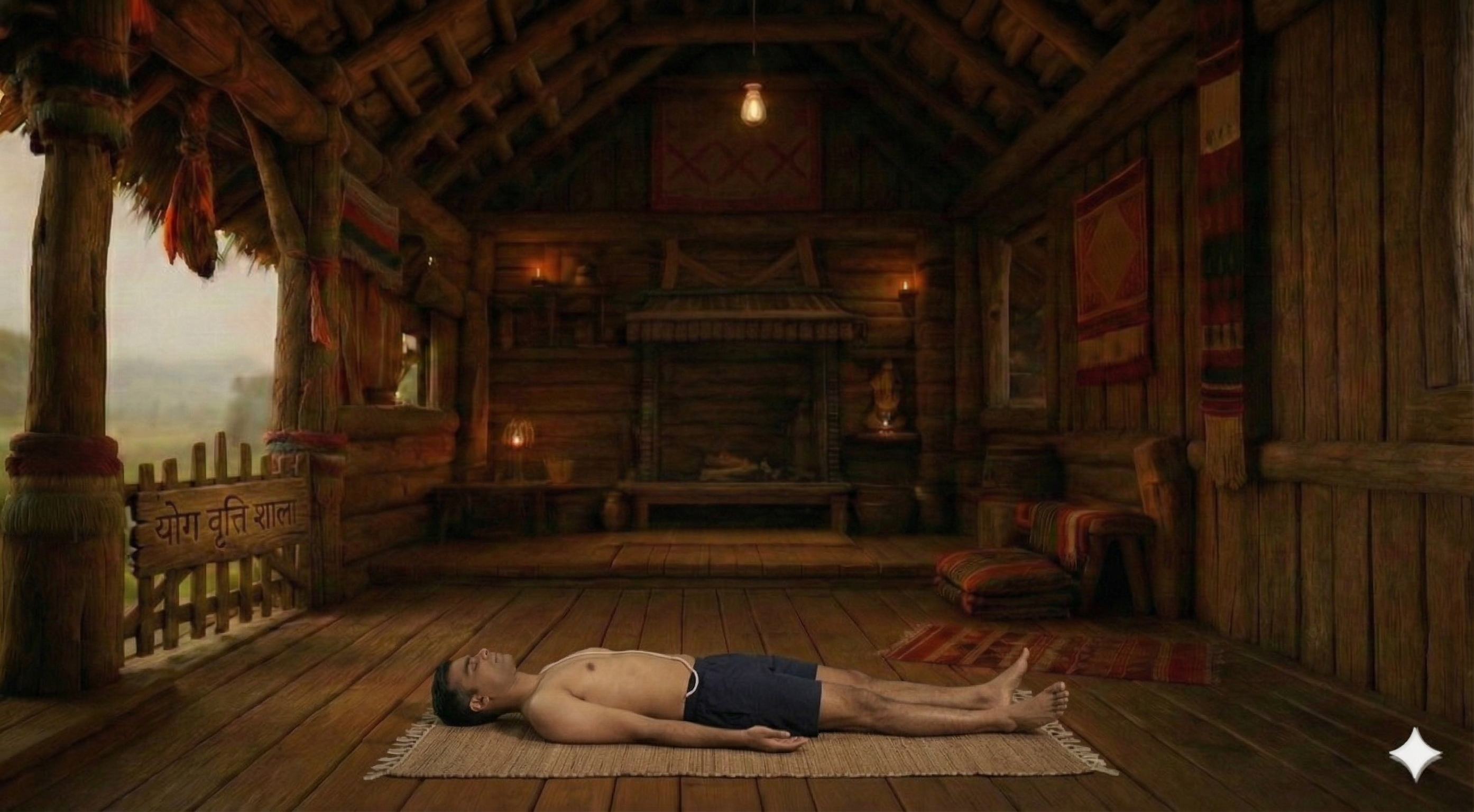
How to Practice
1. Lie supine on a mat. Bend your knees and place your feet flat on the floor.
2. Exhale and lift your legs, then lift your hips off the floor.
3. Support your lower back with your hands, keeping your elbows shoulder-width apart.
4. Gradually walk your hands up your back towards your shoulder blades as you straighten your body, bringing your legs up towards the ceiling.
5. Press your chin toward your chest, keeping your neck straight and relaxed.
4 more steps remaining
Register free to see the complete instructions
Register Free to ContinueAlready registered? Login
Frequently Asked Questions
Common questions about Supported Shoulderstand I
What is Supported Shoulderstand I?
Supported Shoulderstand I, also called Salamba Sarvangasana I is a classical yoga posture whose Sanskrit roots break down as: Sa (With) · Alamba (Support) · Sarva (All) · Anga (Limbs). In this posture, the body reverses the pull of gravity, bringing the hips or legs above the heart. The posture works to open and strengthen the shoulders, engage the core and release the neck. Stimulates the thyroid and prostate glands. Strengthens the shoulders, arms, and back. Suitable for intermediate practitioners with foundational yoga experience, it is a meaningful addition to any practice. A blanket and wall can be used to make the posture more accessible and support correct alignment. Practitioners with menstruation and glaucoma should approach with care or consult a qualified teacher.
What are the benefits of Supported Shoulderstand I?
Calms the brain and helps relieve stress and mild depression. Stimulates the thyroid and prostate glands. Strengthens the shoulders, arms, and back. Improves digestion. Helps relieve the symptoms of asthma and infertility.
Who should avoid Supported Shoulderstand I?
Avoid this pose if you have: Neck problems, High blood pressure, Glaucoma, Menstruation.
How many steps are in Supported Shoulderstand I?
Supported Shoulderstand I is practiced in 9 steps. Lie supine on a mat. Bend your knees and place your feet flat on the floor.
Is Supported Shoulderstand I suitable for beginners?
Supported Shoulderstand I is an intermediate-level pose. Beginners should practice with props or under guidance.
What props are needed for Supported Shoulderstand I?
You may use: blanket, wall. Props make the pose more accessible and comfortable.
What poses should I do before Supported Shoulderstand I?
Prepare with: Adho Mukha Svanasana, Standing Forward Bend. These warm up the relevant muscles and joints.
Build Your Own Sequence
Combine Supported Shoulderstand I with other poses