4
Muscles
3
Joints
2
Organs
2
Mental
Seated Tadasana
बैठे ताड़ासन
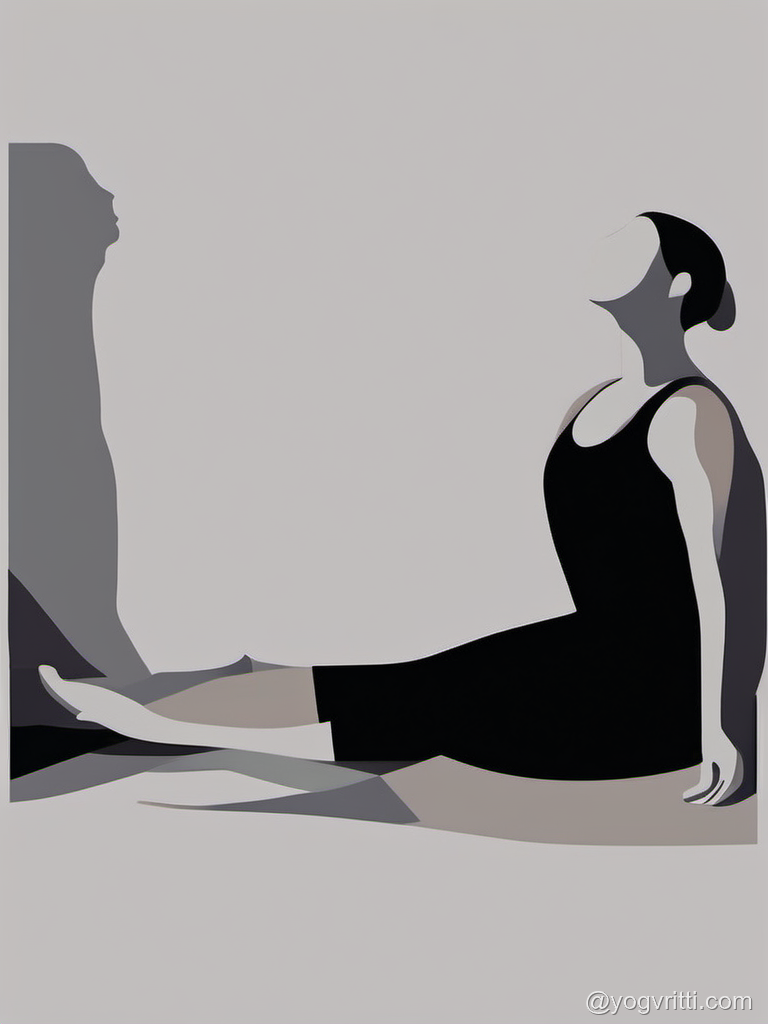
Seated Tadasana is a quiet yet profound practice, meticulously establishing the foundational alignment of the spine in a seated position. It meticulously engages the deep core stabilizers, like the transversus abdominis and multifidus, to create an internal lift and unwavering support for the vertebral column. This pose cultivates a palpable sense of inner strength and equilibrium, allowing the practitioner to experience the upwards flow of prana (udana vayu) while remaining deeply rooted. It’s an essential preparation for all higher seated practices, teaching the body and mind to hold stillness with integrity and awareness, fostering a grounded and expansive consciousness.
Seated Mountain Pose, also called Chair Tadasana is a classical yoga posture whose Sanskrit roots break down as: Tada (Mountain) · Asana (Seated Pose). Seated on the mat, the practitioner grounds through the sit bones while the spine rises tall. The posture works to engage the core and strengthen and extend the back. Strengthens the core and back muscles. Foundation for pranayama and meditation. It is particularly valued for improving overall posture and alleviating back discomfort. Suitable for beginners and regular practitioners alike, it is an excellent warm-up, particularly beneficial for seniors and prenatal. A blanket and wall can be used to make the posture more accessible and support correct alignment. Practitioners with spinal injury and hip injury should approach with care or consult a qualified teacher.
Helps with
Muscles Worked
Core Stabilizers
[Transversus Abdominis, Multifidus]
These deep muscles form an internal corset, wrapping around the abdomen (transversus abdominis) and running along the spine (multifidus).
In Seated Tadasana, they engage subtly to draw the navel gently towards the spine and stabilize each individual vertebra.
This action provides unwavering support for the lumbar spine, preventing slumping and creating a sense of internal lift.
Yogically, this engagement fosters a stable foundation for the upward flow of prana, bringing a feeling of centeredness and inner strength.
Spinal Erectors
[Erector Spinae: Iliocostalis, Longissimus, Spinalis]
These powerful muscles run vertically along the entire length of your back, acting as primary extensors of the spine.
In this pose, they work gently to lengthen the spine, counteracting the natural tendency to round or collapse.
This sustained, subtle activation helps to restore the spine's natural curves and counteract the effects of prolonged sitting.
The practitioner experiences a profound sense of uprightness and dignity, allowing the breath to flow unimpeded and the mind to remain alert.
Shoulder Blade Stabilizers
[Rhomboid Major/Minor, Trapezius Inferior/Middle fibers]
Located between your shoulder blades and across your upper back, these muscles are crucial for drawing the shoulder blades down and towards each other.
In Seated Tadasana, they gently activate to prevent the shoulders from rounding forward and elevating towards the ears, creating an open chest.
This action helps to broaden the collarbones and lift the sternum, releasing tension from the neck and upper back.
Energetically, this opening cultivates a sense of spaciousness in the heart center (anahata chakra), fostering emotional ease and confidence.
Deep Hip Rotators
[Piriformis, Gemelli, Obturators, Quadratus Femoris]
These small, deep muscles are located beneath the gluteal muscles, responsible for externally rotating the thigh at the hip joint.
In a comfortable cross-legged position, they are subtly engaged to allow the knees to soften downwards, helping to ground the pelvis evenly.
While not a primary stretch, their gentle activation promotes stability at the hip joint, reducing strain on the lower back.
This grounding effect helps to anchor the lower body, allowing the upper spine to rise freely and connecting the practitioner to the earth's steady energy.
Joints Mobilized
Spinal Column
decompressingThe many small joints between each vertebra along your spine are asked to stack precisely, creating length and space.
In Seated Tadasana, the subtle lifting action encourages decompression of the intervertebral discs, reducing compressive forces that build up from gravity and poor posture.
This creates a feeling of lightness and fluidity in the spine, allowing for a more unrestricted flow of cerebrospinal fluid and nervous impulses.
Regular practice improves spinal mobility and resilience, fostering a youthful suppleness throughout the back.
Shoulder Girdle
stabilizingThis is the functional articulation where your shoulder blade (scapula) glides over your rib cage (thorax).
In this pose, the emphasis is on stabilizing the shoulder blades by drawing them down and back, preventing protraction and elevation.
This intelligent engagement creates a broad, open chest and allows the neck to lengthen without strain.
The practitioner experiences less tension in the upper back and neck, facilitating a sense of ease and openness in the upper body, crucial for clear breathing.
Hips
stabilizingThe sacroiliac joints connect your sacrum to your pelvis, while the hip joints connect your thigh bones to your pelvis.
In Seated Tadasana, especially when cross-legged on a blanket, the aim is to stabilize the pelvis in a neutral position, allowing the weight to be distributed evenly across the sit bones.
This grounding action promotes stability in the base of the spine and reduces compensatory tilting, which can lead to lower back pain.
A stable pelvis provides a solid foundation from which the spine can ascend, fostering a feeling of rootedness and unshakable steadiness.
Organ & System Benefits
Abdominal Organs
By sitting tall with an elongated spine and engaged core, the abdominal cavity is given optimal space rather than being compressed.
This subtle lift and broadening of the torso allow the internal organs to rest in their natural positions, promoting healthy digestive function and reducing sluggishness.
The practitioner may feel a sense of internal spaciousness and lightness, supporting vital energy (prana) distribution throughout the abdominal region, often referred to as the manipura chakra.
Lungs and Diaphragm
With the spine erect and chest open, the rib cage is free to expand fully in all directions, particularly downwards with the help of the diaphragm.
This optimal thoracic posture allows for deeper, more complete breaths, increasing lung capacity and improving oxygen-carbon dioxide exchange.
The enhanced breath directly impacts vitality, calming the nervous system, and invigorating the entire body, allowing prana to flow more freely and deeply.
Nervous System
The mindful alignment and stillness of Seated Tadasana help to quiet the external senses, drawing awareness inward.
This introspective focus, combined with a stable posture, sends signals of safety to the brain, activating the parasympathetic nervous system.
The practitioner experiences a profound sense of calm, a reduction in anxiety, and a feeling of grounded presence, allowing the mind to settle and chitta vritti (mind fluctuations) to diminish.
By consciously lengthening the spine and opening the chest, the vagus nerve, which runs through the neck and torso, is gently stimulated and given space.
This stimulation is known to regulate heart rate, digestion, and mood, promoting a state of physiological balance.
The result is a greater sense of inner peace and equilibrium, supporting the body's natural healing processes and fostering a resilient nervous system.
Mental & Emotional
This pose is a powerful tool for cultivating dharana, or concentrated attention, as the practitioner constantly refines their postural alignment and internal awareness.
The act of sitting tall and steady requires sustained mental effort, which strengthens the mind's ability to focus and resist distraction.
This mental discipline translates into improved concentration in daily life and a greater capacity for sustained meditation practices.
Seated Tadasana directly impacts self-perception and confidence by physically embodying dignity and strength.
Holding an upright, open posture can shift one's internal dialogue, fostering a sense of self-respect and presence.
The yogic experience is one of cultivating a clear, focused mind (buddhi) and a steady, unwavering resolve, preparing the practitioner for deeper states of contemplation and self-inquiry.
Because of Its Shape
seated
A seated posture inherently promotes introspection and grounding, shifting the focus from external movement to internal sensation.
This shape allows the practitioner to explore stability and alignment without the added challenge of balancing against gravity in a standing position.
It cultivates a sense of rootedness, connecting the practitioner to the earth (prithvi tattva) and preparing the mind for deeper, more subtle internal work.
Seated poses are foundational for pranayama and meditation, as they teach the body to hold stillness with integrity and comfort over extended periods.
By establishing a stable base and an elongated spine, the energetic channels (nadis) are encouraged to open, facilitating the free flow of prana.
This allows the breath to deepen naturally and the mind to calm, creating the optimal conditions for inner exploration and spiritual growth.
Fascial Lines
The body's fascia is a continuous, interconnected web of connective tissue that wraps around muscles, bones, and organs, influencing posture and movement.
In Seated Tadasana, the sustained elongation of the spine gently lengthens the superficial back line of fascia, which runs from the soles of the feet up the back of the body to the skull.
Simultaneously, the deep front line, encompassing the core and inner thighs, is subtly activated and toned, creating internal support.
This intelligent interplay helps to release chronic tension patterns held within the fascial matrix, promoting greater fluidity, reducing stiffness, and allowing vital energy to move unimpeded through the body's subtle channels.
Breathing & Respiratory
The intentional uprightness and open chest in Seated Tadasana naturally create an expansive environment for the respiratory system.
This optimal posture encourages deeper diaphragmatic breathing, where the diaphragm can move freely downwards on inhalation, allowing the lungs to fill completely.
The practitioner experiences a more profound and calming breath, which in turn regulates the nervous system and enhances the flow of prana throughout the body.
This pose is a perfect preparation for focused pranayama practices, as it establishes the physical integrity needed for sustained breath retention and manipulation.
Anatomical Caution
Teachers should carefully observe students for any rounding in the lower back, which can strain the lumbar spine.
Encourage the use of a folded blanket under the sit bones to elevate the hips, allowing the pelvis to tilt forward and maintain the natural lumbar curve.
For students with very tight hips or knee pain, suggest extending one or both legs, or sitting on a chair, ensuring comfort over forced adherence to the cross-legged position.