5
Muscles
3
Joints
2
Organs
2
Mental
Supta Tadasana
सुप्त ताड़ासन
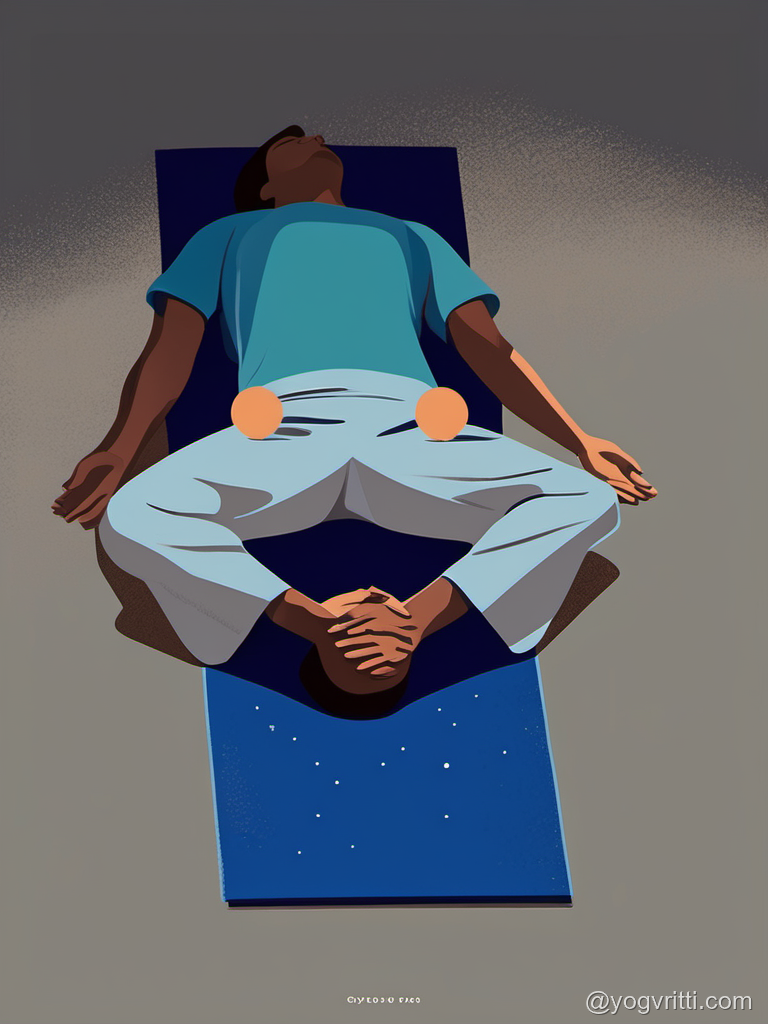
Supta Tadasana, the Supine Mountain Pose, is a foundational asana that cultivates deep body awareness and precise alignment from the ground up. By engaging the core stabilizers, lengthening the entire posterior chain, and actively extending every limb, it brings a profound sense of grounding and integration. This pose is invaluable for revealing subtle asymmetries and imbalances, helping practitioners to establish a stable and balanced energetic foundation for all other yoga practices. It is a powerful tool for self-observation, promoting both physical integrity and mental stillness.
Supine Mountain Pose, also called Lying Mountain Pose is a classical yoga posture. Its Sanskrit name Supta Tadasana translates word-for-word as: Supta (Reclining) · Tada (Mountain) · Asana (Pose). Performed lying down, the body releases into the support of the floor, allowing gravity to assist. The posture works to engage the core, strengthen and extend the back and tone the arms. Reveals physical asymmetries. Strengthens subtle postural muscles. It is particularly valued for improving overall posture and developing greater flexibility. Suitable for beginners and regular practitioners alike, it is an excellent warm-up, particularly beneficial for seniors and prenatal. A blanket can be used to make the posture more accessible and support correct alignment. Practitioners with spinal injury and abdominal surgery should approach with care or consult a qualified teacher.
Helps with
Muscles Worked
Deep Core Stabilizers
[Transversus Abdominis, Multifidus]
These deep muscles, wrapping around your trunk like a corset and running along your spine, are subtly engaged to stabilize the lower back and pelvis.
This engagement creates a central axis of support, preventing the lower back from arching excessively and allowing the limbs to extend freely without strain.
Cultivating this inner strength connects you to your energetic core, the kanda, fostering a sense of inner stability and integrity.
Quadriceps
[Rectus Femoris, Vastus Lateralis, Vastus Medialis, Vastus Intermedius]
The muscles on the front of your thighs actively engage, drawing your kneecaps gently upwards towards your hips.
This activation extends through the legs, providing stability to the knee joint and initiating a gentle lengthening in the opposing hamstring muscles.
This conscious engagement grounds the energy of your legs, preventing them from splaying and promoting a sense of integration from your hip creases all the way to your heels.
Hamstrings
[Biceps Femoris, Semitendinosus, Semimembranosus]
As the quadriceps activate and the heels press away, the long muscles at the back of your thighs are encouraged to gently release and lengthen.
This is not a forceful stretch but a patient unwinding of tension, often accumulated from prolonged sitting and daily activities.
Energetically, this release allows apana vayu, the downward-moving energy, to flow more freely, creating a feeling of spaciousness and ease in the entire posterior chain of the legs.
Spinal Erectors
[Erector Spinae Group]
These muscles, running along the length of your spine, are gently encouraged to lengthen along the floor, promoting a subtle decompression of the vertebral column.
While maintaining the natural curves of the spine, there's an active effort to extend the spine from the tailbone to the crown of the head.
This subtle engagement brings conscious awareness to each segment of the spine, fostering fluidity and reducing habitual compression, allowing prana to move unobstructed.
Triceps
[Triceps Brachii]
Gently pressing the upper arms and elbows into the floor activates the muscles on the back of your upper arms.
This action helps to broaden the collarbones and subtly open the chest, supporting the full extension of the arms alongside the body.
This engagement brings a sense of power and stability to the upper body, energetically helping to open the heart space (Anahata Chakra) and allowing for a fuller, more expansive breath.
Joints Mobilized
Spine
decompressingLying supine with active extension gently decompress the vertebral column, encouraging space between each disc, particularly in the lumbar and cervical regions.
Gravity assists in this process, relieving pressure and promoting optimal alignment of the spine's natural curves.
Regular practice can alleviate chronic back stiffness and improve overall spinal health, facilitating the unimpeded flow of prana along the sushumna nadi, the central energetic channel.
Hips
stabilizingBy keeping the legs together and actively engaged, the hip joints are held in a neutral, stable position, avoiding deep flexion or rotation.
This foundational alignment helps to re-educate the muscles surrounding the hips, promoting balanced strength and flexibility around the joint capsule.
Over time, this cultivated stability translates into improved balance and greater ease and freedom of movement in more dynamic standing poses.
Shoulders
stabilizingWhile the shoulders are stabilized by the gentle pressing of the arms into the floor, the subtle action of broadening the collarbones encourages a release and slight external rotation in the shoulder girdle.
This prevents the shoulders from hunching up towards the ears, creating space around the neck and alleviating tension often held in the upper trapezius muscles.
This opening around the heart center promotes a sense of ease and receptivity, both physically and energetically.
Organ & System Benefits
Lungs (Respiratory System)
Lying supine with a broad chest and extended spine creates optimal conditions for the lungs to function efficiently.
The diaphragm has ample space to move downwards, facilitating deeper and fuller breaths into the lower lobes of the lungs, which are often underused.
This encourages a more complete exchange of oxygen and carbon dioxide, enhancing respiratory efficiency and increasing the intake of vital prana, invigorating the entire system.
Abdominal Organs (Digestive System)
Though there's no direct compression, the gentle engagement of the deep core muscles provides subtle internal support and a mild 'toning' effect to the abdominal organs.
This can indirectly aid in healthy peristalsis and improve circulation within the digestive system.
A calm and supported nervous system, cultivated by the pose, further promotes optimal digestive function, reflecting the balanced flow of samana vayu, which governs assimilation.
Nervous System
The practitioner often experiences a profound sense of calm and groundedness as the entire back body is fully supported by the earth.
This physical sensation of being held signals safety to the brain, gently activating the parasympathetic nervous system, responsible for 'rest and digest' functions.
The steady, conscious breath cultivated in this pose further reinforces this state of tranquility, effectively quieting the incessant mental chatter (chitta vritti).
By actively engaging the entire body while remaining still and supported, the mind is drawn into the present moment, away from external distractions and internal anxieties.
This focused awareness, combined with the gentle activation of proprioceptors throughout the body, helps to integrate the body-mind connection.
This heightened interoception can significantly reduce anxiety by shifting focus from external stressors to internal sensations, fostering a deep sense of inner peace and stability.
Mental & Emotional
This pose cultivates an intense sense of body awareness and introspection, as the external distractions are minimized by the supine position.
Students learn to observe their physical alignment, their breath, and the subtle movements of energy within, without judgment or striving.
This practice of internal observation is a foundational step towards Pratyahara, the withdrawal of the senses, which prepares the mind for deeper states of meditation and self-realization.
The act of consciously extending every part of the body, from the heels to the fingertips and the crown, fosters a sense of mental expansion, clarity, and precision.
It teaches the mind to be present and attentive to subtle details, mirroring the precision required in the physical alignment of the pose.
This focused attention strengthens Dharana, concentration, and helps to quiet the restless mind, bringing a profound sense of mental equilibrium and stillness.
Because of Its Shape
supine
Lying on the back provides complete support for the spine and the entire posterior chain, allowing gravity to assist in releasing tension rather than creating compression.
This deep, unwavering connection with the earth brings a profound sense of grounding and security, which is essential for calming the nervous system and settling the mind.
Energetically, this position allows apana vayu, the downward-moving energy, to settle and consolidate, creating a powerful feeling of stability and being deeply rooted.
The supine position offers an unbiased canvas to observe the body's natural alignment and any existing asymmetries without the complicating factor of gravity's downward pull on a standing posture.
This allows for a more precise understanding of how the bones stack and how muscles engage to create a straight, balanced line.
This heightened awareness helps to re-educate the body's proprioceptors, leading to improved postural habits and more efficient movement patterns in all other activities.
For individuals experiencing back pain, fatigue, or stress, lying supine in Supta Tadasana can be profoundly therapeutic, gently decompressing the spine and allowing overworked muscles to relax.
The active yet gentle extension throughout the body creates length without strain, promoting a passive yet engaged release of chronic tension.
This shape encourages the balanced flow of prana evenly throughout the entire body, facilitating deep healing, rejuvenation, and a renewed sense of vitality.
Fascial Lines
Supta Tadasana gently engages and lengthens the entire superficial back line of fascia, which is a continuous web of connective tissue running from the soles of the feet, up the backs of the legs, along the spine, and over the scalp.
As you actively extend through the heels and the crown of the head, this interconnected fascial network receives a sustained, subtle stretch, releasing chronic holding patterns and restrictions.
This opening of the fascial lines improves overall flexibility and mobility, allowing prana to flow unobstructed through the body's energetic channels, leading to a feeling of greater freedom and ease.
Breathing & Respiratory
In Supta Tadasana, the supine position with an extended and supported spine naturally encourages a deeper and more expansive breath, particularly into the belly and the sides of the rib cage.
The diaphragm has full freedom to descend, gently massaging the abdominal organs and drawing air efficiently into the lower lobes of the lungs.
This promotes a calming, diaphragmatic breath, which is a key component of foundational pranayama practices like Dirgha Swasam (three-part breath) or Ujjayi, fostering a profound sense of inner quietude, focus, and vitality.
Anatomical Caution
Teachers should be particularly mindful of students who tend to over-arch their lower back (lumbar spine) when attempting to flatten it against the floor.
Encourage students to maintain the natural curve, perhaps by placing a thin blanket under the head to avoid straining the neck.
Emphasize mindful extension through the heels and crown rather than forceful flattening, reminding students that the goal is awareness and length, not rigidity or discomfort.