4
Muscles
3
Joints
2
Organs
3
Mental
Virasanan
वीरासन
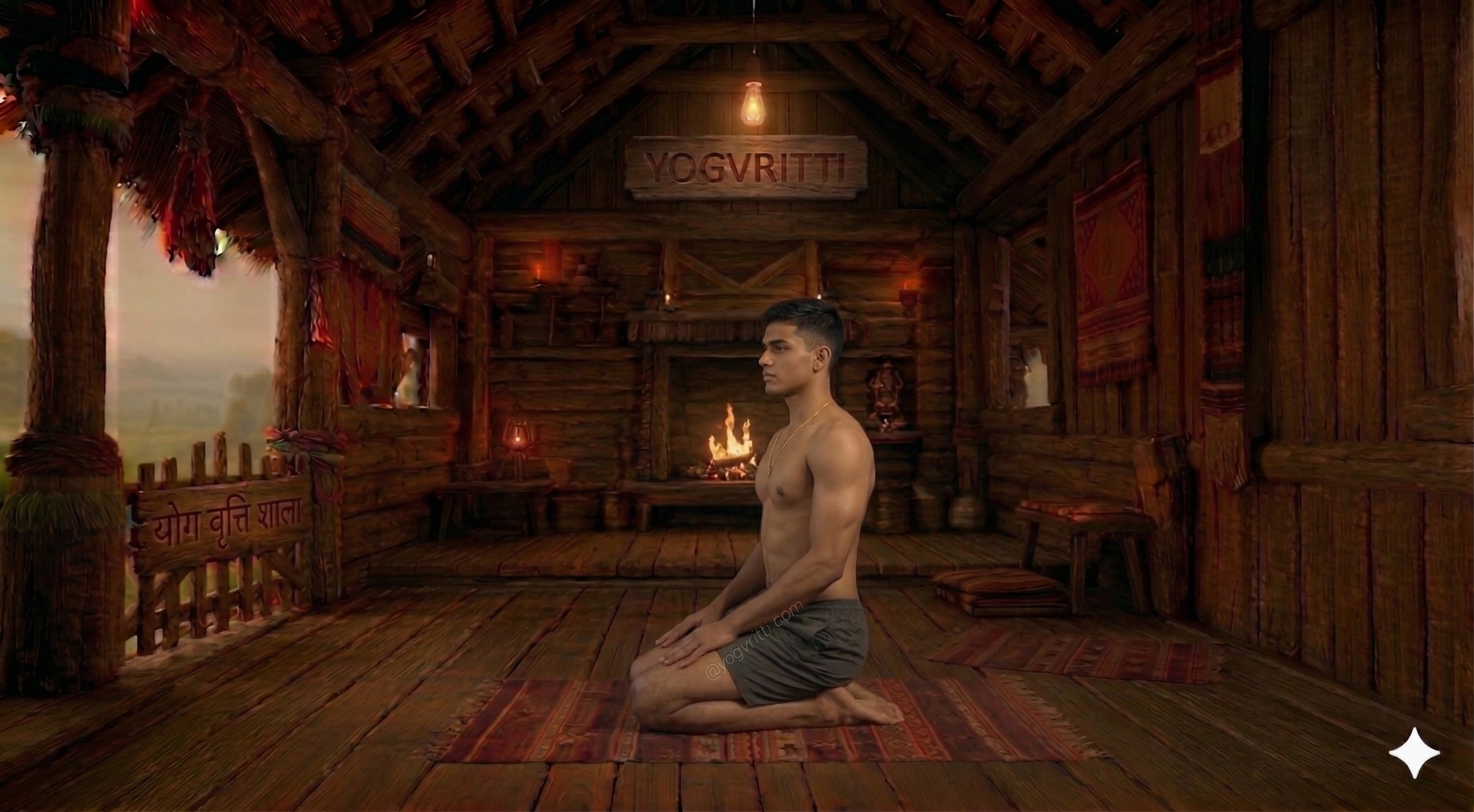
Virasana, or Hero Pose, is a foundational seated posture that profoundly stretches the anterior fascial lines of the thighs and shins, while mobilizing the knee and ankle joints. This pose cultivates a stable, grounded base, allowing the spine to lengthen effortlessly, which is essential for sustained meditation and pranayama. Energetically, it grounds the lower body while uplifting the core, fostering mental clarity and inner peace, making it invaluable for both physical flexibility and meditative stillness.
Hero Pose Variation, also called Virasanan is a classical yoga posture. Its Sanskrit name Virasanan translates word-for-word as: Virasanan (Virasanan) · Asana (Pose). Beginning from a kneeling position, the practitioner grounds through the sit bones while the spine rises tall. Stretches the quadriceps and ankles. Improves circulation in the legs. Excellent seated position for meditation. It is particularly valued for developing greater flexibility. Suitable for beginners and regular practitioners alike, it is an excellent warm-up, particularly beneficial for beginners. Practitioners with knee injury and ankle injury should approach with care or consult a qualified teacher.
Helps with
Muscles Worked
Quadriceps
Rectus Femoris, Vastus Medialis, Vastus Lateralis, Vastus Intermedius
The large muscles on the front of your thighs, the quadriceps, receive a deep, sustained stretch as your knees are deeply flexed and your buttocks settle between your heels.
This action helps to release chronic tightness often held from repetitive activities or prolonged sitting, improving the extensibility of the muscle fibers.
Energetically, releasing these powerful muscles frees the flow of prana through the front of the legs, contributing to a sense of lightness and ease in the lower body.
Tibialis Anterior
Tibialis Anterior
This muscle runs along the front of your shin bone, from just below the knee to the top of the foot, and it is stretched significantly as your ankles move into deep plantarflexion.
This action helps to release tension that can accumulate in the anterior compartment of the lower leg, often restricted by footwear or prolonged standing.
From a yogic perspective, this opening in the shins enhances the energetic connection between the feet and the earth, deepening your sense of grounding and stability.
Erector Spinae
Erector Spinae Group (Iliocostalis, Longissimus, Spinalis)
These essential muscles along the back of your spine work subtly to maintain the upright, elongated posture in Virasana, counteracting the natural pull of gravity.
By gently engaging to keep the spine long and neutral, they cultivate a sense of dignified presence and inner strength without rigidity.
This subtle activation helps to align the central energy channel, known as sushumna nadi, promoting mental clarity and an unwavering inner poise ideal for meditative practices.
Gluteus Maximus
Gluteus Maximus
While not actively stretching, the largest muscle in your buttocks, the gluteus maximus, plays a crucial role in stabilizing your pelvis and hips as you sit between your heels.
This foundational stability ensures a balanced and supported base for your torso, reducing unnecessary strain on the lower back.
Energetically, this rootedness creates a strong foundation for the upward flow of prana, supporting a calm and focused mind for the deeper aspects of your practice.
Joints Mobilized
Knees
mobilizingThe knee joints, specifically the tibiofemoral and patellofemoral joints, undergo significant flexion in Virasana, gently challenging their normal range of motion.
This sustained position, when approached mindfully, encourages the circulation of synovial fluid within the joint capsule, nourishing the cartilage and improving overall flexibility.
Practitioners often feel a profound release of stiffness in the knees, leading to greater ease in bending and a more fluid gait in daily life.
Ankles
mobilizingThe ankles, comprising the talocrural and subtalar joints, are deeply plantarflexed, which provides an intense stretch across the front of the ankle and the top of the foot.
This action helps to release tightness in the anterior ankle ligaments and tendons, which commonly become restricted due to wearing shoes or lack of full range of motion.
Consistent practice in Virasana enhances ankle mobility and flexibility, directly improving balance and the ability to stand and walk with greater stability and grace.
Hips
stabilizingWhile the primary action is in the knees and ankles, the hip joints (acetabulofemoral joints) are in a neutral, slightly internally rotated position, providing a stable and grounded foundation for the pelvis.
This stability allows the practitioner to sit comfortably and maintain an upright spine without excessive muscular effort in the hips themselves.
A stable hip foundation helps to ground the lower body, fostering a sense of security and allowing energy to flow freely upwards through the spinal column.
Organ & System Benefits
Digestive System
In Virasana, the upright seated posture creates optimal space for the abdominal organs, preventing compression and allowing for efficient function of the digestive system.
The gentle pressure from the thighs on the calves can subtly stimulate circulation in the lower abdomen, encouraging healthy peristalsis and optimal blood flow to the digestive tract.
This supports the body's natural cleansing processes, leading to a feeling of lightness and improved metabolic function.
Circulatory System (Lower Extremities)
By sitting with the buttocks between the heels, blood flow to the lower legs and feet is temporarily reduced, creating a 'damming' effect.
Upon releasing the pose, there's a significant rush of fresh, oxygenated blood into these areas, which acts as a powerful flushing action.
This improved circulation aids venous return and lymphatic drainage, reducing swelling and stagnation in the ankles and feet, and revitalizing the tissues with renewed energy.
Nervous System
The grounded and stable base of Virasana, combined with the inherently upright spine, naturally encourages a profound sense of calm and centeredness.
As the body settles into stillness, the parasympathetic nervous system is gently activated, signaling to the brain that it is safe to relax and release tension.
This physiological shift helps to quiet the 'fight or flight' response, fostering a deeper sense of peace and significantly reducing anxiety.
The sustained, yet gentle, stretch in the quadriceps and ankles, when approached with patience and a steady breath, acts as a mindful anchor, drawing attention away from external distractions and into the present moment.
This internal focus helps to quiet the mental chatter (chitta vritti), cultivating a state of quiet awareness and introspection.
The steady engagement with sensation without reactivity trains the nervous system to be less reactive to discomfort, thereby fostering resilience.
The dignified, upright posture in Virasana allows for unobstructed diaphragmatic breathing, which directly enhances vagal tone and promotes a profound sense of tranquility.
A full, unhindered breath is a direct communication to the brain that all is well, further dampening sympathetic activity and enhancing a feeling of inner spaciousness.
This fosters a clear channel for prana to move freely, supporting mental clarity and emotional balance.
Mental & Emotional
Virasana cultivates profound mental discipline and focus, as the practitioner learns to sit with sensation and maintain an upright, alert posture with equanimity.
This intentional stillness helps to train the mind to be present and less prone to distraction, laying the essential groundwork for deeper meditative practices (dharana) and sustained concentration.
Over time, this practice builds mental fortitude and a greater capacity for unwavering focus.
The act of patiently settling into the pose, especially when encountering initial stiffness or discomfort in the knees or ankles, teaches resilience and non-reactivity to challenging sensations.
This mental training translates powerfully off the mat, helping students to approach difficulties in daily life with greater equanimity and a calmer, more measured perspective.
It fosters a deeper sense of self-awareness and acceptance of one's current physical and mental state.
By creating a stable and grounded physical foundation, Virasana inherently promotes a sense of inner stability and emotional balance, providing a sanctuary of stillness within.
The upright spine signifies dignity, inner strength, and mental alertness, which can profoundly impact one's self-perception and confidence.
This pose helps to quiet the fluctuations of the mind, allowing for a clearer connection to one's inner wisdom and intuitive guidance.
Because of Its Shape
seated
Seated postures like Virasana provide an exceptionally stable and grounded base, which is crucial for cultivating stillness and fostering deep introspection.
This foundational stability helps to root the lower body, creating a sense of security that frees the upper body and mind for deeper awareness and inner work.
Energetically, it helps to consolidate apana vayu, grounding the practitioner and preparing the mind for profound meditation.
The upright and elongated spine cultivated in seated poses encourages alertness and mental clarity by aligning the central nervous system and promoting optimal brain function.
This posture facilitates full, unhindered breathing and supports the upward flow of prana, fostering a state of wakeful tranquility and inner spaciousness.
It allows for the subtle energy channels (nadis) to remain open, promoting a balanced and harmonious energetic state throughout the body.
Seated poses are absolutely essential for developing the physical and mental capacity for prolonged meditation and pranayama, building endurance in the hips, knees, and ankles.
They teach the art of finding comfort within stillness, transforming initial physical challenges into profound opportunities for mental and spiritual growth.
This sustained practice cultivates deep inner peace and a more profound connection to the present moment.
Fascial Lines
In Virasana, the fascial lines along the entire anterior compartment of the lower leg and thigh, specifically the deep fascial sheaths surrounding the quadriceps and tibialis anterior muscles, experience a significant and sustained stretch.
This gentle yet profound traction helps to release deeply held adhesions and improve the essential glide between fascial layers, enhancing overall tissue mobility and fluidity.
From a yogic perspective, this opening in the fascial network helps to release stored emotional and physical tension, allowing for a freer, more expansive flow of prana and a greater sense of bodily ease and spaciousness.
Breathing & Respiratory
The stable, upright seated position of Virasana naturally supports a deep, expansive, and unhindered breath, particularly emphasizing the lower lobes of the lungs and the diaphragmatic action.
With the chest lifted and the diaphragm unhindered, the breath can flow more freely, encouraging a fuller, more complete inhalation and a longer, more tranquil exhalation.
This natural rhythm of breath helps to calm the nervous system profoundly and makes Virasana an ideal preparatory pose for all pranayama practices, especially those focused on deepening the breath and cultivating inner stillness and concentration.
Anatomical Caution
Always approach Virasana with the utmost care and mindfulness, especially if students present with any existing knee or ankle issues.
Never force the knees into a position of pain, and ensure the shins and ankles are properly aligned, using props such as blankets or blocks under the buttocks or between the ankles if needed to alleviate any strain.
Listen intently to the body's subtle signals, as pushing too far can potentially cause ligamentous or meniscal damage to these delicate joints.