 शुरुआतीमोड़
भरद्वाजासन I (बैठे)
Bharadvaja's Twist I
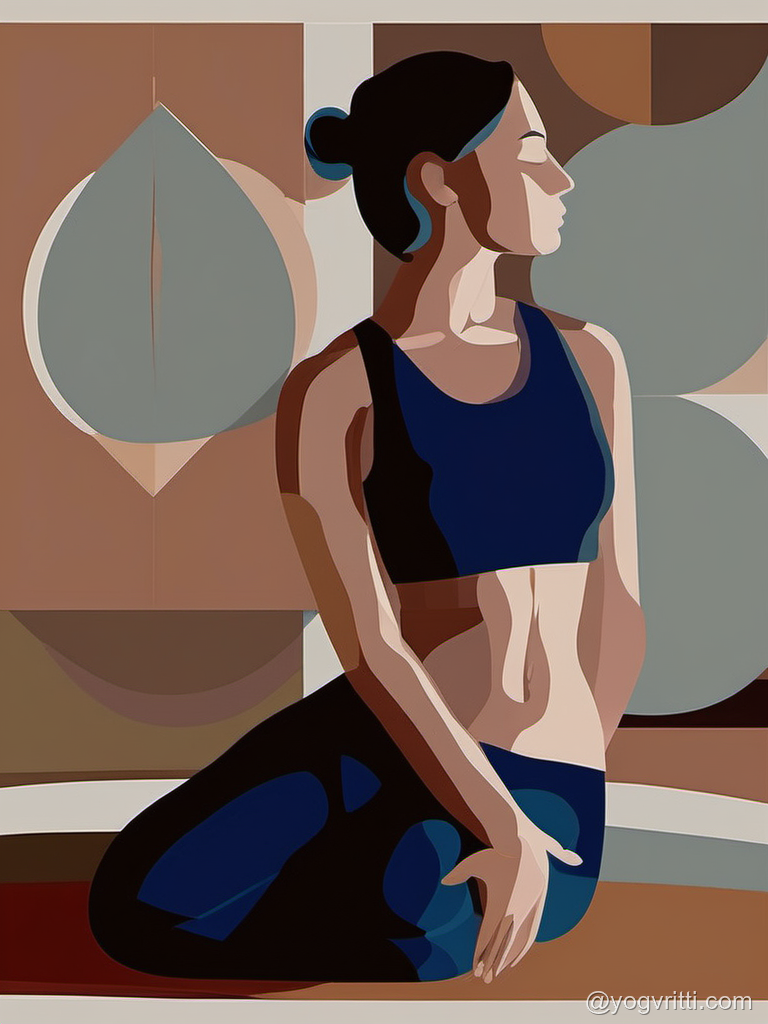
भारद्वाजासन I एक कोमल बैठी हुई मोड़ है जहां दोनों पैर एक तरफ मुड़े होते हैं और धड़ विपरीत दिशा में घूमता है।
फायदे
5Spinal Extensors(lengthening)
These long muscles running alongside your spine are gently lengthened and mobilized in Bharadvajasana I, allowing for a more upright posture and even rotation. As you lengthen upwards through the crown of your head before twisting, you create space between the vertebrae, which in yogic terms allows for a freer flow of ascending prana (Prana Vayu). This action helps to decompress the spinal discs and improve overall spinal flexibility, reducing stiffness in the back.
Obliques(activating)
These side abdominal muscles are key drivers of the twist; one side actively contracts to rotate the torso while the opposite side lengthens with awareness. This creates a gentle 'wringing' action on the abdominal contents, stimulating circulation and aiding digestion. The engagement helps to tone the side body, enhancing core stability and bringing a sense of integration to the torso.
Psoas Major(releasing)
This deep hip flexor and core stabilizer, often tight from prolonged sitting, gets a subtle but profound release in this pose, especially on the side of the internally rotated hip. By allowing the psoas to soften, tension in the lower back is often alleviated, creating more freedom in the hip joints and sacrum. This release is vital for grounding and for allowing apana vayu (downward energy) to flow more freely, contributing to a sense of calm and stability.
- पूर्ण शारीरिक विश्लेषण →
सावधानियाँ
5Disc Herniation
Spinal flexion and rotation under load increase intradiscal pressure and can push herniated material toward spinal nerves.
Initiate the rotation from the upper thoracic spine; avoid forceful lumbar rotation.
Diarrhea
Twisting and strong abdominal compression stimulate intestinal peristalsis, which can worsen diarrhoea.
Rest and allow the digestive system to recover; practise only very gentle, restorative postures.
Headache / Migraine
Physical exertion, inversions, and strong breath work can intensify an existing headache or trigger a migraine.
Avoid inversions and strong pranayama; rest in a supported, restorative posture with a cool cloth on the forehead.
Low Blood Pressure
Rising quickly from low positions can cause a sudden drop in blood pressure, leading to dizziness or fainting.
Move slowly between positions, keep eyes open, and rest against a wall if dizziness arises.
विधि
चरण-दर-चरण निर्देश
Sit in Dandasana with your legs extended in front of you.
Bend your knees and bring your feet to the left side of your body.
Keep your sitting bones grounded.
Place your right hand on the floor behind you, close to your sacrum.
Inhale and lengthen your spine.
Exhale and place your left hand on your right knee or thigh.
Gently twist your torso to the right, keeping your spine straight.
Keep your shoulders relaxed and down.
Breathe deeply and evenly.
Hold the pose for 5 breaths, then repeat on the other side.
सहायक उपकरण
वैकल्पिक सहायता — आवश्यकतानुसार उपयोग करें
Folded Blanket
Use a blanket for cushioning, elevation, or support — it adapts the pose to your body's current needs without compromising alignment.
Wall
The wall provides support, proprioceptive feedback, and confidence — use it to learn the correct alignment before practising independently.
सामान्य गलतियाँ
शिक्षण संकेत
अभ्यास क्रम
अक्सर पूछे जाने वाले प्रश्न
भरद्वाजासन I (बैठे) के बारे में सामान्य प्रश्न
भरद्वाजासन I (बैठे) क्या है?
भारद्वाजासन I एक कोमल बैठी हुई मोड़ है जहां दोनों पैर एक तरफ मुड़े होते हैं और धड़ विपरीत दिशा में घूमता है।
भरद्वाजासन I (बैठे) के क्या फायदे हैं?
Improves spinal rotation and flexibility। Massages the abdominal organs and aids digestion। Opens the chest and shoulders।
भरद्वाजासन I (बैठे) किस स्तर के लिए है?
भरद्वाजासन I (बैठे) एक शुरुआती स्तर का आसन है। यह सभी के लिए उपयुक्त है।
भरद्वाजासन I (बैठे) कौन न करे?
Spinal disc herniation, Diarrhoea, Headache की स्थिति में यह आसन न करें।
भरद्वाजासन I (बैठे) के लिए कौन से उपकरण चाहिए?
blanket, wall का उपयोग इस आसन को आसान बना सकता है।