 मध्यमखड़े होकर
स्कन्दासन
Side Lunge Pose
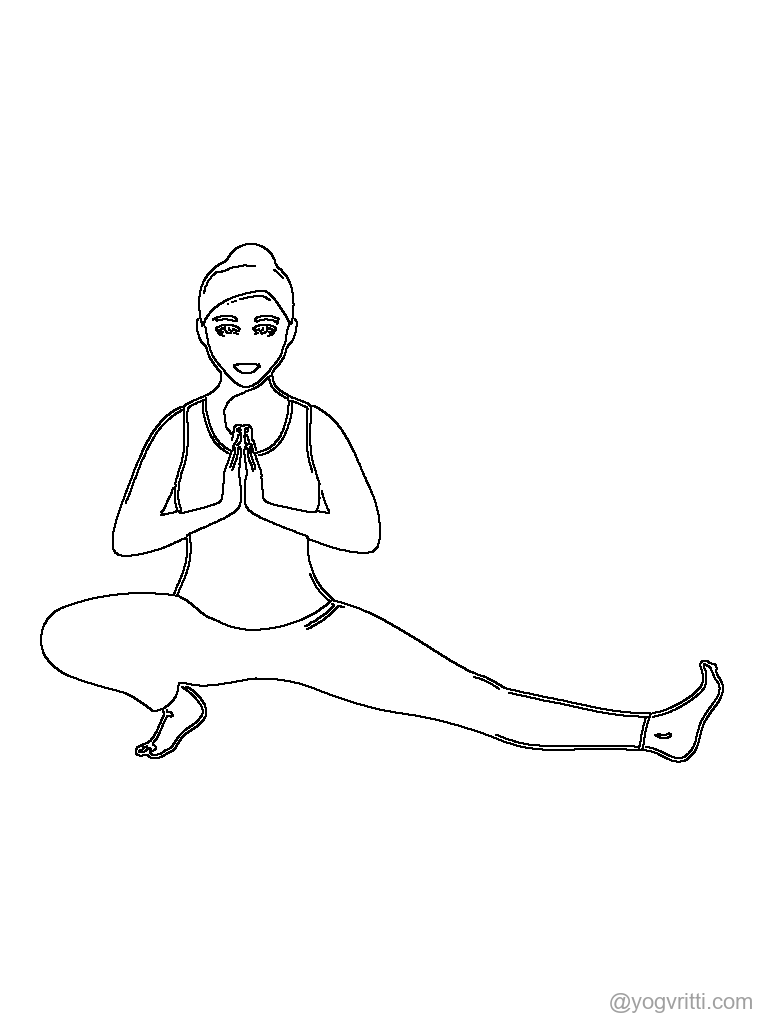
स्कन्दासन (साइड लंज पोज़) एक गहरा पार्श्व लंज है जो कूल्हों को खोलता है, भीतरी जांघों और हैमस्ट्रिंग को स्ट्रेच करता है, और मुड़े हुए पैर को मजबूत बनाता है।
फायदे
5Inner thigh muscles(lengthening)
These muscles run along the inside of your thighs, connecting your pelvis to your inner knee and upper shin. In Skandasana, the inner thigh muscles of the straight leg undergo a significant, sustained stretch, particularly the gracilis and adductor magnus, lengthening their fibers through eccentric loading. This release not only improves hip mobility and flexibility but also helps to unwind chronic groin tension, which in yogic philosophy, is often associated with a constricted root chakra (Muladhara) and feelings of insecurity or ungroundedness.
Hamstrings(lengthening)
The hamstrings, located at the back of the thighs from your sitting bones to just below the knee, receive a deep, active stretch in the straight leg. This action helps to elongate these often-tight muscles, which commonly contribute to lower back tension and restrict full hip flexion. Energetically, releasing the hamstrings helps to free the flow of apana vayu, the downward-moving energy, promoting a sense of groundedness and allowing for the release of stagnant energy in the pelvic region.
Front thigh muscles(strengthening)
In the bent leg, the quadriceps muscles on the front of the thigh are powerfully engaged, working eccentrically to control the deep lunge and protect the knee joint. This sustained activation builds strength and endurance in the thigh, creating a stable and resilient foundation for the pose. In the straight leg, the quadriceps are actively engaged to lift the kneecap, ensuring the leg remains strong and extended, which cultivates a sense of steady determination and focused energy.
- पूर्ण शारीरिक विश्लेषण →
सावधानियाँ
4Knee Injury
Deep flexion or rotation at the knee can strain ligaments, meniscus, or cartilage, especially in a compromised joint.
Do not allow the knee to travel beyond the ankle; keep weight evenly distributed and use a block under the hand for support.
Hamstring Injury
Aggressive stretching of a torn or strained hamstring can reinjure muscle fibres — the attachment near the sitting bone is especially vulnerable.
Do not try to straighten the legs fully; prioritise a neutral pelvis and neutral lower back over hamstring length.
Hip Injury
Deep hip flexion, external rotation, or weight-bearing can aggravate labral tears, impingement, or bursitis.
Do not force the hip into deep external rotation; keep the foot turned out only as far as is pain-free.
Ankle Injury
Unstable or injured ankle joints can be overstressed by weight-bearing, extreme dorsiflexion, or plantar flexion.
Place a folded blanket under the ankle to cushion it, or practise a seated version of the pose.
विधि
चरण-दर-चरण निर्देश
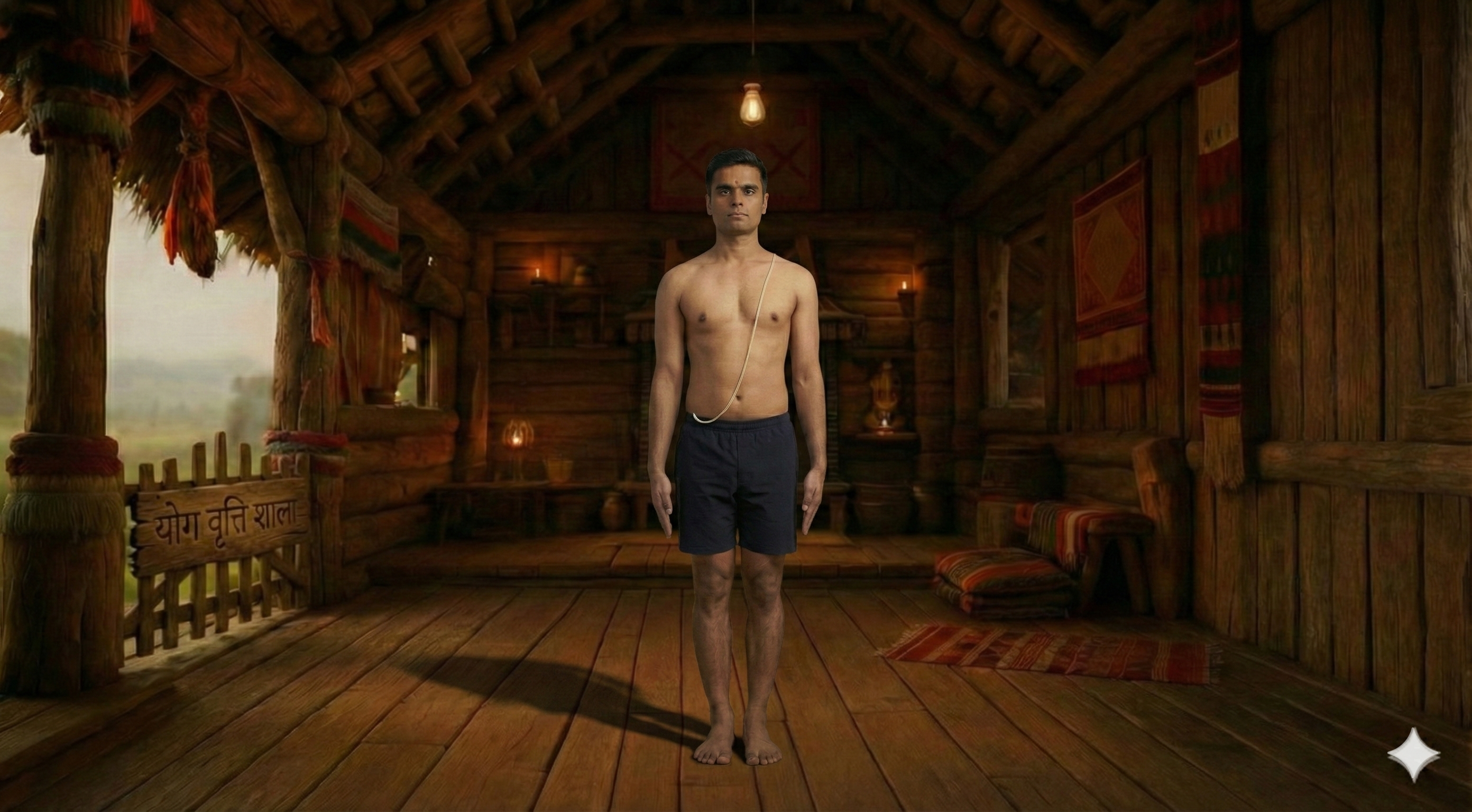
ताड़ासन में खड़े हों। श्वास लें, रीढ़ को लंबा करें।
श्वास छोड़ते हुए पैरों को कंधों से अधिक चौड़ा फैलाएं — लगभग 3-4 फीट का अंतर रखें।
दोनों पंजों को हल्का बाहर की ओर मोड़ें।
श्वास छोड़ें, दाएं घुटने को गहरा मोड़ें — जांघ जमीन के समानांतर आए। दायां पंजा पूरी तरह जमीन पर रहे।
बायां पैर पूरी तरह सीधा रखें, बाएं पंजे को ऊपर की ओर मोड़ें (एड़ी जमीन पर, उंगलियां ऊपर)।
हाथों को नमस्कार मुद्रा में छाती के सामने लाएं। कोहनियां दबाव बनाएं घुटने के अंदर और बाहर।
रीढ़ सीधी और लंबी रखें — आगे न झुकें। छाती खुली, कंधे पीछे।
दृष्टि सामने या हल्का ऊपर रखें। 5-8 गहरी सांसें लें।
श्वास लेते हुए दाएं पैर को सीधा करें, केंद्र में वापस आएं।
दूसरी तरफ (बाएं घुटने को मोड़कर) दोहराएं। फिर ताड़ासन में लौटें।
सहायक उपकरण
वैकल्पिक सहायता — आवश्यकतानुसार उपयोग करें
Yoga Block
Rest the lower hand on a block instead of the floor to maintain a long spine and open chest, especially helpful when flexibility is still developing.
सामान्य गलतियाँ
शिक्षण संकेत
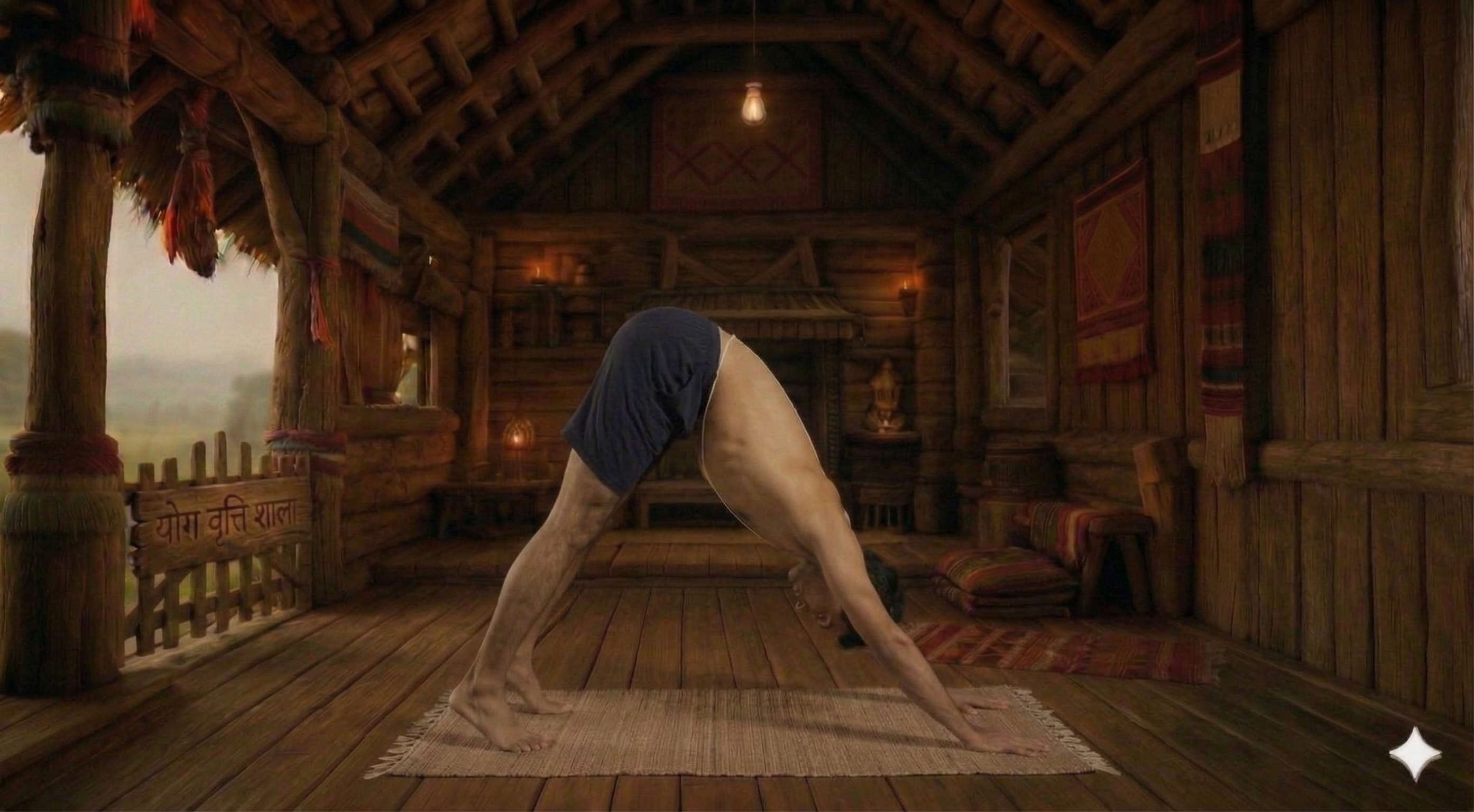
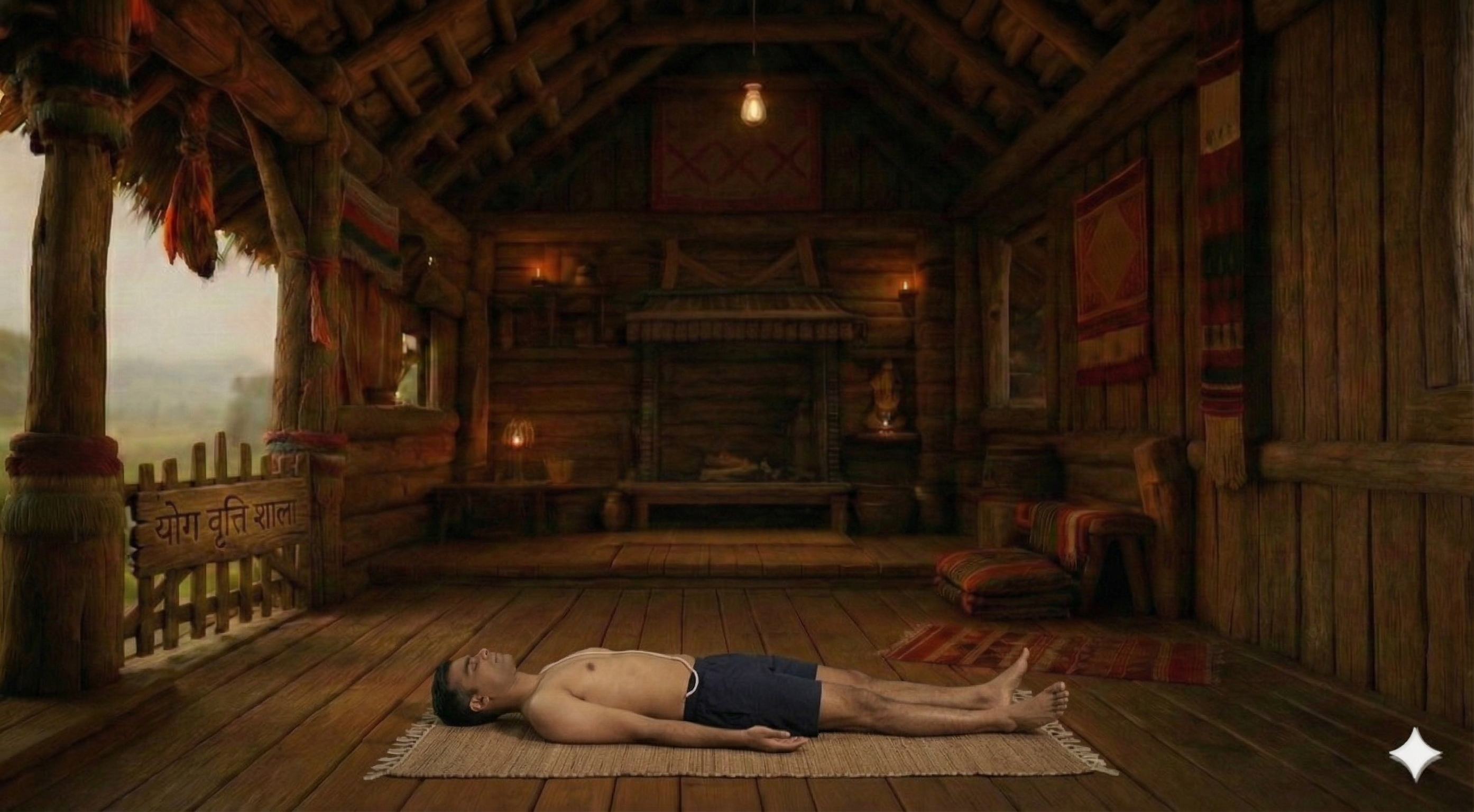
अभ्यास क्रम

अक्सर पूछे जाने वाले प्रश्न
स्कन्दासन के बारे में सामान्य प्रश्न
स्कन्दासन क्या है?
स्कन्दासन (साइड लंज पोज़) एक गहरा पार्श्व लंज है जो कूल्हों को खोलता है, भीतरी जांघों और हैमस्ट्रिंग को स्ट्रेच करता है, और मुड़े हुए पैर को मजबूत बनाता है।
स्कन्दासन के क्या फायदे हैं?
Deeply stretches inner thighs (adductors) and hamstrings। Strengthens quadriceps and glutes of the bent leg। Opens the hips and improves lateral flexibility।
स्कन्दासन किस स्तर के लिए है?
स्कन्दासन एक मध्यम स्तर का आसन है। शुरुआती लोग किसी योग गुरु के मार्गदर्शन में अभ्यास करें।
स्कन्दासन कौन न करे?
Knee injuries — do not force the deep bend, Groin or hamstring strain, Hip injuries or recent hip surgery की स्थिति में यह आसन न करें।
स्कन्दासन के लिए कौन से उपकरण चाहिए?
block का उपयोग इस आसन को आसान बना सकता है।