Benefits· लाभ
What Half Camel Pose does for you
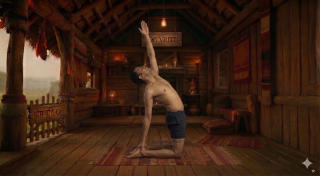
Ustrasana Variation with One Hand on Heel · अर्ध उष्ट्रासन
Ardha Ustrasana, or Half Camel Pose, is a profound backbend that meticulously opens the entire front of the body while simultaneously strengthening the back. It’s an invigorating posture that stretches the deep hip flexors and quadriceps, creating space in the abdominal region and expanding the chest.
Muscles
- Front of the thighsstretches
- Deep hip flexorsstretches
- Muscles along the spinestrengthens
- Buttock musclesstrengthens
- Deep abdominal musclesstabilises
Joints
- Kneesstabilises
- Hipsextension
- Spineextension
- Shouldersextension
Inside the body
- Abdominal Organs (Digestive System)
- Lungs (Respiratory System)
- Heart (Cardiovascular System)
- Breathing
Mind
Ardha Ustrasana is a potent practice for cultivating courage and overcoming psychological resistance to vulnerability.
Take care
Teachers, please guide students with knee injury to use ample padding or fold their mats to protect the patella and joint.
For those with insomnia, be mindful that while invigorating, a deep backbend late in the day might be overly stimulating; suggest a gentler approach or alternative. Always emphasize lifting through the sternum and engaging the core to protect the lower back, ensuring a safe and expansive experience for all.
Muscles
Front of the thighs (Quadriceps)
StretchesRectus Femoris, Vastus Lateralis, Vastus Medialis, Vastus Intermedius
The muscles at the front of your upper legs, the quadriceps, experience a significant lengthening as you extend your hips forward and lift your torso.
Read moreShow less
This stretch is not merely superficial; it works deeply into the muscle fibers, releasing chronic tightness often accumulated from prolonged sitting.
From a yogic perspective, this unwinding of tension in the thighs can free up the flow of apana vayu, bringing a sense of lightness and release in the lower limbs, improving overall mobility and reducing knee strain.
Deep hip flexors (Psoas)
StretchesIliopsoas
The deep muscles connecting your lower spine to your inner thigh bone, the psoas, are lengthened profoundly as the hips push forward in this backbend.
Read moreShow less
This area often holds deep emotional and physical tension, contributing to lower back discomfort and restricted movement.
Through this sustained stretch, we consciously release stored emotional 'samskaras' or impressions, fostering a sense of freedom and openness in the pelvic region.
This release allows for a more fluid connection between the upper and lower body, improving posture and energetic flow.
Muscles along the spine (Erector Spinae)
StrengthensSpinalis, Longissimus, Iliocostalis
The powerful group of muscles running along either side of your spine, known as the erector spinae, are actively engaged and strengthened as they work to extend and support the vertebral column against gravity.
Read moreShow less
This engagement is crucial for creating a uniform curve in the backbend, preventing compression in the lumbar spine.
Yogically, strengthening these muscles builds a strong foundation for the central energy channel (Sushumna Nadi), promoting vitality and resilience in the core of your being, allowing prana to flow more freely.
Buttock muscles (Gluteus Maximus)
StrengthensGluteus Maximus
The largest muscles of your buttocks, the gluteus maximus, are gently engaged to support the extension of the hips and stabilize the pelvis.
Read moreShow less
This activation helps to prevent excessive overarching in the lower back, ensuring a safe and even distribution of the backbend.
Conscious engagement of these muscles grounds the practitioner, connecting them to the earth and fostering a sense of stability and support from below.
This grounding energy helps to balance the expansive, upward-moving energy of the backbend.
Deep abdominal muscles (Transversus Abdominis, Obliques)
StabilisesTransversus Abdominis, Internal and External Obliques
The deep core muscles, particularly the transversus abdominis and obliques, are subtly engaged to support and protect the lumbar spine.
Read moreShow less
By drawing the navel gently towards the spine, these muscles create an internal corset that prevents 'dumping' into the lower back, allowing for a more lifted and spacious chest.
This intelligent engagement cultivates 'agni' (digestive fire) and a sense of inner strength, providing a stable foundation from which the heart can fearlessly open, fostering both physical and energetic integration.
Chest muscles (Pectoralis Major and Minor)
StretchesPectoralis Major, Pectoralis Minor
The muscles spanning across the front of your chest, the pectoralis major and minor, are significantly lengthened as the sternum lifts and the shoulders roll back.
Read moreShow less
This opening counteracts the common postural slump caused by modern lifestyles and stress, which often tightens these muscles.
From a yogic perspective, opening the chest directly stimulates Anahata Chakra, the heart center, cultivating feelings of compassion, empathy, and emotional freedom.
This release allows for deeper breathing and a greater sense of emotional spaciousness.
Joints
Knees (Tibiofemoral Joint)
StabilisesThe knee joints bear the primary weight of the torso in this kneeling posture, requiring careful alignment to prevent strain.
Read moreShow less
The slight flexion and weight-bearing demand stability from the surrounding muscles, particularly the quadriceps and hamstrings, to protect the joint capsules and menisci.
From a yogic perspective, approaching this weight-bearing with mindful awareness cultivates 'asteya' (non-stealing) in not over-stressing the body, fostering a deeper respect for our physical limitations and promoting long-term joint health.
Hips (Acetabulofemoral Joint)
ExtensionThe hip joints move into extension as the pelvis pushes forward, creating a profound opening across the front of the hip crease.
Read moreShow less
This action mobilizes the joint, increasing its range of motion and releasing tension in the surrounding connective tissues.
Energetically, this opening in the hips, often a storage site for emotional 'kleshas' (afflictions), helps to free stagnant energy, promoting a sense of release and emotional fluidity.
Regular practice can alleviate stiffness and improve overall lower body mobility.
Spine (Vertebral Column)
ExtensionThe entire vertebral column, particularly the thoracic and lumbar regions, moves into extension, creating a therapeutic arch that lengthens and mobilizes each spinal segment.
Read moreShow less
This movement increases the intervertebral space, promoting hydration of the discs and improving nerve communication along the spinal cord.
Yogically, this spinal extension stimulates the flow of prana along the Sushumna Nadi, awakening the chakras and fostering a sense of energetic alignment and vibrancy from the base of the spine to the crown of the head.
Shoulders (Glenohumeral Joint)
ExtensionMobilisesThe shoulder joint of the reaching arm moves into extension and subtle external rotation as the hand reaches back towards the heel, while the opposite shoulder remains stable.
Read moreShow less
This action helps to open the front of the shoulder capsule, counteracting the internal rotation common in daily activities.
This release creates space around the heart center, allowing for a broader and more expansive chest.
Energetically, this opening cultivates a sense of emotional liberation and the ability to embrace life's experiences with an open heart.
Inside the body
Abdominal Organs (Digestive System)
The gentle stretch across the entire front of the torso, particularly the abdominal region, provides a mild massage and increased blood flow to the internal digestive organs such as the stomach and intestines.
Read moreShow less
This action can stimulate peristalsis and improve circulation, aiding in digestion and elimination.
From a yogic perspective, this gentle compression and release can help to stoke 'agni', the metabolic fire, promoting more efficient assimilation of nutrients and a feeling of lightness and detoxification within the body.
Lungs (Respiratory System)
As the chest lifts and expands in this backbend, the rib cage opens significantly, creating more space for the lungs to fully inflate.
Read moreShow less
This expansion encourages deeper, more complete inhalations, increasing vital lung capacity and oxygen uptake.
This enhanced respiratory function revitalizes the entire system, bringing fresh prana into every cell.
The feeling of spaciousness in the breath can calm the nervous system and clear mental fog, promoting clarity and inner peace.
Heart (Cardiovascular System)
The expansive opening of the chest and the slight elevation of the heart above the hips create a subtle invigorating effect on the cardiovascular system.
Read moreShow less
While not a full inversion, this position encourages blood flow towards the upper body and heart, promoting circulation.
Energetically, Ardha Ustrasana is a powerful heart-opening pose, fostering feelings of courage, compassion, and emotional resilience.
It helps to release guardedness around the heart, allowing for greater vulnerability and connection.
Breathing
The expansive nature of this backbend naturally encourages a deeper and fuller inhalation, as the chest cavity is lifted and broadened, creating more space for the lungs.
Read moreShow less
This posture invites the breath to move into the upper lobes of the lungs, invigorating the system and stimulating 'prana vayu', the upward and outward moving energy of the breath.
Conversely, the gentle engagement of the core helps to facilitate a complete exhalation, creating a rhythmic and cleansing breath pattern that calms the nervous system and clears the mind.
Fascia (connective tissue)
In Ardha Ustrasana, we effectively stretch the entire Superficial Front Line of fascia, which runs from the tops of the feet, up the shins, quadriceps, abdomen, chest, and into the neck and face.
Read moreShow less
This continuous myofascial chain is released and lengthened, allowing for greater mobility and less restriction in movement.
This release of fascial tension is akin to unbinding energetic knots ('granthi'), allowing for a freer flow of 'prana' throughout the body's subtle channels and releasing deeply held physical and emotional patterns.
Mind and nervous system
- Nervous system
This backbend provides a unique blend of invigorating and calming effects on the nervous system.
Read moreShow less
The expansive chest opening stimulates the sympathetic nervous system, bringing a sense of alertness and energy, while the sustained stretch and rhythmic breathing gradually engage the parasympathetic system.
This creates a balanced state, reducing mental chatter ('chitta vritti') and promoting a sense of grounded tranquility.
Practitioners often feel a profound release of anxiety, replaced by a quiet strength and increased presence.
The spinal extension gently decompresses the nerve roots emerging from the vertebral column, allowing for clearer communication between the brain and the rest of the body.
Read moreShow less
This neural stimulation, coupled with the deep stretch of the front body, releases stored tension that often constricts nerve pathways.
This allows for a more harmonious flow of 'prana' throughout the entire energetic system, fostering a heightened sense of bodily awareness and a calm, centered mind.
- Mind & mood
Ardha Ustrasana is a potent practice for cultivating courage and overcoming psychological resistance to vulnerability.
Read moreShow less
The open-hearted posture physically embodies a willingness to face the world with an open chest, which translates mentally into greater confidence and a reduction in fear or self-doubt.
By leaning back into the unknown, practitioners learn to trust their inner strength and surrender to the present moment, fostering a profound sense of inner liberation.
This pose encourages a shift in perspective, moving from a forward-focused, analytical mindset to one of expansive receptivity and surrender.
Read moreShow less
The act of lifting the gaze and opening the front body can challenge ingrained mental patterns of protection and guardedness.
This mental 'pratyahara' or withdrawal from external distractions, allows for a deeper connection to one's inner wisdom and intuition, promoting emotional resilience and a more optimistic outlook on life.
Because it is a backbend pose
Backbends, like Ardha Ustrasana, are fundamentally opening postures that stretch the entire anterior (front) chain of the body, from the quadriceps and hip flexors to the abdomen and chest.
Read moreShow less
Anatomically, this counteracts the effects of prolonged sitting and forward flexion, improving posture and spinal mobility.
Energetically, backbends are considered highly invigorating and heart-opening, stimulating the anahata chakra and cultivating feelings of joy, courage, and emotional freedom.
Beyond the physical opening, backbends also significantly strengthen the posterior (back) chain of muscles, including the erector spinae and gluteals, which are vital for spinal support and stability.
Read moreShow less
This dual action of lengthening the front and strengthening the back creates a balanced and resilient spine.
From a yogic perspective, this balance helps to harmonize the ida and pingala nadis, promoting a steady flow of prana and fostering a sense of grounded vitality and inner power.