Benefits· लाभ
What Plank Pose does for you
Kumbhakasana · कुम्भकासन
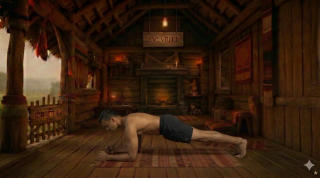
Kumbhakasana, or Plank Pose, is a foundational posture that cultivates integrated strength throughout the entire body, from the rooting hands and feet to the expansive chest and crown. It powerfully engages the deep core stabilizers, strengthens the shoulder girdle, and opens the chest, creating a profound sense of unwavering stability.
Muscles
- Core Musclesstrengthens
- Shoulder Stabilizersstrengthens
- Tricepsstrengthens
- Quadricepsstrengthens
- Glutesstrengthens
Joints
- Shoulder Girdlestabilises
- Wristsstabilises
- Spinestabilises
- Hipsstabilises
Inside the body
- Abdominal Organs
- Breathing
Mind
Kumbhakasana cultivates immense mental fortitude and unwavering determination, as holding the pose requires sustained effort and concentration to maintain precise alignment.
Take care
For practitioners with existing lower back pain, it is crucial to ensure the pelvis is not sagging, which can compress the lumbar spine; encourage active engagement of the core and glutes to maintain a neutral spine, perhaps modifying with knees down.
Those with hypertension should be mindful of their breath and avoid holding it, perhaps modifying with knees down or using a wall to reduce intensity and avoid straining. Listen carefully to any discomfort in the wrists or shoulders, modifying by placing forearms down or adjusting hand placement to protect these vulnerable joints.
Muscles
Core Muscles
StrengthensTransverse Abdominis, Rectus Abdominis, Obliques
These muscles, wrapping around your midsection like a natural corset, contract deeply in Plank to stabilize the spine and prevent any sagging in the lower back, drawing the navel gently towards the spine.
Read moreShow less
This deep engagement creates a firm foundation for the entire posture, supporting the vital organs and cultivating a powerful sense of inner core awareness.
In yogic terms, this ignites the inner fire (Agni) and strengthens the energetic container of the body, allowing prana to flow more efficiently.
Shoulder Stabilizers
StrengthensStabilisesRotator Cuff, Serratus Anterior
These smaller muscles around your shoulder blades and upper back work intensely to keep the shoulders broad and stable, actively preventing them from collapsing or shrugging towards the ears.
Read moreShow less
They draw the shoulder blades down and wide, creating expansive space across the collarbones and upper chest.
This intelligent engagement protects the delicate shoulder joint and fosters a feeling of spaciousness and strength across the upper body, allowing for an unhindered flow of prana to the heart center.
Triceps
StrengthensTriceps Brachii
Located on the back of your upper arms, the triceps actively extend the elbows, pushing the ground away with strength and intention, creating a firm base through the hands.
Read moreShow less
This muscular action helps to lift the body away from the floor, contributing to a sense of lightness and preventing undue strain on the wrist and shoulder joints.
By engaging the triceps, we learn to channel strength evenly through the arms, supporting the upward lift of the torso and fostering a feeling of energetic support from the earth.
Quadriceps
StrengthensQuadriceps Femoris
These large muscles on the front of your thighs engage powerfully to lift the kneecaps and straighten the legs, preventing the hips from dropping and maintaining a long, straight line from heels to head.
Read moreShow less
This active engagement creates a strong connection from the feet all the way up through the pelvis, grounding the lower body with intention.
By firming the thighs, we establish a stable base, allowing energy to flow upwards through the spine with greater ease and vitality, fostering a sense of rooted strength.
Glutes
StrengthensStabilisesGluteus Maximus/Medius
The powerful muscles of your buttocks contract to support the pelvis and prevent it from tilting or sagging, which maintains a neutral spinal alignment and protects the lower back.
Read moreShow less
This engagement connects the lower body strength to the core stability, creating a powerful, integrated foundation for the entire posture.
Activating these muscles helps to root the lower body firmly, translating into a feeling of unwavering strength and confidence, and providing a stable platform for the upward extension of the spine.
Joints
Shoulder Girdle
StabilisesThe shoulder joints are actively stabilized as the shoulder blades draw down and wide, creating a broad, strong platform for the upper body.
Read moreShow less
This intelligent action prevents the shoulders from collapsing under weight and protects the delicate rotator cuff muscles from strain.
The practice teaches us to bear weight through the arms with integrity, cultivating strength that translates into better posture and a feeling of open-heartedness and energetic freedom in the chest.
Wrists
StabilisesThe wrists bear significant weight in Plank, requiring active engagement of the forearms and hands to distribute pressure evenly across the entire palm and fingers.
Read moreShow less
By pressing firmly through the base of the fingers and knuckles, we create a stable foundation, protecting the wrist joint from undue compression.
This action builds strength in the hands and forearms, fostering a sense of grounded stability and preventing future strain in both yoga practice and daily activities, connecting us more deeply to the earth.
Spine
StabilisesDecompressingThe entire vertebral column is actively lengthened and stabilized in a neutral position, avoiding both excessive arching (lordosis) or rounding (kyphosis) of the back.
Read moreShow less
The deep core muscles support the natural curves, creating subtle space between the vertebrae and decompressing the discs.
This intelligent alignment cultivates spinal integrity, promoting a feeling of spaciousness and fluidity throughout the central axis of the body, which is the pathway for the central energetic channel (Sushumna Nadi).
Hips
StabilisesThe hip joints are held in a neutral extension, with the glutes and core working in concert to prevent any sagging or tilting of the pelvis.
Read moreShow less
This stable alignment ensures that the weight is evenly distributed and the lower back remains protected and lengthened.
By maintaining this stability, we establish a strong, integrated connection between the lower body and the core, fostering a sense of rootedness and preventing undue strain in the lumbar region, allowing for a balanced flow of Apana Vayu.
Inside the body
Abdominal Organs
The deep engagement of the core muscles in Plank creates a gentle, sustained compression and toning effect on the abdominal organs, including the stomach, intestines, liver, and spleen.
Read moreShow less
This internal massage can stimulate digestion, improve circulation within the visceral cavity, and support the elimination of toxins.
The sustained engagement supports the energetic flow of Samana Vayu, which governs assimilation and inner balance, contributing to a feeling of vitality and lightness in the digestive system and overall health.
Breathing
The stable, strong engagement of the core and chest in Kumbhakasana naturally encourages a steady, diaphragmatic breath rather than shallow chest breathing, which can be easily disrupted.
Read moreShow less
While challenging, the posture demands a deliberate lengthening of both the inhalation and exhalation to maintain focus, inner calm, and ease.
This mindful breathing helps to calm the nervous system and distribute prana evenly throughout the engaged body, preventing the build-up of tension.
Practicing Ujjayi breath in this pose can further deepen concentration, cultivate inner heat (tapas), and enhance the pose's cleansing and strengthening effects, bringing awareness to the subtle energetic currents.
Fascia (connective tissue)
In Kumbhakasana, the entire superficial front line of fascia, running from the tops of the feet, along the shins, quadriceps, abdominal muscles, chest, and arms, is actively engaged and lengthened under tension.
Read moreShow less
Simultaneously, the deep front line, which stabilizes the core and connects to the inner thighs, is powerfully activated and toned.
This integrated engagement helps to improve the tensile strength and elasticity of these myofascial meridians.
By consciously extending and rooting through the hands and feet, we create intelligent tension and release along these energetic pathways, improving overall body awareness, fluidity of movement, and releasing subtle energetic blockages, allowing for a more harmonious flow of prana.
Mind and nervous system
- Nervous system
The sustained, focused effort required in Kumbhakasana helps to quiet the fluctuations of the mind (chitta vritti), drawing attention inward to the present moment and the sensations of the body.
Read moreShow less
This intense focus on alignment and breath acts as a form of moving meditation, gently overriding the sympathetic 'fight or flight' response.
As the body stabilizes and strengthens, the nervous system begins to calm, cultivating a sense of inner resolve, peaceful alertness, and a steady, unwavering mind.
The steady engagement of major muscle groups sends clear signals of strength and stability to the brain, helping to reduce feelings of anxiety and overwhelm, and fostering a sense of self-efficacy.
Read moreShow less
This grounding effect provides a sense of security and control, even in challenging moments of holding the pose.
By holding the posture with conscious awareness, we train the nervous system to remain calm and centered amidst physical exertion, building resilience that translates into daily life.
- Mind & mood
Kumbhakasana cultivates immense mental fortitude and unwavering determination, as holding the pose requires sustained effort and concentration to maintain precise alignment.
Read moreShow less
The challenge of maintaining a steady, integrated shape directly translates to building mental resilience and focus, teaching us to meet discomfort with a steady mind.
This practice fosters a sense of inner strength and self-discipline that extends beyond the mat, empowering us to face life's challenges with greater resolve.
The focused attention on aligning the body and maintaining a steady, even breath encourages a state of present moment awareness (dharana), drawing the mind away from external distractions and internal chatter.
Read moreShow less
This sustained concentration strengthens our ability to stay grounded and centered, even when faced with physical or mental challenges.
Through this practice, we develop a clearer, more focused mind, enhancing our capacity for decision-making, cultivating inner peace, and fostering a deep sense of self-possession.
Because it is a standing pose
While the body is horizontal, the quality of engagement in Kumbhakasana mirrors the rooting and extension found in classical standing poses like Tadasana, teaching the entire body to work as a unified whole.
Read moreShow less
It establishes a profound sense of structural integrity, aligning all the major joints from hands to feet, and from core to periphery.
This integration creates a feeling of balanced strength and energetic coherence throughout the physical and subtle bodies, embodying the principle of 'sthira sukham asanam' – steady and comfortable.
This pose acts as a fundamental building block for full-body strength, teaching the core to stabilize the spine and the limbs to bear weight intelligently and evenly.
Read moreShow less
It builds the foundational strength necessary for more complex arm balances, inversions, and dynamic movements.
This cultivation of integrated core power not only supports the physical structure but also ignites Agni, the digestive fire, promoting overall vitality, inner warmth, and the capacity to transform challenges into growth.
By rooting through the hands and feet and lifting the entire body with intelligent core strength, Kumbhakasana instills a powerful sense of physical and mental stability and groundedness.
Read moreShow less
It teaches the practitioner to find stillness and strength even when physically challenged, fostering unwavering resolve.
This deep grounding effect helps to balance Vata energy, reducing restlessness and bringing a profound sense of calm, centeredness, and inner peace, anchoring us firmly in the present moment.