 शुरुआतीउल्टा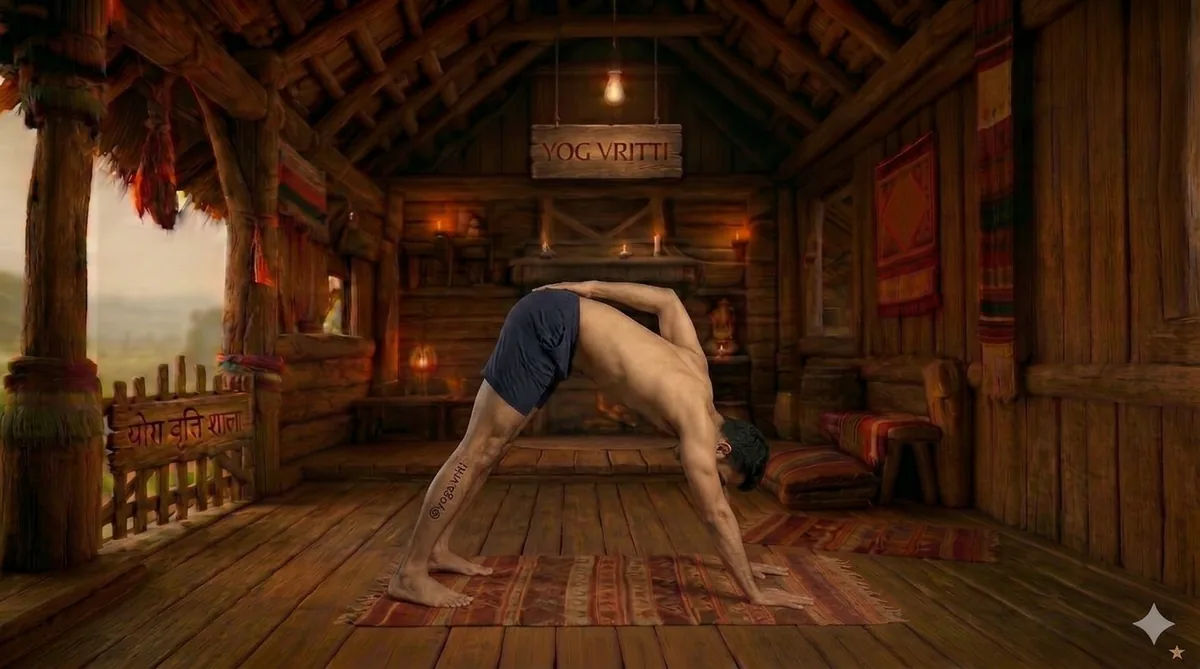
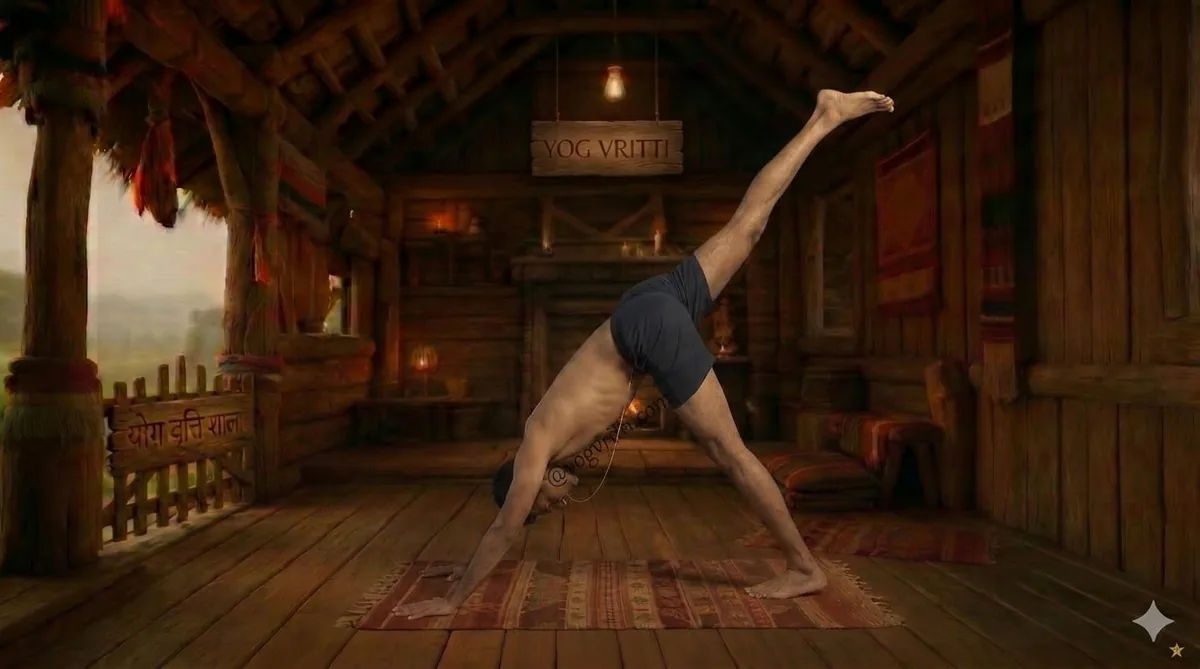
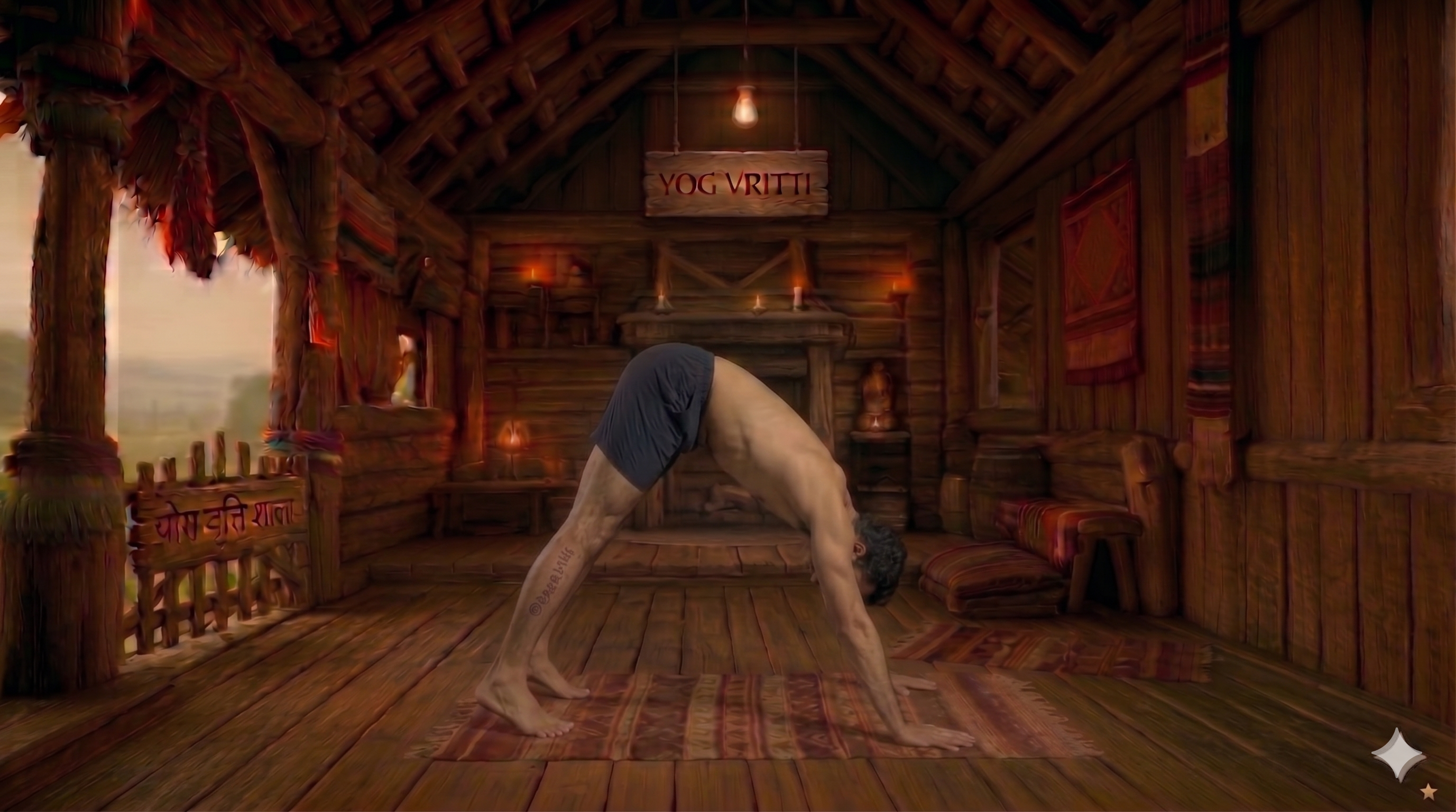
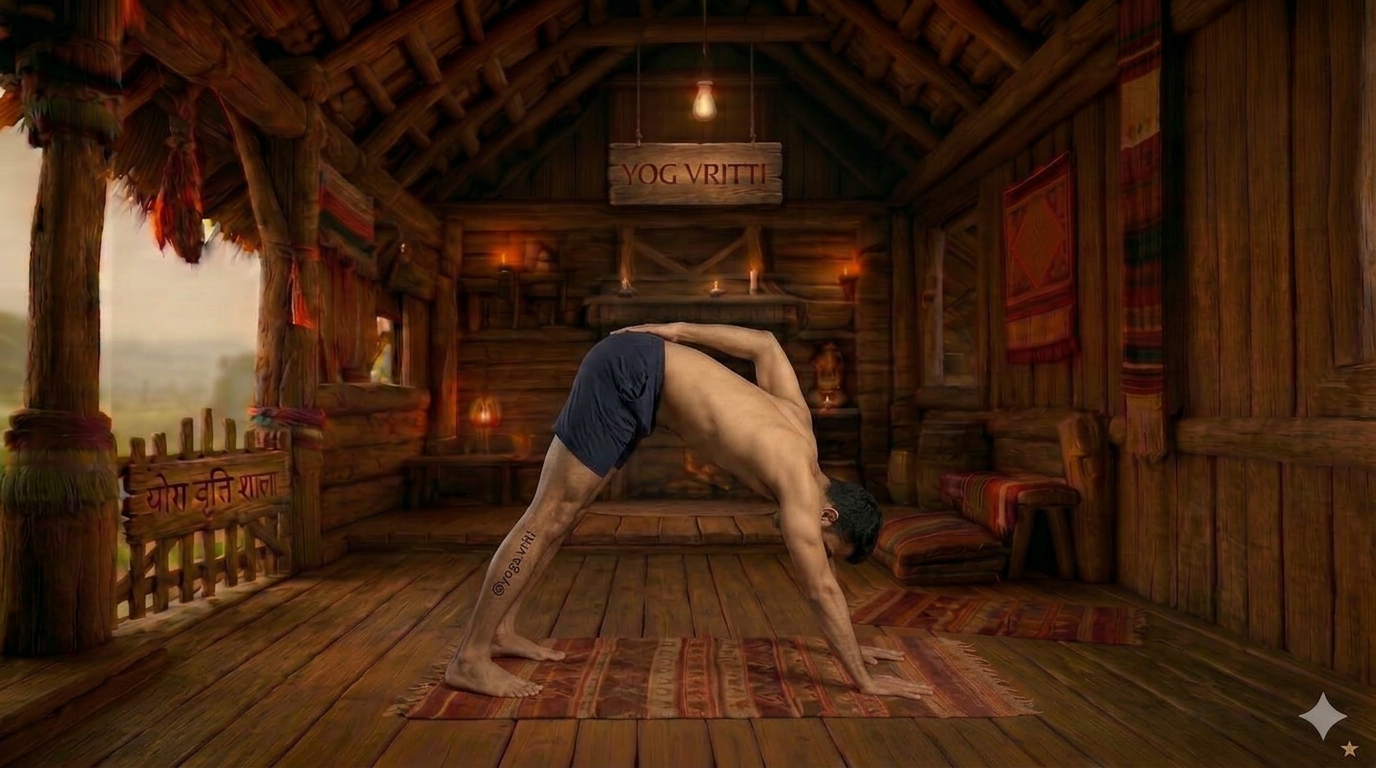
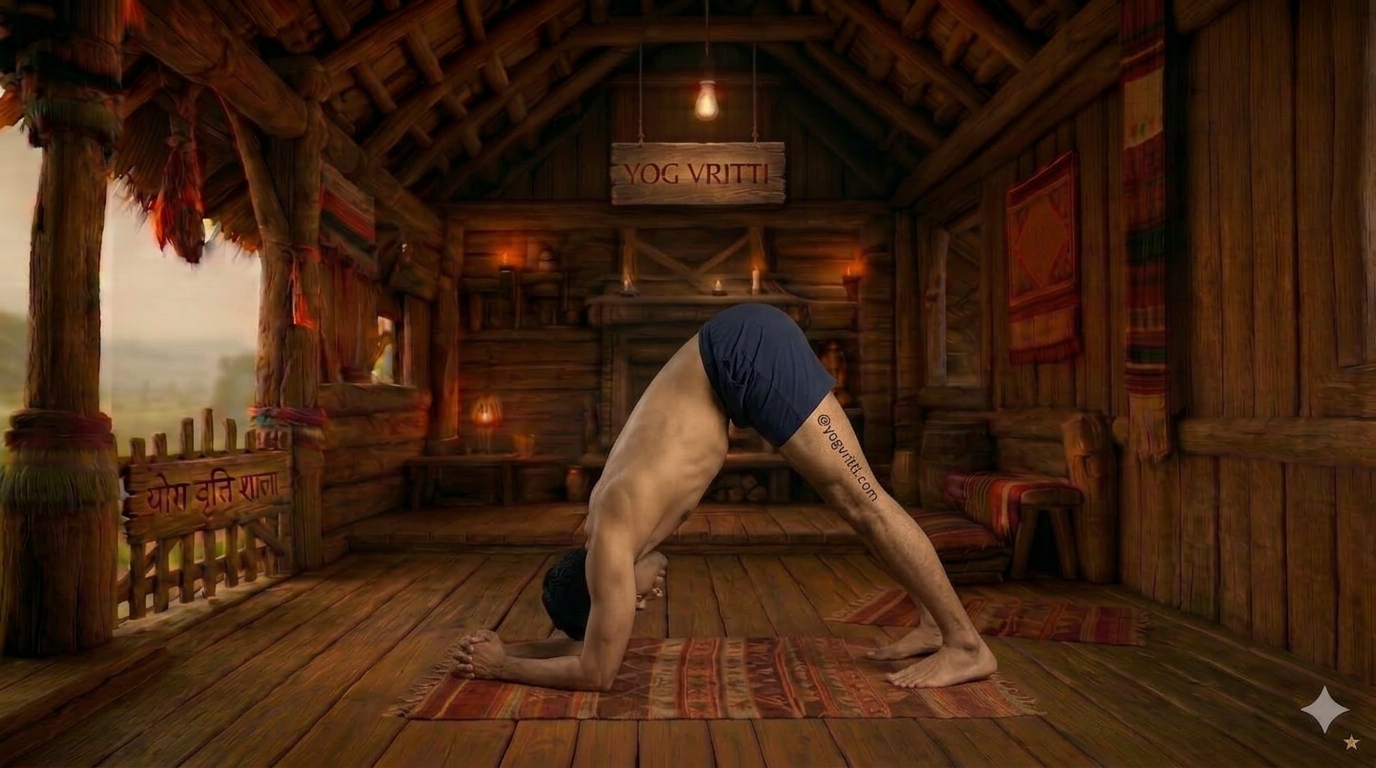
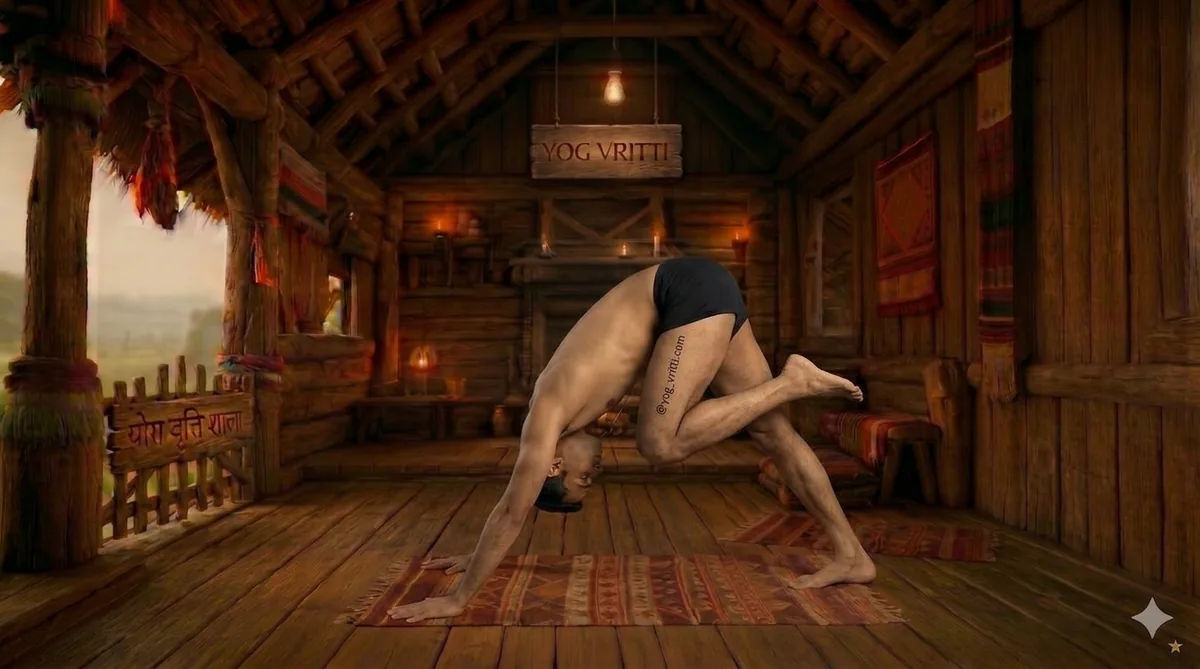
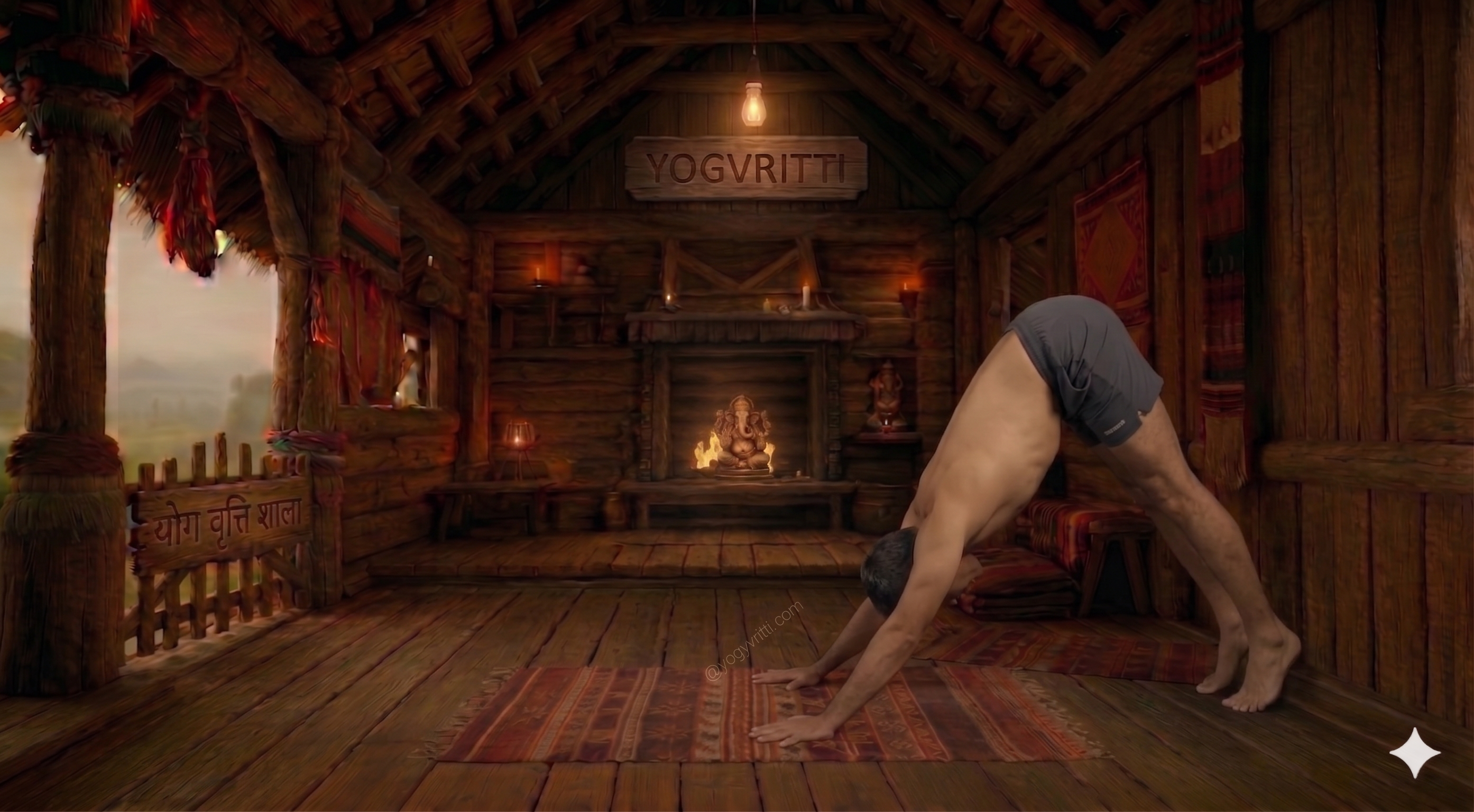
अधो मुख श्वानासन (दीवार)
Wall Downward Facing Dog Pose
अधो मुख श्वानासन की यह दीवार-समर्थित भिन्नता अभ्यासकर्ताओं को बाहों पर पूरा भार डाले बिना रीढ़ को लंबा करने और कंधों को खोलने का अनुभव करने देती है।
फायदे
5Hamstrings(lengthening)
The powerful muscles at the back of your thighs (hamstrings) receive a profound, sustained lengthening in this pose, not a forced stretch but an invitation to release. As you gently press your heels towards the floor and lift your sitting bones, these muscles are encouraged to unwind from their often-shortened state, which is common from prolonged sitting. This opening allows for greater freedom in the pelvis and lower back, releasing stored tension and facilitating the upward flow of prana from the earth.
Deltoids(stabilizing | releasing)
In the traditional pose, the deltoids are actively engaged in strengthening the shoulder joint to bear the body's weight and push the mat away. Here, their role subtly shifts from robust weight-bearing to a more refined action of stabilizing the shoulder heads as they draw back and down, facilitating a deeper release across the collarbones. This allows for a conscious softening in the upper trapezius, inviting a profound opening in the armpit chest and fostering spaciousness around the neck.
Triceps Brachii(lengthening | activating)
While the triceps still extend the elbows, their engagement in this variation becomes less about powerful pushing to lift the trunk and more about creating sustained, active length through the arm bones into the wall. This subtle yet continuous action decompresses the elbow joints and channels the energy of extension directly into the lateral lengthening of the trunk. It cultivates a sense of lightness and intelligent activation, supporting the overall spinal extension without undue strain on the arms.
- पूर्ण शारीरिक विश्लेषण →
सावधानियाँ
3Shoulder Injury
Overhead loading and extreme shoulder rotation can impinge the subacromial space and overload rotator cuff tendons.
Avoid weight-bearing inversions entirely; practise supported Setu Bandha or Viparita Karani as an alternative.
Hamstring Injury
Aggressive stretching of a torn or strained hamstring can reinjure muscle fibres — the attachment near the sitting bone is especially vulnerable.
Bend the knees generously, work within a pain-free range, and avoid any aggressive pulling on the hamstrings.
High Blood Pressure
Vigorous effort and inverted positions temporarily raise blood pressure in the head, increasing strain on blood vessels.
Avoid this inversion entirely or keep the head above heart level at all times; never hold the breath.
विधि
चरण-दर-चरण निर्देश
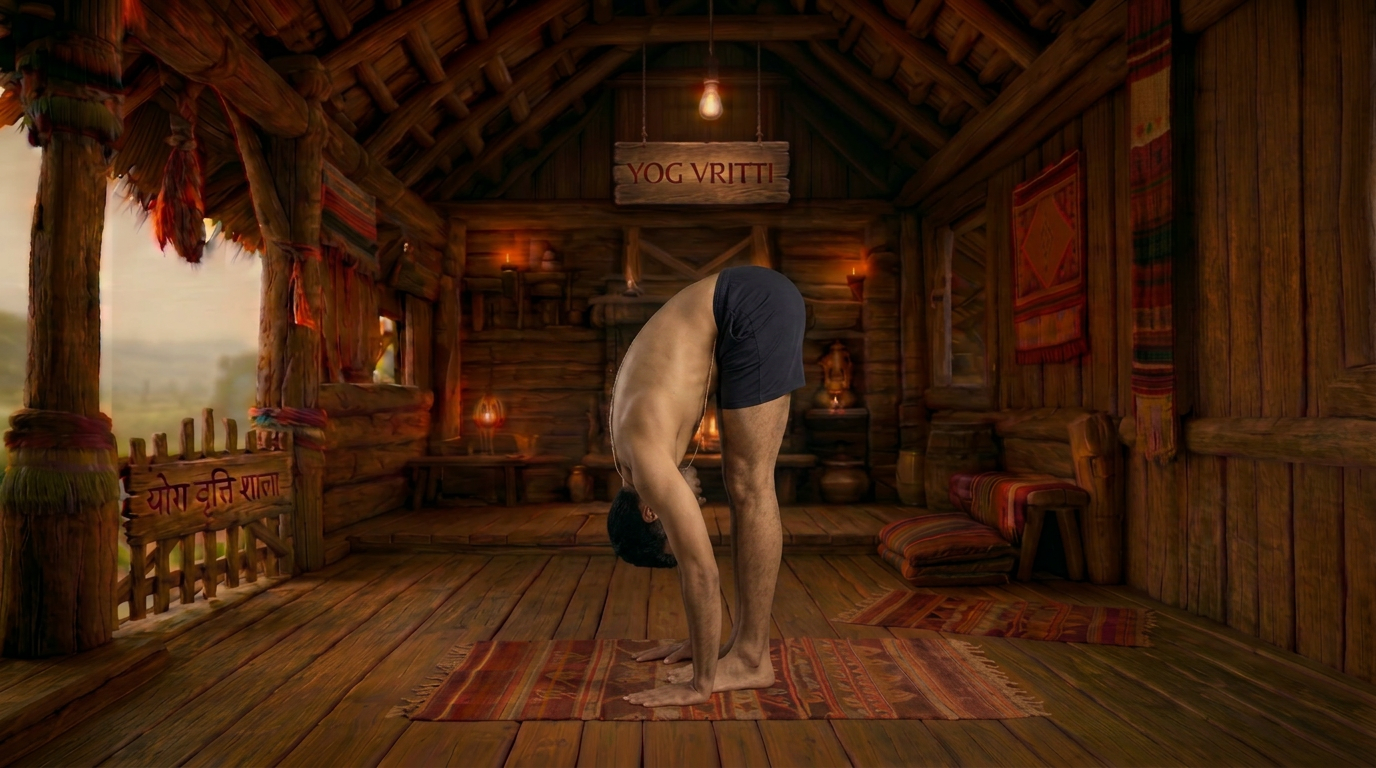
Stand facing a wall, about arm's length away.
Place your hands on the wall at shoulder height and shoulder-width apart.
Walk your feet back, away from the wall, until your body forms an inverted 'V' shape.
Keep your arms straight and your fingers spread wide on the wall.
Allow your head to hang freely between your arms, avoiding tension in your neck.
Press your heels towards the floor, feeling a stretch in your calves and hamstrings.
Engage your quadriceps by lifting your kneecaps.
Lengthen your spine by drawing your tailbone towards the ceiling.
Breathe deeply and evenly, holding the pose for several breaths.
To release, walk your feet back towards the wall and slowly come back to standing.
सहायक उपकरण
वैकल्पिक सहायता — आवश्यकतानुसार उपयोग करें
Wall
Use the wall for support as you build the strength and confidence needed for the full unsupported inversion — kick up gently and walk the feet down slowly.
सामान्य गलतियाँ
शिक्षण संकेत
अभ्यास क्रम
अक्सर पूछे जाने वाले प्रश्न
अधो मुख श्वानासन (दीवार) के बारे में सामान्य प्रश्न
अधो मुख श्वानासन (दीवार) क्या है?
अधो मुख श्वानासन की यह दीवार-समर्थित भिन्नता अभ्यासकर्ताओं को बाहों पर पूरा भार डाले बिना रीढ़ को लंबा करने और कंधों को खोलने का अनुभव करने देती है।
अधो मुख श्वानासन (दीवार) के क्या फायदे हैं?
Safely lengthens the spine without wrist strain। Opens the shoulders and chest। Stretches the hamstrings with controlled intensity।
अधो मुख श्वानासन (दीवार) किस स्तर के लिए है?
अधो मुख श्वानासन (दीवार) एक शुरुआती स्तर का आसन है। यह सभी के लिए उपयुक्त है।
अधो मुख श्वानासन (दीवार) कौन न करे?
Acute shoulder injury, Severe hamstring tear, Uncontrolled high blood pressure की स्थिति में यह आसन न करें।
अधो मुख श्वानासन (दीवार) के लिए कौन से उपकरण चाहिए?
wall का उपयोग इस आसन को आसान बना सकता है।