 शुरुआतीपेट के बल
विविधताएँ (1)
अधो मुख वीरासन
Child's Pose
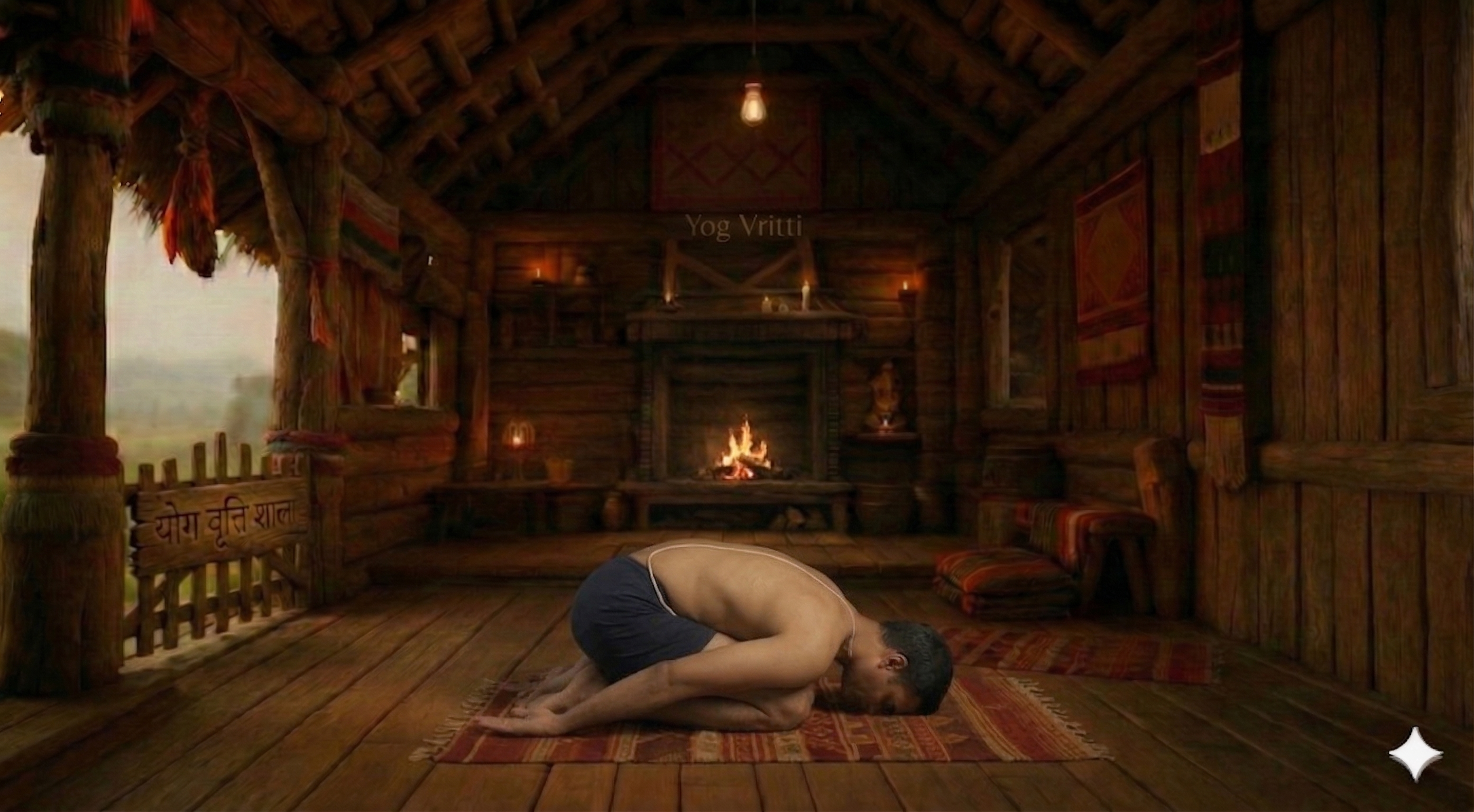
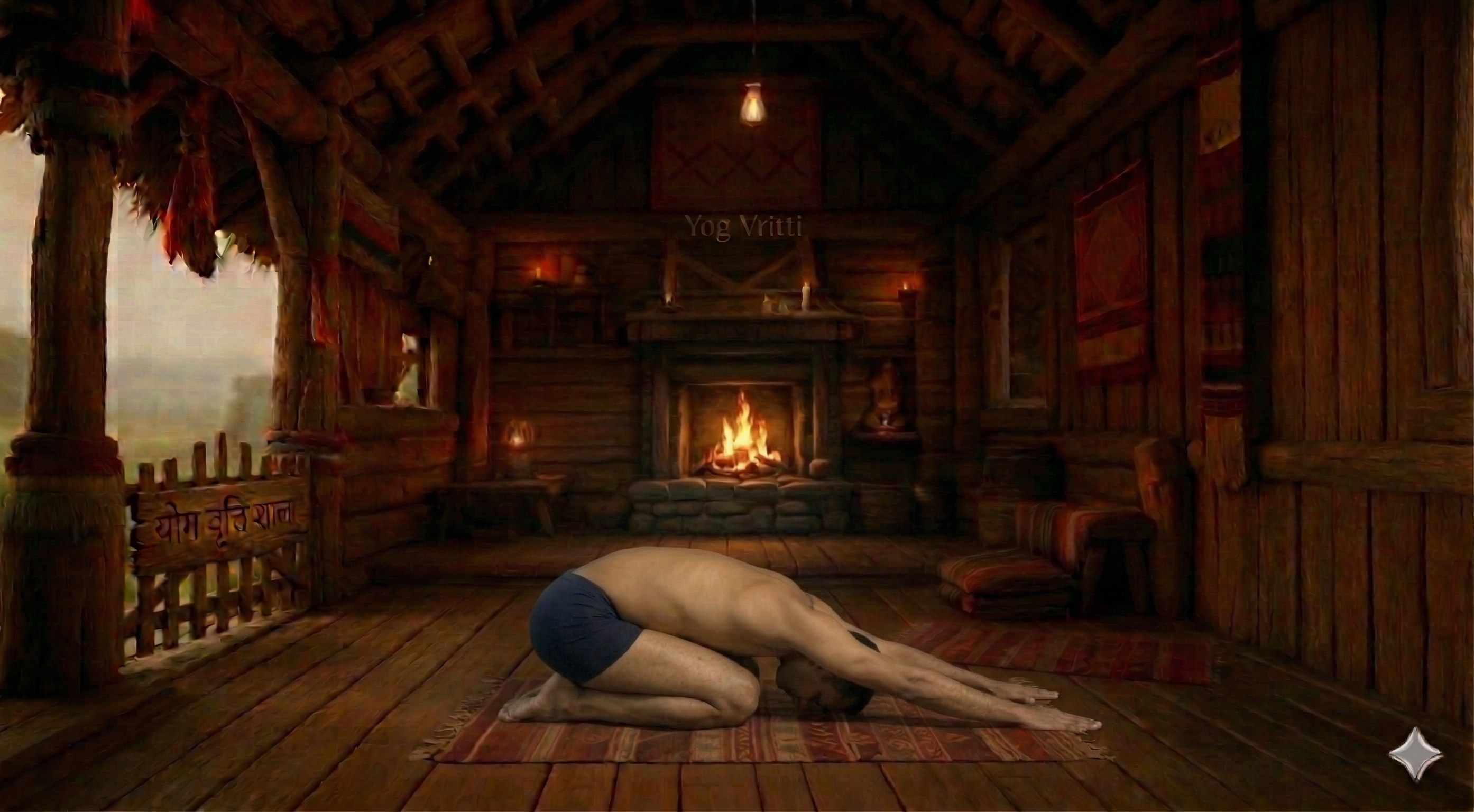
अधो मुख वीरासन, जिसे बालासन भी कहा जाता है, घुटनों की स्थिति से किया जाने वाला एक गहरा पुनर्स्थापनात्मक आगे का मोड़ है। यह पीठ के निचले हिस्से, कूल्हों और जांघों की मांसपेशियों को धीरे से छोड़ता है।
फायदे
5Lower back muscles(lengthening)
These long, deep muscles run along either side of your spine, providing support and facilitating movement. In Adho Mukha Virasana, as you fold forward and the spine rounds gently, the erector spinae muscles receive a sustained, passive lengthening, releasing chronic tension often held from prolonged sitting or standing. This gentle traction helps to decompress the vertebral discs and alleviate common lower back stiffness, fostering a sense of ease and fluidity along the entire spinal column.
Buttock muscles(releasing)
The gluteal muscles, particularly the large gluteus maximus, form the bulk of your buttocks and are often tight from daily activities like walking, running, or prolonged sitting. In this pose, as the hips are deeply flexed and the pelvis is gently pressed towards the heels, these muscles experience a profound, passive release. This softening helps to unlock stiffness in the sacrum and hips, allowing for a more unhindered flow of apana vayu (downward-moving energy), enhancing a feeling of grounded stability and openness in the pelvic region.
Hip flexors(releasing)
While often associated with lengthening in other postures, here the hip flexors, situated at the front of your hip joint and deep within the abdomen, are in a shortened but deeply relaxed state. This non-strenuous position allows the deep psoas muscle, often a repository of emotional tension, to release its grip and soften. The absence of active engagement encourages a profound letting go in the pelvic bowl, inviting a sense of surrender and ease that can alleviate tightness radiating into the lower back.
- पूर्ण शारीरिक विश्लेषण →
सावधानियाँ
4Knee Injury
Deep flexion or rotation at the knee can strain ligaments, meniscus, or cartilage, especially in a compromised joint.
Bend the knees generously to protect the joint and keep the weight in the heels rather than the toes.
Pregnancy
Deep twists, abdominal compression, and lying flat on the back can restrict blood flow or cause discomfort as pregnancy progresses.
Widen the feet to hip-width or more; fold to a 45-degree angle rather than full depth to avoid abdominal compression.
Ankle Injury
Unstable or injured ankle joints can be overstressed by weight-bearing, extreme dorsiflexion, or plantar flexion.
Avoid deep dorsiflexion; keep a slight bend in the ankle and use blocks under the hands.
Diarrhea
Twisting and strong abdominal compression stimulate intestinal peristalsis, which can worsen diarrhoea.
Rest and allow the digestive system to recover; practise only very gentle, restorative postures.
विधि
चरण-दर-चरण निर्देश
Kneel on the floor with your knees hip-width apart and your big toes touching.
Sit back on your heels, or as close as you can comfortably get.
Exhale and fold forward, resting your torso between your thighs.
Extend your arms forward, palms facing down.
Rest your forehead on the floor.
Relax your shoulders and neck.
Breathe deeply and evenly.
Feel the stretch in your hips, thighs, and lower back.
If your forehead doesn't reach the floor, rest it on a block or folded blanket.
Hold the pose for several breaths.
सहायक उपकरण
वैकल्पिक सहायता — आवश्यकतानुसार उपयोग करें
Folded Blanket
Place a folded blanket under the sitting bones to ease the forward tilt of the pelvis and reduce strain at the hamstring attachment.
विविधता देखें →सामान्य गलतियाँ
शिक्षण संकेत
अभ्यास क्रम
अक्सर पूछे जाने वाले प्रश्न
अधो मुख वीरासन के बारे में सामान्य प्रश्न
अधो मुख वीरासन क्या है?
अधो मुख वीरासन, जिसे बालासन भी कहा जाता है, घुटनों की स्थिति से किया जाने वाला एक गहरा पुनर्स्थापनात्मक आगे का मोड़ है। यह पीठ के निचले हिस्से, कूल्हों और जांघों की मांसपेशियों को धीरे से छोड़ता है।
अधो मुख वीरासन के क्या फायदे हैं?
Gently stretches the hips, thighs, and ankles। Releases tension in the lower back and spine। Calms the nervous system and reduces anxiety।
अधो मुख वीरासन किस स्तर के लिए है?
अधो मुख वीरासन एक शुरुआती स्तर का आसन है। यह सभी के लिए उपयुक्त है।
अधो मुख वीरासन कौन न करे?
Knee injury (use padding or avoid), Late-term pregnancy, Severe ankle injury की स्थिति में यह आसन न करें।
अधो मुख वीरासन के लिए कौन से उपकरण चाहिए?
blanket का उपयोग इस आसन को आसान बना सकता है।