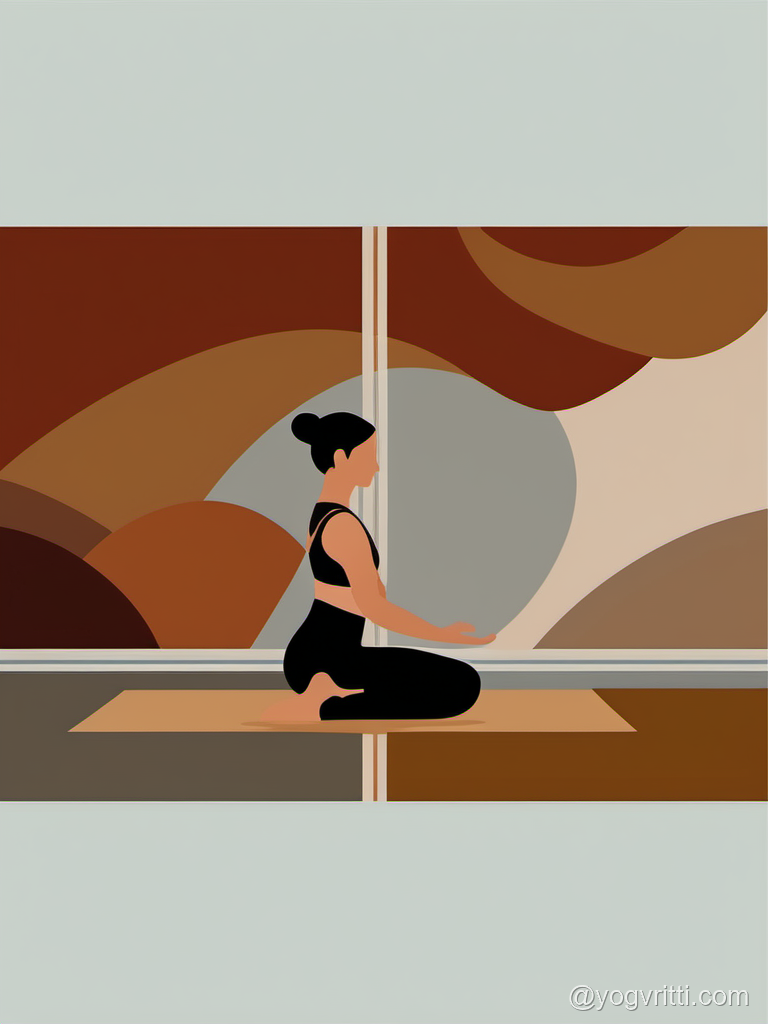
 मध्यममोड़
भरद्वाजासन II
Bharadvaja's Twist II
भरद्वाजासन II एक मध्यवर्ती बैठी हुई मोड़ है जो कूल्हों और कंधों को खींचते हुए एक गहरी रीढ़ की हड्डी को घुमाती है। यह रीढ़ की गतिशीलता और निचले शरीर में लचीलेपन में सुधार करने में मदद करता है, जिससे बेहतर मुद्रा और अंगों की उत्तेजना को बढ़ावा मिलता है।
फायदे
6Spinal Erectors(lengthening | stabilizing)
These long muscles run vertically along either side of your spine, providing support and facilitating movement. In Bharadvajasana II, as you twist, the muscles on the side of the twist lengthen and release, while those on the opposite side gently contract to deepen the rotation. This balanced action helps to decompress the vertebral discs and release chronic tension, allowing for a freer flow of prana (life force) through the central energetic channel, Sushumna Nadi.
Obliques(activating | strengthening)
Located on the sides of your abdomen, these muscles are primary movers for trunk rotation and lateral flexion. In this twist, the external oblique on the side you're twisting towards and the internal oblique on the opposite side work synergistically to create the deep rotation. This engagement strengthens your core stabilizers, improving postural support and creating a 'wringing out' action that invigorates the abdominal organs and helps release stagnant energy (apana vayu).
Hip External Rotators(lengthening | releasing)
These deep muscles are situated beneath the glutes and are responsible for turning your leg outwards from the hip joint. On the side of the half-lotus leg (Ardha Padmasana), these muscles are deeply stretched and released, improving flexibility in the outer hip and groin. This release can alleviate tightness that often contributes to lower back pain, creating a sense of openness and freedom in the pelvic region, which is vital for grounding and energetic stability.
- पूर्ण शारीरिक विश्लेषण →
सावधानियाँ
5Knee Injury
Deep flexion or rotation at the knee can strain ligaments, meniscus, or cartilage, especially in a compromised joint.
Never push into pain; use a folded blanket under or between the knees and reduce the depth of the bend.
Disc Herniation
Spinal flexion and rotation under load increase intradiscal pressure and can push herniated material toward spinal nerves.
Initiate the rotation from the upper thoracic spine; avoid forceful lumbar rotation.
Hip Injury
Deep hip flexion, external rotation, or weight-bearing can aggravate labral tears, impingement, or bursitis.
Limit the range of hip movement, avoid positions that cause clicking or sharp pain, and use props to support the hip.
Sciatica
Certain hip stretches and forward bends pull on the sciatic nerve, temporarily increasing radiating pain down the leg.
Keep both sitting bones grounded and initiate the twist from the mid-back; stop if any shooting sensation occurs.
विधि
चरण-दर-चरण निर्देश
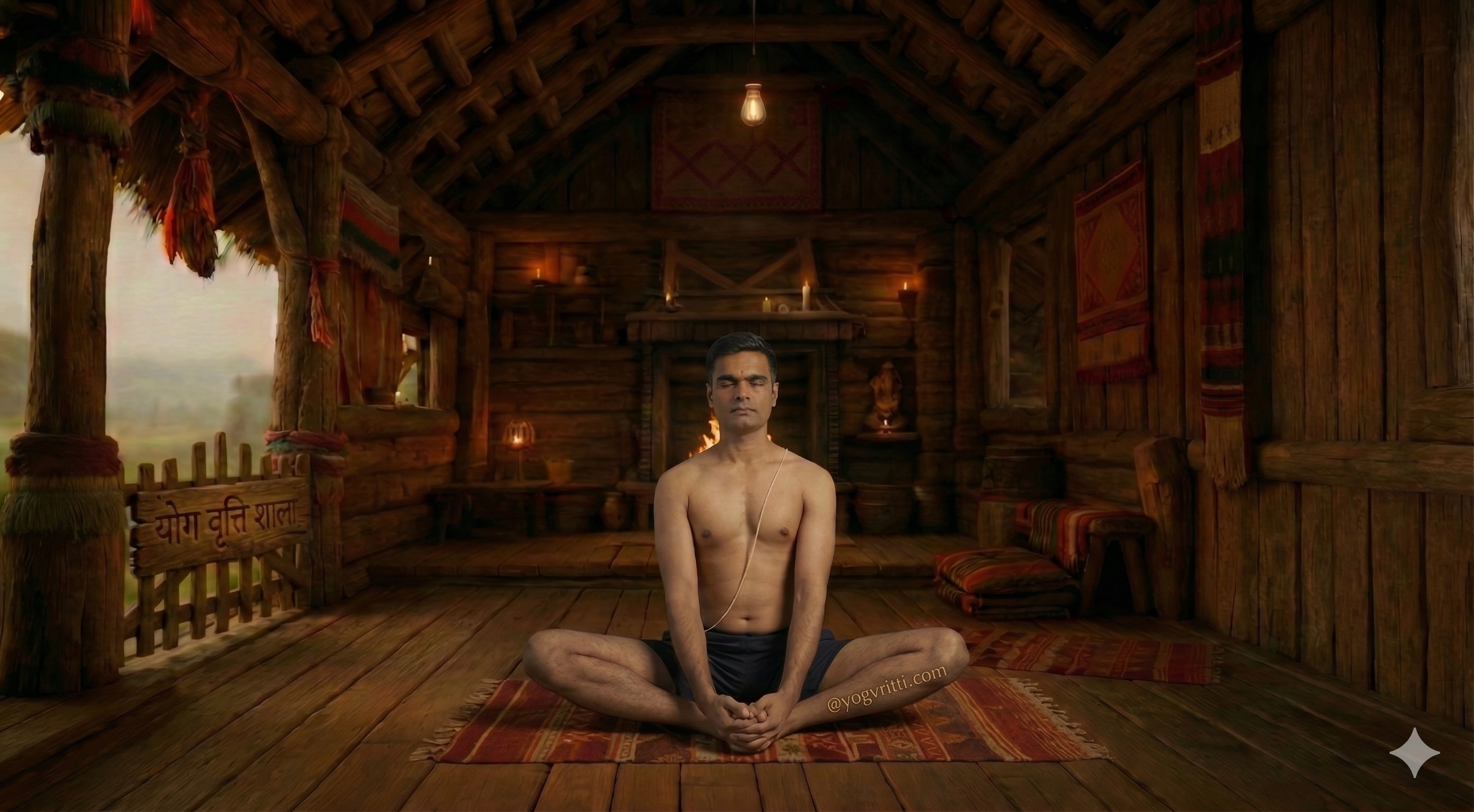
दंडासन में बैठें, पैरों को सामने फैलाएं और रीढ़ को सीधा रखें। कूल्हों के नीचे एक कंबल रखें।
दोनों पैरों को मोड़ें और दाहिने नितंब के पास, पैरों को दाहिनी ओर ले जाएं, जैसे वीरभद्रासन में। दाहिनी एड़ी दाहिने नितंब को छूती हुई।
बाएं पैर को दाहिनी जांघ के ऊपर रखें, ताकि बाएं पैर का शीर्ष दाहिनी जांघ के ऊपर हो।
श्वास लेते हुए, रीढ़ को लंबा करें। श्वास छोड़ते हुए, धड़ को दाहिनी ओर घुमाएं।
दाहिने हाथ को पीठ के पीछे ले जाकर बाएं पैर की उंगलियों को पकड़ें। बाएं हाथ को दाहिने घुटने पर रखें और मोड़ को गहरा करने के लिए सहारा दें।
कंधों को नीचे और पीछे खींचें, छाती को खुला रखें। गर्दन को मोड़ की दिशा में घुमाएं, दृष्टि को दाहिने कंधे पर टिकाएं।
रीढ़ को लंबा और सीधा बनाए रखें, कूल्हों को फर्श पर समान रूप से दबाएं।
30-60 सेकंड तक रुकें, गहरे और समान रूप से श्वास लेते रहें।
श्वास लेते हुए, धीरे-धीरे मोड़ से बाहर आएं और दंडासन में लौट आएं।
दूसरी तरफ दोहराएं।
सहायक उपकरण
वैकल्पिक सहायता — आवश्यकतानुसार उपयोग करें
Folded Blanket
Use a blanket for cushioning, elevation, or support — it adapts the pose to your body's current needs without compromising alignment.
Yoga Block
Use a block to reduce the reach distance, support alignment, and make the posture accessible at your current level of flexibility.
Yoga Strap
A strap extends your reach and allows the pose to be held with correct alignment before full flexibility is established.
सामान्य गलतियाँ
शिक्षण संकेत
अभ्यास क्रम

अक्सर पूछे जाने वाले प्रश्न
भरद्वाजासन II के बारे में सामान्य प्रश्न
भरद्वाजासन II क्या है?
भरद्वाजासन II एक मध्यवर्ती बैठी हुई मोड़ है जो कूल्हों और कंधों को खींचते हुए एक गहरी रीढ़ की हड्डी को घुमाती है। यह रीढ़ की गतिशीलता और निचले शरीर में लचीलेपन में सुधार करने में मदद करता है, जिससे बेहतर मुद्रा और अंगों की उत्तेजना को बढ़ावा मिलता है।
भरद्वाजासन II के क्या फायदे हैं?
Increases spinal mobility and flexibility। Stretches the hips, knees, and ankles। Stimulates abdominal organs, aiding digestion।
भरद्वाजासन II किस स्तर के लिए है?
भरद्वाजासन II एक मध्यम स्तर का आसन है। शुरुआती लोग किसी योग गुरु के मार्गदर्शन में अभ्यास करें।
भरद्वाजासन II कौन न करे?
Knee injury or pain, Severe back injury or disc herniation, Hip injury की स्थिति में यह आसन न करें।
भरद्वाजासन II के लिए कौन से उपकरण चाहिए?
blanket, block, strap का उपयोग इस आसन को आसान बना सकता है।