 शुरुआतीपेट के बल

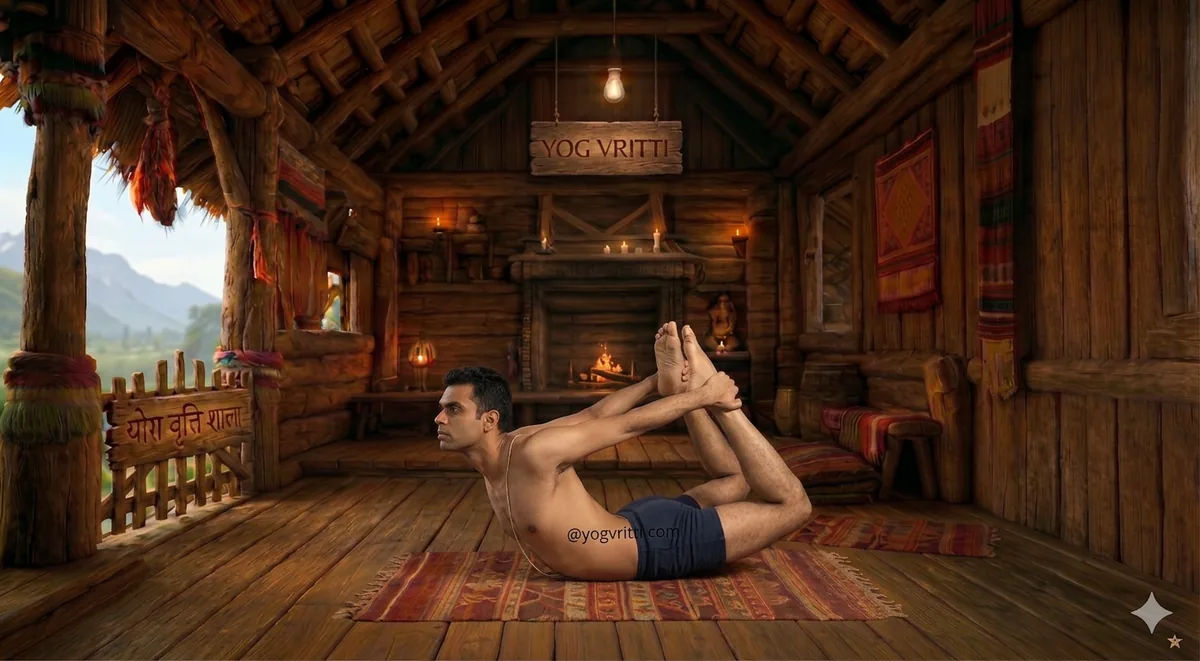
धनुरासन (विविधता)
Bow Pose Variation
धनुरासन की यह एक-पैर-एक-समय भिन्नता पीठ के मोड़ को तीव्रता कम करके अधिक सुलभ बनाती है।
फायदे
5Erector Spinae(strengthening)
These vital muscles run along the entire length of your spine, from the sacrum all the way up to the skull, acting as the primary architects of spinal extension. In this pose, they work dynamically and concentrically to lift and sustain the torso against gravity, building resilient strength in the posterior chain. This action directly counteracts the effects of prolonged sitting, helping to restore the natural curve of the lumbar spine and fostering an upright, confident posture. Energetically, strengthening these muscles helps to awaken the central channel (sushumna nadi), allowing for a more harmonious flow of vital energy.
Gluteus Maximus(strengthening)
Located at the back of your hip, this powerful muscle is crucial for extending the hip and lifting the leg away from the floor. In this variation, the gluteus maximus on the lifted side contracts strongly to elevate the thigh, contributing significantly to the backbend. This targeted engagement not only builds strength in the hip extensors but also stabilizes the pelvis, creating a firm foundation for the spinal arch. From a yogic perspective, strong glutes provide a sense of grounded power and stability, connecting us more deeply to our root chakra.
Quadriceps(lengthening)
The quadriceps femoris group covers the front of your thigh, extending the knee and assisting in hip flexion. As you bend the knee and lift the leg back, these muscles are intensely stretched across the front of the hip and thigh. This deep, sustained lengthening helps to release chronic tightness often accumulated from activities like running or sitting, improving overall leg flexibility. Releasing tension in the quadriceps can alleviate pressure on the knees and hips, allowing prana to flow more freely through the major energy channels of the legs.
- पूर्ण शारीरिक विश्लेषण →
सावधानियाँ
5Back Injury / Back Pain
Spinal flexion, extension, or rotation under load can compress vertebral discs or strain the paraspinal muscles.
Limit the depth of the backbend, engage the core actively before moving, and avoid any movement that creates pinching in the lumbar spine.
Hernia
Strong abdominal compression and breath-holding under strain increase intra-abdominal pressure and can worsen a hernia.
Avoid any posture that causes pressure or bulging in the abdomen; work with a qualified teacher and your healthcare provider.
Pregnancy
Deep twists, abdominal compression, and lying flat on the back can restrict blood flow or cause discomfort as pregnancy progresses.
Widen the stance, avoid deep abdominal compression and twists, and consult a qualified prenatal yoga teacher.
High Blood Pressure
Vigorous effort and inverted positions temporarily raise blood pressure in the head, increasing strain on blood vessels.
Limit the depth of the backbend, breathe smoothly, and avoid holding the pose for extended periods.
विधि
चरण-दर-चरण निर्देश
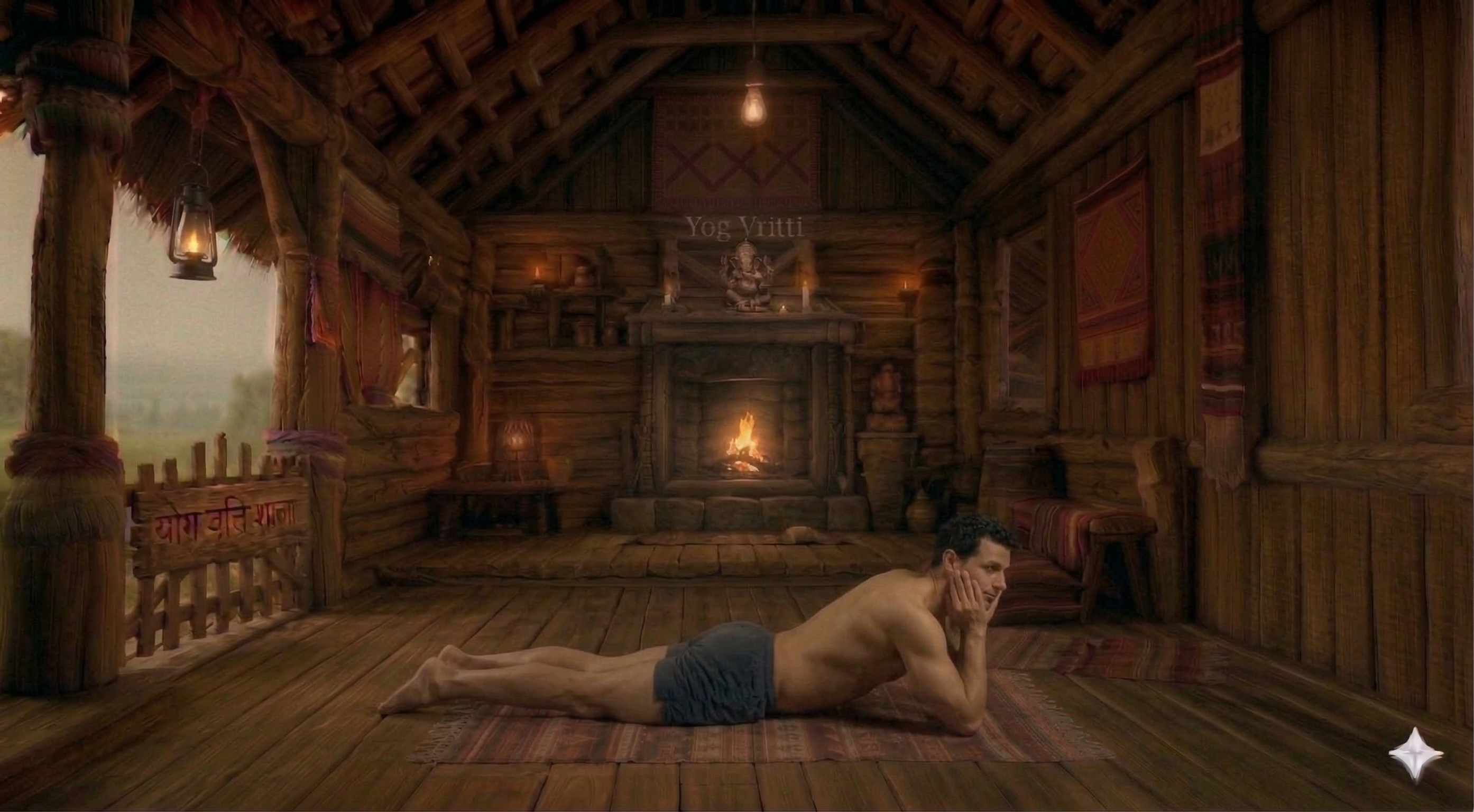
Lie on your stomach with your arms alongside your body, palms facing up.
Exhale and bend your right knee, bringing your heel towards your buttocks.
Reach back with your right hand and grasp your right ankle or top of your foot.
Inhale and gently lift your head, chest, and right thigh off the floor.
Use your arm to help lift your thigh higher, deepening the stretch in your quadriceps.
Keep your left leg straight and grounded on the floor.
Gaze slightly forward, keeping your neck long.
Breathe deeply and evenly.
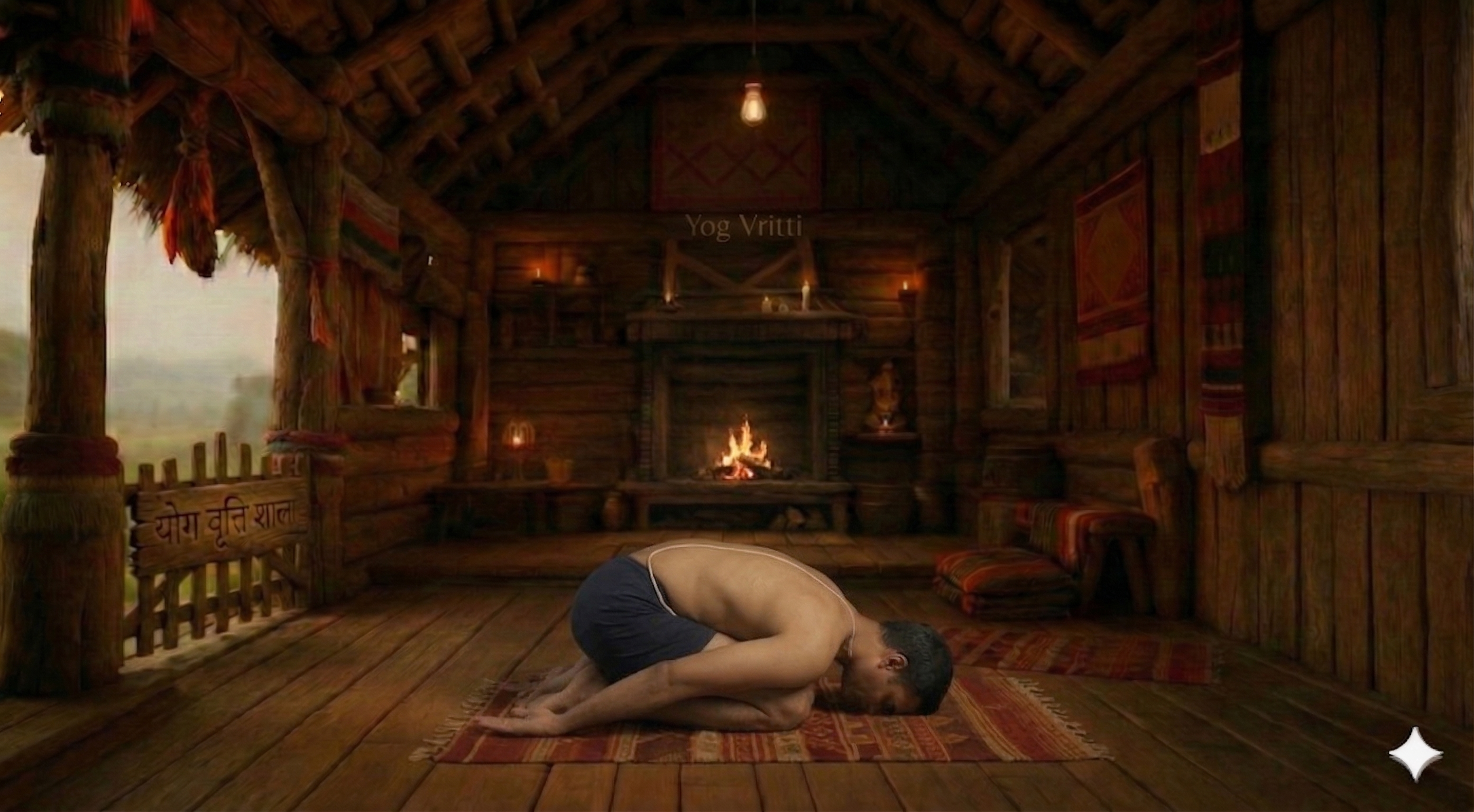
Exhale and slowly lower back down to the floor.
Repeat on the left side.
सहायक उपकरण
वैकल्पिक सहायता — आवश्यकतानुसार उपयोग करें
Yoga Strap
Loop a strap around the ankles in prone backbends to close the gap between hands and feet, protecting the lower back from excessive compression.
सामान्य गलतियाँ
शिक्षण संकेत
अभ्यास क्रम
अक्सर पूछे जाने वाले प्रश्न
धनुरासन (विविधता) के बारे में सामान्य प्रश्न
धनुरासन (विविधता) क्या है?
धनुरासन की यह एक-पैर-एक-समय भिन्नता पीठ के मोड़ को तीव्रता कम करके अधिक सुलभ बनाती है।
धनुरासन (विविधता) के क्या फायदे हैं?
Makes backbending accessible for beginners। Stretches the front body progressively। Strengthens the back muscles।
धनुरासन (विविधता) किस स्तर के लिए है?
धनुरासन (विविधता) एक शुरुआती स्तर का आसन है। यह सभी के लिए उपयुक्त है।
धनुरासन (विविधता) कौन न करे?
Acute back injury, Hernia, Pregnancy की स्थिति में यह आसन न करें।
धनुरासन (विविधता) के लिए कौन से उपकरण चाहिए?
strap का उपयोग इस आसन को आसान बना सकता है।