एक पाद भेकासन
One-Legged Frog Pose
एक पद भेकासन चतुर्भुजों, हिप फ्लेक्सर्स और कंधों को गहराई से फैलाता है, जबकि छाती को खोलता है और रीढ़ की हड्डी के लचीलेपन में सुधार करता है। इस मुद्रा के लिए महत्वपूर्ण लचीलेपन और ताकत की आवश्यकता होती है, जो खुलेपन और भेद्यता की भावना को बढ़ावा देती है।
फायदे
6Quadriceps(lengthening)
The muscles along the front of your thigh (quadriceps) on the bent leg receive an intense, sustained stretch in this pose, particularly the rectus femoris which crosses both the hip and knee joints. This deep lengthening helps to release chronic tightness often accumulated from activities like running or sitting, improving knee health and mobility. Energetically, this release in the front of the thigh can free up stagnant apana vayu, bringing a sense of lightness and ease to the lower body and pelvis, allowing for greater energetic flow.
Hip Flexors(lengthening)
The deep muscles connecting your lower spine to your thigh bones (psoas and iliacus) are actively lengthened as the hip of the bent leg moves into extension. These muscles often hold deep-seated emotional and physical tension, contributing to lower back stiffness and restricted movement. By patiently unwinding these core muscles, the pose can release not only physical tightness but also emotional blocks, fostering a sense of freedom and energetic openness in the core of the body, which is vital for spinal health and vitality.
Deltoids(lengthening | activating | stabilizing)
The muscles capping your shoulder (deltoids), especially the anterior fibers, are lengthened as the arm reaches back and the elbow lifts towards the ceiling. Concurrently, the posterior and medial deltoids work to stabilize the shoulder joint, creating an active opening. This action helps to release stiffness in the shoulder girdle, improving range of motion and creating a broader, more open chest. Energetically, this expansive quality in the upper body invites a fuller flow of prana into the heart and lung regions, promoting feelings of spaciousness and receptivity.
- पूर्ण शारीरिक विश्लेषण →
सावधानियाँ
4Knee Injury
Deep flexion or rotation at the knee can strain ligaments, meniscus, or cartilage, especially in a compromised joint.
Never push into pain; use a folded blanket under or between the knees and reduce the depth of the bend.
Shoulder Injury
Overhead loading and extreme shoulder rotation can impinge the subacromial space and overload rotator cuff tendons.
Draw the shoulder blades together without externally rotating aggressively; place hands on blocks to reduce range.
Back Injury / Back Pain
Spinal flexion, extension, or rotation under load can compress vertebral discs or strain the paraspinal muscles.
Limit the depth of the backbend, engage the core actively before moving, and avoid any movement that creates pinching in the lumbar spine.
High Blood Pressure
Vigorous effort and inverted positions temporarily raise blood pressure in the head, increasing strain on blood vessels.
Limit the depth of the backbend, breathe smoothly, and avoid holding the pose for extended periods.
विधि
चरण-दर-चरण निर्देश
पेट के बल लेटें, अपने माथे को ज़मीन पर टिकाएं और अपनी बाहों को अपने शरीर के बगल में रखें।
साँस अंदर लें और अपने दाहिने पैर को घुटने से मोड़ें, अपने पैर को अपने कूल्हे की ओर लाएं।
अपने दाहिने हाथ से अपने दाहिने पैर को पकड़ें।
साँस छोड़ते हुए, अपने पैर को अपने कूल्हे की ओर खींचें, अपने कंधे को घुमाएं।
अपने दाहिने कंधे को पीछे की ओर धकेलें, अपने सीने को खोलें।
अपने बाएँ हाथ को ज़मीन पर आगे की ओर फैलाएं।
सुनिश्चित करें कि आपका बायाँ पैर सीधा है और आपका बायाँ कूल्हा ज़मीन पर टिका हुआ है।
अपनी दृष्टि को आगे की ओर रखें।
30-60 सेकंड के लिए इस आसन में रहें, सामान्य रूप से साँस लेते रहें।
साँस छोड़ते हुए, धीरे-धीरे अपने पैर को छोड़ें और अपने शरीर को ज़मीन पर टिकाएं।
दूसरे पैर से दोहराएं।
सहायक उपकरण
वैकल्पिक सहायता — आवश्यकतानुसार उपयोग करें
Folded Blanket
A rolled blanket under the thoracic spine opens the chest gently and supports the backbend, making it accessible as a restorative variation.
सामान्य गलतियाँ
शिक्षण संकेत
अभ्यास क्रम
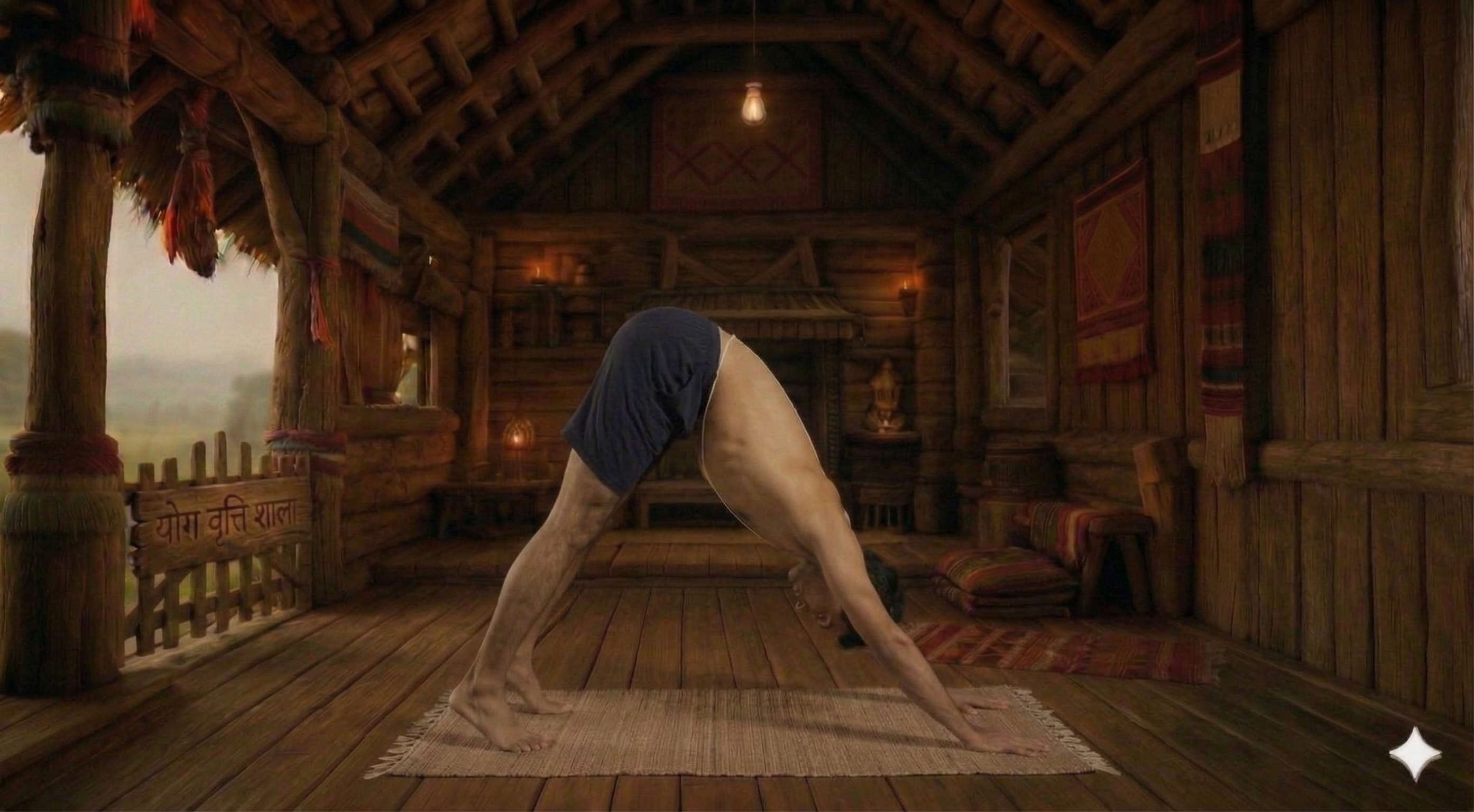
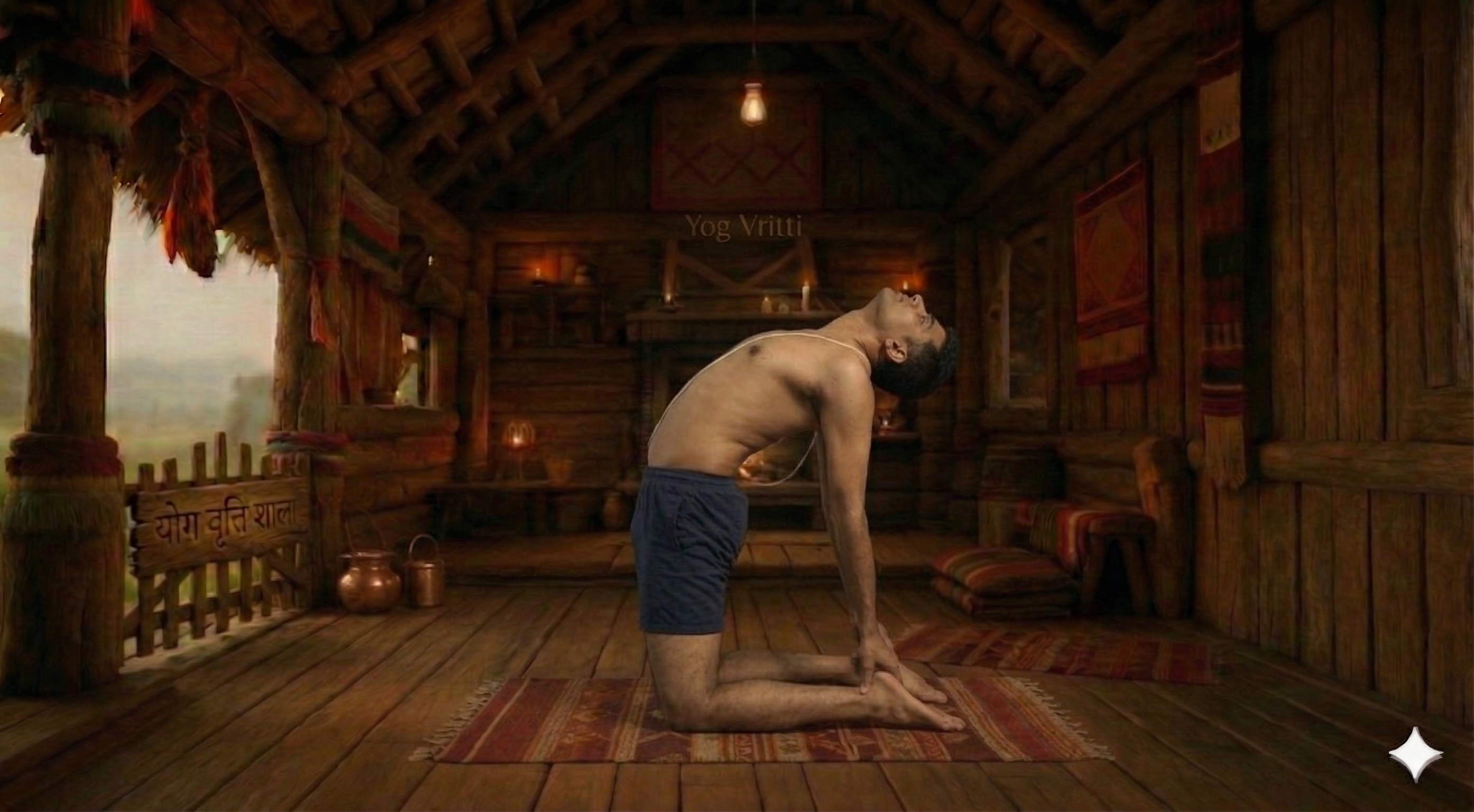
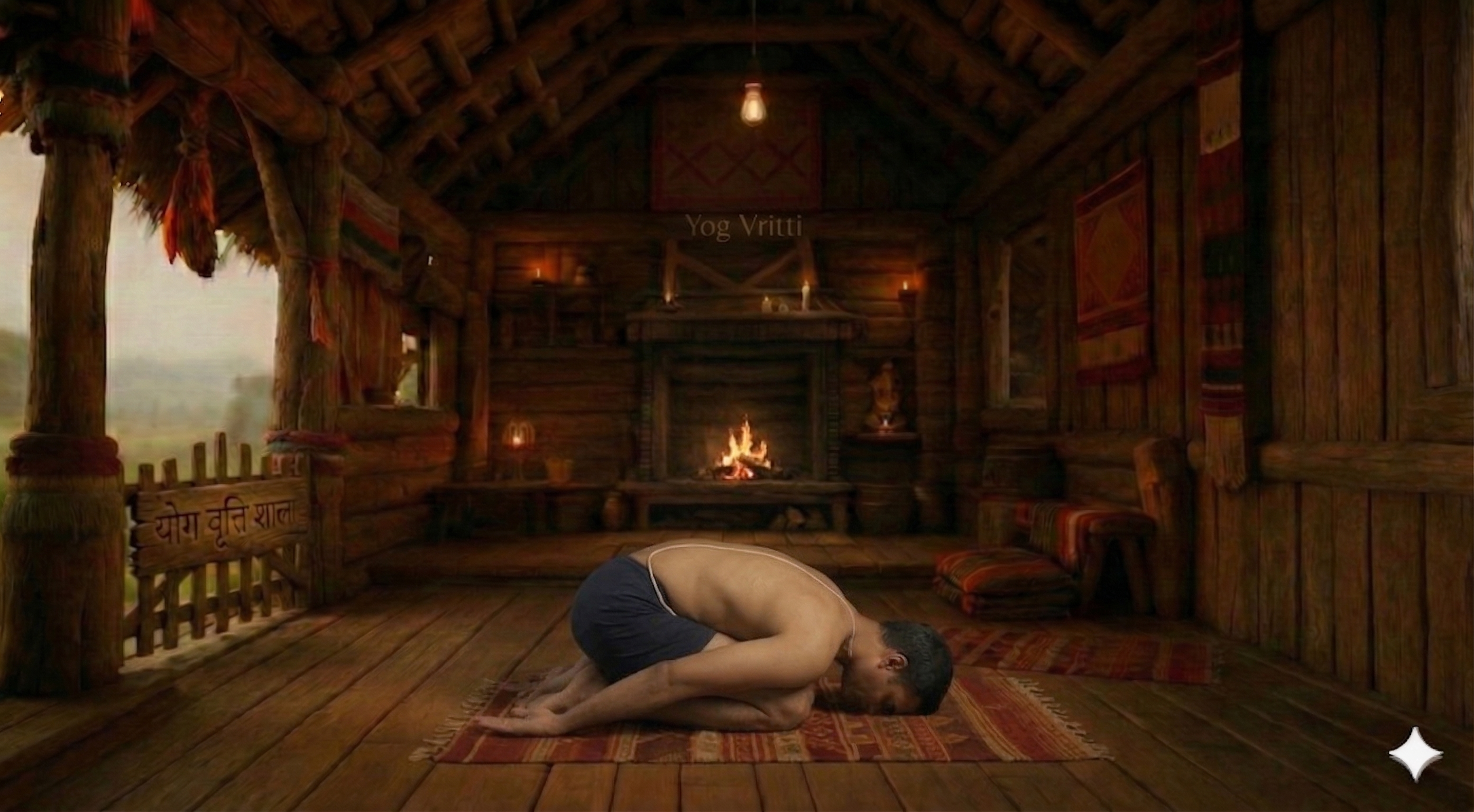
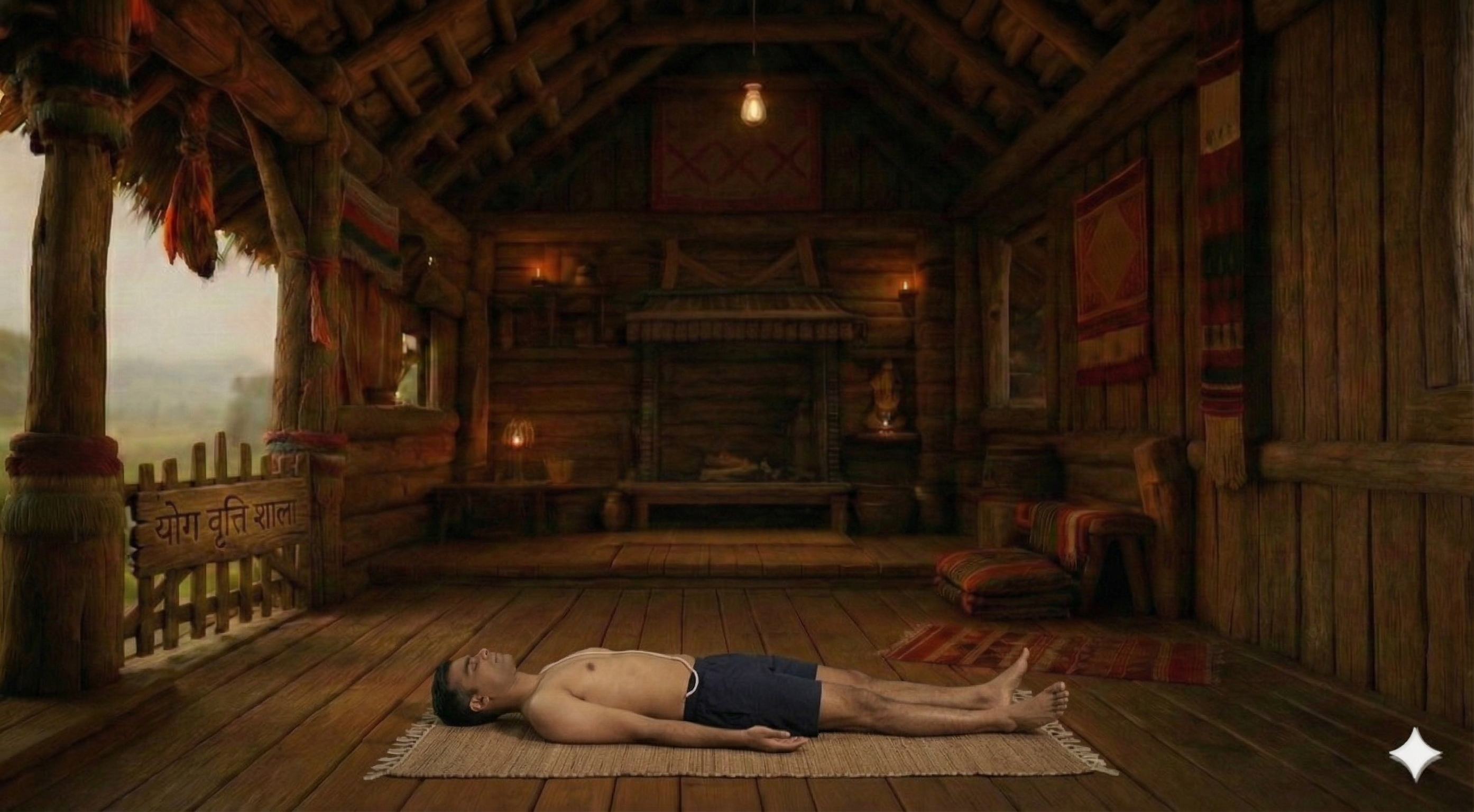
अक्सर पूछे जाने वाले प्रश्न
एक पाद भेकासन के बारे में सामान्य प्रश्न
एक पाद भेकासन क्या है?
एक पद भेकासन चतुर्भुजों, हिप फ्लेक्सर्स और कंधों को गहराई से फैलाता है, जबकि छाती को खोलता है और रीढ़ की हड्डी के लचीलेपन में सुधार करता है। इस मुद्रा के लिए महत्वपूर्ण लचीलेपन और ताकत की आवश्यकता होती है, जो खुलेपन और भेद्यता की भावना को बढ़ावा देती है।
एक पाद भेकासन के क्या फायदे हैं?
Stretches quadriceps and hip flexors। Opens chest and shoulders। Improves spinal flexibility।
एक पाद भेकासन किस स्तर के लिए है?
एक पाद भेकासन एक उन्नत स्तर का आसन है। शुरुआती लोग किसी योग गुरु के मार्गदर्शन में अभ्यास करें।
एक पाद भेकासन कौन न करे?
Knee injuries, Shoulder injuries, Back injuries की स्थिति में यह आसन न करें।
एक पाद भेकासन के लिए कौन से उपकरण चाहिए?
blanket का उपयोग इस आसन को आसान बना सकता है।