One-Legged Frog Pose
One-Legged Frog Pose · एक पाद भेकासन
Also known as: Single Leg Frog Pose
One-Legged Frog Pose, also called Single Leg Frog Pose is a classical yoga posture whose Sanskrit roots break down as: Eka (One) · Pada (Foot / Leg) · Bhekasana (Bhekasana) · Asana (Pose). Beginning from a kneeling position, the practitioner aligns the body with precision and intentional breath. The posture works to strengthen the quadriceps, stretch the hip flexors and open and strengthen the shoulders. Opens chest and shoulders. Improves spinal flexibility. Suitable for advanced practitioners with developed body awareness, it is a meaningful addition to any practice. A blanket can be used to make the posture more accessible and support correct alignment. Practitioners with back pain and knee injury should approach with care or consult a qualified teacher.
Anatomy Involved
Benefits
Quadriceps(lengthening)
The muscles along the front of your thigh (quadriceps) on the bent leg receive an intense, sustained stretch in this pose, particularly the rectus femoris which crosses both the hip and knee joints. This deep lengthening helps to release chronic tightness often accumulated from activities like running or sitting, improving knee health and mobility. Energetically, this release in the front of the thigh can free up stagnant apana vayu, bringing a sense of lightness and ease to the lower body and pelvis, allowing for greater energetic flow.
Hip Flexors(lengthening)
The deep muscles connecting your lower spine to your thigh bones (psoas and iliacus) are actively lengthened as the hip of the bent leg moves into extension. These muscles often hold deep-seated emotional and physical tension, contributing to lower back stiffness and restricted movement. By patiently unwinding these core muscles, the pose can release not only physical tightness but also emotional blocks, fostering a sense of freedom and energetic openness in the core of the body, which is vital for spinal health and vitality.
Deltoids(lengthening | activating | stabilizing)
The muscles capping your shoulder (deltoids), especially the anterior fibers, are lengthened as the arm reaches back and the elbow lifts towards the ceiling. Concurrently, the posterior and medial deltoids work to stabilize the shoulder joint, creating an active opening. This action helps to release stiffness in the shoulder girdle, improving range of motion and creating a broader, more open chest. Energetically, this expansive quality in the upper body invites a fuller flow of prana into the heart and lung regions, promoting feelings of spaciousness and receptivity.
- Full anatomical benefits — muscles, joints, organs →
Avoid If
Knee Injury
Deep flexion or rotation at the knee can strain ligaments, meniscus, or cartilage, especially in a compromised joint.
Never push into pain; use a folded blanket under or between the knees and reduce the depth of the bend.
Shoulder Injury
Overhead loading and extreme shoulder rotation can impinge the subacromial space and overload rotator cuff tendons.
Draw the shoulder blades together without externally rotating aggressively; place hands on blocks to reduce range.
Back Injury / Back Pain
Spinal flexion, extension, or rotation under load can compress vertebral discs or strain the paraspinal muscles.
Limit the depth of the backbend, engage the core actively before moving, and avoid any movement that creates pinching in the lumbar spine.
High Blood Pressure
Vigorous effort and inverted positions temporarily raise blood pressure in the head, increasing strain on blood vessels.
Limit the depth of the backbend, breathe smoothly, and avoid holding the pose for extended periods.
Props That Can Help
Optional supports — use when helpful, not required
Folded Blanket
A rolled blanket under the thoracic spine opens the chest gently and supports the backbend, making it accessible as a restorative variation.
Common Mistakes to Avoid
Teaching Cues
For yoga teachers — verbal cues to guide students
6 cues
Teaching Cues
For yoga teachers — verbal cues to guide students
- 1Place padding under the knees if needed for comfort
- 2Align the hips directly above or behind the knees
- 3Keep the spine long and the chest lifted
- 4Press the tops of the feet or toes firmly into the floor
- 5Engage the core to support the lower back
- 6Allow the hip joints to open gradually — never force
Pose Details
Pose Type
Body Focus
Focus Areas
Yoga Styles
When to Practice
Position
Target Areas
Practice Flow
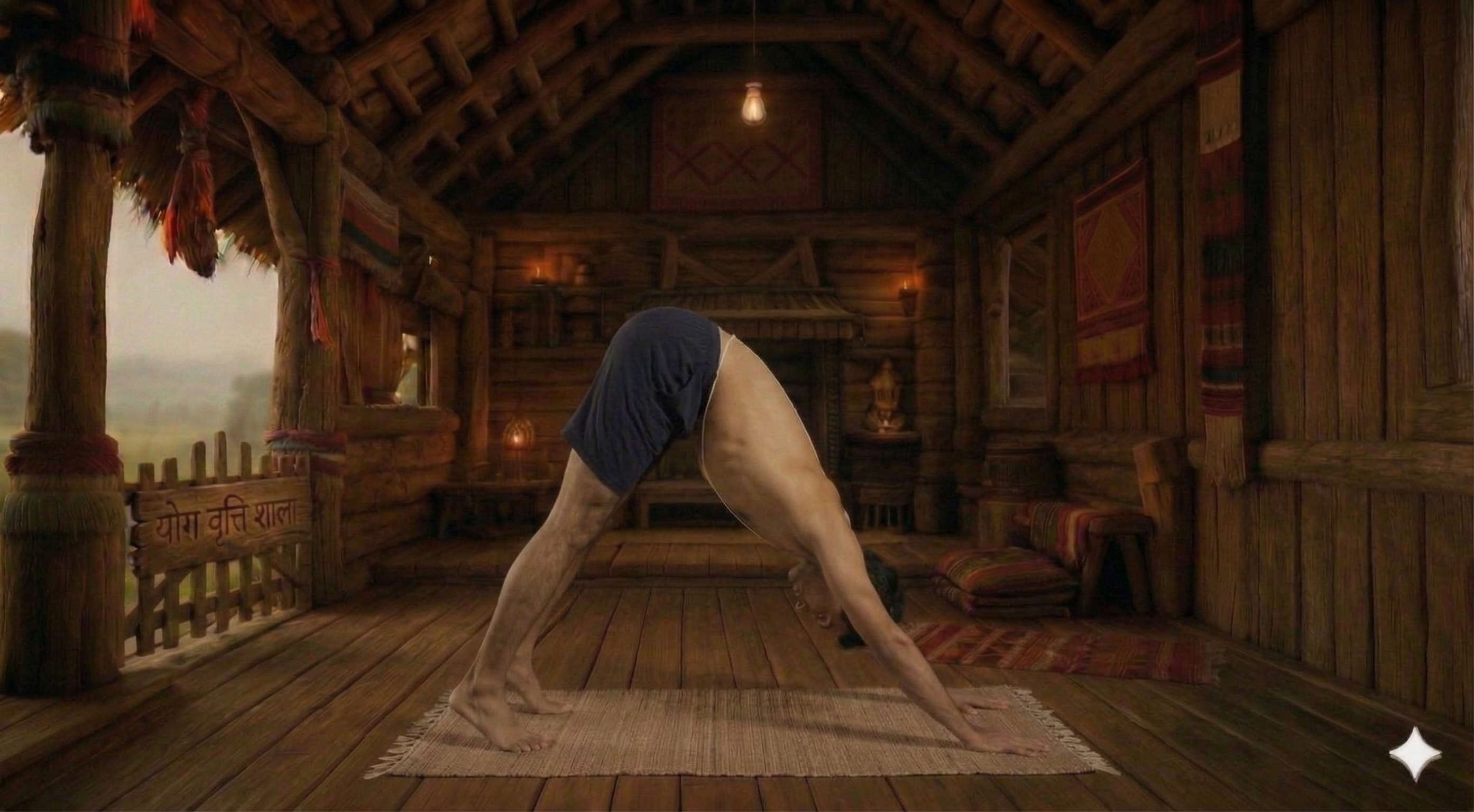
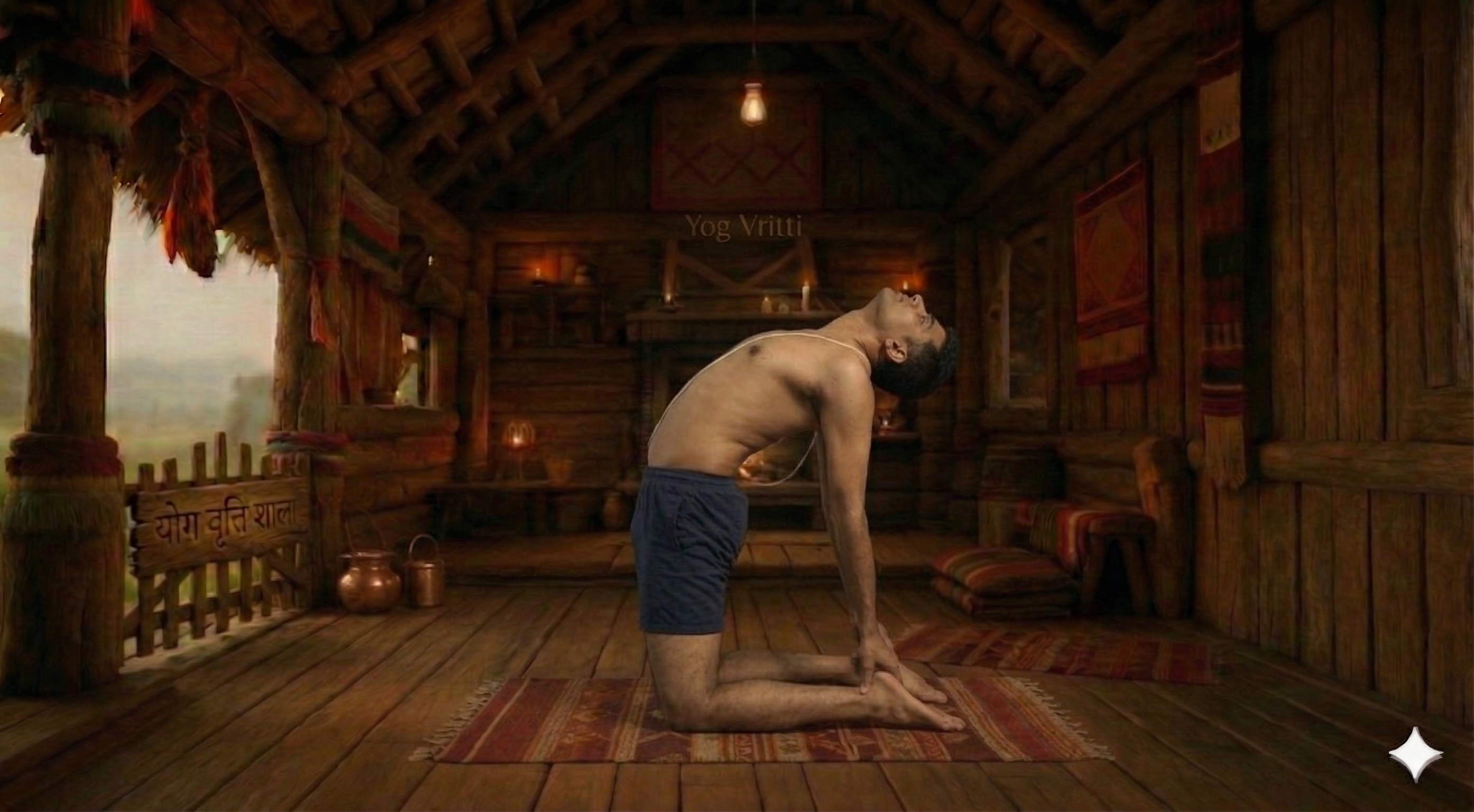
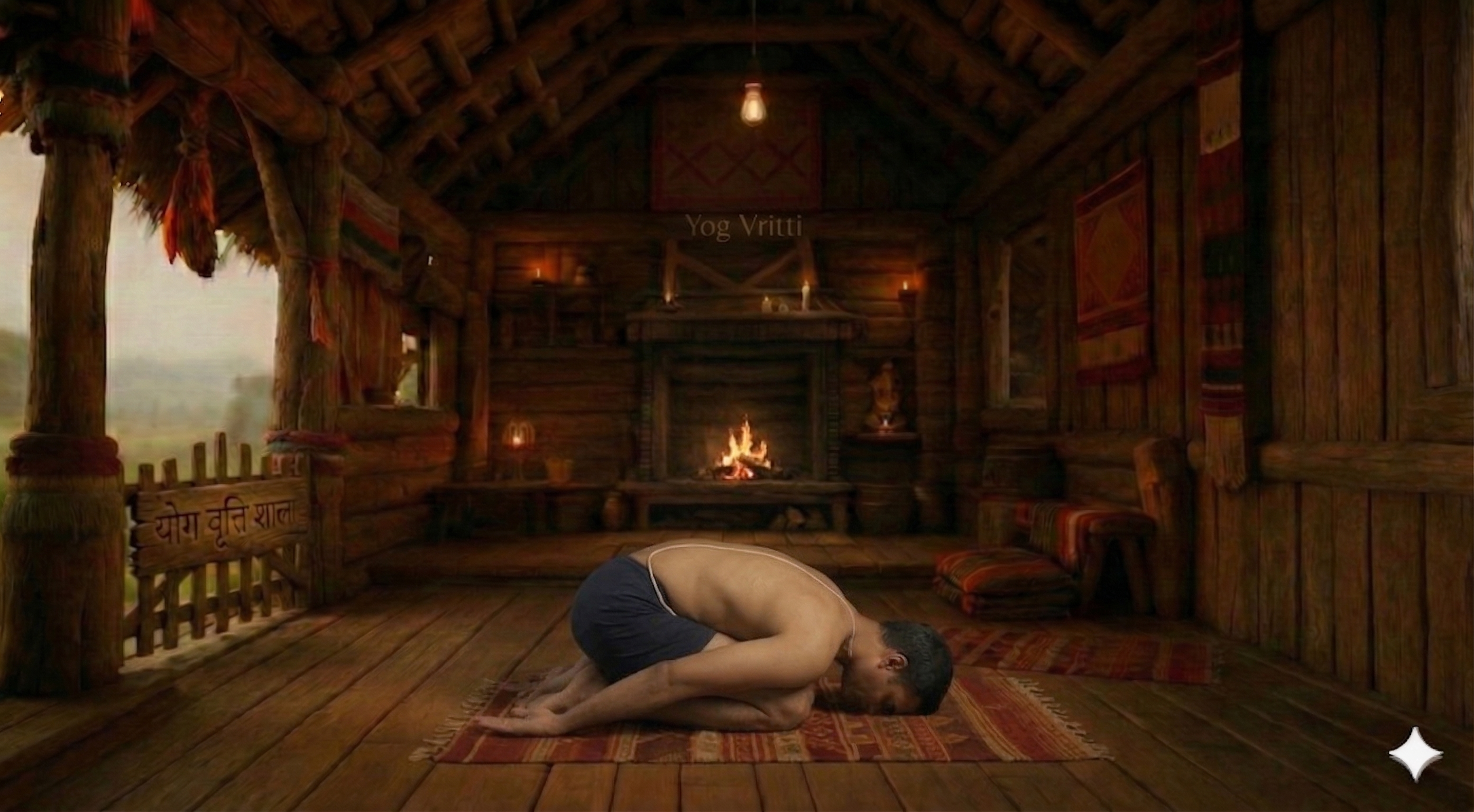
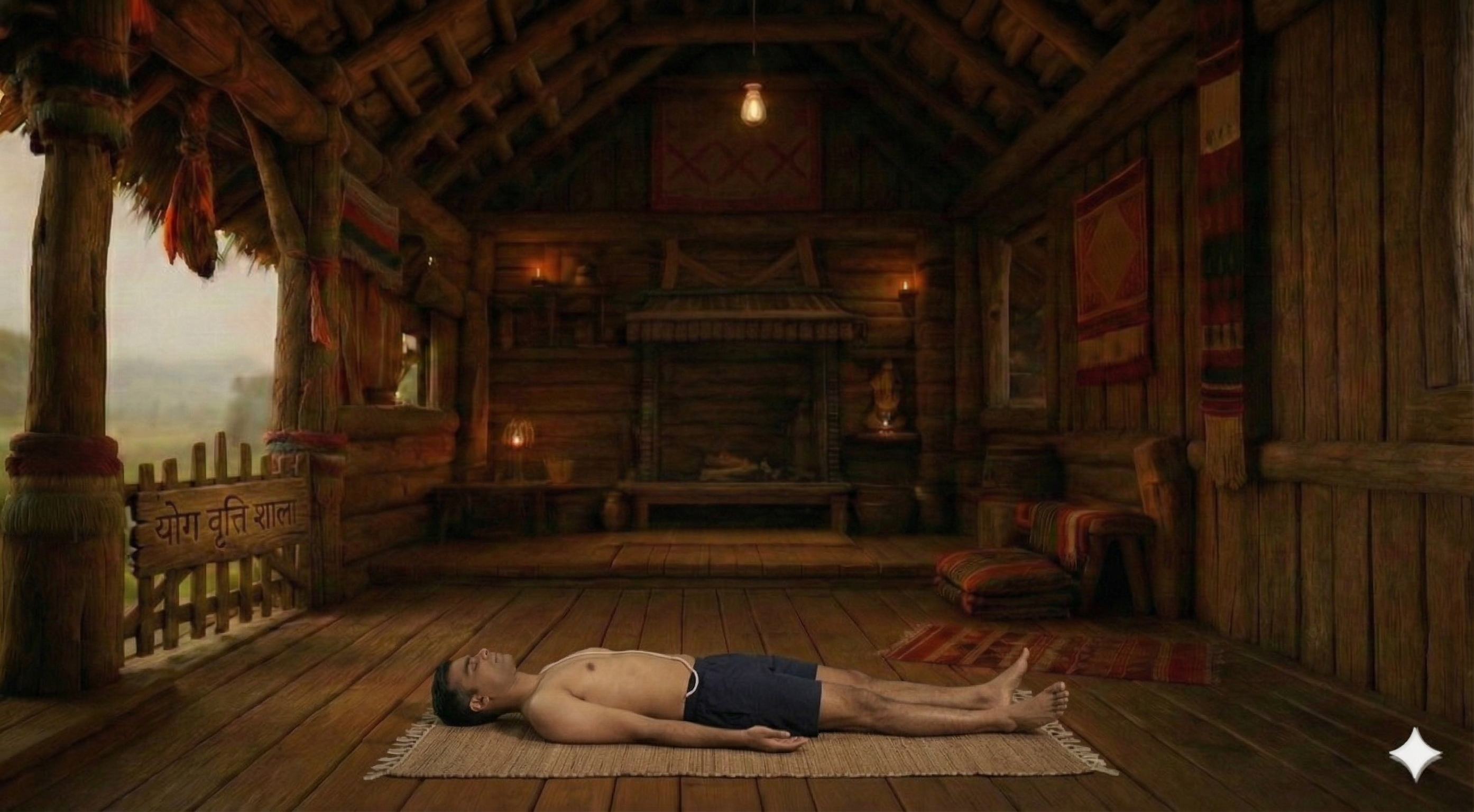
How to Practice
1. Lie prone on your stomach, forehead resting on the floor, arms alongside your body.
2. Inhale, and bend your right knee, bringing your right foot towards your right hip.
3. Reach back with your right hand and grasp your right foot or ankle.
4. Exhale, and draw your heel towards your hip, externally rotating your shoulder.
5. Press your right shoulder back, opening your chest.
6 more steps remaining
Register free to see the complete instructions
Register Free to ContinueAlready registered? Login
Frequently Asked Questions
Common questions about One-Legged Frog Pose
What is One-Legged Frog Pose?
One-Legged Frog Pose, also called Single Leg Frog Pose is a classical yoga posture whose Sanskrit roots break down as: Eka (One) · Pada (Foot / Leg) · Bhekasana (Bhekasana) · Asana (Pose). Beginning from a kneeling position, the practitioner aligns the body with precision and intentional breath. The posture works to strengthen the quadriceps, stretch the hip flexors and open and strengthen the shoulders. Opens chest and shoulders. Improves spinal flexibility. Suitable for advanced practitioners with developed body awareness, it is a meaningful addition to any practice. A blanket can be used to make the posture more accessible and support correct alignment. Practitioners with back pain and knee injury should approach with care or consult a qualified teacher.
What are the benefits of One-Legged Frog Pose?
Stretches quadriceps and hip flexors. Opens chest and shoulders. Improves spinal flexibility. Strengthens back muscles. Stimulates abdominal organs. Increases energy levels.
Who should avoid One-Legged Frog Pose?
Avoid this pose if you have: Knee injuries, Shoulder injuries, Back injuries, High blood pressure.
How many steps are in One-Legged Frog Pose?
One-Legged Frog Pose is practiced in 11 steps. Lie prone on your stomach, forehead resting on the floor, arms alongside your body.
Is One-Legged Frog Pose suitable for beginners?
One-Legged Frog Pose is an advanced-level pose. Beginners should practice with props or under guidance.
What props are needed for One-Legged Frog Pose?
You may use: blanket. Props make the pose more accessible and comfortable.
What poses should I do before One-Legged Frog Pose?
Prepare with: Adho Mukha Svanasana, Virasana, Camel Pose. These warm up the relevant muscles and joints.
Related Poses
Similar poses you might enjoy
Build Your Own Sequence
Combine One-Legged Frog Pose with other poses