जठरपरिवर्तनासन
Reclining Spinal Twist
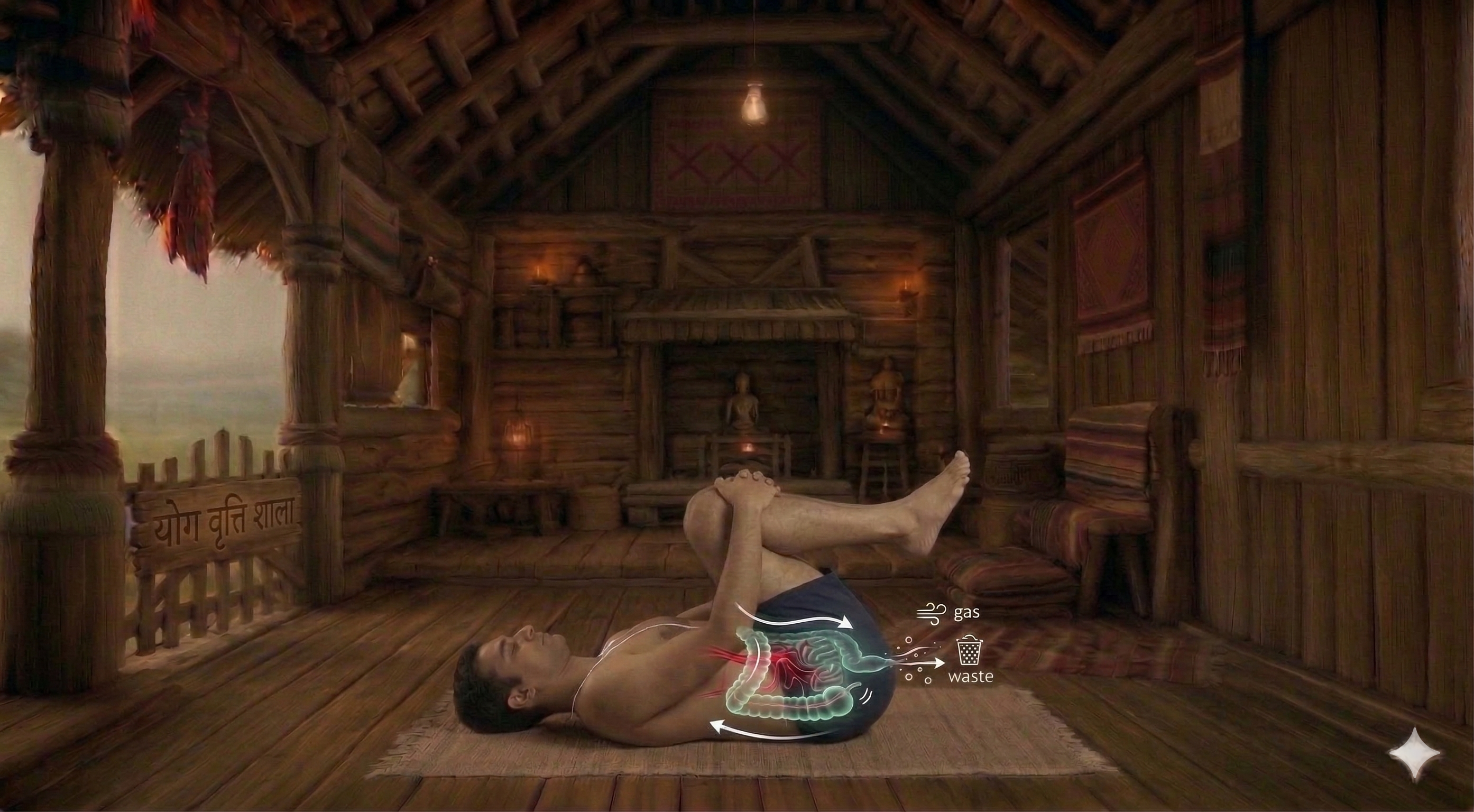
जठरपरिवर्तनासन एक कोमल रीढ़ की हड्डी का मोड़ है जो तनाव को दूर करने और पाचन में सुधार करने में मदद कर सकता है। यह पीठ, पेट की मांसपेशियों और तिरछी मांसपेशियों को फैलाता है, साथ ही विश्राम को भी बढ़ावा देता है।
फायदे
5Obliques (Internal and External)(lengthening)
These sheet-like muscles run along the sides of your waist, wrapping from your lower ribs to your pelvis. In this twist, the obliques on the side you are twisting away from receive a sustained and gentle lengthening, allowing the torso to rotate more deeply and release superficial tension. This unwinding creates a feeling of spaciousness in the abdomen and sides of the waist, which can often hold tension from everyday movements. Energetically, this opening allows for a freer flow of samana vayu, aiding digestion and internal balance.
Erector Spinae (Spinal Extensors)(lengthening)
These are the long, powerful muscles running parallel to your spine, from your tailbone up to your skull. As the spine gently rotates, the deep spinal extensors on the side of the twist are subtly lengthened and released, rather than aggressively stretched. This action helps to decompress the vertebral segments and encourages the muscles to soften their grip, which is often tight from prolonged sitting or standing. The release of these muscles directly contributes to relieving chronic lower and mid-back pain, allowing prana to flow more freely along the sushumna nadi.
Quadratus Lumborum (QL)(lengthening)
This deep muscle sits in your lower back, connecting your lowest rib to your pelvis and lumbar spine. The QL on the side opposite the twist experiences a gentle, sustained stretch, helping to release its often-contracted state, which is a common culprit in lower back pain and can contribute to lateral pelvic tilts. Its lengthening helps to re-establish symmetry and reduce discomfort, creating a sense of release in the lumbar region. From a yogic perspective, releasing the QL can free up energy trapped in the lower back, often associated with feelings of being stuck or burdened.
- पूर्ण शारीरिक विश्लेषण →
सावधानियाँ
4Back Injury / Back Pain
Spinal flexion, extension, or rotation under load can compress vertebral discs or strain the paraspinal muscles.
Initiate the twist from the upper spine and ribs rather than forcing from the waist; keep both sitting bones grounded.
Pregnancy
Deep twists, abdominal compression, and lying flat on the back can restrict blood flow or cause discomfort as pregnancy progresses.
Twist from the upper thoracic spine only, opening the chest rather than compressing the abdomen; use a chair for support.
Recent Surgery
Surgical wounds and healing tissues need time before being subjected to the mechanical stress of yoga postures.
Wait for full medical clearance from your surgeon; begin with gentle breath work and progress only as healing allows.
विधि
चरण-दर-चरण निर्देश
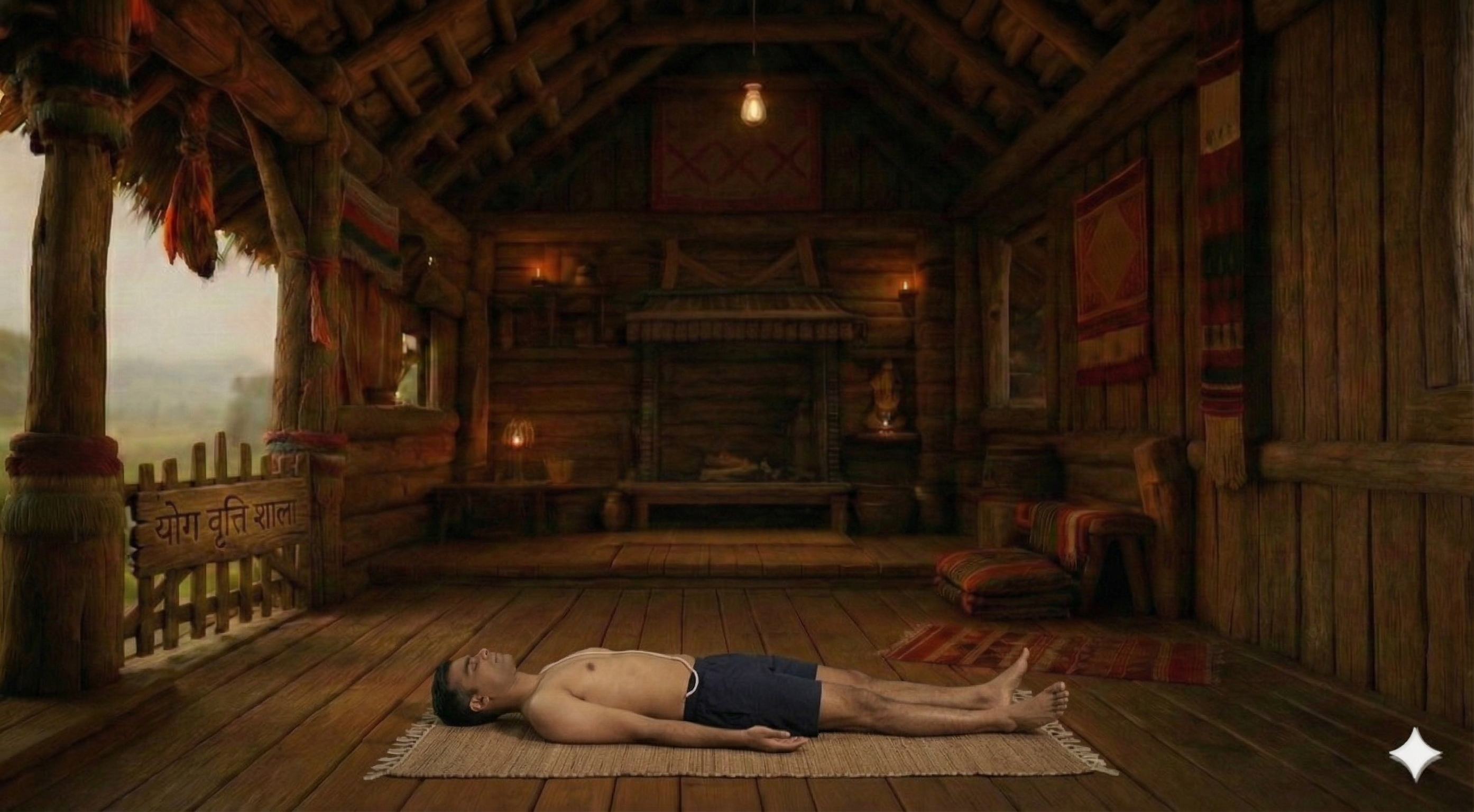
पीठ के बल लेट जाएं, पैर सीधे और हाथ शरीर के बगल में रखें।
घुटनों को छाती की ओर मोड़ें।
हाथों को कंधों की सीध में फैलाएं, हथेलियाँ ऊपर की ओर हों।
श्वास छोड़ें, घुटनों को धीरे-धीरे दाईं ओर फर्श पर ले जाएं।
सिर को बाईं ओर घुमाएं।
कंधों को फर्श पर टिकाए रखने की कोशिश करें।
सामान्य रूप से श्वास लें, 30 सेकंड से 1 मिनट तक इस स्थिति में रहें।
श्वास लें, घुटनों को वापस छाती की ओर लाएं।
श्वास छोड़ें, घुटनों को धीरे-धीरे बाईं ओर फर्श पर ले जाएं।
सिर को दाईं ओर घुमाएं।
सामान्य रूप से श्वास लें, 30 सेकंड से 1 मिनट तक इस स्थिति में रहें।
श्वास लें, घुटनों को वापस छाती की ओर लाएं, पैरों को सीधा करें, शवासन में आराम करें।
सहायक उपकरण
वैकल्पिक सहायता — आवश्यकतानुसार उपयोग करें
Folded Blanket
Use a blanket for cushioning, elevation, or support — it adapts the pose to your body's current needs without compromising alignment.
सामान्य गलतियाँ
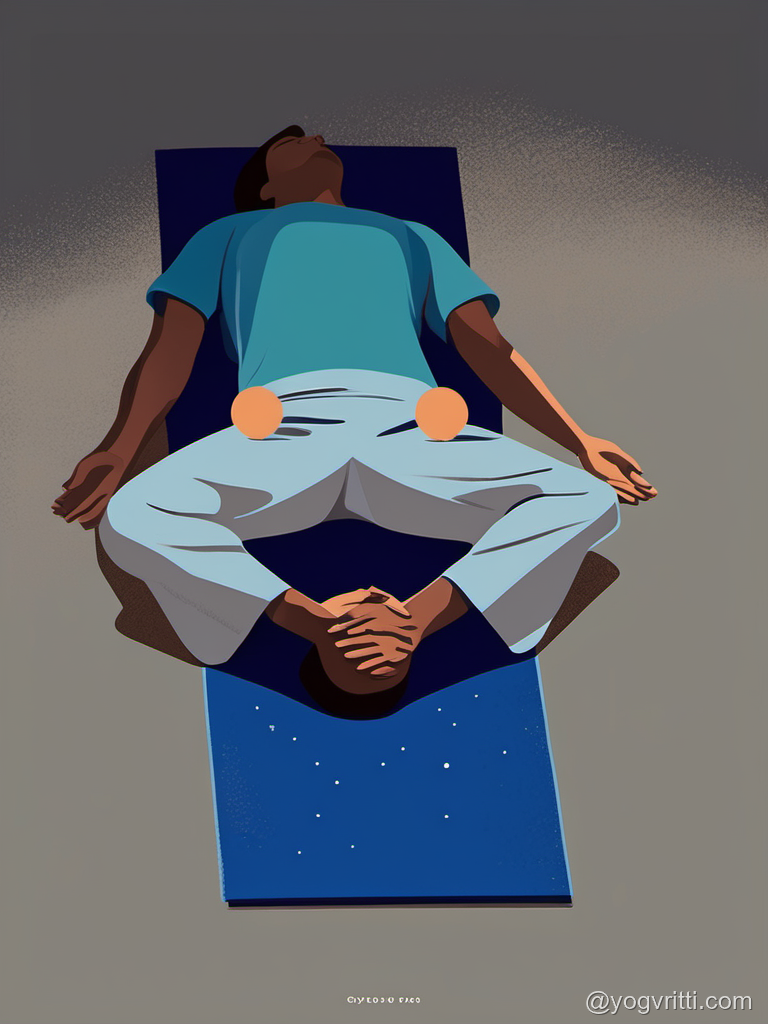
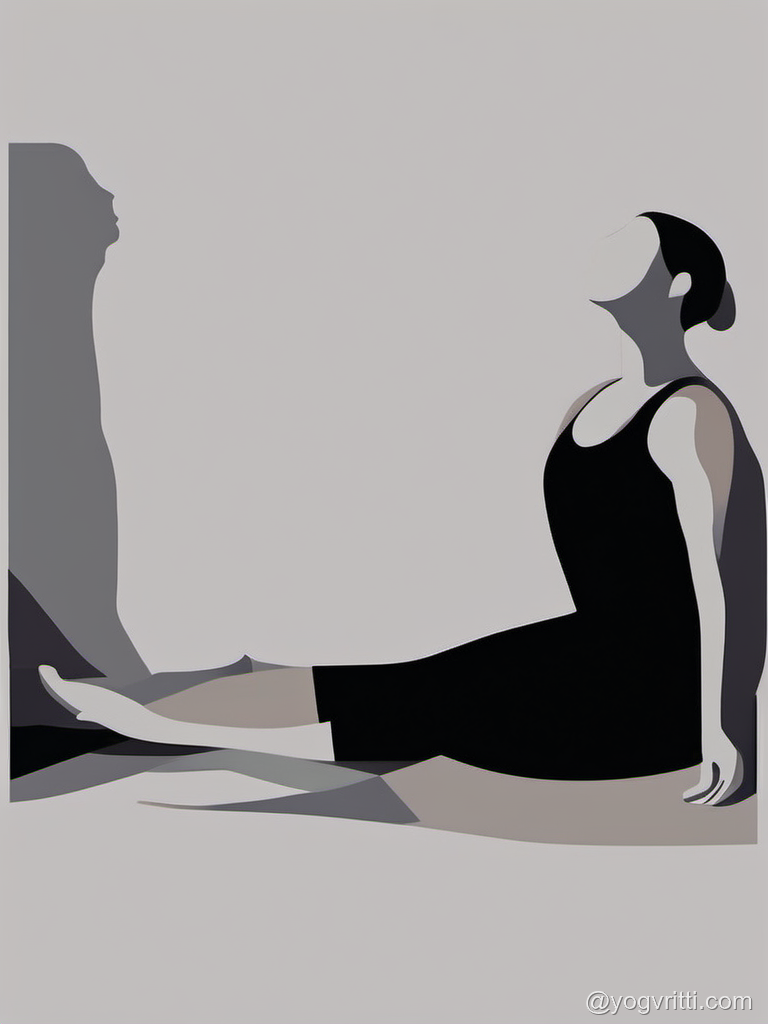
शिक्षण संकेत
अभ्यास क्रम

अक्सर पूछे जाने वाले प्रश्न
जठरपरिवर्तनासन के बारे में सामान्य प्रश्न
जठरपरिवर्तनासन क्या है?
जठरपरिवर्तनासन एक कोमल रीढ़ की हड्डी का मोड़ है जो तनाव को दूर करने और पाचन में सुधार करने में मदद कर सकता है। यह पीठ, पेट की मांसपेशियों और तिरछी मांसपेशियों को फैलाता है, साथ ही विश्राम को भी बढ़ावा देता है।
जठरपरिवर्तनासन के क्या फायदे हैं?
Stretches back and abdominal muscles। Improves digestion। Relieves stress।
जठरपरिवर्तनासन किस स्तर के लिए है?
जठरपरिवर्तनासन एक शुरुआती स्तर का आसन है। यह सभी के लिए उपयुक्त है।
जठरपरिवर्तनासन कौन न करे?
Back injury, Spinal injury, Pregnancy की स्थिति में यह आसन न करें।
जठरपरिवर्तनासन के लिए कौन से उपकरण चाहिए?
blanket का उपयोग इस आसन को आसान बना सकता है।