पद्म मत्स्यासन
Lotus Fish Pose
पद्म मत्स्यासन पद्मासन में मत्स्यासन है।
फायदे
3Pectoral Muscles(lengthening)
The muscles across the front of your chest are profoundly lengthened here as the sternum lifts high towards the ceiling. Years of habitual hunching can shorten these muscles, pulling the shoulders forward and restricting the breath. This pose creates a sustained, intelligent stretch, releasing the grip on the rib cage and allowing the heart space to truly open, inviting a sense of emotional liberation and ease.
Spinal Extensors(strengthening)
The intricate network of muscles running along either side of your spine works powerfully to lift and extend the back, creating the deep arch. These muscles are both eccentrically lengthening as you deepen the backbend and activating to sustain the lift, building resilience and strength in the spinal column. This action rejuvenates the spine, fostering lightness and agility, while awakening the vital energy (prana) that flows along the central channel.
Hip Flexors(lengthening)
While the backbend itself might seem to shorten the front of the hip, the deep external rotation and flexion of Padmasana creates a unique lengthening force on the inner hip flexors and adductors. This complex interplay helps to release chronic tension often stored deep in the pelvis from prolonged sitting or stress. Energetically, it frees the root (Muladhara) and sacral (Svadhisthana) chakras, allowing for greater stability and creative flow within the body.
- पूर्ण शारीरिक विश्लेषण →
सावधानियाँ
3Neck Injury / Cervical Issues
Looking up, bearing head weight, or unsupported neck rotation can compress cervical vertebrae and irritate nerves.
Do not allow the head to drop back unsupported; keep the chin slightly tucked and look forward rather than up.
Knee Injury
Deep flexion or rotation at the knee can strain ligaments, meniscus, or cartilage, especially in a compromised joint.
Never push into pain; use a folded blanket under or between the knees and reduce the depth of the bend.
Back Injury / Back Pain
Spinal flexion, extension, or rotation under load can compress vertebral discs or strain the paraspinal muscles.
Limit the depth of the backbend, engage the core actively before moving, and avoid any movement that creates pinching in the lumbar spine.
विधि
चरण-दर-चरण निर्देश
पद्मासन में बैठें।
कोहनियों का सहारा लेते हुए पीछे लेटें।
पीठ को आर्च करें, छाती ऊपर।
सिर का ताज जमीन पर।
हाथों से पैरों के अंगूठे पकड़ें।
गले और छाती में गहरा खिंचाव।
5-8 सांसें।
हाथ छोड़ें, सिर सीधा।
कोहनियों से ऊपर आएं।
पद्मासन खोलें।
सामान्य गलतियाँ
शिक्षण संकेत
अभ्यास क्रम
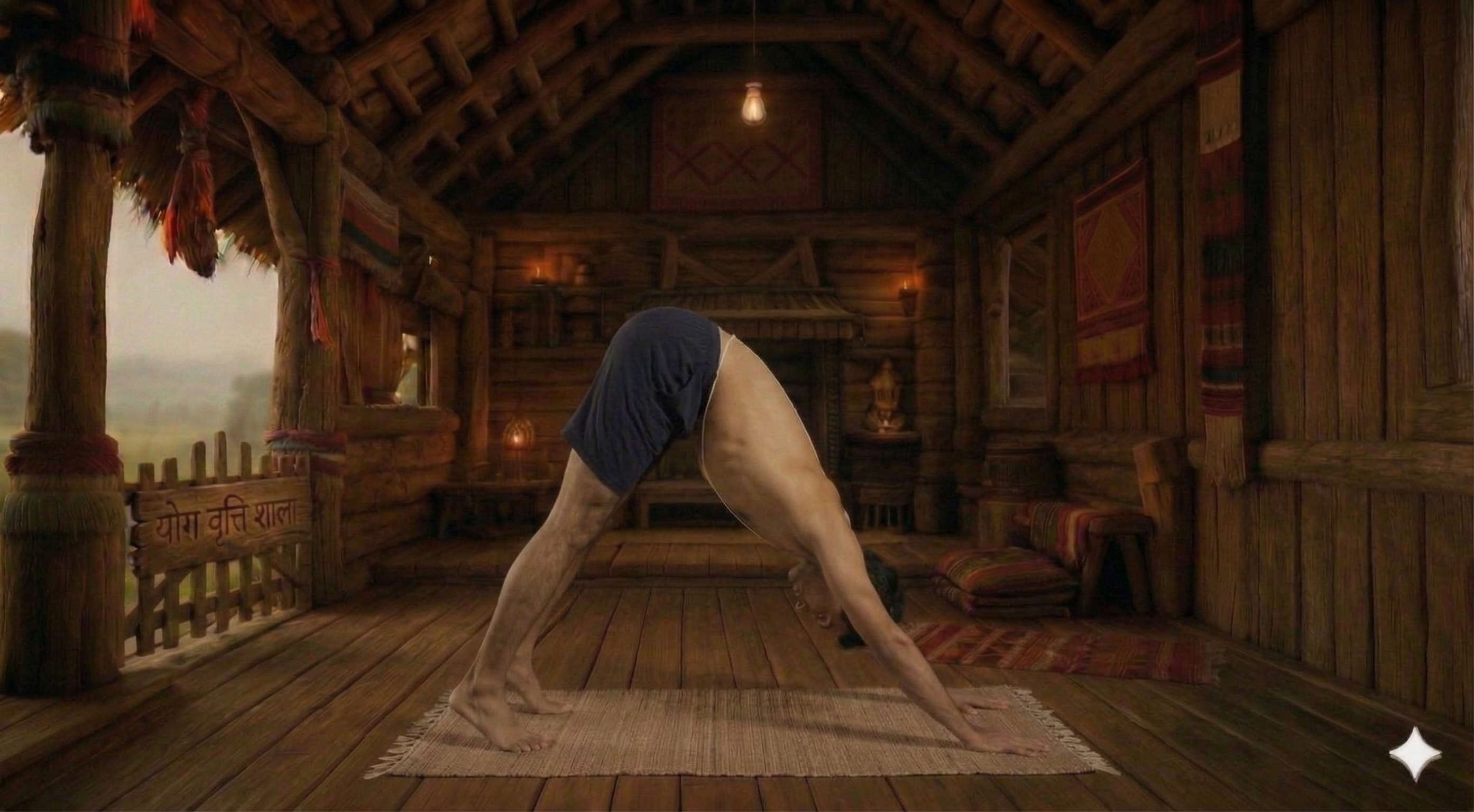
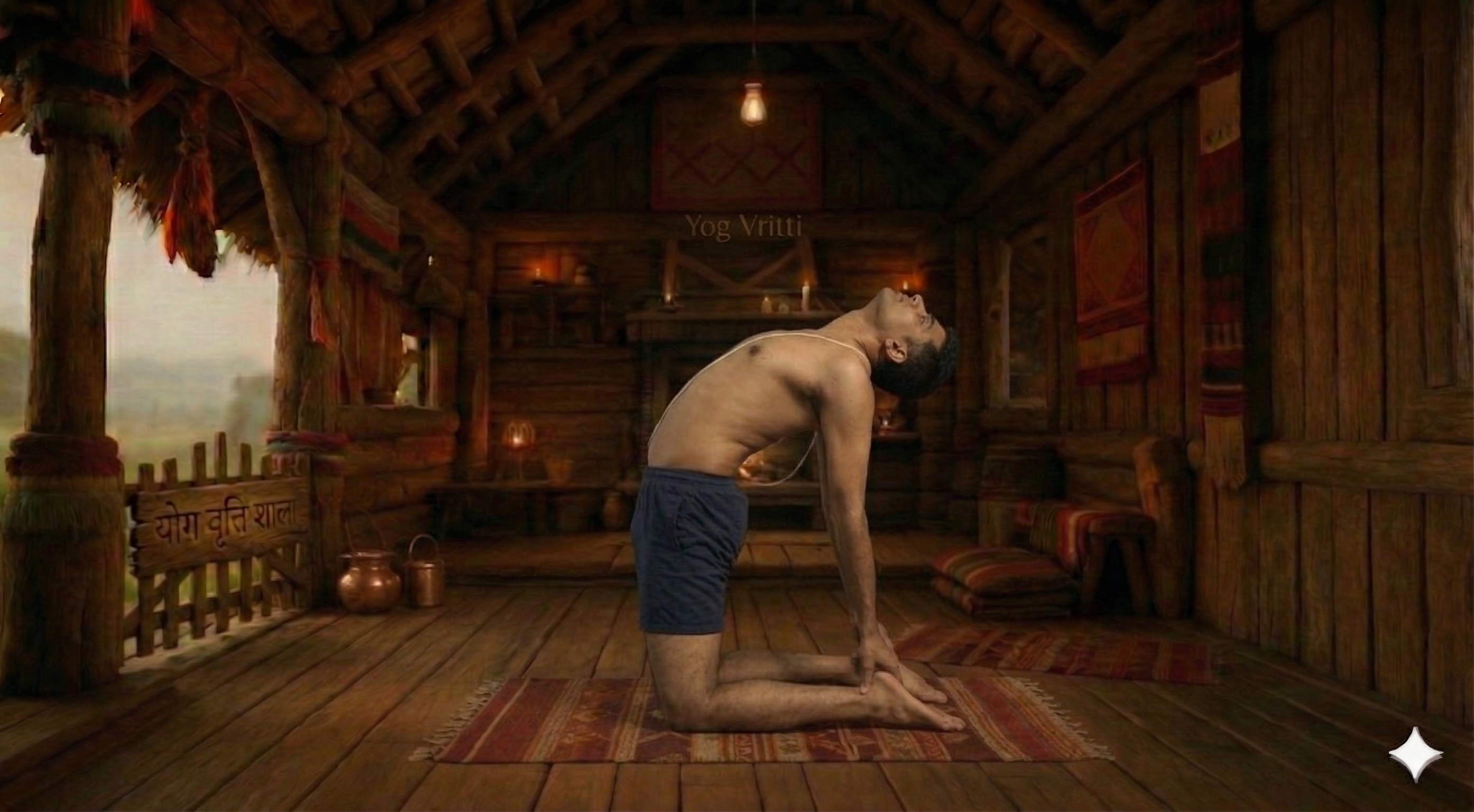
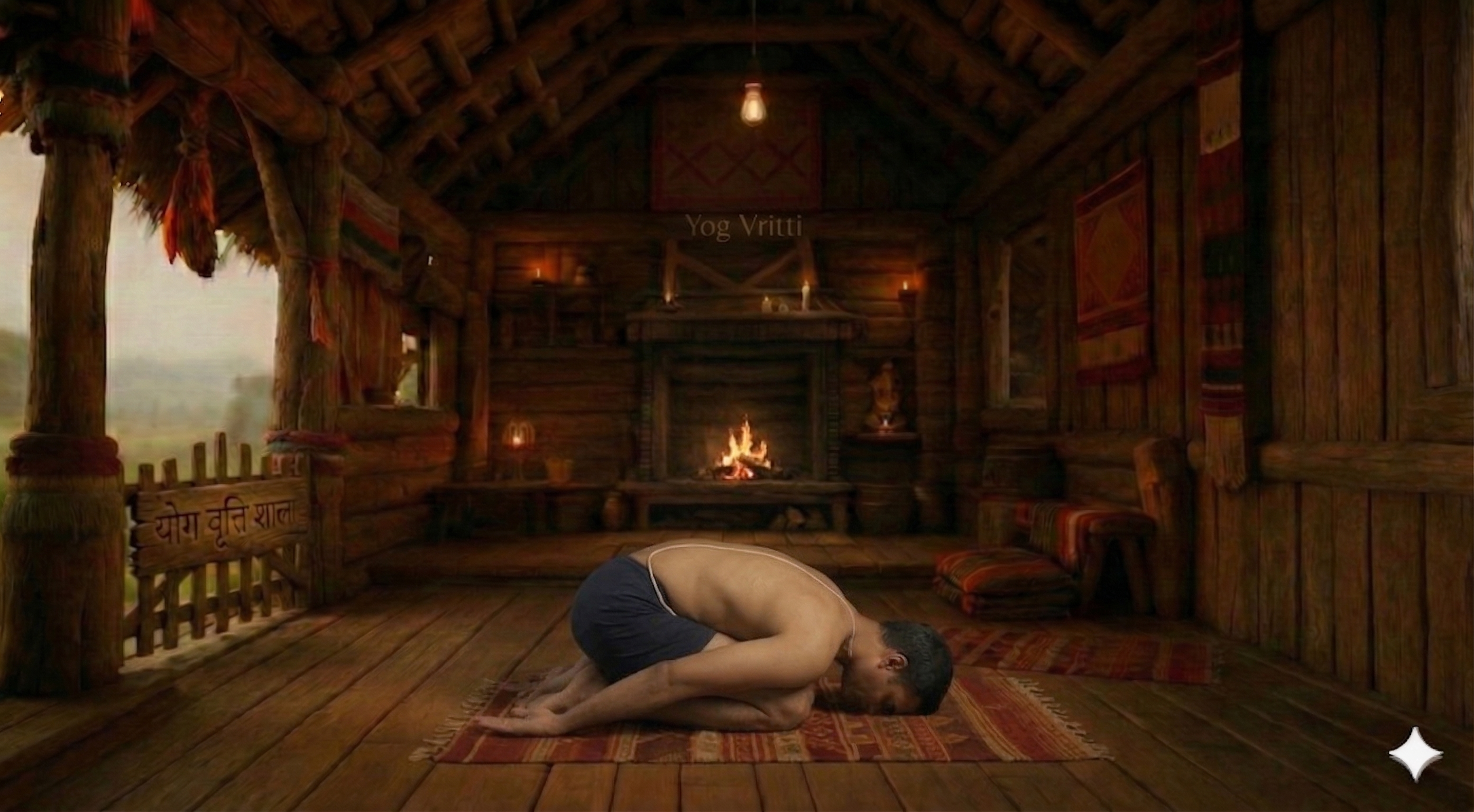
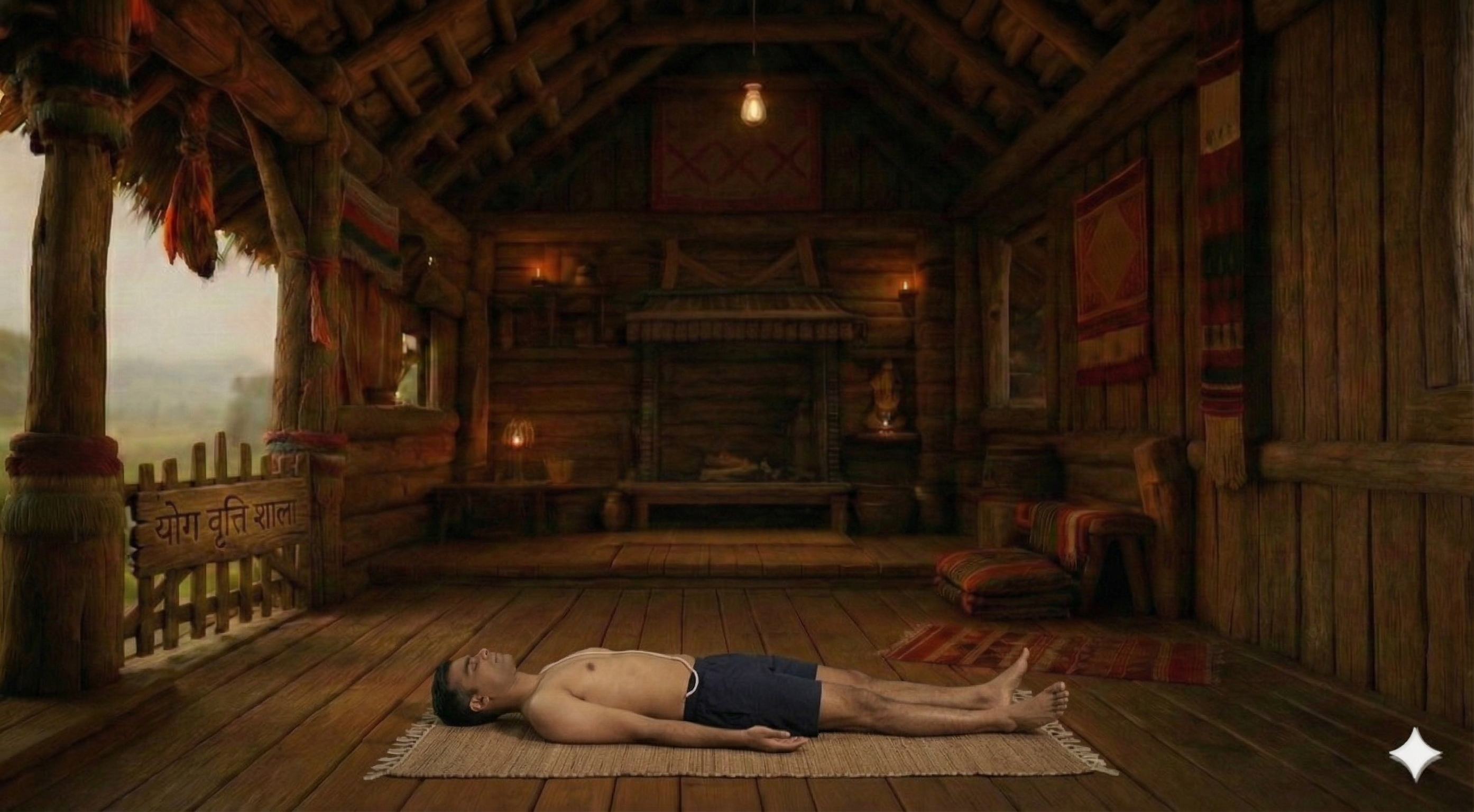
अक्सर पूछे जाने वाले प्रश्न
पद्म मत्स्यासन के बारे में सामान्य प्रश्न
पद्म मत्स्यासन क्या है?
पद्म मत्स्यासन पद्मासन में मत्स्यासन है।
पद्म मत्स्यासन के क्या फायदे हैं?
Deep chest opener। Stimulates thyroid। Traditional counter-pose for Sarvangasana।
पद्म मत्स्यासन किस स्तर के लिए है?
पद्म मत्स्यासन एक उन्नत स्तर का आसन है। शुरुआती लोग किसी योग गुरु के मार्गदर्शन में अभ्यास करें।
पद्म मत्स्यासन कौन न करे?
Neck injuries, Knee injuries, Lower back injuries की स्थिति में यह आसन न करें।