पार्श्व बालासन
Thread the Needle Pose
पार्श्व बालासन (थ्रेड द नीडल) — एक हाथ दूसरे के नीचे से निकालकर सौम्य ट्विस्ट।
फायदे
5Rhomboids(lengthening)
These muscles, situated between your shoulder blades and the spine, receive a gentle, sustained stretch as one arm threads underneath the body. This action encourages the shoulder blade (scapula) to protract and externally rotate, releasing chronic tension often held from rounded shoulders and prolonged sitting. Anatomically, this eccentric loading of the rhomboids helps to restore length and mobility, improving scapular tracking. From a yogic perspective, releasing these muscles opens the space of the heart chakra, fostering a sense of openness and ease in the upper back.
Trapezius(lengthening)
The large, kite-shaped muscle covering your upper back, shoulders, and neck is softly lengthened in Parsva Balasana, particularly the upper fibers as the head rests and the shoulder protracts. This gentle unwinding helps to alleviate the common stiffness and tension accumulated from stress, poor posture, or habitual gripping. This release encourages a downward flow of energy (apana vayu) in the upper body, calming the mind and easing the burden on the neck and shoulders, leading to a feeling of greater freedom.
Erector Spinae(lengthening)
These deep muscles, running vertically along your spine in the upper back, are gently stretched and mobilized by the rotational component of this twist. This subtle action helps to free up stiffness and immobility that often contributes to upper back pain and restricted spinal movement. The gentle unwinding of these muscles allows for greater fluidity in the spinal column and a noticeable sense of lightness and release throughout the torso. Therapeutically, this improved mobility can alleviate chronic back discomfort.
- पूर्ण शारीरिक विश्लेषण →
सावधानियाँ
1Shoulder Injury
Overhead loading and extreme shoulder rotation can impinge the subacromial space and overload rotator cuff tendons.
Reduce the range of motion, avoid full arm extension, and use props to limit load on the shoulder joint.
विधि
चरण-दर-चरण निर्देश
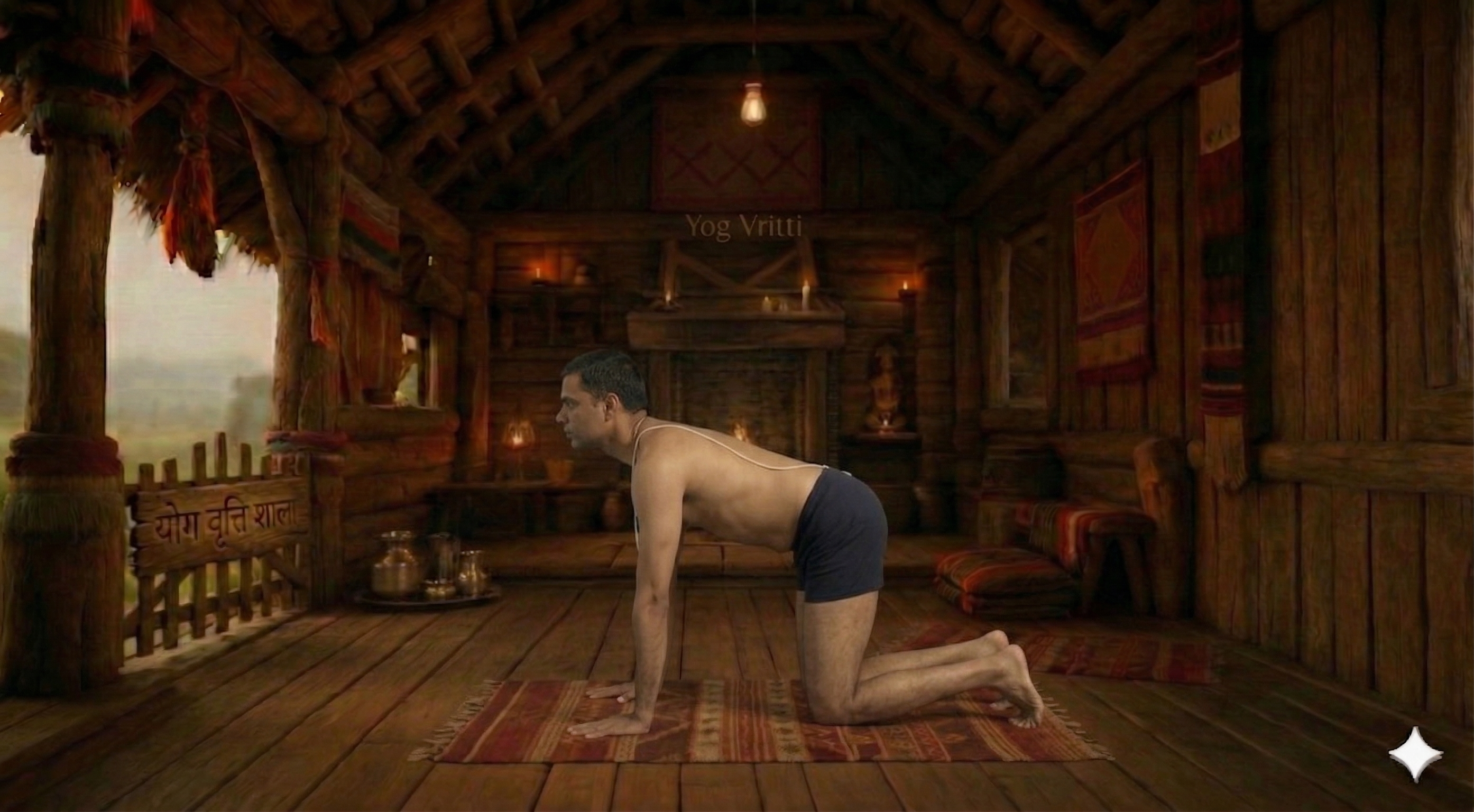
भरमानासन (टेबल टॉप) में आएं।
दायां हाथ बाएं बगल से नीचे 'थ्रेड' करें।
दायां कंधा और कान जमीन पर।
बायां हाथ ऊपर छत की ओर या आगे फैलाएं।
कूल्हे घुटनों के ऊपर रहें।
ऊपरी पीठ और कंधे में गहरा ट्विस्ट।
5-8 सांसें।
दायां हाथ वापस — टेबल टॉप।
दूसरी तरफ (बायां हाथ थ्रेड)।
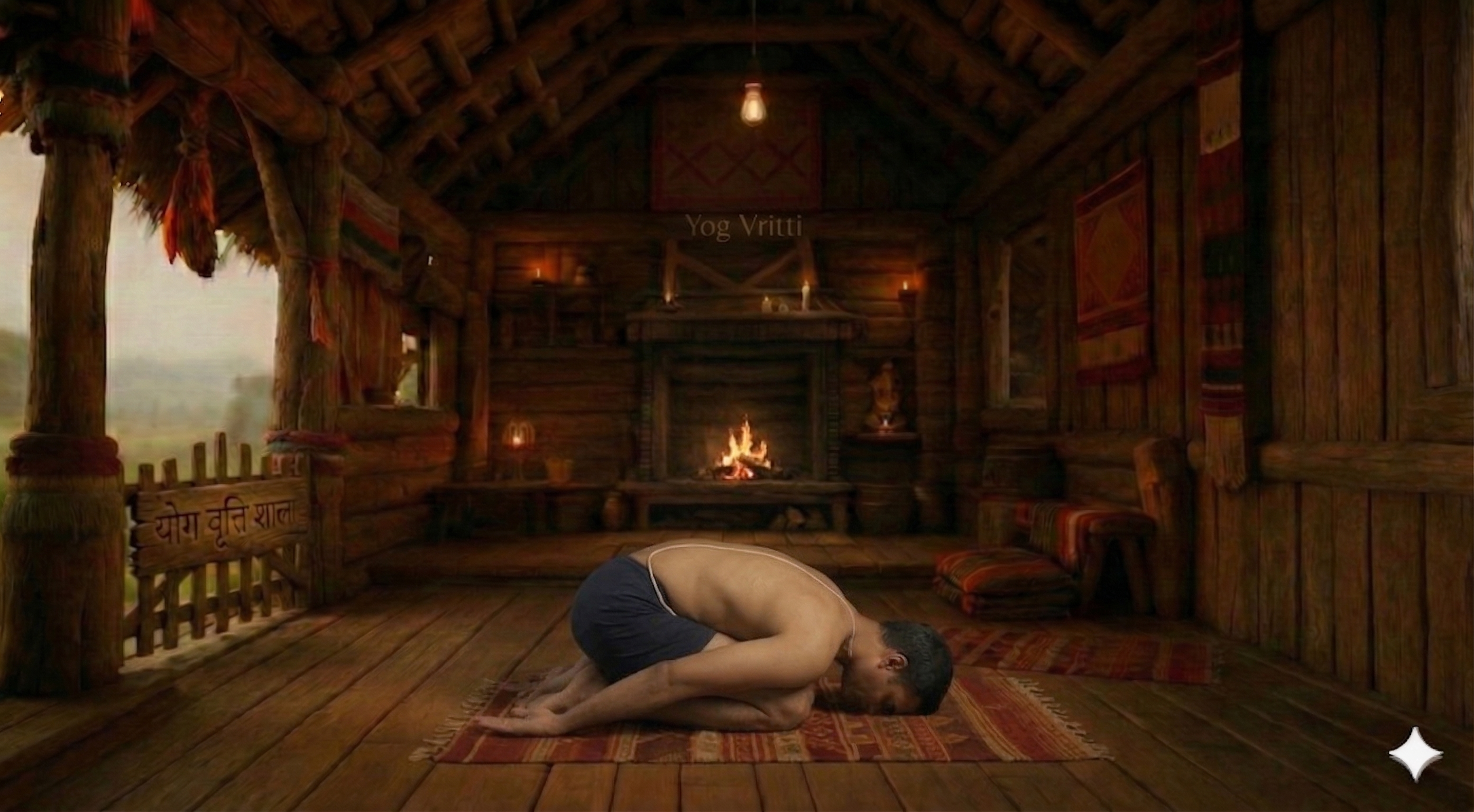
बालासन में विश्राम।
सामान्य गलतियाँ
शिक्षण संकेत
अभ्यास क्रम
अक्सर पूछे जाने वाले प्रश्न
पार्श्व बालासन के बारे में सामान्य प्रश्न
पार्श्व बालासन क्या है?
पार्श्व बालासन (थ्रेड द नीडल) — एक हाथ दूसरे के नीचे से निकालकर सौम्य ट्विस्ट।
पार्श्व बालासन के क्या फायदे हैं?
Releases upper back and shoulder tension। Very gentle twist। Perfect for desk workers।
पार्श्व बालासन किस स्तर के लिए है?
पार्श्व बालासन एक शुरुआती स्तर का आसन है। यह सभी के लिए उपयुक्त है।
पार्श्व बालासन कौन न करे?
Shoulder injuries (acute) की स्थिति में यह आसन न करें।