Thread the Needle Pose
Parsva Balasana · पार्श्व बालासन
Also known as: Needle Pose · Spinal Twist Child's Pose
Thread the Needle Pose, also called Needle Pose is a classical yoga posture. Its Sanskrit name Parsva Balasana translates word-for-word as: Parsva (Side) · Bala (Child) · Asana (Pose). Beginning from a kneeling position, the practitioner aligns the body with precision and intentional breath. The posture works to open the upper back, open and strengthen the shoulders and mobilise the thoracic spine. Very gentle twist. Perfect for desk workers. Suitable for beginners and regular practitioners alike, it is an excellent warm-up, particularly beneficial for beginners and seniors.
Anatomy Involved
Benefits
Rhomboids(lengthening)
These muscles, situated between your shoulder blades and the spine, receive a gentle, sustained stretch as one arm threads underneath the body. This action encourages the shoulder blade (scapula) to protract and externally rotate, releasing chronic tension often held from rounded shoulders and prolonged sitting. Anatomically, this eccentric loading of the rhomboids helps to restore length and mobility, improving scapular tracking. From a yogic perspective, releasing these muscles opens the space of the heart chakra, fostering a sense of openness and ease in the upper back.
Trapezius(lengthening)
The large, kite-shaped muscle covering your upper back, shoulders, and neck is softly lengthened in Parsva Balasana, particularly the upper fibers as the head rests and the shoulder protracts. This gentle unwinding helps to alleviate the common stiffness and tension accumulated from stress, poor posture, or habitual gripping. This release encourages a downward flow of energy (apana vayu) in the upper body, calming the mind and easing the burden on the neck and shoulders, leading to a feeling of greater freedom.
Erector Spinae(lengthening)
These deep muscles, running vertically along your spine in the upper back, are gently stretched and mobilized by the rotational component of this twist. This subtle action helps to free up stiffness and immobility that often contributes to upper back pain and restricted spinal movement. The gentle unwinding of these muscles allows for greater fluidity in the spinal column and a noticeable sense of lightness and release throughout the torso. Therapeutically, this improved mobility can alleviate chronic back discomfort.
- Full anatomical benefits — muscles, joints, organs →
Avoid If
Shoulder Injury
Overhead loading and extreme shoulder rotation can impinge the subacromial space and overload rotator cuff tendons.
Reduce the range of motion, avoid full arm extension, and use props to limit load on the shoulder joint.
Common Mistakes to Avoid
Teaching Cues
For yoga teachers — verbal cues to guide students
5 cues
Teaching Cues
For yoga teachers — verbal cues to guide students
- 1Place padding under the knees if needed for comfort
- 2Align the hips directly above or behind the knees
- 3Keep the spine long and the chest lifted
- 4Press the tops of the feet or toes firmly into the floor
- 5Engage the core to support the lower back
Pose Details
Helps With
Pose Type
Body Focus
Focus Areas
Best For
Yoga Styles
When to Practice
Position
Modify If You Have
shoulder injury
Don't go as deep — rest on a bolster.
Target Areas
Practice Flow
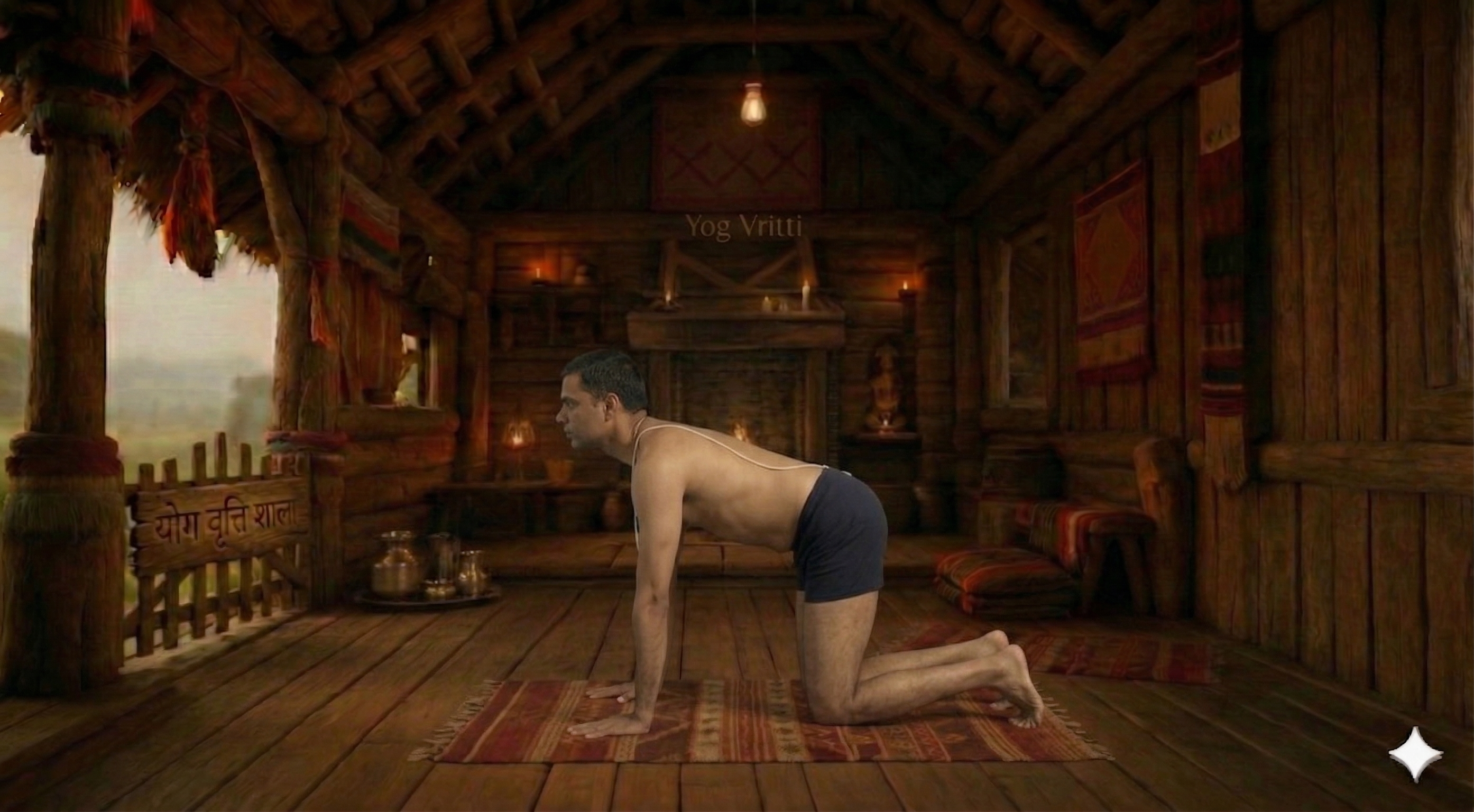
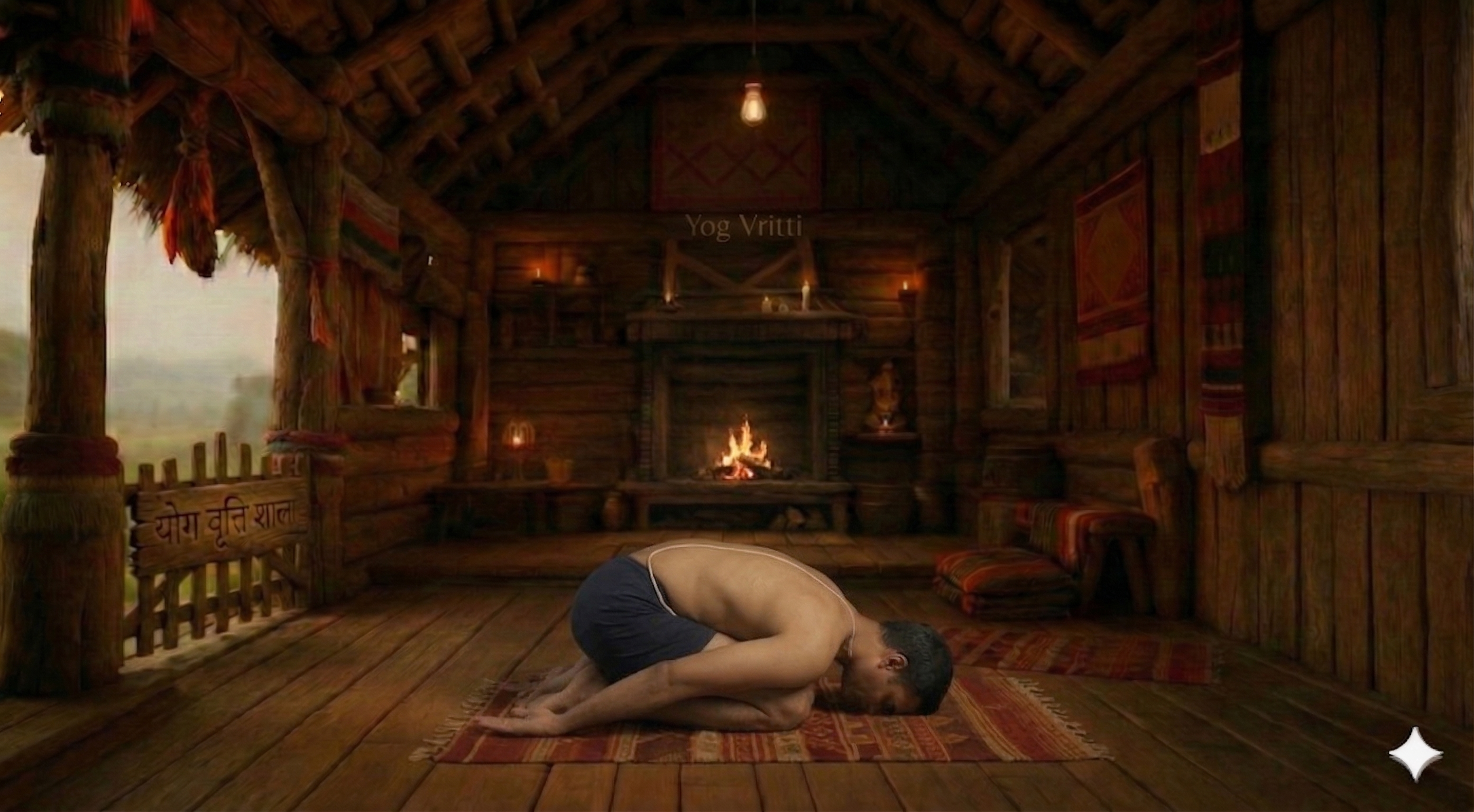
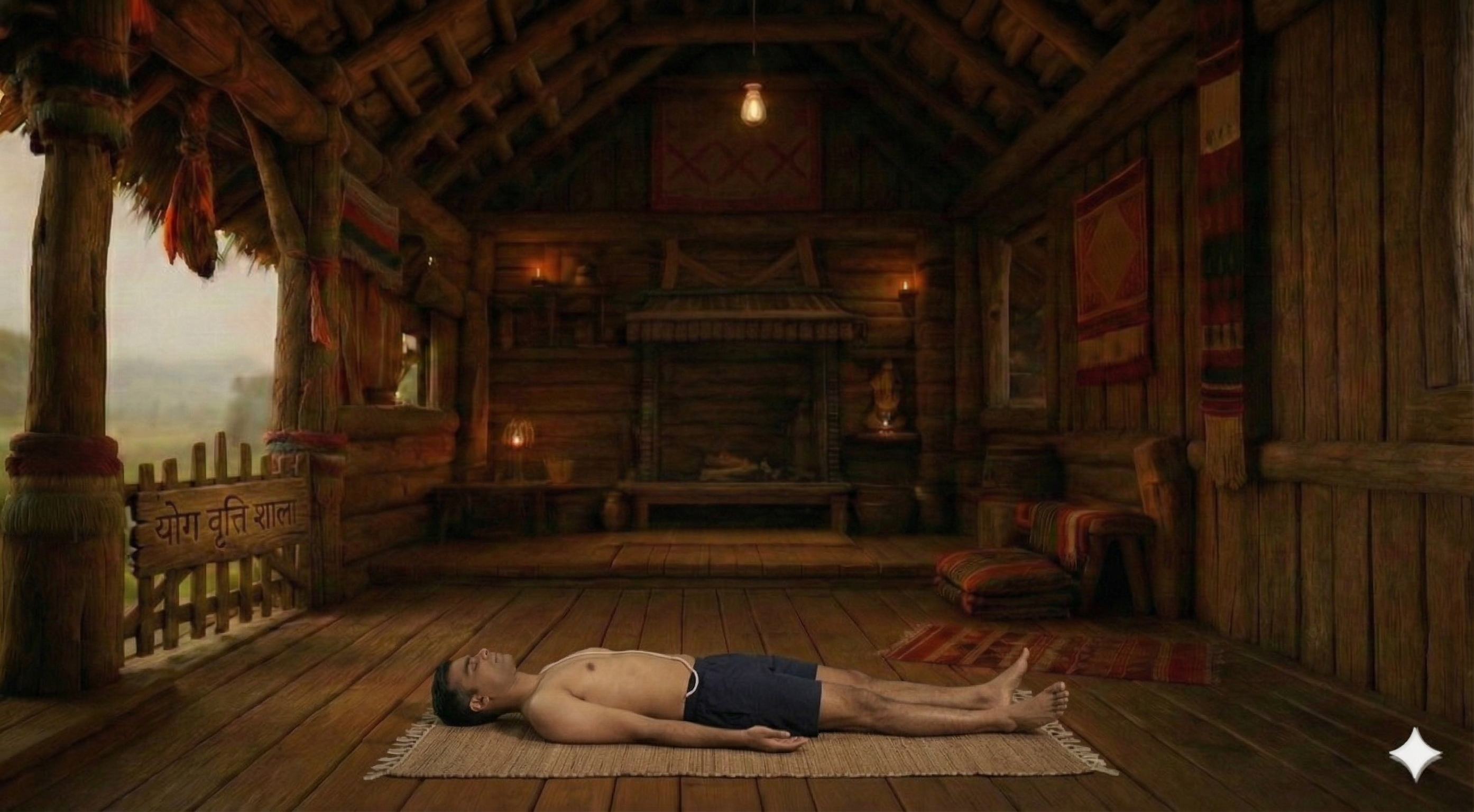
How to Practice
1. Come to Table Top.
2. Thread right arm under left — slide it through.
3. Right shoulder and ear on the floor.
4. Left arm reaches up to ceiling or extends forward.
5. Hips stay above knees.
5 more steps remaining
Register free to see the complete instructions
Register Free to ContinueAlready registered? Login
Frequently Asked Questions
Common questions about Parsva Balasana
What is Thread the Needle Pose?
Thread the Needle Pose, also called Needle Pose is a classical yoga posture. Its Sanskrit name Parsva Balasana translates word-for-word as: Parsva (Side) · Bala (Child) · Asana (Pose). Beginning from a kneeling position, the practitioner aligns the body with precision and intentional breath. The posture works to open the upper back, open and strengthen the shoulders and mobilise the thoracic spine. Very gentle twist. Perfect for desk workers. Suitable for beginners and regular practitioners alike, it is an excellent warm-up, particularly beneficial for beginners and seniors.
What are the benefits of Thread the Needle Pose?
Releases upper back and shoulder tension. Very gentle twist. Perfect for desk workers. Accessible to everyone. Opens thoracic spine.
Who should avoid Thread the Needle Pose?
Avoid this pose if you have: Shoulder injuries (acute).
How many steps are in Thread the Needle Pose?
Thread the Needle Pose is practiced in 10 steps. Come to Table Top.
Is Thread the Needle Pose suitable for beginners?
Yes, Thread the Needle Pose is a beginner-friendly pose suitable for all levels.
What conditions does Thread the Needle Pose help with?
Thread the Needle Pose is therapeutic for: neck pain, shoulder injury, back pain, posture correction.
What poses should I do before Thread the Needle Pose?
Prepare with: Bharmanasana (Table top pose), Adho Mukha Virasana (Child's Pose). These warm up the relevant muscles and joints.
Related Poses
Similar poses you might enjoy
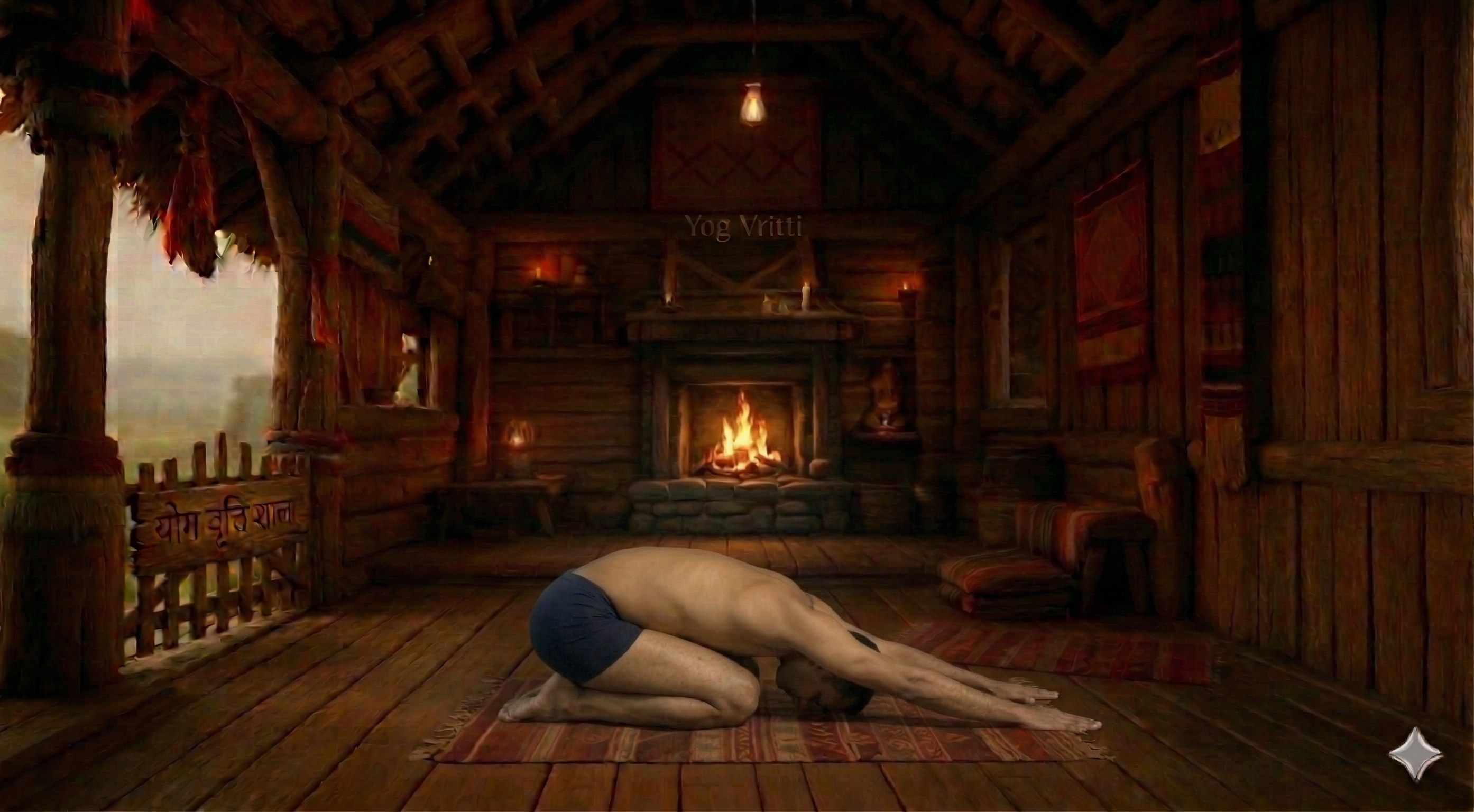
Build Your Own Sequence
Combine Parsva Balasana with other poses