 उन्नतउल्टा
पिञ्च मयूरासन
Forearm Stand
पिञ्च मयूरासन, या फोरआर्म स्टैंड, एक शक्तिशाली इन्वर्जन है जो कंधों, बाजुओं और कोर को मजबूत करता है, साथ ही संतुलन और एकाग्रता में सुधार करता है। इसमें पैरों को ऊपर उठाने और स्थिरता बनाए रखने के लिए ऊपरी शरीर की महत्वपूर्ण शक्ति और कोर जुड़ाव की आवश्यकता होती है।
फायदे
6Shoulder muscles(strengthening)
The large, rounded muscles capping your shoulders (deltoids) are powerfully engaged here, working concentrically to lift the body and eccentrically to control the descent. They bear the majority of the body's weight, creating a stable platform for the inversion. This sustained activation builds remarkable strength and endurance in the shoulder joint, which translates into a feeling of solid support and capability in all arm-balancing poses, extending your energetic reach.
Back of the upper arm(strengthening)
The triceps, located on the back of your upper arm, are crucial for pressing your forearms firmly into the ground and extending the elbows, preventing collapse. This isometric engagement provides the foundational strength for the pose, creating a pillar of support from the elbows to the shoulders. Activating these muscles cultivates a sense of grounded power through the arms, channeling prana downwards to stabilize the base of the pose and create a feeling of unshakeable strength.
Side rib cage muscles(activating)
Often called the 'boxer's muscle,' the serratus anterior wraps around your rib cage and anchors your shoulder blades to your torso. In Pincha Mayurasana, it's vital for protracting and upwardly rotating the scapulae, preventing winging and providing a stable base for the arms. This deep activation lifts the chest and broadens the upper back, creating space and lightness, which yogically allows for a freer flow of udana vayu, the upward-moving energy that supports inversions.
- पूर्ण शारीरिक विश्लेषण →
सावधानियाँ
5Shoulder Injury
Overhead loading and extreme shoulder rotation can impinge the subacromial space and overload rotator cuff tendons.
Lower the height of the pose (Knees-Chest-Chin instead of Chaturanga, or forearm plank instead of full plank) to reduce shoulder load.
High Blood Pressure
Vigorous effort and inverted positions temporarily raise blood pressure in the head, increasing strain on blood vessels.
Hold no longer than five breaths, breathe continuously, and come out at the first sign of pressure in the head.
Glaucoma / Eye Pressure
Inverted and head-below-heart positions increase intraocular pressure, which can be harmful for those with elevated eye pressure.
Keep the head above the heart; avoid Down Dog and practice a standing forward fold with head elevated instead.
Pregnancy
Deep twists, abdominal compression, and lying flat on the back can restrict blood flow or cause discomfort as pregnancy progresses.
Widen the stance, avoid deep abdominal compression and twists, and consult a qualified prenatal yoga teacher.
विधि
चरण-दर-चरण निर्देश
अधो मुख श्वानासन (डाउनवर्ड-फेसिंग डॉग) से शुरू करें, अपने हाथों को कंधों की चौड़ाई पर रखें।
अपनी कलाइयों को मैट पर नीचे लाएँ, सुनिश्चित करें कि आपकी कोहनियाँ सीधे आपके कंधों के नीचे हों और हथेलियाँ सपाट हों, उंगलियाँ फैली हुई हों। उंगलियों को आपस में फँसाएँ या समानांतर रखें।
अपने पैरों को कोहनियों के करीब लाएँ, कूल्हों को ऊँचा उठाएँ, जैसे डॉल्फिन पोज़ की तैयारी कर रहे हों। अपनी भीतरी ऊपरी भुजाओं को मजबूत रखें।
डॉल्फिन पोज़ से, अपना वज़न और आगे बढ़ाएँ, कंधों को कोहनियों से आगे लाएँ। श्वास छोड़ते हुए, एक पैर को सीधा छत की ओर उठाएँ।
अपने कोर को मजबूती से संलग्न करें और अपनी कलाइयों से नीचे दबाएँ। नियंत्रण के साथ, दूसरे पैर को पहले पैर से मिलाने के लिए ऊपर उठाएँ, अपने कूल्हों को सीधे अपने कंधों के ऊपर स्टैक करें। जोर से किक करने से बचें।
एक बार हवा में आने पर, अपने पैरों को एक साथ लाएँ, उन्हें सीधा और सक्रिय रखें। अपनी कलाइयों से दृढ़ता से नीचे दबाएँ और कंधों से फर्श से ऊपर उठाएँ, छाती को आगे बढ़ाएँ।
अपने पैरों के पंजों से ऊपर की ओर खींचें, अपनी एड़ियों को सीधे कूल्हों और कंधों के ऊपर स्टैक करें। सिर को ऊपर उठा हुआ, गर्दन को लंबा और नज़र को स्थिर रखें, या तो हाथों के बीच या थोड़ा आगे।
बाहरी भुजाओं को अंदर की ओर खींचें और भीतरी भुजाओं को ऊपर उठाएँ। अपने कोर को मजबूती से संलग्न करें, नाभि को रीढ़ की ओर खींचें।
इस मुद्रा को 10-30 सेकंड तक बनाए रखें, स्थिर और सम श्वास लेते रहें।
मुद्रा से बाहर आने के लिए, धीरे-धीरे श्वास छोड़ें और एक-एक पैर को नियंत्रित तरीके से फर्श पर नीचे लाएँ, डॉल्फिन पोज़, फिर अधो मुख श्वानासन, या बालासन में लौटें।
सहायक उपकरण
वैकल्पिक सहायता — आवश्यकतानुसार उपयोग करें
Wall
Practise with hands on the wall at 90° to experience the pose shape, build shoulder strength, and decompress the spine — ideal as a daily preparation or when wrists are sensitive.
Yoga Strap
A strap around the upper arms maintains the correct distance between the elbows and prevents them from splaying outward under load.
सामान्य गलतियाँ
शिक्षण संकेत
अभ्यास क्रम
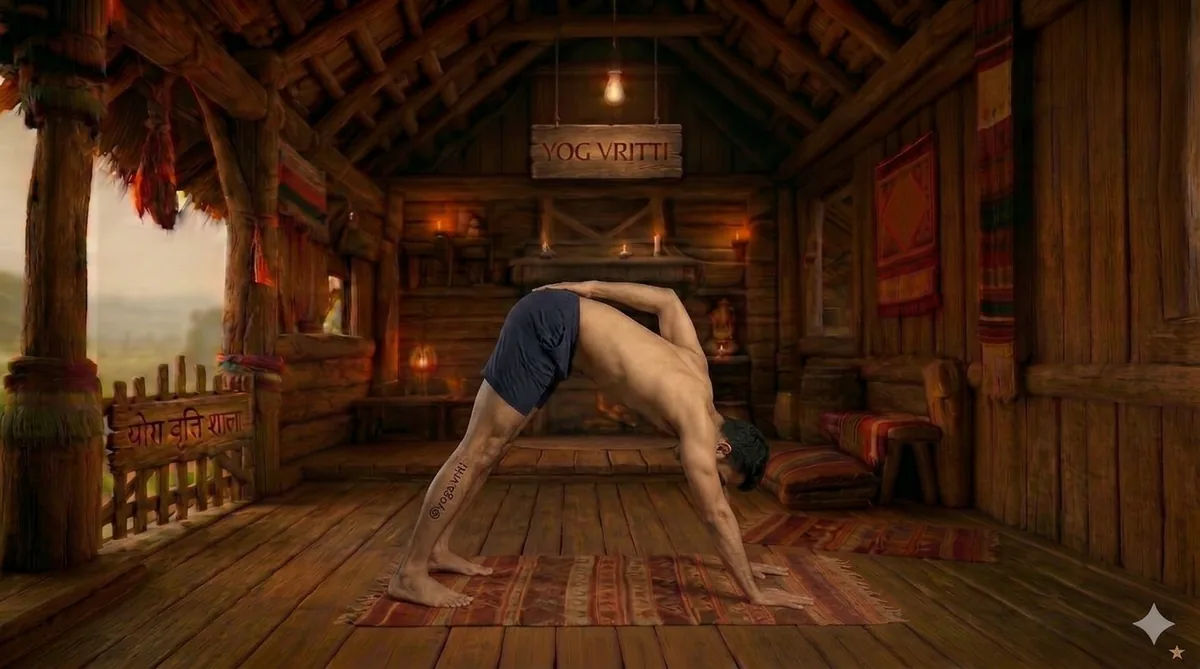
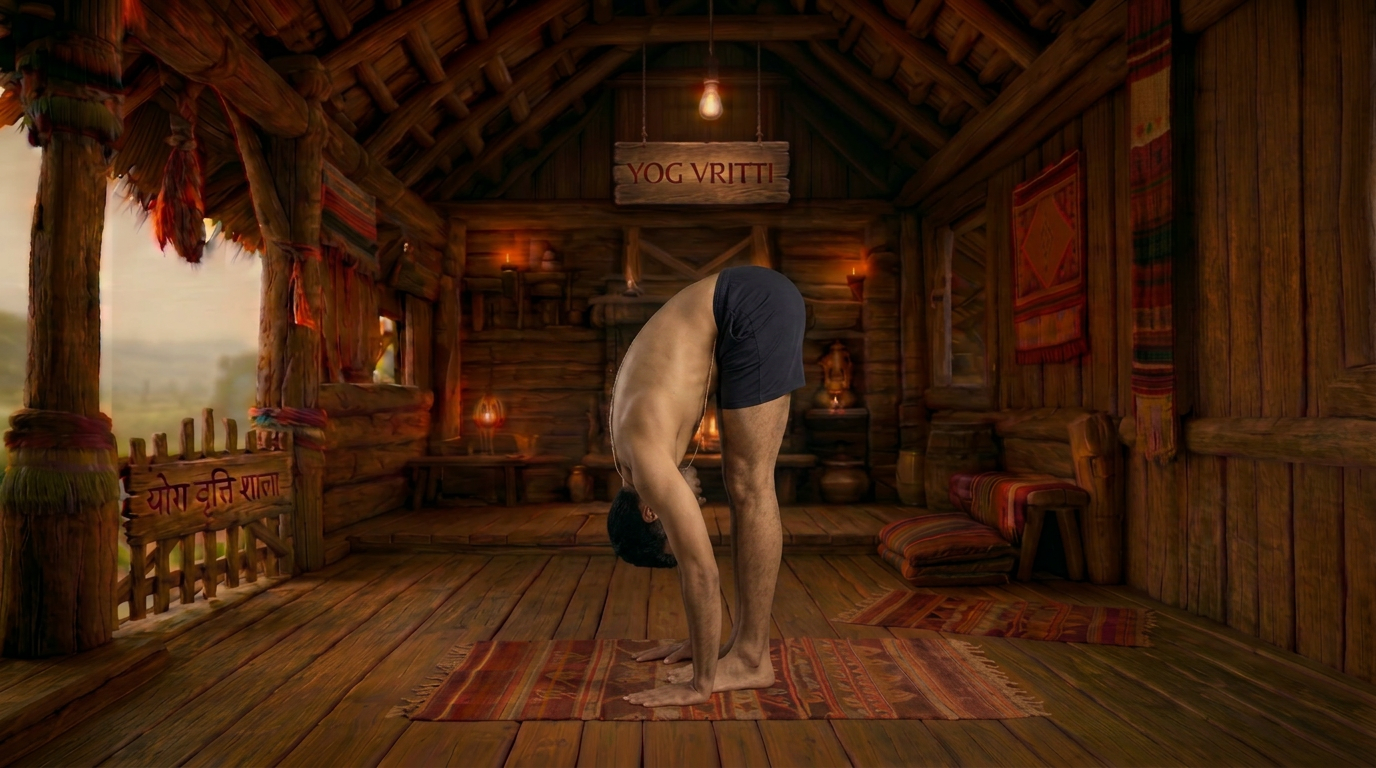
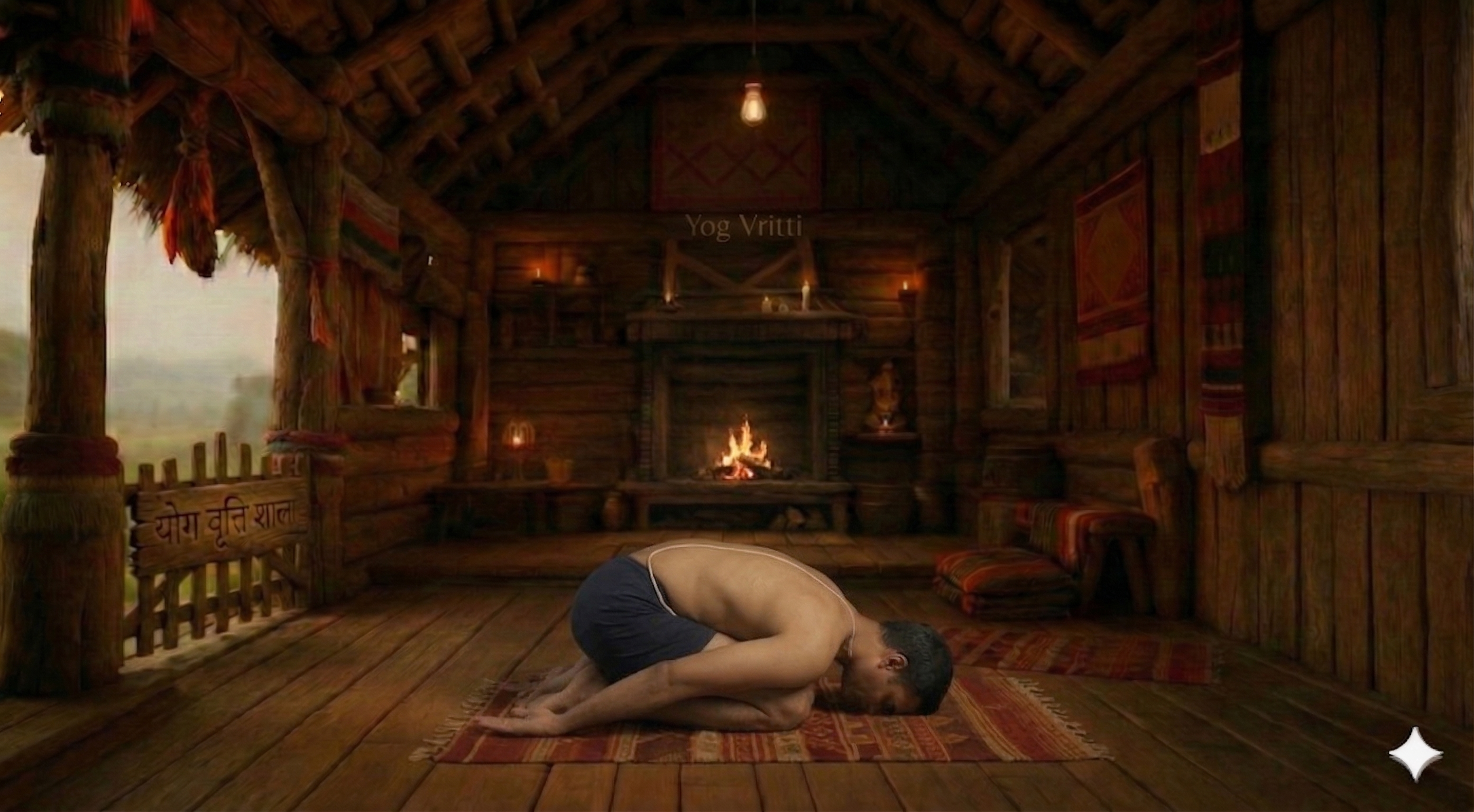
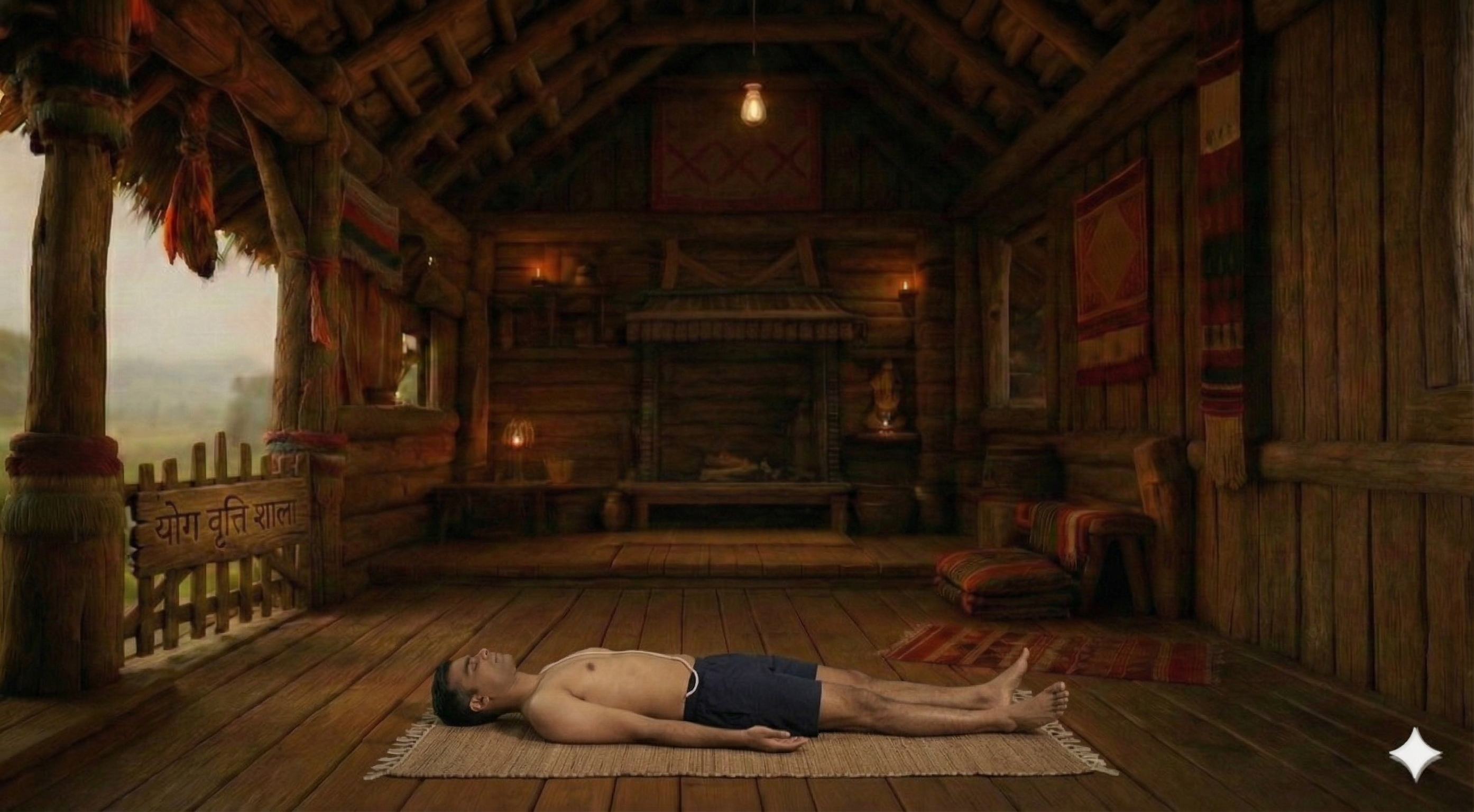
अक्सर पूछे जाने वाले प्रश्न
पिञ्च मयूरासन के बारे में सामान्य प्रश्न
पिञ्च मयूरासन क्या है?
पिञ्च मयूरासन, या फोरआर्म स्टैंड, एक शक्तिशाली इन्वर्जन है जो कंधों, बाजुओं और कोर को मजबूत करता है, साथ ही संतुलन और एकाग्रता में सुधार करता है। इसमें पैरों को ऊपर उठाने और स्थिरता बनाए रखने के लिए ऊपरी शरीर की महत्वपूर्ण शक्ति और कोर जुड़ाव की आवश्यकता होती है।
पिञ्च मयूरासन के क्या फायदे हैं?
Strengthens shoulders, arms, and core muscles.। Improves balance and proprioception.। Increases blood circulation to the brain and head.।
पिञ्च मयूरासन किस स्तर के लिए है?
पिञ्च मयूरासन एक उन्नत स्तर का आसन है। शुरुआती लोग किसी योग गुरु के मार्गदर्शन में अभ्यास करें।
पिञ्च मयूरासन कौन न करे?
Shoulder, neck, or back injuries., High blood pressure or heart conditions., Glaucoma or ear infections. की स्थिति में यह आसन न करें।
पिञ्च मयूरासन के लिए कौन से उपकरण चाहिए?
wall, strap का उपयोग इस आसन को आसान बना सकता है।