 उन्नतखड़े होकर
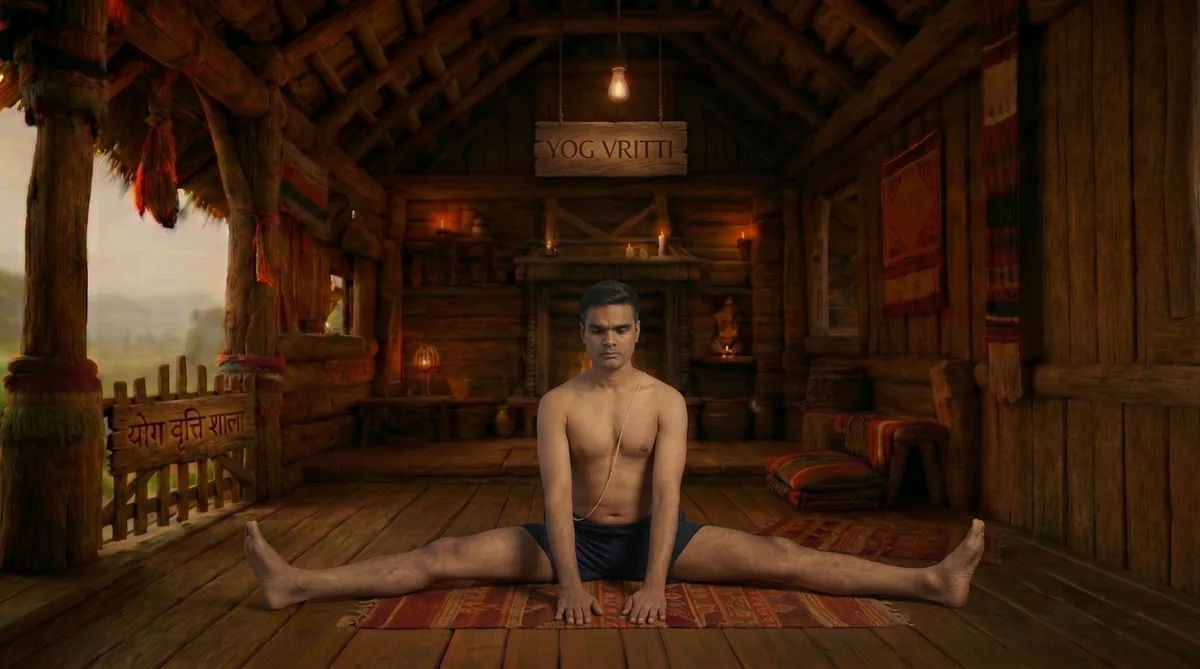
समकोणासन
Equal Angle Pose
समकोणासन पूर्ण साइड स्प्लिट है जिसमें पैर 180° फैलते हैं।
फायदे
3Hip Adductors(lengthening)
These powerful muscles run along your inner thighs, connecting your pelvis to your leg bones. In Samakonasana, they undergo an extreme, sustained lengthening, which can feel intensely challenging, yet incredibly liberating. Anatomically, this stretch targets the muscle belly and its attachments, improving elasticity and range of motion at the hip joint. From a yogic perspective, releasing tension here can unlock creativity and emotional fluidity, as this area is often a repository for fear and insecurity.
Hamstrings(lengthening)
Running along the back of your thighs from your sitting bones to just below your knees, these muscles are intensely stretched in a straddle. This deep, sustained traction helps to decompress the lumbar spine by releasing the pull on the pelvis, which often tilts posteriorly due to tight hamstrings. Yogically, this lengthening of the posterior chain promotes a sense of grounding and stability, allowing apana vayu, the downward-moving energy, to flow freely, fostering a feeling of calm and rootedness.
Quadriceps(activating)
The large muscle group at the front of your thighs must be actively engaged to extend your knees fully in this pose. This isometric contraction helps protect the knee joint by stabilizing the patella and preventing hyperextension, ensuring the stretch remains focused on the hamstrings and adductors. This intelligent engagement cultivates firmness (sthira) in the legs, translating to a mental quality of steadfastness and focused intention.
- पूर्ण शारीरिक विश्लेषण →
सावधानियाँ
3Groin / Hip Flexor Strain
Excessive hip abduction or deep hip flexor lengthening can tear already-strained muscle fibres in the groin.
Keep the stance narrow and the foot turn-out minimal; do not force the hip into deep abduction.
Hamstring Injury
Aggressive stretching of a torn or strained hamstring can reinjure muscle fibres — the attachment near the sitting bone is especially vulnerable.
Do not try to straighten the legs fully; prioritise a neutral pelvis and neutral lower back over hamstring length.
Hip Injury
Deep hip flexion, external rotation, or weight-bearing can aggravate labral tears, impingement, or bursitis.
Do not force the hip into deep external rotation; keep the foot turned out only as far as is pain-free.
विधि
चरण-दर-चरण निर्देश
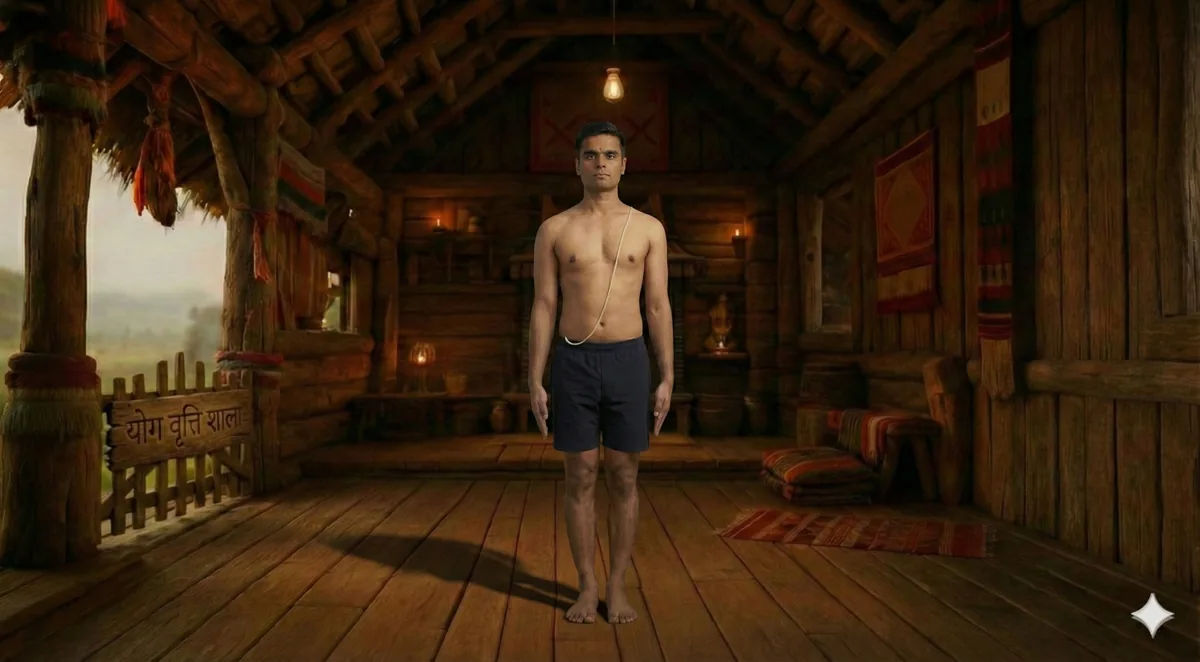
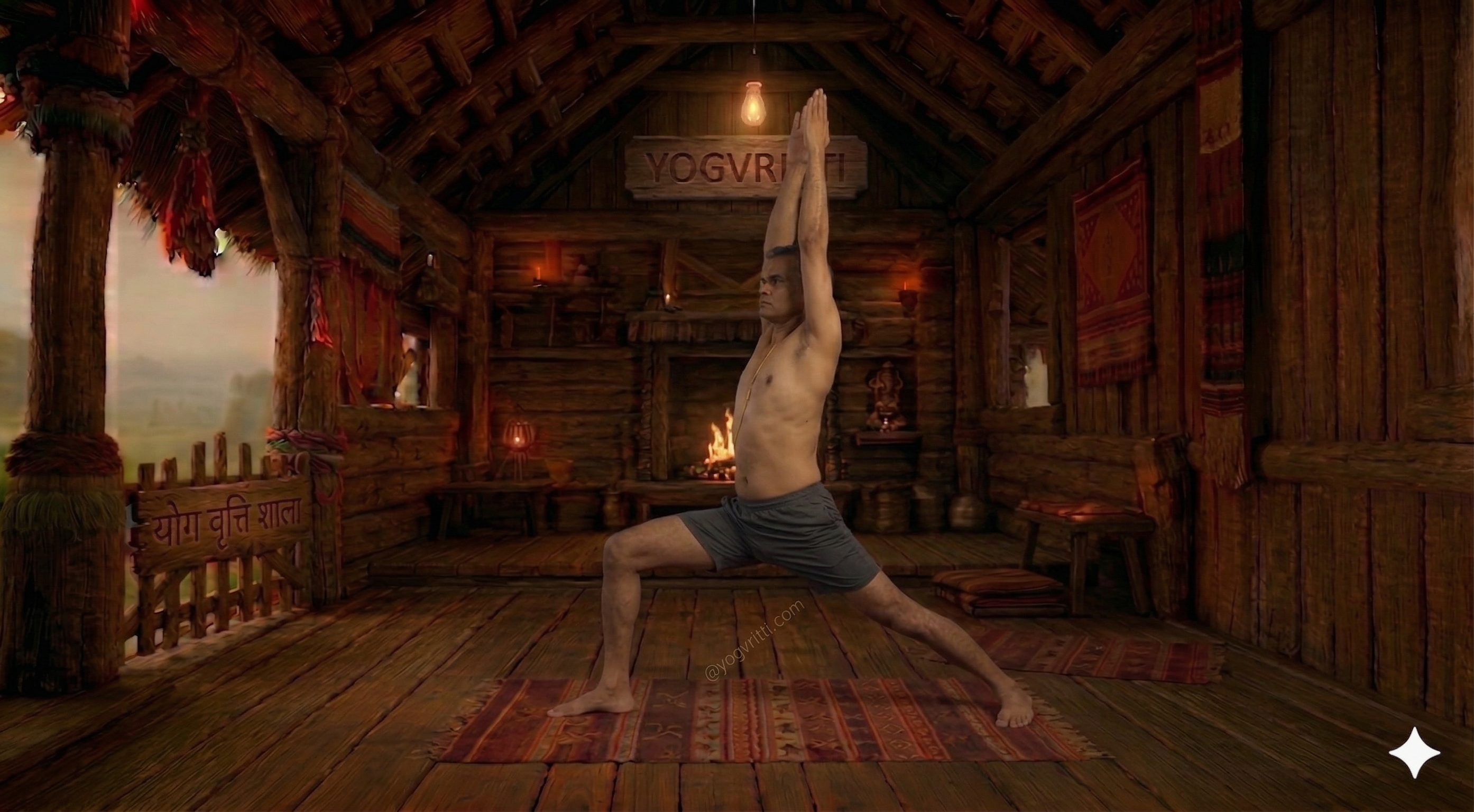
ताड़ासन से पैर चौड़े फैलाएं।
पंजे आगे की ओर।
हाथ कूल्हों पर या जमीन पर सहारे के लिए।
धीरे-धीरे पैर और चौड़े करें — स्लाइड करते हुए।
कूल्हे जमीन की ओर जाएं।
पूरा स्ट्रैडल स्प्लिट — 180°।
धड़ सीधा या आगे झुका।
5-10 सांसें।
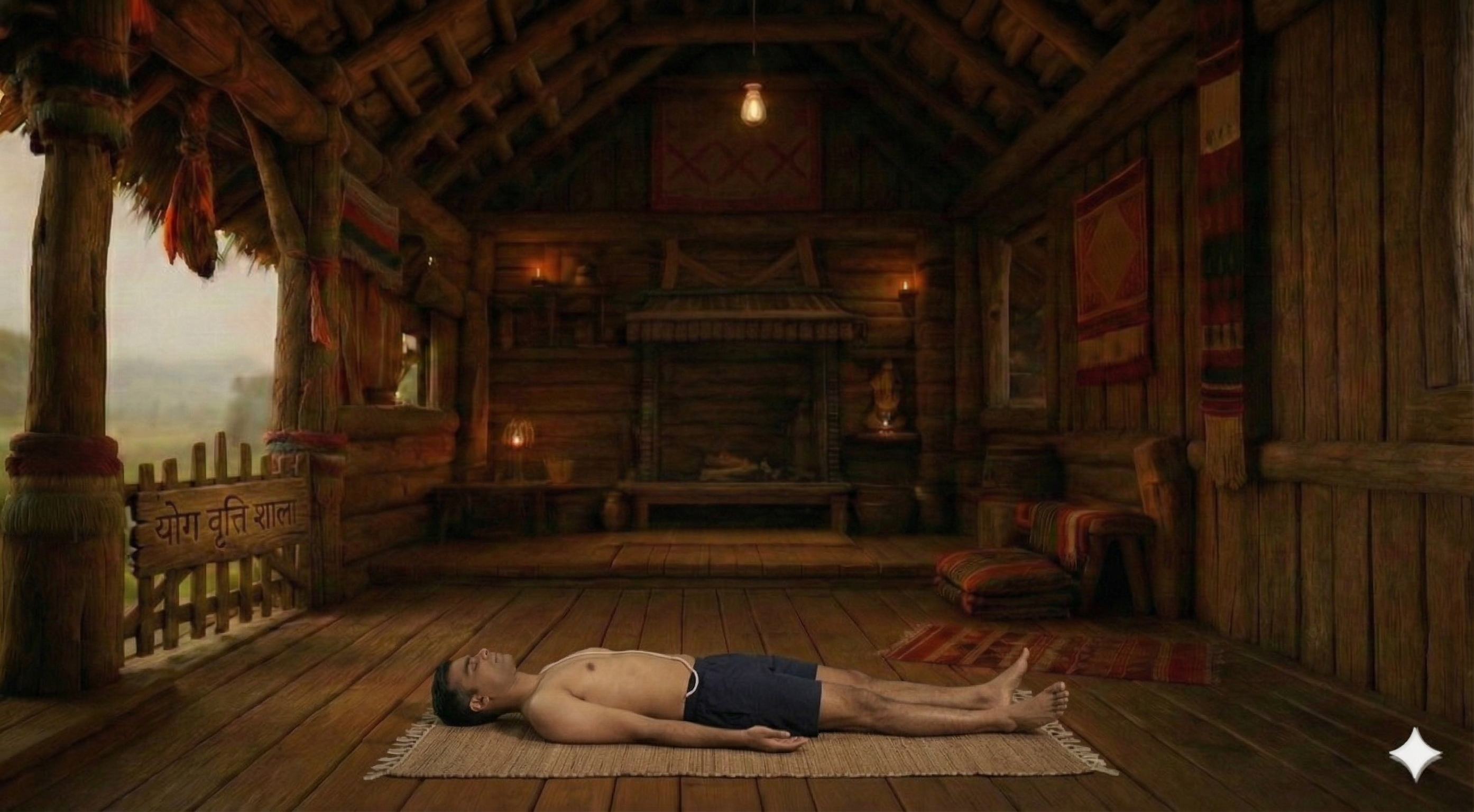
हाथों से सहारा लेकर पैर वापस लाएं।
ताड़ासन में खड़े हों।
सहायक उपकरण
वैकल्पिक सहायता — आवश्यकतानुसार उपयोग करें
Yoga Block
Rest the lower hand on a block instead of the floor to maintain a long spine and open chest, especially helpful when flexibility is still developing.
Folded Blanket
A blanket under the heel raises it slightly, making the pose accessible when calf tightness prevents the foot from staying grounded.
सामान्य गलतियाँ
शिक्षण संकेत
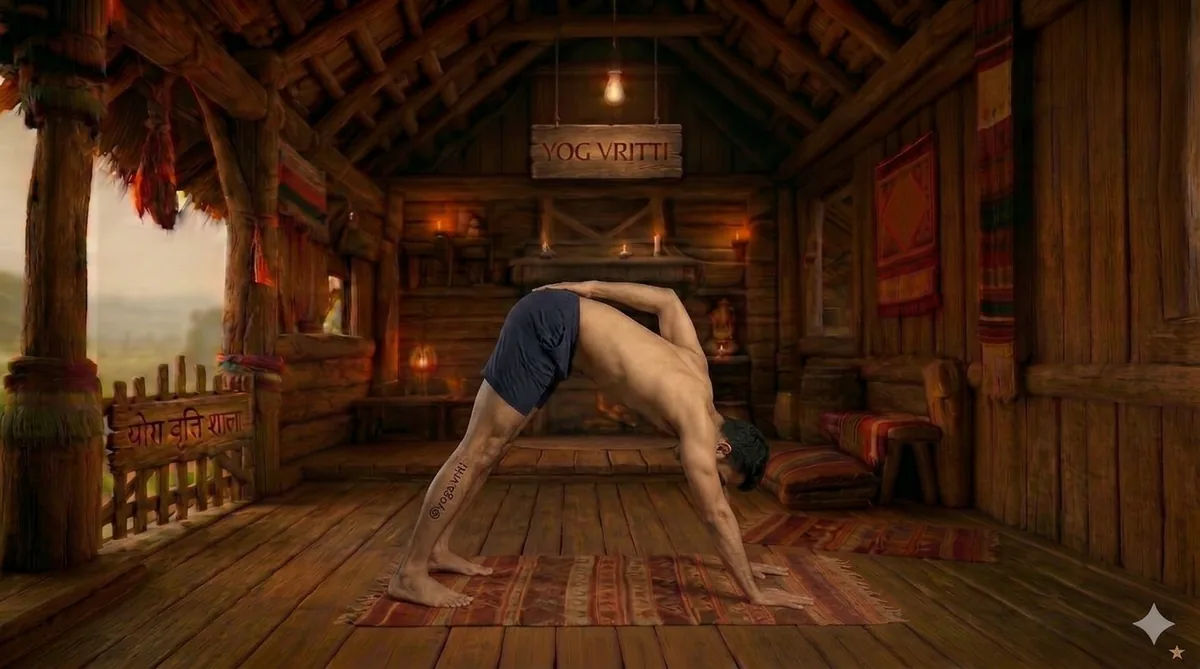
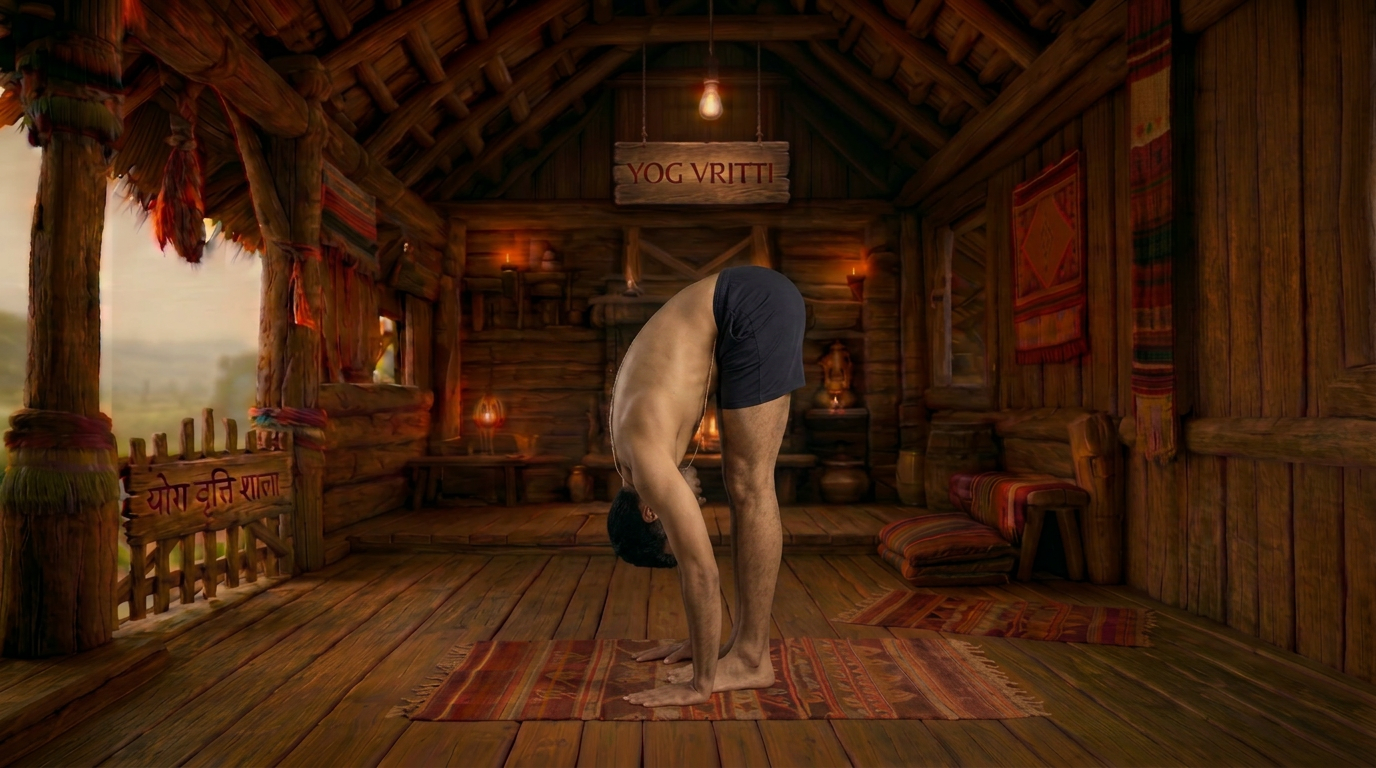
अभ्यास क्रम
अक्सर पूछे जाने वाले प्रश्न
समकोणासन के बारे में सामान्य प्रश्न
समकोणासन क्या है?
समकोणासन पूर्ण साइड स्प्लिट है जिसमें पैर 180° फैलते हैं।
समकोणासन के क्या फायदे हैं?
Extreme inner thigh flexibility। Opens groin completely। Develops patience।
समकोणासन किस स्तर के लिए है?
समकोणासन एक उन्नत स्तर का आसन है। शुरुआती लोग किसी योग गुरु के मार्गदर्शन में अभ्यास करें।
समकोणासन कौन न करे?
Groin injuries, Hamstring injuries, Hip injuries की स्थिति में यह आसन न करें।
समकोणासन के लिए कौन से उपकरण चाहिए?
block, blanket का उपयोग इस आसन को आसान बना सकता है।