Prone Dorsiflexion Stretch
Prone Dorsiflexion Stretch · प्रवण पृष्ठीय खिंचाव
Also known as: Prone Foot Flex Stretch · Prone Ankle Stretch
Prone Dorsiflexion Stretch, also called Prone Foot Flex Stretch is a classical yoga posture in the Iyengar tradition. Performed lying down, the body engages the posterior chain against the gentle resistance of gravity. The posture works to stretch the calves. Strengthens the shin muscles. Improves ankle dorsiflexion. It is particularly valued for developing greater flexibility. Suitable for beginners and regular practitioners alike, it is a calming cool-down, particularly beneficial for seniors and beginners. A blanket can be used to make the posture more accessible and support correct alignment. Practitioners with ankle injury and knee injury should approach with care or consult a qualified teacher.
Anatomy Involved
Benefits
Calf muscles(lengthening)
The prominent muscles at the back of your lower leg, the gastrocnemius and soleus, receive a deep, sustained lengthening in this pose. By tucking the toes and actively pressing the balls of the feet into the floor, a gentle yet persistent stretch is applied, releasing chronic tightness often accumulated from daily activities and restrictive footwear. This targeted release enhances ankle dorsiflexion and encourages the free flow of apana vayu, dispelling feelings of heaviness or stagnation in the lower limbs.
Shin muscles(activating)
While the calf muscles lengthen, the muscles along the front of the shin, including the tibialis anterior, are actively engaged to lift the arch and stabilize the foot. This concentric contraction balances the muscular effort around the ankle, preventing a passive collapse into the stretched tissues and fostering active support. Energetically, this activation brings a sense of alertness and intelligent engagement to the front of the lower leg, ensuring stability and preventing the ankle from becoming 'floppy' or unsupported.
- Full anatomical benefits — muscles, joints, organs →
Avoid If
Ankle Injury
Unstable or injured ankle joints can be overstressed by weight-bearing, extreme dorsiflexion, or plantar flexion.
Avoid full weight-bearing on the injured ankle; use a blanket for cushioning or switch to a seated alternative.
Props That Can Help
Optional supports — use when helpful, not required
Folded Blanket
A blanket under the head and neck maintains the natural cervical curve; under the knees, it relieves lower back tension in Savasana.
Common Mistakes to Avoid
Teaching Cues
For yoga teachers — verbal cues to guide students
6 cues
Teaching Cues
For yoga teachers — verbal cues to guide students
- 1Press the pubic bone gently into the floor
- 2Engage the legs by pressing the tops of the feet down
- 3Lengthen the back of the neck — gaze slightly forward
- 4Draw the shoulder blades toward the spine
- 5Keep the gluteal muscles firm but not clenched
- 6Surrender the weight of the body to the props and the floor
Pose Details
Helps With
Pose Type
Body Focus
Focus Areas
Best For
Yoga Styles
When to Practice
Position
Modify If You Have
ankle injury
Perform gently, avoid pushing into pain.
knee injury
Place a rolled blanket under the ankles to reduce pressure.
back pain
Place a thin blanket under the pelvis to support the lower back.
menstruation
Avoid if prone position is uncomfortable.
Target Areas
Practice Flow
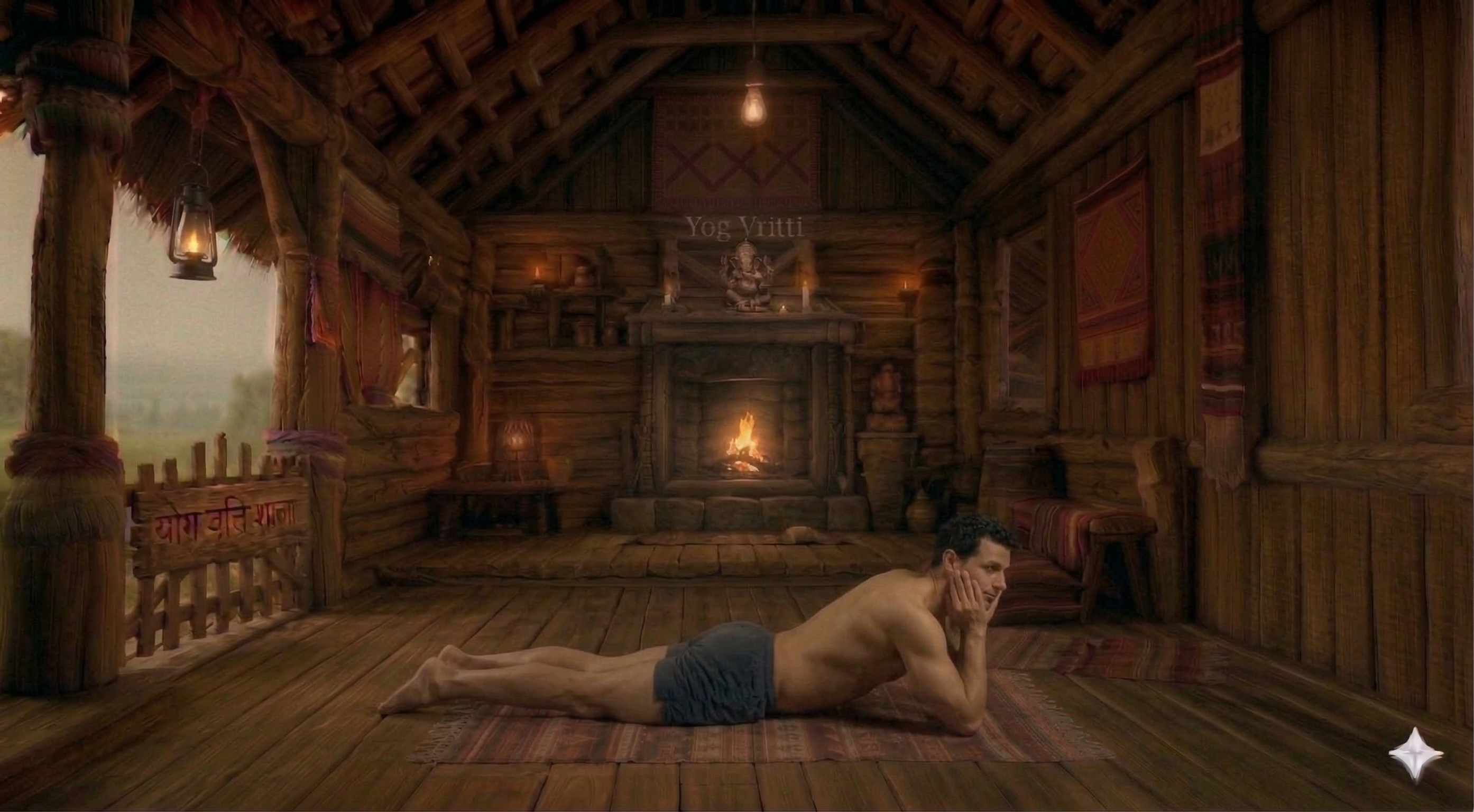
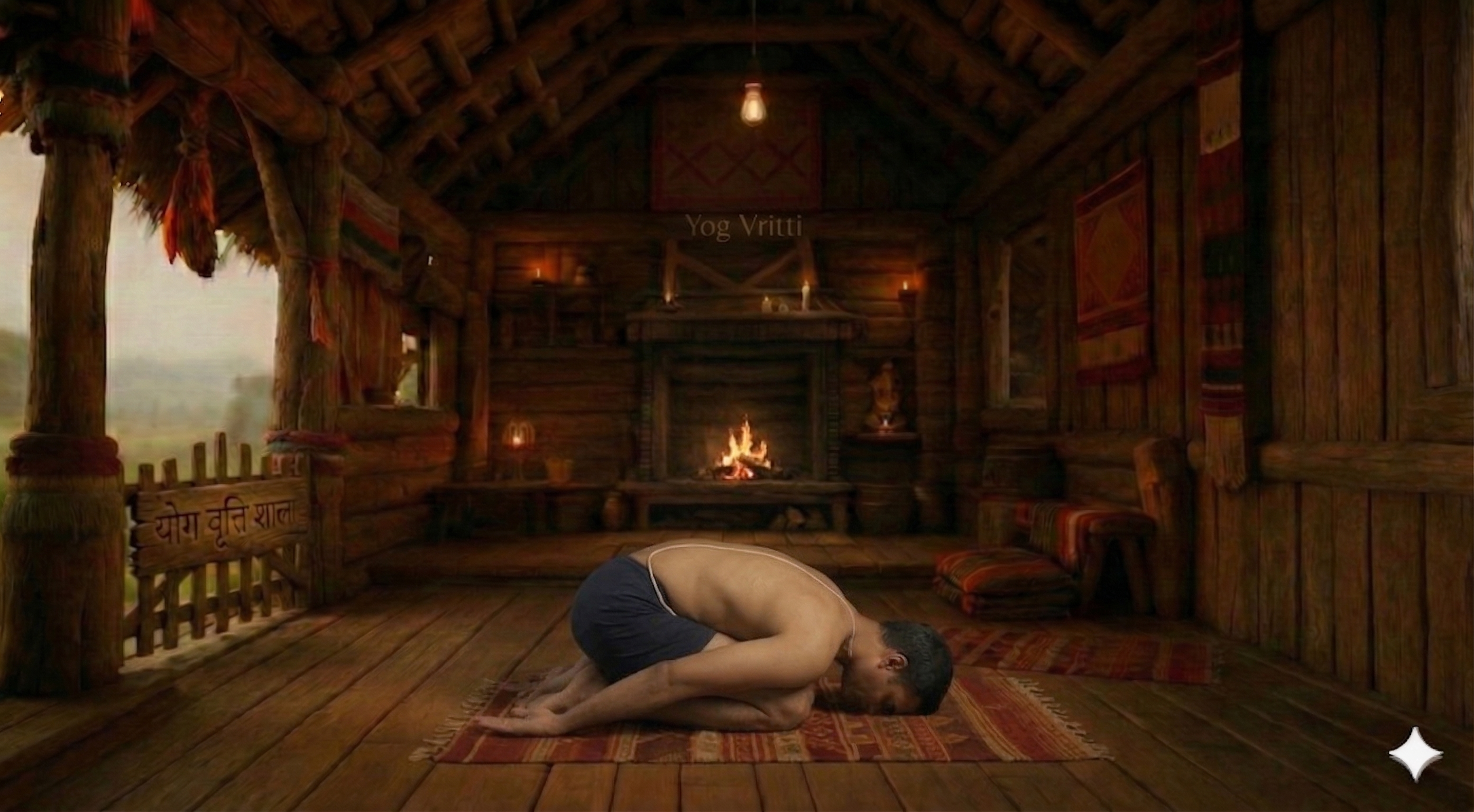
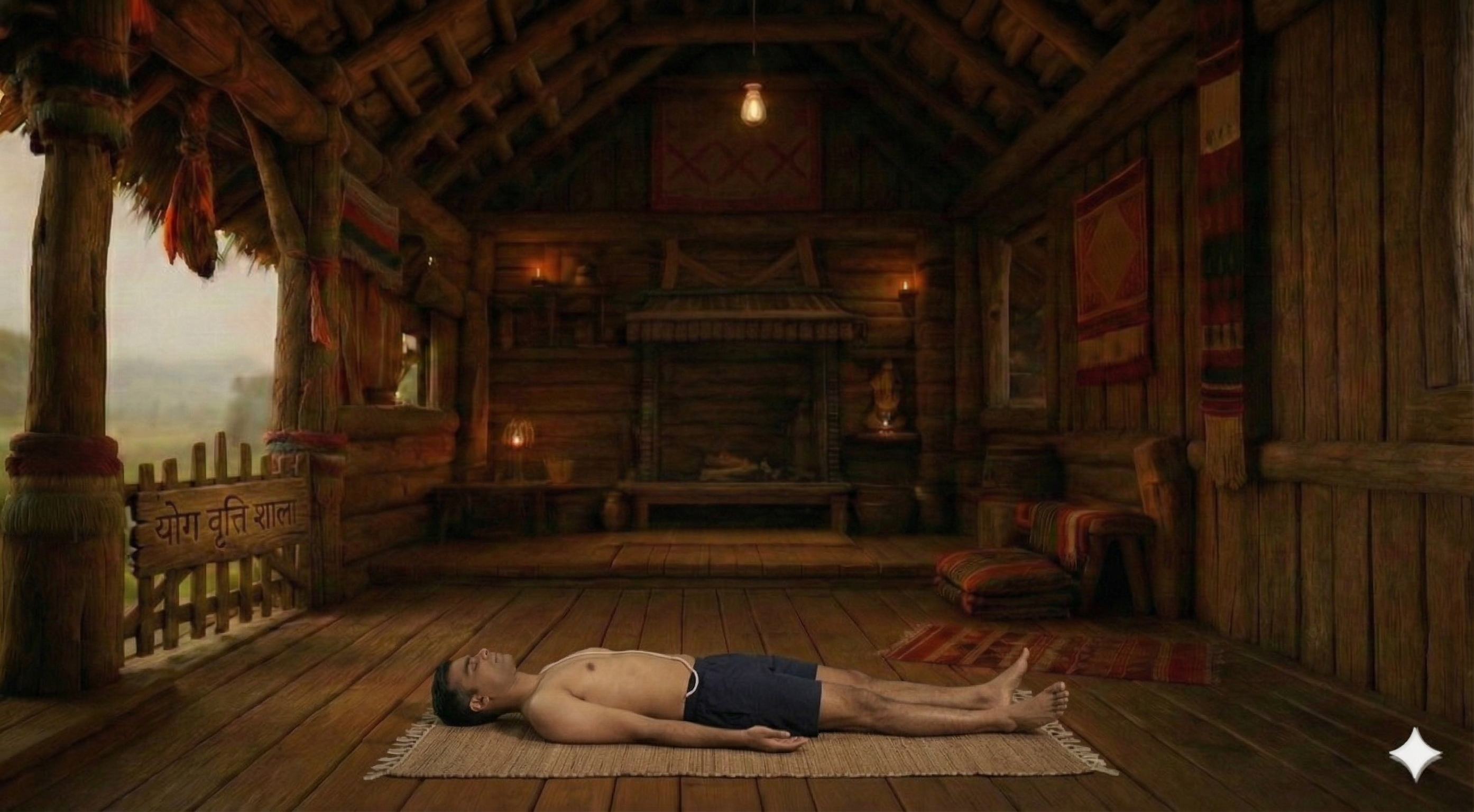
How to Practice
1. Lie face down on the floor with your legs extended behind you.
2. Extend your arms forward, resting your forehead on the floor or on a folded blanket.
3. Point your toes straight back.
4. Slowly and gently, flex your feet by drawing your toes towards your shins.
5. You should feel a stretch along the front of your ankles and shins, and possibly in your calves.
5 more steps remaining
Register free to see the complete instructions
Register Free to ContinueAlready registered? Login
Modifications
Adaptive versions for different needs
Supported Prone Dorsiflexion Stretch with Towel
For: beginner
Place a rolled towel under your ankles to elevate your feet slightly. This reduces the intensity of the dorsiflexion stretch and provides extra support.
Featured in Sequences
Practice Prone Dorsiflexion Stretch as part of these guided sequences
Frequently Asked Questions
Common questions about Prone Dorsiflexion Stretch
What is Prone Dorsiflexion Stretch?
Prone Dorsiflexion Stretch, also called Prone Foot Flex Stretch is a classical yoga posture in the Iyengar tradition. Performed lying down, the body engages the posterior chain against the gentle resistance of gravity. The posture works to stretch the calves. Strengthens the shin muscles. Improves ankle dorsiflexion. It is particularly valued for developing greater flexibility. Suitable for beginners and regular practitioners alike, it is a calming cool-down, particularly beneficial for seniors and beginners. A blanket can be used to make the posture more accessible and support correct alignment. Practitioners with ankle injury and knee injury should approach with care or consult a qualified teacher.
What are the benefits of Prone Dorsiflexion Stretch?
Stretches the plantar fascia and Achilles tendon. Strengthens the shin muscles. Improves ankle dorsiflexion. Prepares for kneeling postures. Addresses foot stiffness from modern footwear.
Who should avoid Prone Dorsiflexion Stretch?
Avoid this pose if you have: Acute plantar fasciitis flare, Broken toes, Severe ankle injury.
How many steps are in Prone Dorsiflexion Stretch?
Prone Dorsiflexion Stretch is practiced in 10 steps. Lie face down on the floor with your legs extended behind you.
Is Prone Dorsiflexion Stretch suitable for beginners?
Yes, Prone Dorsiflexion Stretch is a beginner-friendly pose suitable for all levels.
What props are needed for Prone Dorsiflexion Stretch?
You may use: blanket. Props make the pose more accessible and comfortable.
What conditions does Prone Dorsiflexion Stretch help with?
Prone Dorsiflexion Stretch is therapeutic for: ankle injury, flexibility, knee injury, sciatica.
What poses should I do before Prone Dorsiflexion Stretch?
Prepare with: Makarasana, Adho Mukha Virasana (Child's Pose). These warm up the relevant muscles and joints.
Build Your Own Sequence
Combine Prone Dorsiflexion Stretch with other poses