Variations (1)
Extended Puppy Pose
Uttana Shishosana · उत्ताना शिशोसन
Also known as: Puppy Pose · Anahatasana Variation
Extended Puppy Pose, also called Puppy Pose is a classical yoga posture. Its Sanskrit name Uttana Shishosana translates word-for-word as: Uttana (Extended) · Shishu (Puppy / Baby) · Asana (Pose). Beginning from a kneeling position, the practitioner aligns the body with precision and intentional breath. The posture works to open and strengthen the shoulders, open the upper back and open the chest. Opens the chest. Relieves stress and tension. Suitable for beginners and regular practitioners alike, it is an excellent warm-up, particularly beneficial for beginners and seniors. A blanket can be used to make the posture more accessible and support correct alignment. Practitioners with pregnancy and knee injury should approach with care or consult a qualified teacher.
Anatomy Involved
Benefits
Chest muscles(lengthening)
The large muscles across your chest and the smaller ones beneath them (Pectoralis Major and Minor) are gently elongated as your arms reach forward and your chest softens towards the floor. This sustained stretch counteracts the habitual shortening from daily activities like sitting and driving, which often leads to rounded shoulders and restricted breathing. From a yogic perspective, opening these muscles releases stored emotional tension, allowing the heart to feel more expansive and vulnerable, fostering a sense of openness and courage.
Broad back muscle(lengthening)
The large, flat muscle covering your middle and lower back (Latissimus Dorsi) gets a significant lengthening as you extend your arms overhead in this pose. This action helps to release chronic tightness in the back and sides of the torso, which can restrict shoulder movement and spinal flexibility. By releasing the Latissimus Dorsi, practitioners often experience a greater sense of freedom in their upper body and breath, allowing prana to flow more freely through the torso and facilitating deeper, more expansive inhalations.
Shoulder blade stabilizers(lengthening)
The muscles between your shoulder blades (Rhomboids and Middle Trapezius) are gently stretched as the shoulder blades move away from the spine and towards the armpits. This passive lengthening helps to release tension often held in the upper back due to poor posture or stress, which can lead to stiffness and discomfort. This release creates a feeling of spaciousness across the upper back, reducing the burden on the shoulders and neck, and inviting a sense of ease and lightness in the entire upper torso.
- Full anatomical benefits — muscles, joints, organs →
Avoid If
Knee Injury
Deep flexion or rotation at the knee can strain ligaments, meniscus, or cartilage, especially in a compromised joint.
Bend the knees generously to protect the joint and keep the weight in the heels rather than the toes.
Shoulder Injury
Overhead loading and extreme shoulder rotation can impinge the subacromial space and overload rotator cuff tendons.
Reduce the range of motion, avoid full arm extension, and use props to limit load on the shoulder joint.
Pregnancy
Deep twists, abdominal compression, and lying flat on the back can restrict blood flow or cause discomfort as pregnancy progresses.
Widen the feet to hip-width or more; fold to a 45-degree angle rather than full depth to avoid abdominal compression.
High Blood Pressure
Vigorous effort and inverted positions temporarily raise blood pressure in the head, increasing strain on blood vessels.
Keep the head above the heart by bending the knees deeply and resting forearms on thighs rather than reaching to the floor.
Props That Can Help
Optional supports — use when helpful, not required
Folded Blanket
Place a folded blanket under the sitting bones to ease the forward tilt of the pelvis and reduce strain at the hamstring attachment.
Common Mistakes to Avoid
Teaching Cues
For yoga teachers — verbal cues to guide students
7 cues
Teaching Cues
For yoga teachers — verbal cues to guide students
- 1Place padding under the knees if needed for comfort
- 2Align the hips directly above or behind the knees
- 3Keep the spine long and the chest lifted
- 4Press the tops of the feet or toes firmly into the floor
- 5Engage the core to support the lower back
- 6Hinge from the hips, leading with the chest
- 7Surrender the weight of the body to the props and the floor
Pose Details
Pose Type
Body Focus
Focus Areas
Best For
Yoga Styles
When to Practice
Position
Target Areas
Practice Flow
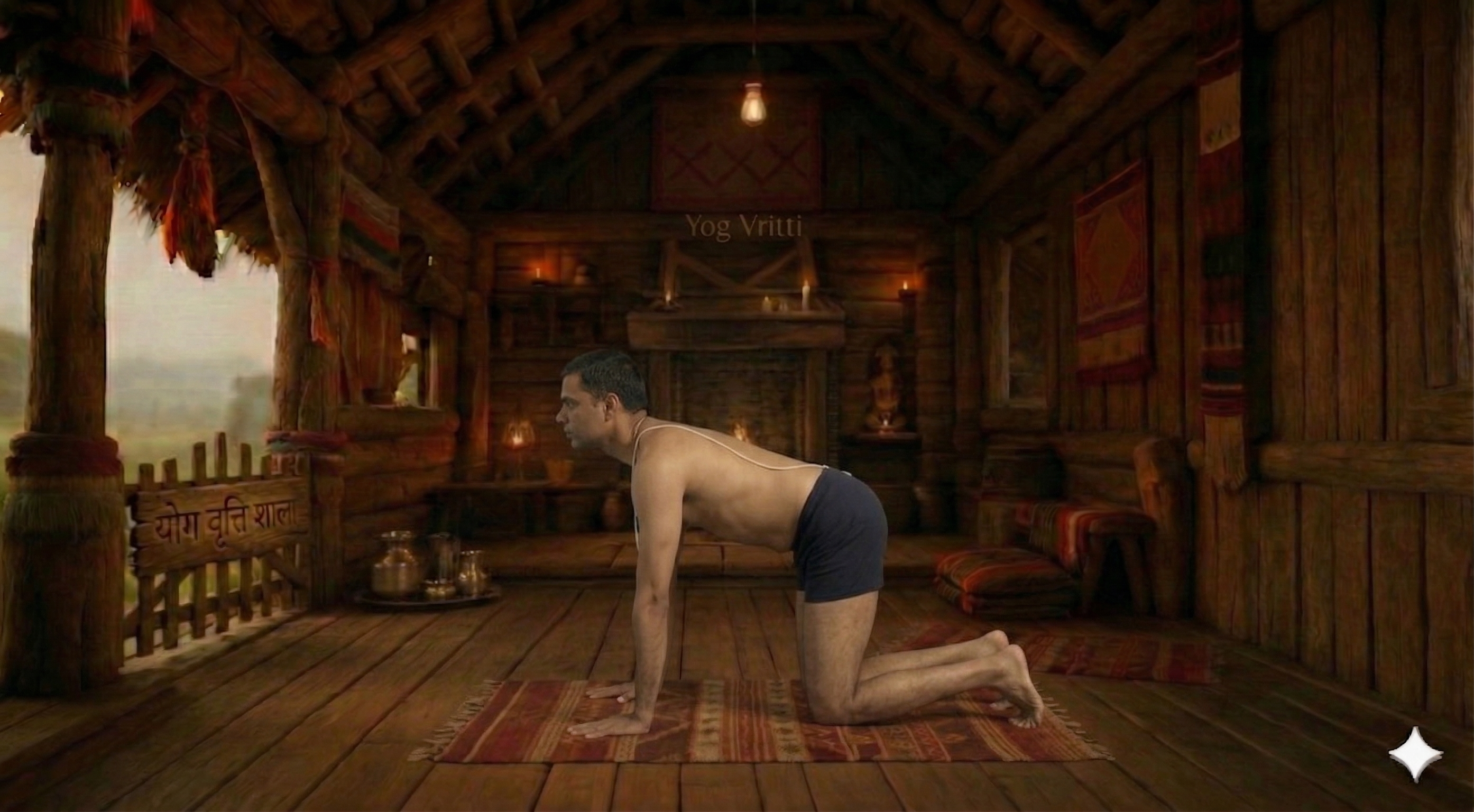
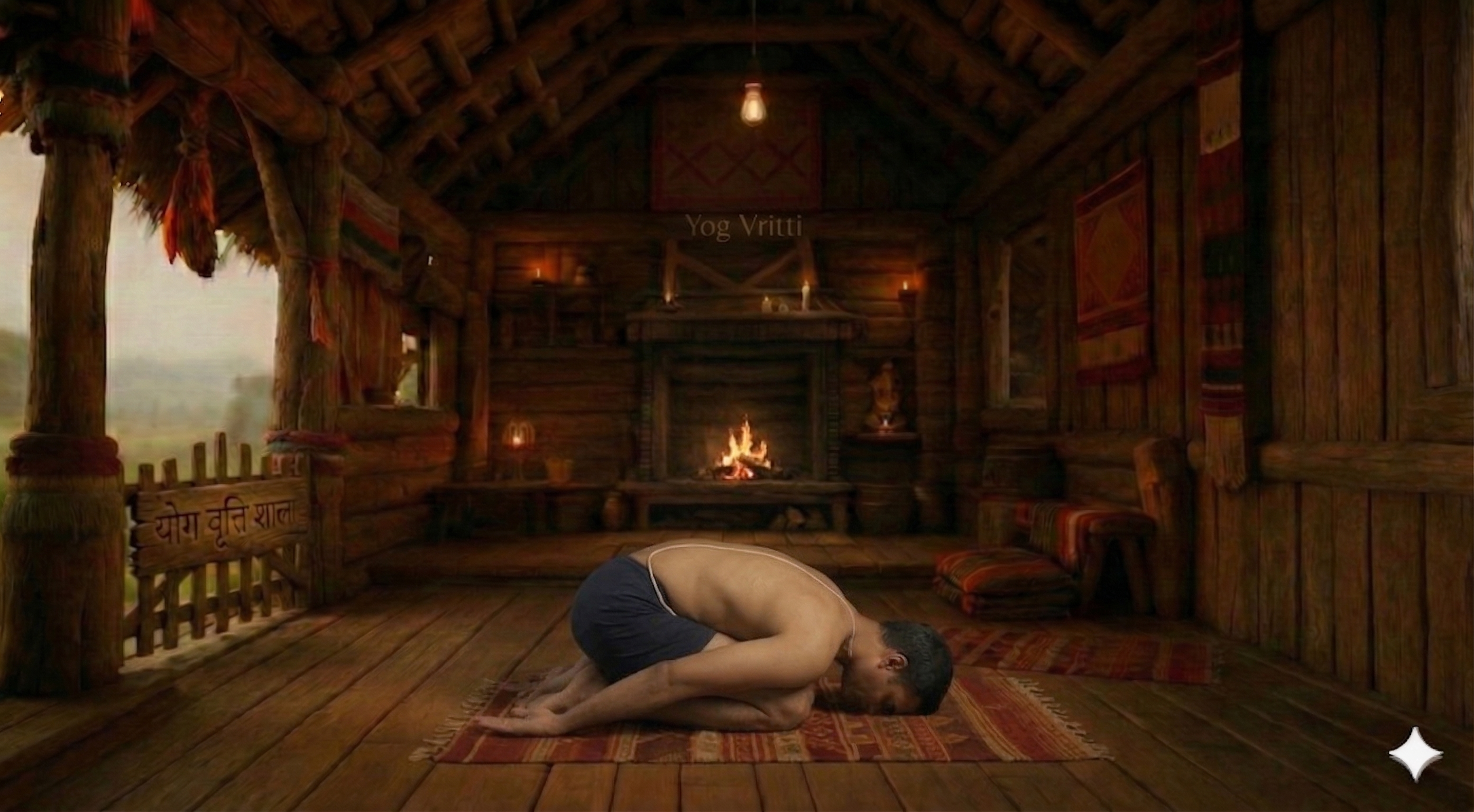
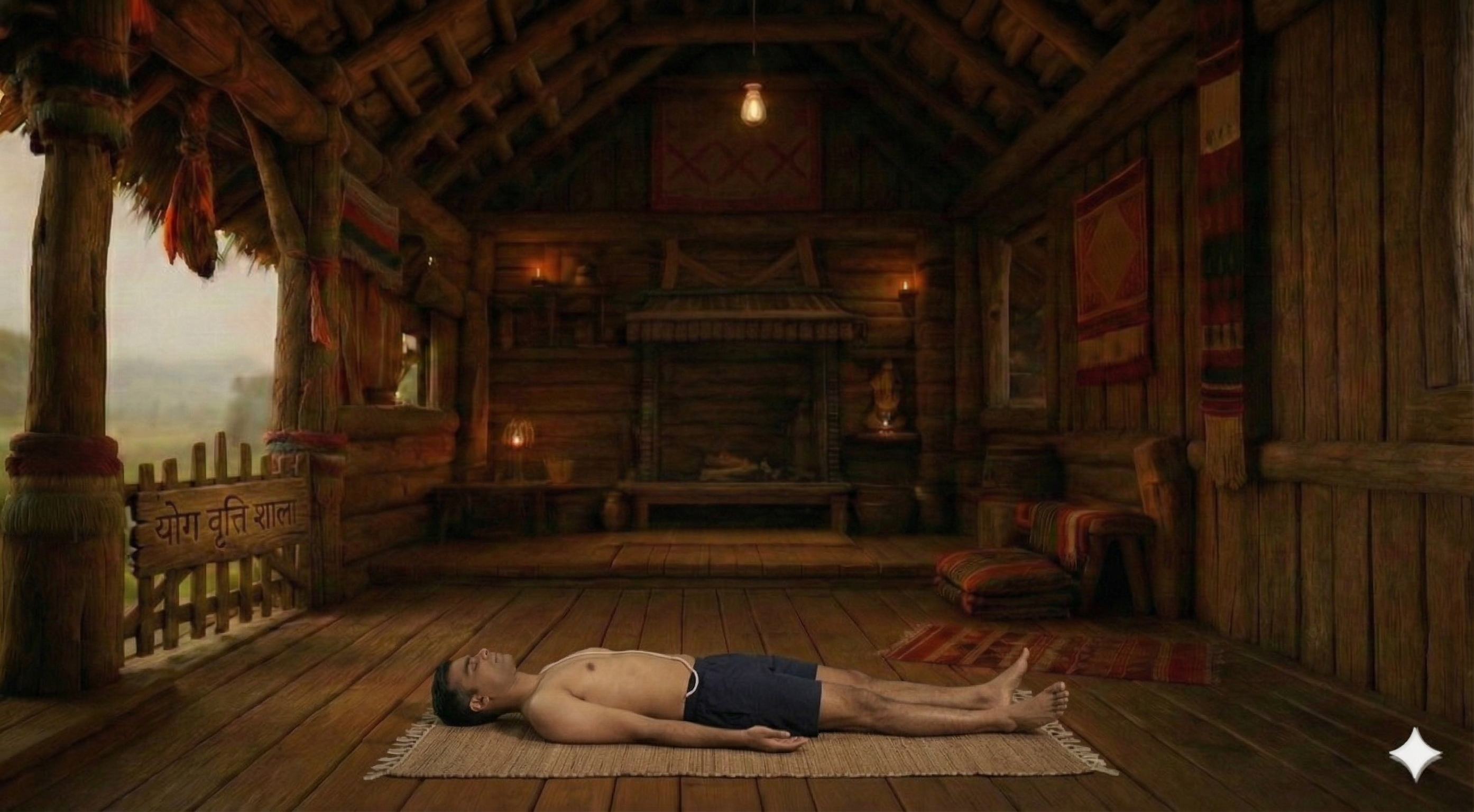
How to Practice
1. Begin in Table Top position: hands under shoulders, knees under hips.
2. Walk your hands forward, lowering your chest towards the floor.
3. Keep your hips stacked over your knees.
4. Rest your chin or forehead on the floor.
5. Keep your arms straight on the floor.
4 more steps remaining
Register free to see the complete instructions
Register Free to ContinueAlready registered? Login
Frequently Asked Questions
Common questions about Uttana Shishosana
What is Extended Puppy Pose?
Extended Puppy Pose, also called Puppy Pose is a classical yoga posture. Its Sanskrit name Uttana Shishosana translates word-for-word as: Uttana (Extended) · Shishu (Puppy / Baby) · Asana (Pose). Beginning from a kneeling position, the practitioner aligns the body with precision and intentional breath. The posture works to open and strengthen the shoulders, open the upper back and open the chest. Opens the chest. Relieves stress and tension. Suitable for beginners and regular practitioners alike, it is an excellent warm-up, particularly beneficial for beginners and seniors. A blanket can be used to make the posture more accessible and support correct alignment. Practitioners with pregnancy and knee injury should approach with care or consult a qualified teacher.
What are the benefits of Extended Puppy Pose?
Stretches the shoulders and upper back. Opens the chest. Relieves stress and tension. Calms the mind. Improves posture.
Who should avoid Extended Puppy Pose?
Avoid this pose if you have: Knee injury, Shoulder injury, Pregnancy (later stages), High blood pressure.
How many steps are in Extended Puppy Pose?
Extended Puppy Pose is practiced in 9 steps. Begin in Table Top position: hands under shoulders, knees under hips.
Is Extended Puppy Pose suitable for beginners?
Yes, Extended Puppy Pose is a beginner-friendly pose suitable for all levels.
What props are needed for Extended Puppy Pose?
You may use: blanket. Props make the pose more accessible and comfortable.
What poses should I do before Extended Puppy Pose?
Prepare with: Bharmanasana (Table top pose), Adho Mukha Virasana (Child's Pose). These warm up the relevant muscles and joints.
Build Your Own Sequence
Combine Uttana Shishosana with other poses