 शुरुआतीkneeling
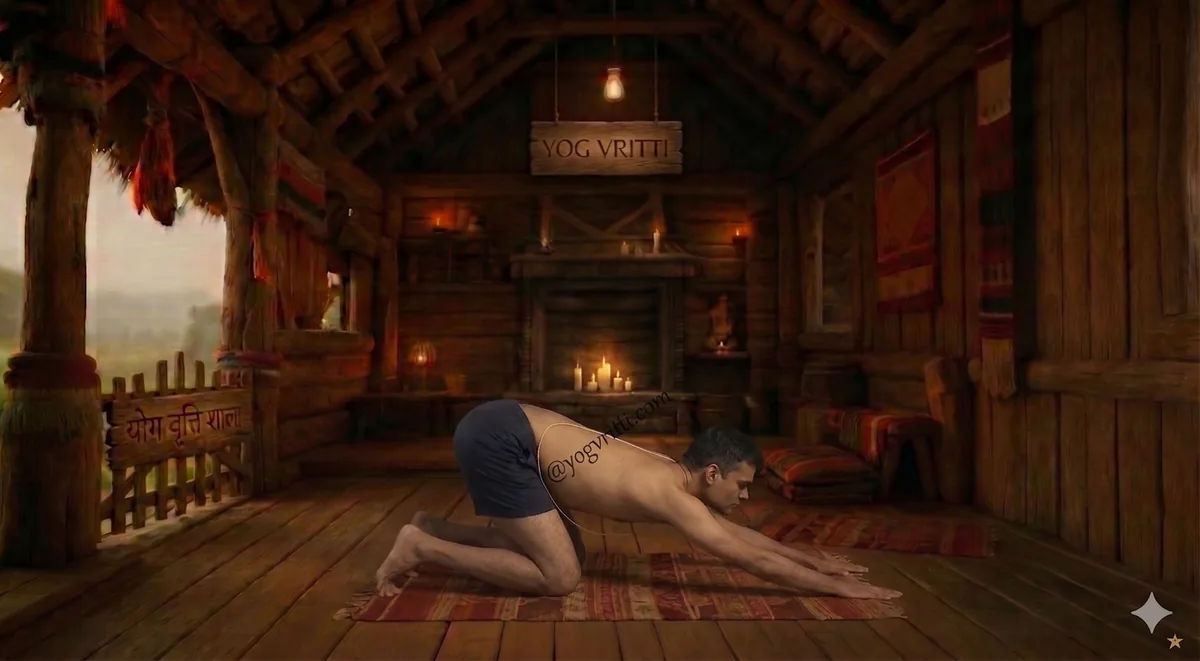
अनाहतासन
Heart Melting Pose
अनाहतासन (हार्ट मेल्टिंग पोज़) में घुटनों के बल रहकर छाती को जमीन की ओर लाया जाता है।
फायदे
5Chest muscles(lengthening)
These broad muscles cover the front of your chest and often become tight from daily activities like sitting or holding forward postures. In Anahatasana, as your chest melts towards the floor, the pectoralis major and minor are gently and deeply stretched, creating significant space across the front of the rib cage. This sustained release not only improves shoulder mobility but also, in yogic terms, opens the 'heart space,' allowing for a greater sense of emotional freedom and courage to emerge.
Latissimus Dorsi(lengthening)
The latissimus dorsi are large, flat muscles spanning the width of your mid-back, extending up to your armpits. As you reach your arms forward and allow your torso to descend in Anahatasana, these muscles are significantly lengthened along their entire length, from their attachments on the spine and pelvis to the arm. This deep stretch releases tension in the side body and upper back, which often restricts shoulder movement and breathing. Energetically, releasing the lats creates a feeling of expansiveness and unburdening, allowing prana to flow more freely through the torso.
Rhomboids(stabilizing)
Located between your shoulder blades, the rhomboids are crucial for retracting and stabilizing the scapulae. In this pose, as the arms reach forward and the chest opens, the rhomboids are engaged in a subtle, eccentric lengthening action, allowing the shoulder blades to protract while still maintaining a connection to the spine. This controlled engagement prevents the shoulder blades from 'winging out' excessively, promoting healthy scapular rhythm and creating a stable foundation for the heart opening. This awareness helps to integrate the upper back, fostering better postural habits.
- पूर्ण शारीरिक विश्लेषण →
सावधानियाँ
2Shoulder Injury
Overhead loading and extreme shoulder rotation can impinge the subacromial space and overload rotator cuff tendons.
Draw the shoulder blades together without externally rotating aggressively; place hands on blocks to reduce range.
Neck Injury / Cervical Issues
Looking up, bearing head weight, or unsupported neck rotation can compress cervical vertebrae and irritate nerves.
Do not allow the head to drop back unsupported; keep the chin slightly tucked and look forward rather than up.
विधि
चरण-दर-चरण निर्देश
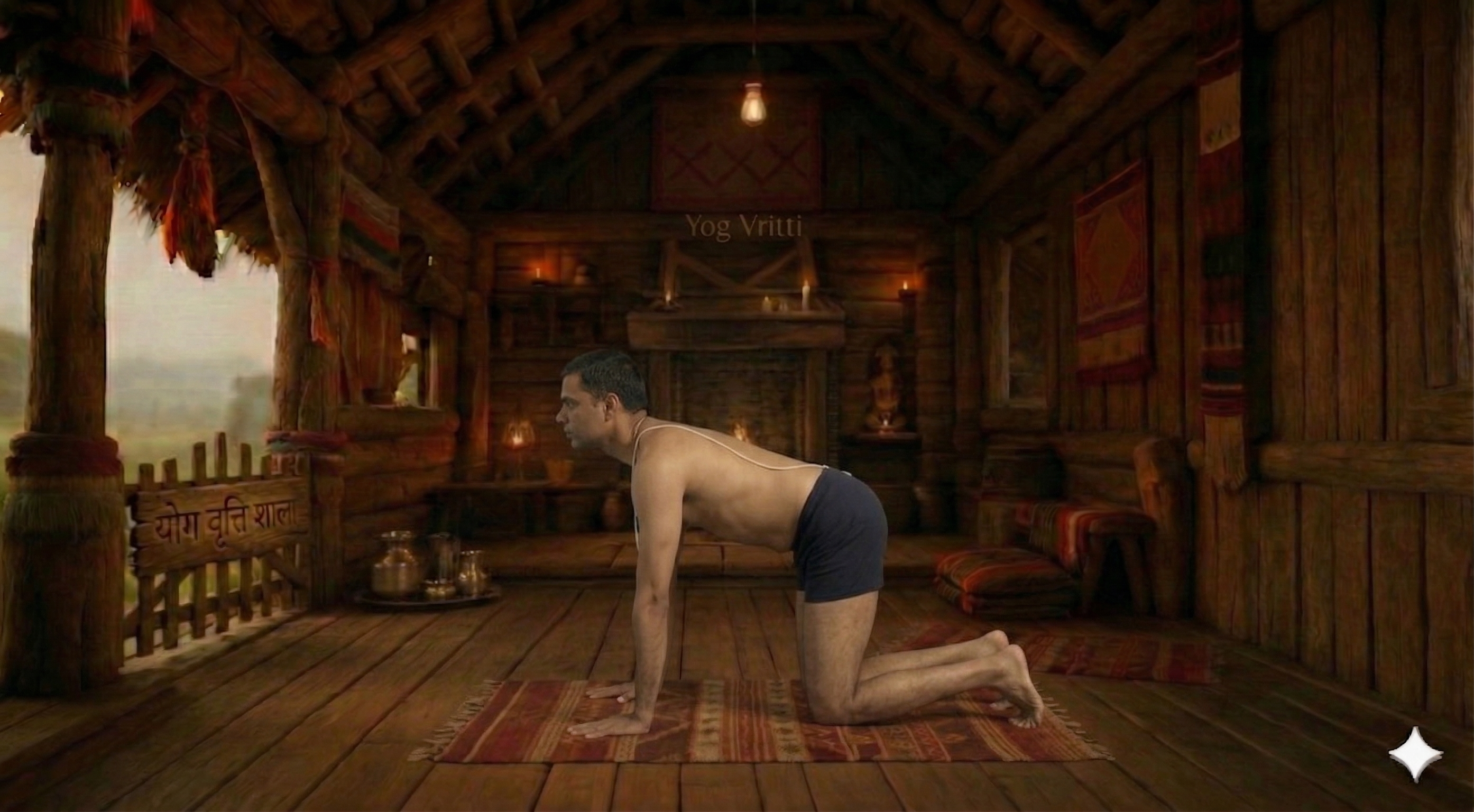
भरमानासन (टेबल टॉप) में आएं।
कूल्हे घुटनों के ठीक ऊपर रहें।
श्वास छोड़ते हुए हाथों को धीरे-धीरे आगे बढ़ाएं।
छाती को जमीन की ओर लाएं।
ठुड्डी जमीन पर टिकाएं (या माथा, यदि ठुड्डी असुविधाजनक हो)।
कूल्हे ऊपर रहें — घुटनों के ठीक ऊपर, आगे न गिरें।
बाहें पूरी तरह सामने फैली हुई, हथेलियां जमीन पर।
छाती और कंधों में गहरा खिंचाव महसूस करें।
8-10 गहरी सांसें लें।
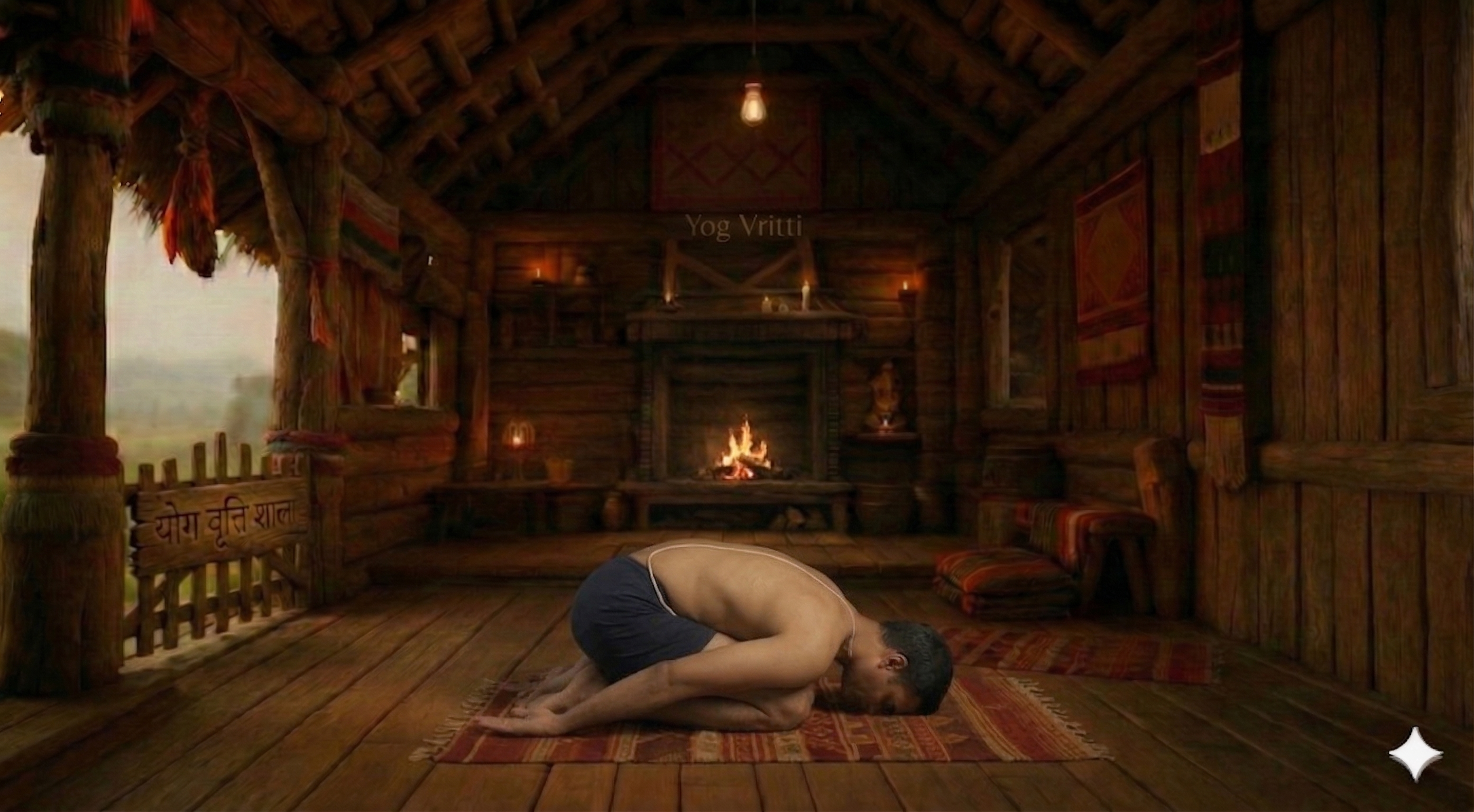
धीरे-धीरे हाथ वापस लाएं, बालासन में विश्राम करें।
सहायक उपकरण
वैकल्पिक सहायता — आवश्यकतानुसार उपयोग करें
Folded Blanket
A rolled blanket under the thoracic spine opens the chest gently and supports the backbend, making it accessible as a restorative variation.
सामान्य गलतियाँ
शिक्षण संकेत
अभ्यास क्रम
अक्सर पूछे जाने वाले प्रश्न
अनाहतासन के बारे में सामान्य प्रश्न
अनाहतासन क्या है?
अनाहतासन (हार्ट मेल्टिंग पोज़) में घुटनों के बल रहकर छाती को जमीन की ओर लाया जाता है।
अनाहतासन के क्या फायदे हैं?
Deep chest and shoulder opener। Stretches upper back and lats। Calms the nervous system।
अनाहतासन किस स्तर के लिए है?
अनाहतासन एक शुरुआती स्तर का आसन है। यह सभी के लिए उपयुक्त है।
अनाहतासन कौन न करे?
Shoulder injuries, Neck injuries (use forehead instead of chin) की स्थिति में यह आसन न करें।
अनाहतासन के लिए कौन से उपकरण चाहिए?
blanket का उपयोग इस आसन को आसान बना सकता है।