 मध्यमबैठकर
विविधताएँ (2)
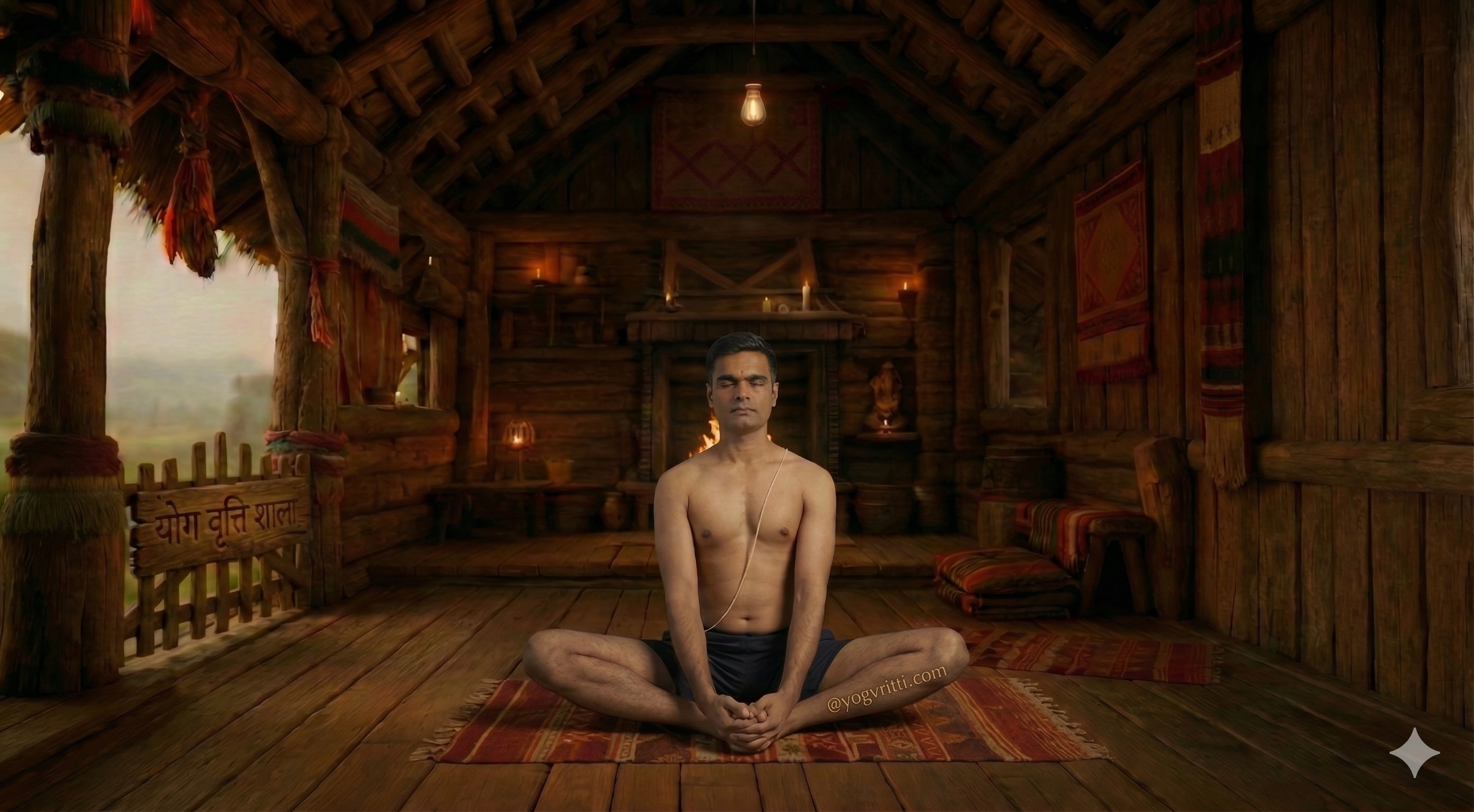
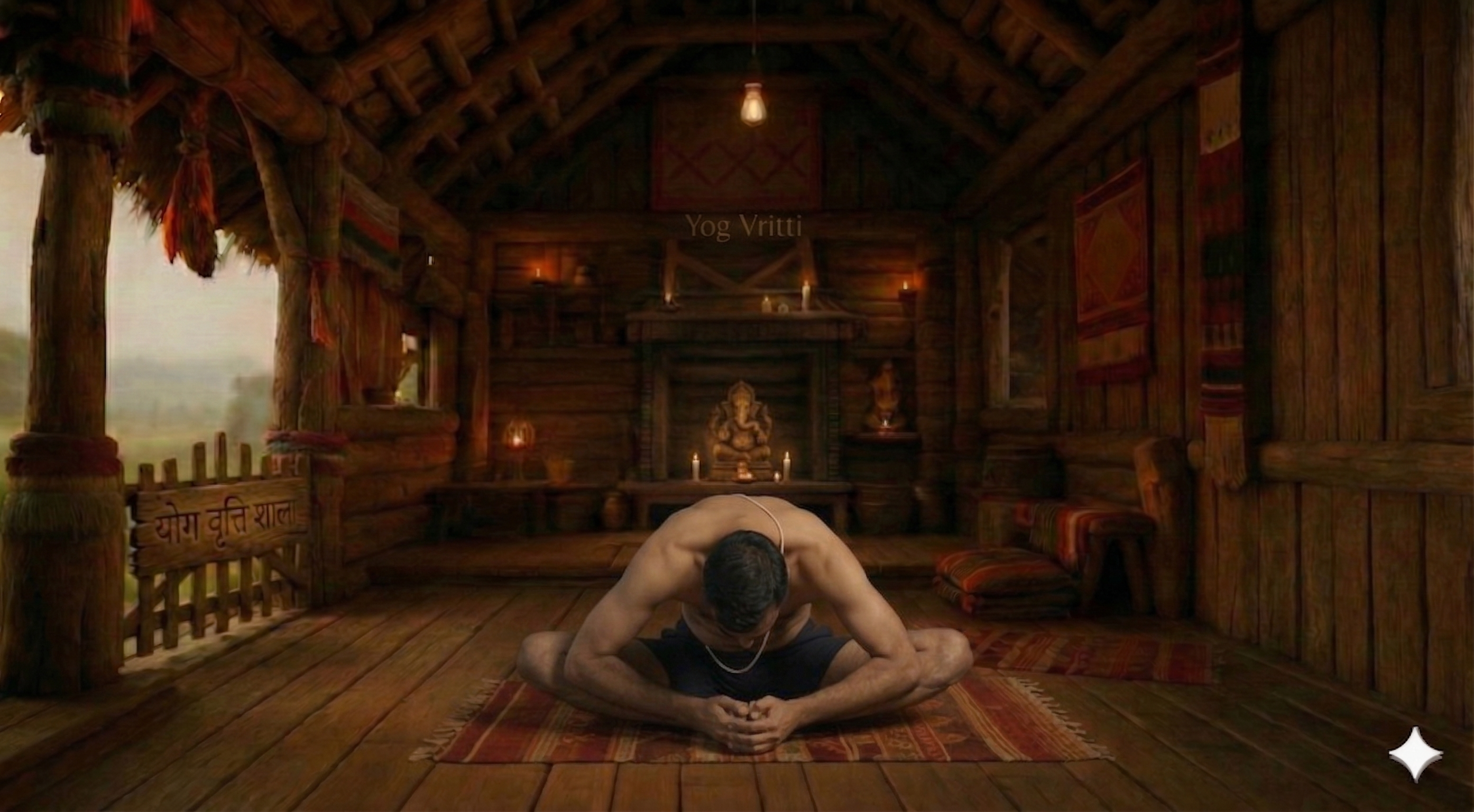
बद्ध कोणासन अग्रे नमन
Bound Angle Forward Bend
बद्ध कोणासन अग्रे नमन एक बैठा हुआ आगे झुकने वाला आसन है जो आंतरिक जांघों, कमर और पीठ के निचले हिस्से को फैलाता है। यह विश्राम को बढ़ावा देता है और तनाव और चिंता को दूर करने में मदद कर सकता है।
फायदे
6Inner Thighs(intensified lengthening)
In the upright Baddha Konasana, the inner thighs (adductors) lengthen passively as gravity assists the knees downward, creating space within the hip joints. In the forward bend, the anterior tilt of the pelvis combined with the descent of the torso over the legs dramatically intensifies this lengthening action, drawing a deeper stretch into the entire adductor group and their attachments around the groin. This sustained and amplified stretch encourages a more profound release of deep-seated tension, promoting greater flexibility and energetic flow within the entire pelvic basin.
Deep Hip Rotators(deepened lengthening)
While these muscles (e.g., piriformis, obturators) initiate and maintain the external rotation in the root pose, in the forward bend, their role shifts slightly from primarily allowing the opening to becoming more actively lengthened under the weight of the torso. As the spine folds forward from the hips, provided the sit bones remain grounded and the hips open, the stretch on these deep muscles is significantly deepened. This encourages a more complete unwinding of rotational tension within the hip socket, contributing to greater overall hip joint freedom and release that extends into the sacral area.
Hip Flexors(lengthening)
In the upright Baddha Konasana, the hip flexors are relatively neutral, allowing the spine to lift and lengthen. In the forward bend, as the torso hinges from the hips, these powerful muscles are actively lengthened and released over the anterior aspect of the hip joint. This stretching helps to unwind chronic tightness often accumulated from prolonged sitting, allowing for greater mobility in the lumbar spine and pelvis, and fostering a sense of opening and surrender in the entire front body.
- पूर्ण शारीरिक विश्लेषण →
सावधानियाँ
4Knee Injury
Deep flexion or rotation at the knee can strain ligaments, meniscus, or cartilage, especially in a compromised joint.
Bend the knees generously to protect the joint and keep the weight in the heels rather than the toes.
Back Injury / Back Pain
Spinal flexion, extension, or rotation under load can compress vertebral discs or strain the paraspinal muscles.
Bend both knees generously, hinge from the hips rather than rounding the spine, and rest hands on blocks or thighs.
Groin / Hip Flexor Strain
Excessive hip abduction or deep hip flexor lengthening can tear already-strained muscle fibres in the groin.
Reduce the width of the stance, keep the stretch mild, and avoid any sharp or shooting pain in the inner thigh.
Pregnancy
Deep twists, abdominal compression, and lying flat on the back can restrict blood flow or cause discomfort as pregnancy progresses.
Widen the feet to hip-width or more; fold to a 45-degree angle rather than full depth to avoid abdominal compression.
विधि
चरण-दर-चरण निर्देश
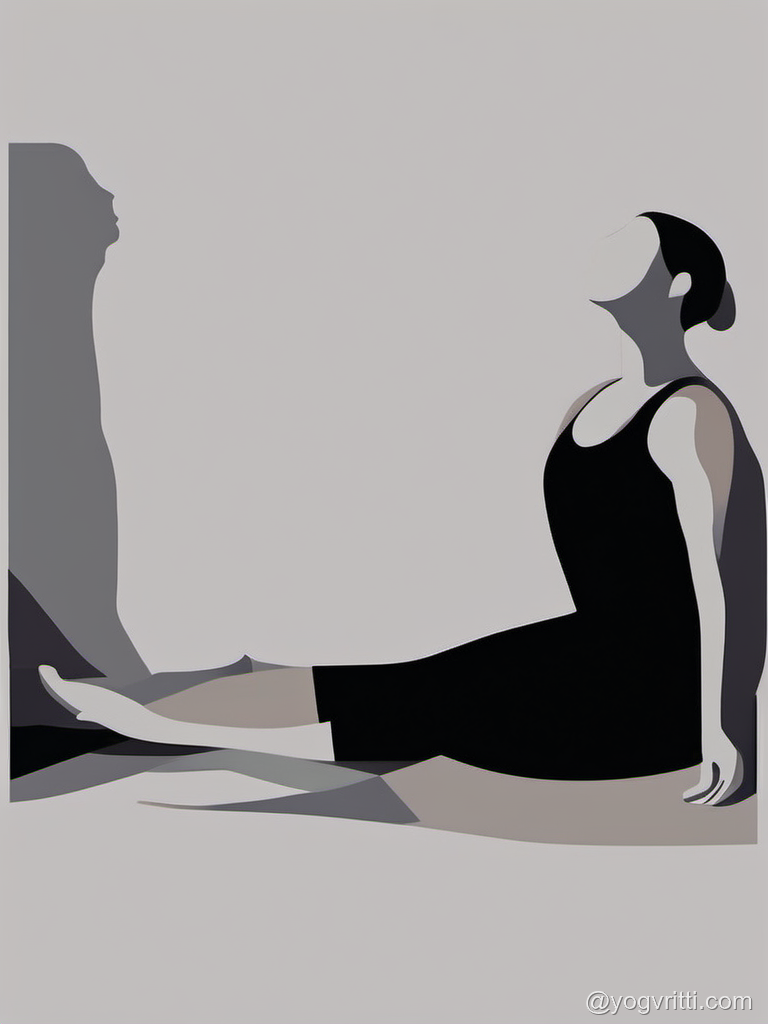
दंडासन में बैठें, रीढ़ की हड्डी सीधी रखें।
घुटनों को मोड़ें और पैरों को पेल्विस की ओर खींचें, पैरों के तलवों को एक साथ लाएं।
हाथों से पैरों को पकड़ें। सुनिश्चित करें कि आपकी रीढ़ की हड्डी सीधी रहे।
श्वास लें, और श्वास छोड़ते हुए, हिप जॉइंट्स से आगे की ओर झुकें।
पेट को जांघों के करीब लाने की कोशिश करें, फिर छाती को पैरों की ओर।
अपनी क्षमता के अनुसार झुकें, जबरदस्ती न करें।
हाथों से पैरों को पकड़ें या फर्श पर आगे रखें।
प्रत्येक श्वास के साथ, रीढ़ को थोड़ा और लंबा करें, और प्रत्येक श्वास छोड़ने के साथ, थोड़ा और झुकें।
30-60 सेकंड तक इस स्थिति में रहें, सामान्य रूप से सांस लें।
श्वास लेते हुए, धीरे-धीरे ऊपर उठें और रीढ़ की हड्डी को सीधा करें।
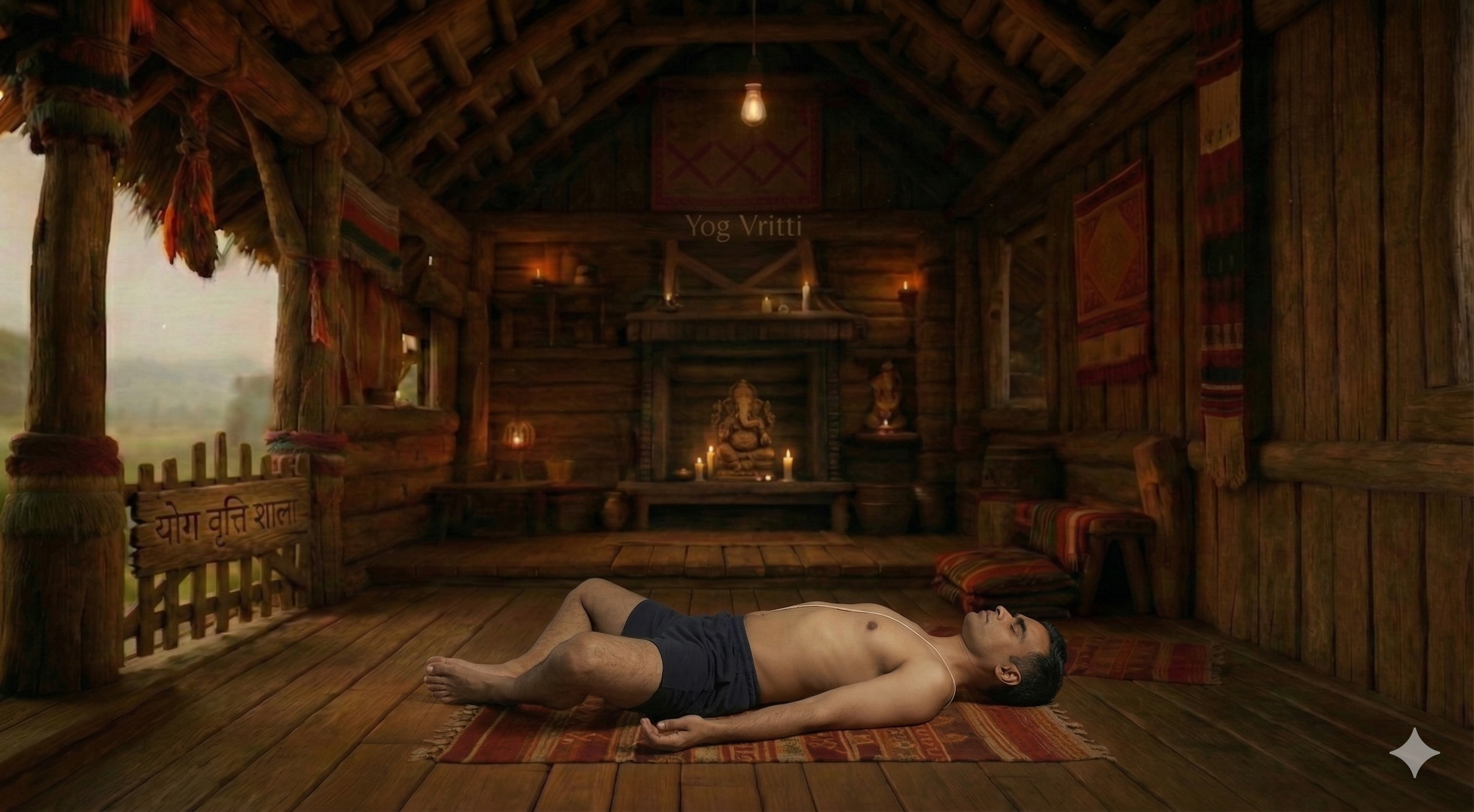
पैरों को सीधा करें और दंडासन में वापस आ जाएं।
विश्राम करें।
सहायक उपकरण
वैकल्पिक सहायता — आवश्यकतानुसार उपयोग करें
Folded Blanket
Place a folded blanket under the sitting bones to ease the forward tilt of the pelvis and reduce strain at the hamstring attachment.
Yoga Block
Place blocks under the hands at any height to allow the spine to lengthen fully before attempting to reach the floor — prioritising posture over depth.
Bolster
Rest the torso on a bolster in the fold for a completely supported, restorative version that releases the back body without effort.
Yoga Strap
Loop a strap around the feet when the hands cannot reach — this maintains proper spinal length and prevents rounding the lower back to close the gap.
सामान्य गलतियाँ
शिक्षण संकेत
अभ्यास क्रम
अक्सर पूछे जाने वाले प्रश्न
बद्ध कोणासन अग्रे नमन के बारे में सामान्य प्रश्न
बद्ध कोणासन अग्रे नमन क्या है?
बद्ध कोणासन अग्रे नमन एक बैठा हुआ आगे झुकने वाला आसन है जो आंतरिक जांघों, कमर और पीठ के निचले हिस्से को फैलाता है। यह विश्राम को बढ़ावा देता है और तनाव और चिंता को दूर करने में मदद कर सकता है।
बद्ध कोणासन अग्रे नमन के क्या फायदे हैं?
Stretches the inner thighs, groin, and knees.। Stimulates abdominal organs.। Helps relieve stress and mild depression.।
बद्ध कोणासन अग्रे नमन किस स्तर के लिए है?
बद्ध कोणासन अग्रे नमन एक मध्यम स्तर का आसन है। शुरुआती लोग किसी योग गुरु के मार्गदर्शन में अभ्यास करें।
बद्ध कोणासन अग्रे नमन कौन न करे?
Knee injuries: Modify the pose by supporting the knees with blankets or blocks., Lower back pain: Keep the back straight and avoid rounding excessively., Groin injuries: Proceed with caution and avoid overstretching. की स्थिति में यह आसन न करें।
बद्ध कोणासन अग्रे नमन के लिए कौन से उपकरण चाहिए?
blanket, block, bolster, strap का उपयोग इस आसन को आसान बना सकता है।