 मध्यमपेट के बल
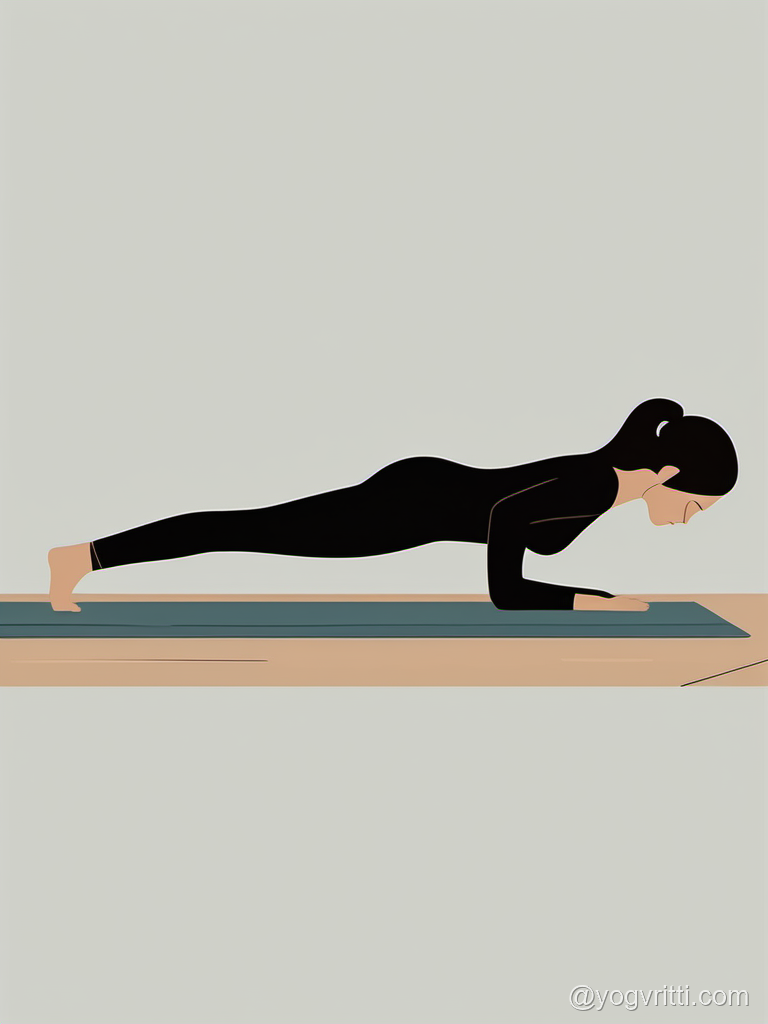
चतुरङ्ग दण्डासन
Four-Limbed Staff Pose
चतुरङ्ग दण्डासन एक मूलभूत भुजा-संतुलन आसन है जो पूरे शरीर, विशेषकर कोर, भुजाओं और कंधों में अत्यधिक शक्ति का निर्माण करता है। इसमें सटीक संरेखण और नियंत्रित गति की आवश्यकता होती है, और यह कई योग अनुक्रमों में एक महत्वपूर्ण संक्रमण के रूप में कार्य करता है।
फायदे
6Triceps(eccentric-loading)
These powerful muscles run along the back of your upper arms, connecting your shoulder blade and humerus to your forearm bone (ulna). In Chaturanga, they work eccentrically, lengthening under tension to control your descent, then concentrically to hold the pose, preventing you from collapsing to the floor. This controlled work builds incredible arm strength and teaches intelligent engagement, which is crucial for protecting the elbows in daily life and other arm balances.
Deltoids(stabilizing)
Forming the rounded cap of your shoulder, the deltoids are critical for stabilizing the shoulder joint, particularly the anterior (front) and middle heads. In this pose, they actively hold the upper arm bone (humerus) in place, preventing it from drooping or internally rotating, which can strain the rotator cuff. This engagement cultivates a sense of broadness and openness across the collarbones, allowing the breath to flow more freely into the upper chest, inviting a feeling of courage and expansion.
Pectorals(strengthening)
Located across your chest, these muscles are vital for drawing the upper arms towards the midline of the body (adduction) and rotating them inwards, but in Chaturanga, their role is more nuanced. They work with the serratus anterior to stabilize the shoulder blades against the back of the rib cage, preventing winging, while the chest itself remains broad and open. This intelligent engagement strengthens the front of the body without collapsing the chest, supporting the heart space and fostering a sense of inner confidence.
- पूर्ण शारीरिक विश्लेषण →
सावधानियाँ
5Wrist Injury / Carpal Tunnel
Weight-bearing or extended wrist positions can compress the median nerve and aggravate inflamed tendons, worsening pain and causing numbness.
Use fists on the floor, switch to a forearm variation, or place a wedge/folded blanket under the wrists to reduce extension angle.
Back Injury / Back Pain
Spinal flexion, extension, or rotation under load can compress vertebral discs or strain the paraspinal muscles.
Bend the knees to protect the lumbar spine, engage the core throughout, and stop if pain sharpens.
Pregnancy
Deep twists, abdominal compression, and lying flat on the back can restrict blood flow or cause discomfort as pregnancy progresses.
Widen the stance, avoid deep abdominal compression and twists, and consult a qualified prenatal yoga teacher.
High Blood Pressure
Vigorous effort and inverted positions temporarily raise blood pressure in the head, increasing strain on blood vessels.
Hold no longer than five breaths, breathe continuously, and come out at the first sign of pressure in the head.
विधि
चरण-दर-चरण निर्देश
अधो मुख श्वानासन (Downward-Facing Dog) से शुरुआत करें। श्वास लेते हुए, अपने शरीर का भार आगे लाएं, कंधों को कलाइयों के ठीक ऊपर लाते हुए प्लैंक पोज़ (फलकासन) में आएं।
अपनी हथेलियों को चटाई में मजबूती से दबाएं, उंगलियों को चौड़ा फैलाएं। अपने क्वाड्रिसेप्स को दृढ़ता से संलग्न करें, घुटनों को ऊपर उठाएं और बाहरी जांघों को अंदर खींचें। एड़ी के माध्यम से विस्तार करें।
श्वास छोड़ते हुए, अपनी कोहनियों को शरीर के करीब रखते हुए, अपने धड़ को धीरे-धीरे फर्श की ओर नीचे लाएं। आपकी कोहनियां सीधे पीछे की ओर होनी चाहिए, बाहर की ओर नहीं फैलनी चाहिए।
केवल तब तक नीचे आएं जब तक आपके कंधे कोहनियों से नीचे न हों, और आपकी ऊपरी भुजाएं फर्श के समानांतर हों। आपका शरीर सिर के ताज से एड़ी तक एक सीधी रेखा में होना चाहिए।
अपने कंधे के ब्लेड को अपनी पीठ के नीचे खींचें और अपनी हंसली की हड्डियों को चौड़ा करें। अपनी दृष्टि को थोड़ा आगे रखें, नीचे नहीं।
अपने कोर को गहराई से संलग्न करें, अपनी नाभि को रीढ़ की ओर खींचें ताकि आपके कूल्हे नीचे न झुकें या बहुत ऊपर न उठें।
अपने पैरों में दृढ़ता और घुटनों में उठाव बनाए रखें। एड़ियों के माध्यम से दबाएं, सिर से दूर विस्तार करते हुए।
कुछ सांसों के लिए आसन को बनाए रखें, सीधी रेखा की अखंडता और पूरे शरीर में जुड़ाव बनाए रखें।
छोड़ने के लिए, श्वास लेते हुए प्लैंक पोज़ में वापस ऊपर धकेलें, या श्वास छोड़ते हुए ऊर्ध्व मुख श्वानासन (Upward-Facing Dog) के लिए पूरी तरह से चटाई पर नीचे आएं।
सहायक उपकरण
वैकल्पिक सहायता — आवश्यकतानुसार उपयोग करें
Yoga Block
Place a block under each hand to raise the floor, reducing wrist extension and making the pose accessible when hamstrings are tight. This preserves the length of the spine without compensating in the lower back.
Wall
Practise with hands on the wall at 90° to experience the pose shape, build shoulder strength, and decompress the spine — ideal as a daily preparation or when wrists are sensitive.
सामान्य गलतियाँ
शिक्षण संकेत
अभ्यास क्रम
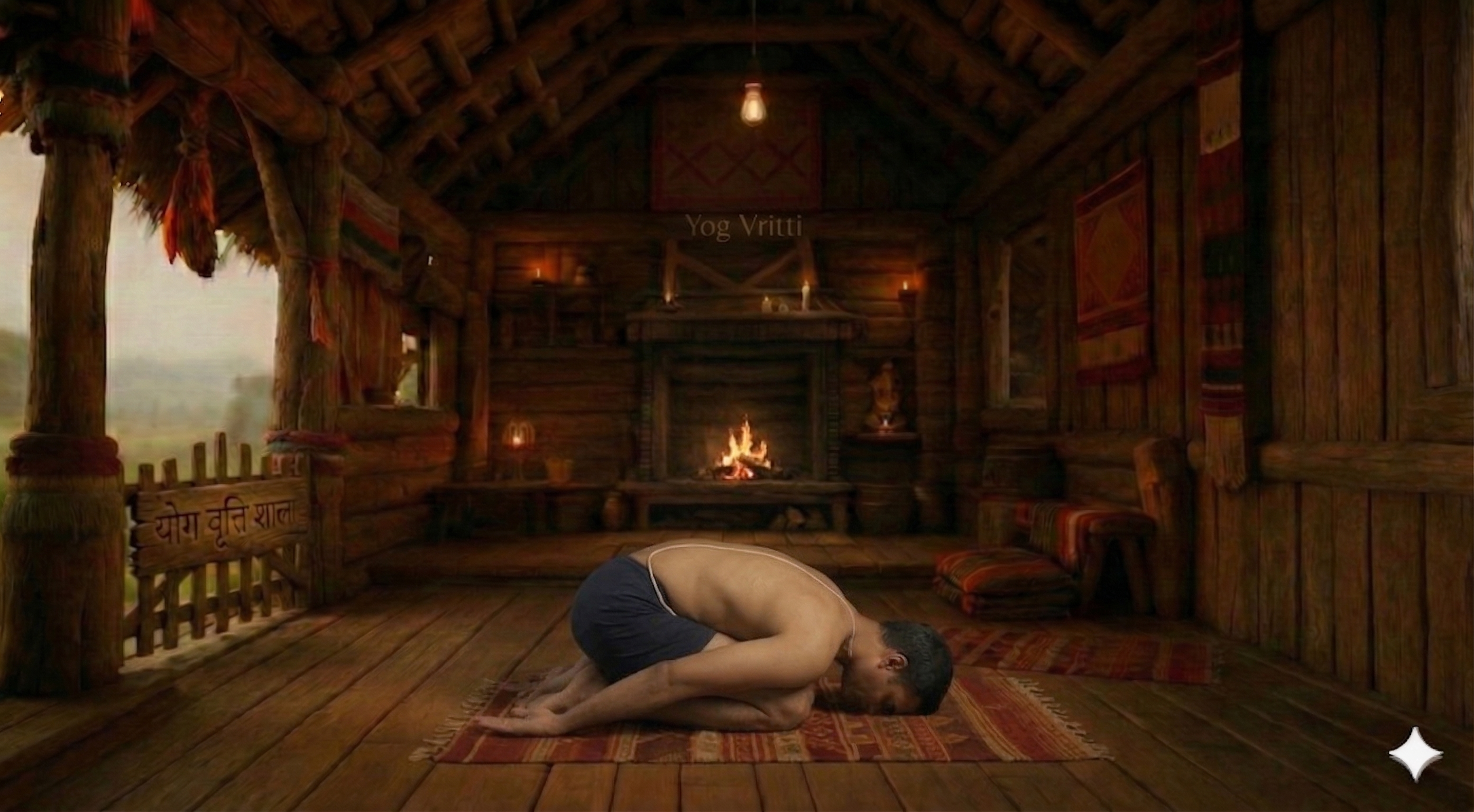
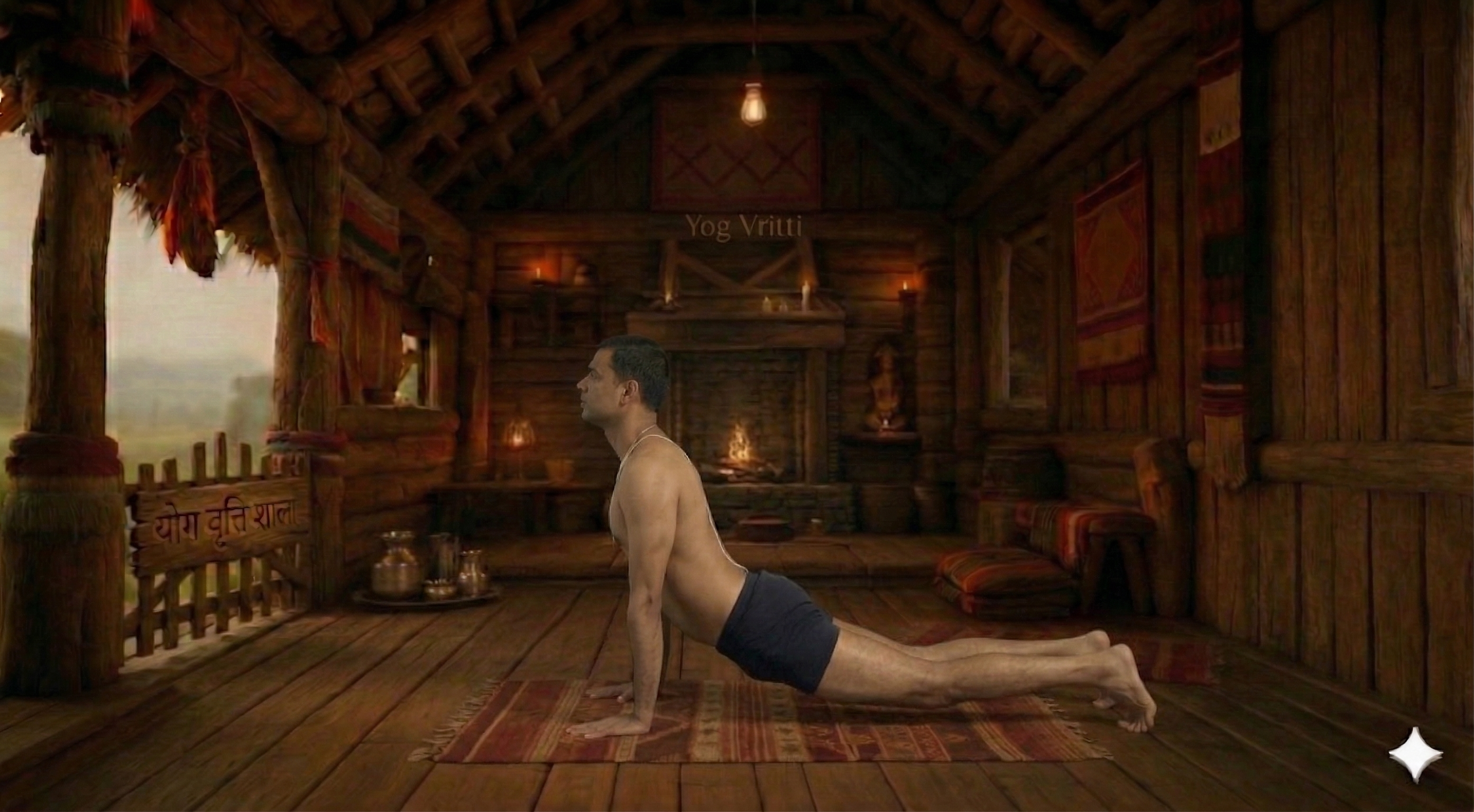
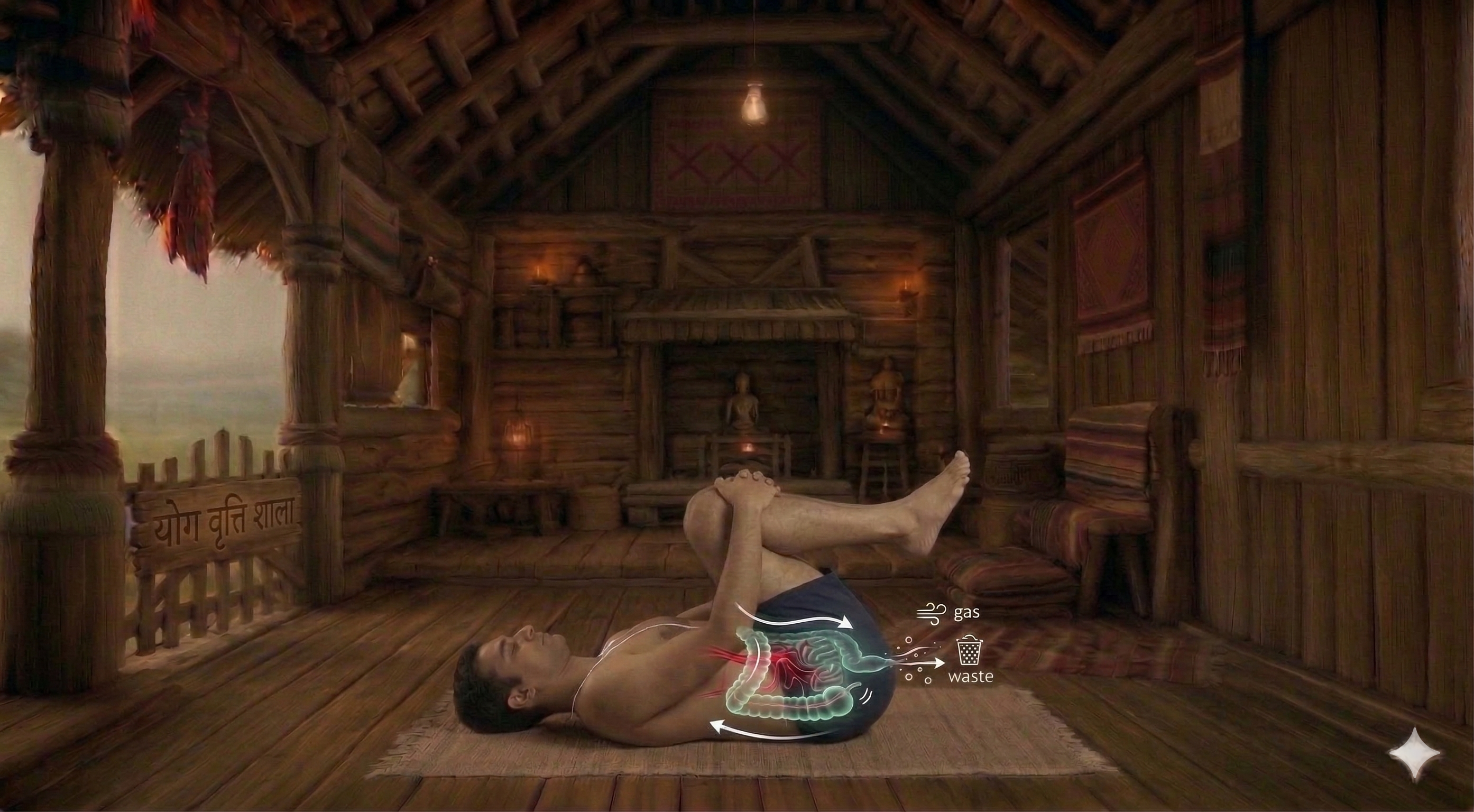
अक्सर पूछे जाने वाले प्रश्न
चतुरङ्ग दण्डासन के बारे में सामान्य प्रश्न
चतुरङ्ग दण्डासन क्या है?
चतुरङ्ग दण्डासन एक मूलभूत भुजा-संतुलन आसन है जो पूरे शरीर, विशेषकर कोर, भुजाओं और कंधों में अत्यधिक शक्ति का निर्माण करता है। इसमें सटीक संरेखण और नियंत्रित गति की आवश्यकता होती है, और यह कई योग अनुक्रमों में एक महत्वपूर्ण संक्रमण के रूप में कार्य करता है।
चतुरङ्ग दण्डासन के क्या फायदे हैं?
Strengthens arms, wrists, and shoulders.। Tones the abdominal muscles and strengthens the core.। Improves posture and builds full-body endurance.।
चतुरङ्ग दण्डासन किस स्तर के लिए है?
चतुरङ्ग दण्डासन एक मध्यम स्तर का आसन है। शुरुआती लोग किसी योग गुरु के मार्गदर्शन में अभ्यास करें।
चतुरङ्ग दण्डासन कौन न करे?
Wrist, elbow, or shoulder injuries., Lower back pain or spinal injuries if core is not engaged., Pregnancy (especially later trimesters without modification). की स्थिति में यह आसन न करें।
चतुरङ्ग दण्डासन के लिए कौन से उपकरण चाहिए?
block, wall का उपयोग इस आसन को आसान बना सकता है।