 शुरुआतीखड़े होकर
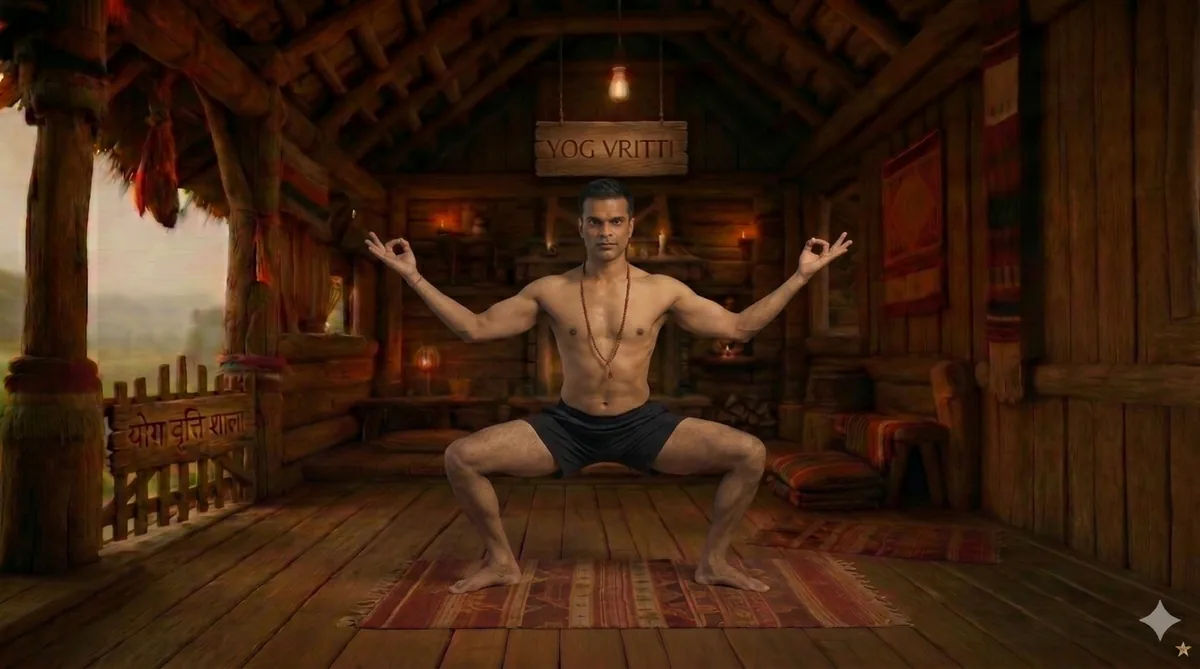
देवी आसन
Goddess Pose Variation
देवी आसन, या गॉडेस पोज़, एक शक्तिशाली स्टैंडिंग स्क्वाट है जो पैरों और कोर को मजबूत करता है और कूल्हों को खोलता है। यह स्थिरता और आत्मविश्वास बढ़ाता है, अभ्यासकर्ता को दृढ़ता से ज़मीन से जोड़े रखता है।
फायदे
6- Strengthens quadriceps, hamstrings, and glutes
- Opens and stretches the hips and groin
- Tones the core and abdominal muscles
- Improves balance and stability
- Increases mental focus and determination
- पूर्ण शारीरिक विश्लेषण →
सावधानियाँ
4Knee Injury
Deep flexion or rotation at the knee can strain ligaments, meniscus, or cartilage, especially in a compromised joint.
Do not allow the knee to travel beyond the ankle; keep weight evenly distributed and use a block under the hand for support.
Ankle Injury
Unstable or injured ankle joints can be overstressed by weight-bearing, extreme dorsiflexion, or plantar flexion.
Place a folded blanket under the ankle to cushion it, or practise a seated version of the pose.
Hip Injury
Deep hip flexion, external rotation, or weight-bearing can aggravate labral tears, impingement, or bursitis.
Do not force the hip into deep external rotation; keep the foot turned out only as far as is pain-free.
Back Injury / Back Pain
Spinal flexion, extension, or rotation under load can compress vertebral discs or strain the paraspinal muscles.
Engage the core before any movement, keep a slight bend in the knees, and avoid locking the lower back.
विधि
चरण-दर-चरण निर्देश
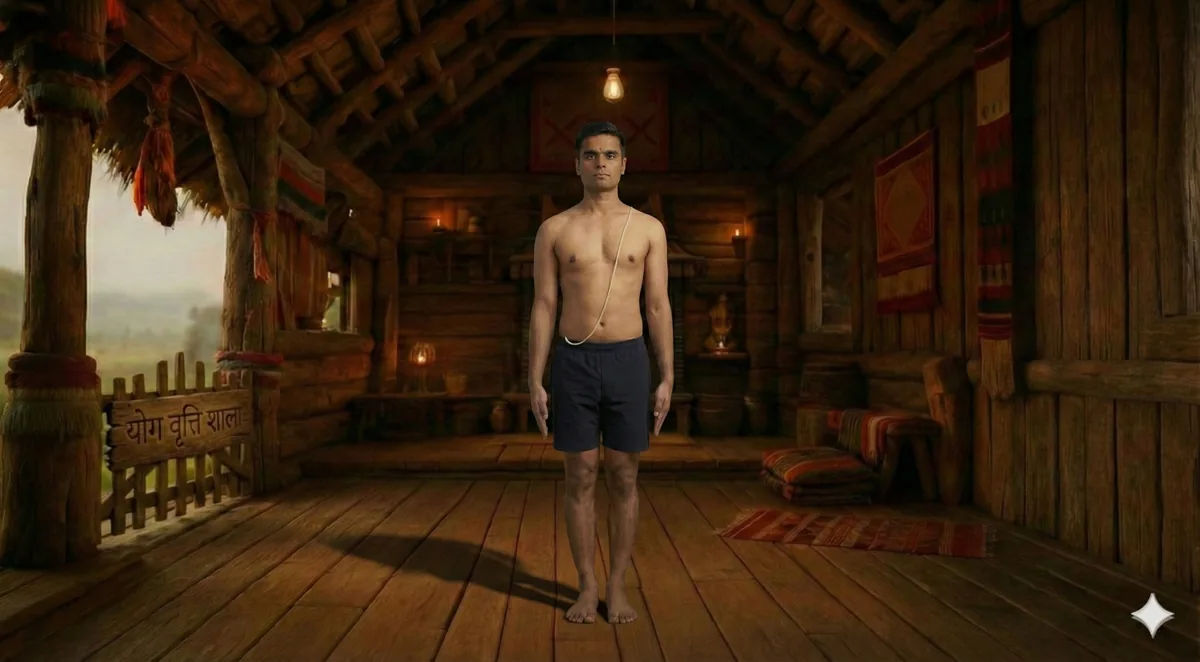
ताड़ासन (Tadasana) में खड़े हों। श्वास लेते हुए पैरों को 3-4 फीट चौड़ा खोलें।
पैरों की उंगलियों को बाहर की ओर मोड़ें, लगभग 45-60 डिग्री पर। एड़ियाँ अंदर की ओर रहें।
श्वास छोड़ते हुए घुटनों को मोड़ें, जैसे कि आप एक अदृश्य कुर्सी पर बैठ रहे हों। घुटने टखनों के ठीक ऊपर होने चाहिए।
जाँघों को ज़मीन के समानांतर लाने का प्रयास करें। घुटने और पैर की उंगलियाँ एक ही दिशा में हों।
टेलबोन (tailbone) को नीचे की ओर खींचें, श्रोणि (pelvis) को टक करें ताकि पीठ के निचले हिस्से में खिंचाव न आए।
धड़ को सीधा रखें, छाती को ऊपर उठाएँ और कंधों को आराम दें।
हाथों को नमस्कार मुद्रा (Anjali Mudra) में छाती के सामने लाएँ या बाहों को कंधों की ऊँचाई पर बगल में फैलाएँ, हथेलियाँ नीचे की ओर।
इस स्थिति में 20-30 सेकंड तक रुकें, गहरी साँसें लेते रहें।
श्वास लेते हुए घुटनों को सीधा करें और श्वास छोड़ते हुए पैरों को ताड़ासन में वापस लाएँ।
सहायक उपकरण
वैकल्पिक सहायता — आवश्यकतानुसार उपयोग करें
Wall
Practise near the wall so one fingertip can lightly touch it, giving the nervous system a safety anchor while building proprioceptive confidence.
सामान्य गलतियाँ
शिक्षण संकेत
अभ्यास क्रम
अक्सर पूछे जाने वाले प्रश्न
देवी आसन के बारे में सामान्य प्रश्न
देवी आसन क्या है?
देवी आसन, या गॉडेस पोज़, एक शक्तिशाली स्टैंडिंग स्क्वाट है जो पैरों और कोर को मजबूत करता है और कूल्हों को खोलता है। यह स्थिरता और आत्मविश्वास बढ़ाता है, अभ्यासकर्ता को दृढ़ता से ज़मीन से जोड़े रखता है।
देवी आसन के क्या फायदे हैं?
Strengthens quadriceps, hamstrings, and glutes। Opens and stretches the hips and groin। Tones the core and abdominal muscles।
देवी आसन किस स्तर के लिए है?
देवी आसन एक शुरुआती स्तर का आसन है। यह सभी के लिए उपयुक्त है।
देवी आसन कौन न करे?
Severe knee injury or pain, Ankle injury, Recent hip surgery or severe hip pain की स्थिति में यह आसन न करें।
देवी आसन के लिए कौन से उपकरण चाहिए?
wall का उपयोग इस आसन को आसान बना सकता है।