 उन्नतपीछे झुकाव
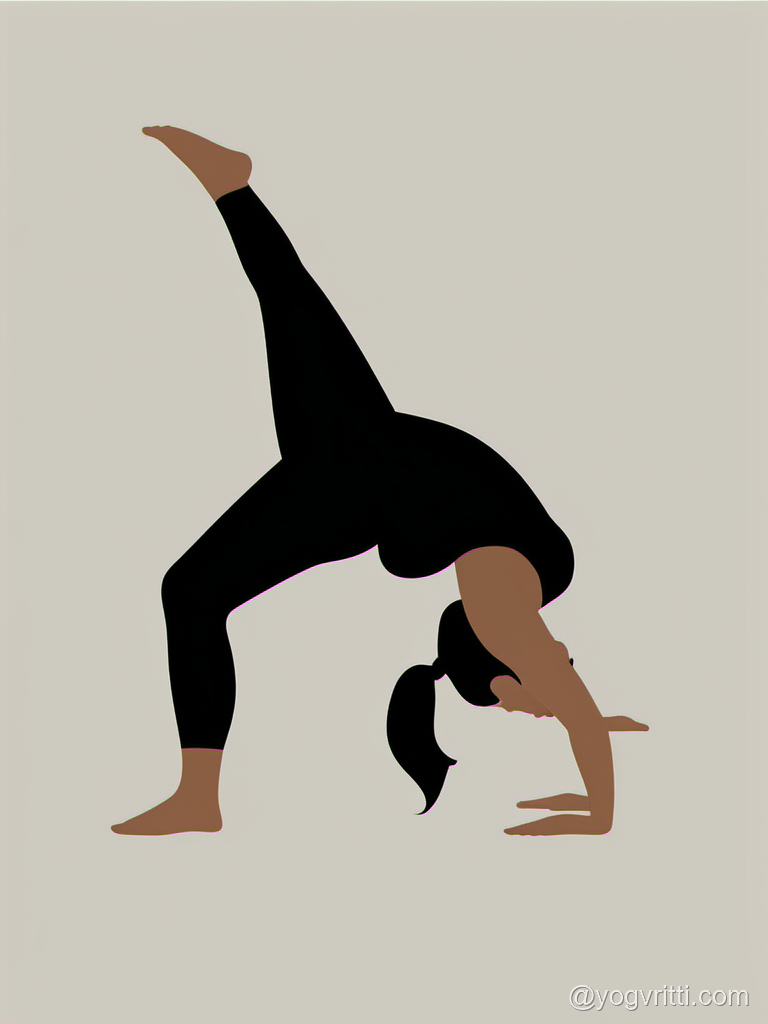
एक पाद ऊर्ध्व धनुरासन
One-Legged Wheel Pose
एक पाद ऊर्ध्व धनुरासन, या एक पैर ऊपर की ओर धनुष मुद्रा, एक उन्नत पश्चिमोत्तानासन है जिसके लिए महत्वपूर्ण शक्ति और लचीलापन की आवश्यकता होती है। यह पीठ, पैरों और बाहों को मजबूत करता है, साथ ही छाती और कंधों को भी खोलता है।
फायदे
6Quadriceps (thigh muscles)(lengthening | strengthening)
The powerful muscles at the front of your thighs (quadriceps femoris) on the standing leg are intensely engaged to extend the knee and stabilize the entire lower body, providing a solid anchor. On the lifted leg, the quadriceps lengthen as the hip flexes and the knee extends, creating a long, active line of energy. This dual action builds both strength and flexibility, cultivating a feeling of grounded power that supports the upward lift of the spine, allowing the energy (prana) to ascend more freely.
Glutes (buttock muscles)(strengthening | activating)
The large muscles of your buttocks (gluteus maximus and medius) are critically engaged, powerfully contracting to extend the hips and lift the pelvis away from the floor. This strong activation is essential for supporting the lower back, preventing compression and allowing the spinal muscles to articulate the curve more safely and evenly. Yogically, engaging the glutes helps to lift and lighten the pelvic floor, creating a sense of upward-moving energy (udana vayu) that supports the entire backbend and provides a feeling of inner buoyancy.
Spinal Erectors (back muscles)(strengthening | activating)
The long, deep muscles running along either side of your spine (erector spinae group) are intensely activated to extend the entire vertebral column, deepening the backbend from the sacrum to the cervical spine. This conscious engagement helps to distribute the spinal curve evenly, protecting the delicate intervertebral discs by creating space rather than collapsing into one area. This sustained effort builds profound resilience in the core of your being, fostering a sense of inner strength and unwavering resolve.
- पूर्ण शारीरिक विश्लेषण →
सावधानियाँ
5Back Injury / Back Pain
Spinal flexion, extension, or rotation under load can compress vertebral discs or strain the paraspinal muscles.
Limit the depth of the backbend, engage the core actively before moving, and avoid any movement that creates pinching in the lumbar spine.
Shoulder Injury
Overhead loading and extreme shoulder rotation can impinge the subacromial space and overload rotator cuff tendons.
Draw the shoulder blades together without externally rotating aggressively; place hands on blocks to reduce range.
Wrist Injury / Carpal Tunnel
Weight-bearing or extended wrist positions can compress the median nerve and aggravate inflamed tendons, worsening pain and causing numbness.
Avoid full weight on extended wrists; use fists, forearms, or a wedge to keep the wrist in a neutral position.
High Blood Pressure
Vigorous effort and inverted positions temporarily raise blood pressure in the head, increasing strain on blood vessels.
Limit the depth of the backbend, breathe smoothly, and avoid holding the pose for extended periods.
विधि
चरण-दर-चरण निर्देश
पीठ के बल लेट जाएं, घुटनों को मोड़ें, पैरों को नितंबों के पास रखें।
हाथों को कंधों के पास रखें, उंगलियां कंधों की ओर।
श्वास लें और शरीर को ऊपर उठाएं, चक्रासन में आएं।
धीरे-धीरे एक पैर को ऊपर की ओर उठाएं, पैर को सीधा रखें।
दूसरे पैर को जमीन पर मजबूत रखें।
छाती को और ऊपर उठाएं, कंधों को खोलें।
इस स्थिति में 10-20 सेकंड तक बने रहें, सामान्य रूप से सांस लेते रहें।
श्वास छोड़ते हुए, पैर को नीचे करें।
धीरे-धीरे शरीर को नीचे करें, पीठ के बल लेट जाएं।
दूसरी तरफ से दोहराएं।
सामान्य गलतियाँ
शिक्षण संकेत
अभ्यास क्रम

अक्सर पूछे जाने वाले प्रश्न
एक पाद ऊर्ध्व धनुरासन के बारे में सामान्य प्रश्न
एक पाद ऊर्ध्व धनुरासन क्या है?
एक पाद ऊर्ध्व धनुरासन, या एक पैर ऊपर की ओर धनुष मुद्रा, एक उन्नत पश्चिमोत्तानासन है जिसके लिए महत्वपूर्ण शक्ति और लचीलापन की आवश्यकता होती है। यह पीठ, पैरों और बाहों को मजबूत करता है, साथ ही छाती और कंधों को भी खोलता है।
एक पाद ऊर्ध्व धनुरासन के क्या फायदे हैं?
Strengthens the back, legs, and arms। Opens the chest and shoulders। Improves spinal flexibility।
एक पाद ऊर्ध्व धनुरासन किस स्तर के लिए है?
एक पाद ऊर्ध्व धनुरासन एक उन्नत स्तर का आसन है। शुरुआती लोग किसी योग गुरु के मार्गदर्शन में अभ्यास करें।
एक पाद ऊर्ध्व धनुरासन कौन न करे?
Back injury, Shoulder injury, Wrist injury की स्थिति में यह आसन न करें।