 Advancedbackbend
One-Legged Wheel Pose
Eka Pada Urdhva Dhanurasana · एक पाद ऊर्ध्व धनुरासन
Also known as: Single Leg Upward Bow
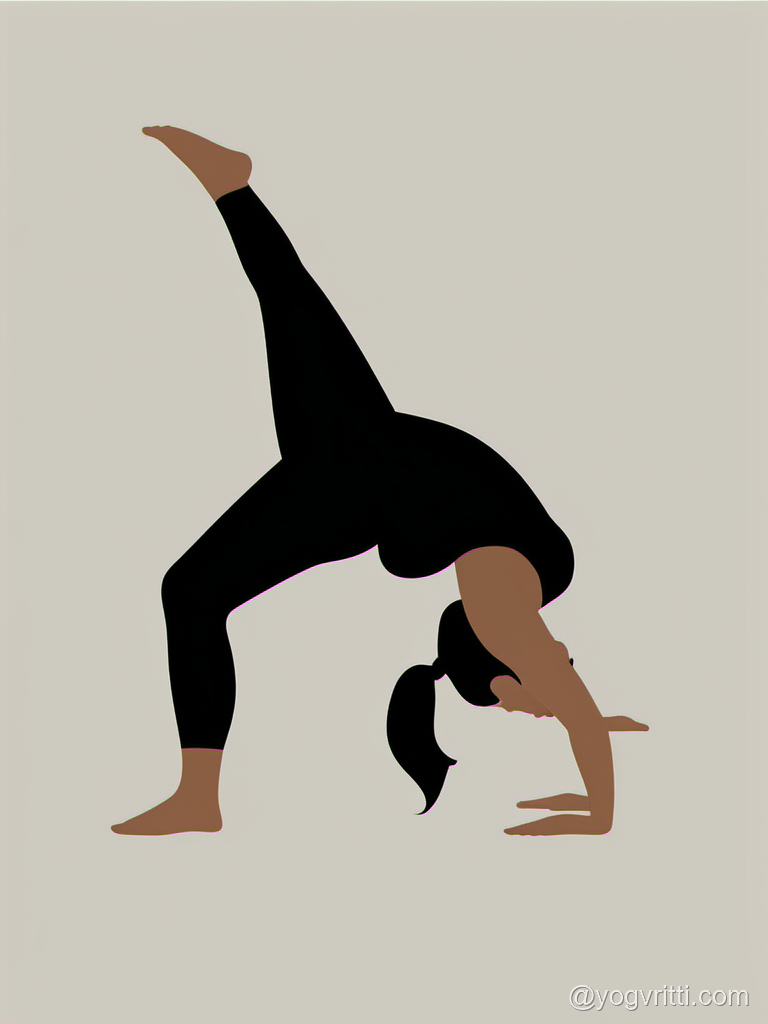
One-Legged Wheel Pose, also called Single Leg Upward Bow is a classical yoga posture. Its Sanskrit name Eka Pada Urdhva Dhanurasana translates word-for-word as: Eka (One) · Pada (Leg) · Urdhva (Upward) · Dhanu (Bow). In this posture, the body opens the chest and stretches the entire front body. The posture works to strengthen the quadriceps, engage the core and strengthen and extend the back. Opens the chest and shoulders. Improves spinal flexibility. Suitable for advanced practitioners with developed body awareness, it is a meaningful addition to any practice. Practitioners with shoulder injury and wrist injury should approach with care or consult a qualified teacher.
Anatomy Involved
Benefits
Quadriceps (thigh muscles)(lengthening | strengthening)
The powerful muscles at the front of your thighs (quadriceps femoris) on the standing leg are intensely engaged to extend the knee and stabilize the entire lower body, providing a solid anchor. On the lifted leg, the quadriceps lengthen as the hip flexes and the knee extends, creating a long, active line of energy. This dual action builds both strength and flexibility, cultivating a feeling of grounded power that supports the upward lift of the spine, allowing the energy (prana) to ascend more freely.
Glutes (buttock muscles)(strengthening | activating)
The large muscles of your buttocks (gluteus maximus and medius) are critically engaged, powerfully contracting to extend the hips and lift the pelvis away from the floor. This strong activation is essential for supporting the lower back, preventing compression and allowing the spinal muscles to articulate the curve more safely and evenly. Yogically, engaging the glutes helps to lift and lighten the pelvic floor, creating a sense of upward-moving energy (udana vayu) that supports the entire backbend and provides a feeling of inner buoyancy.
Spinal Erectors (back muscles)(strengthening | activating)
The long, deep muscles running along either side of your spine (erector spinae group) are intensely activated to extend the entire vertebral column, deepening the backbend from the sacrum to the cervical spine. This conscious engagement helps to distribute the spinal curve evenly, protecting the delicate intervertebral discs by creating space rather than collapsing into one area. This sustained effort builds profound resilience in the core of your being, fostering a sense of inner strength and unwavering resolve.
- Full anatomical benefits — muscles, joints, organs →
Avoid If
Back Injury / Back Pain
Spinal flexion, extension, or rotation under load can compress vertebral discs or strain the paraspinal muscles.
Limit the depth of the backbend, engage the core actively before moving, and avoid any movement that creates pinching in the lumbar spine.
Shoulder Injury
Overhead loading and extreme shoulder rotation can impinge the subacromial space and overload rotator cuff tendons.
Draw the shoulder blades together without externally rotating aggressively; place hands on blocks to reduce range.
Wrist Injury / Carpal Tunnel
Weight-bearing or extended wrist positions can compress the median nerve and aggravate inflamed tendons, worsening pain and causing numbness.
Avoid full weight on extended wrists; use fists, forearms, or a wedge to keep the wrist in a neutral position.
High Blood Pressure
Vigorous effort and inverted positions temporarily raise blood pressure in the head, increasing strain on blood vessels.
Limit the depth of the backbend, breathe smoothly, and avoid holding the pose for extended periods.
Common Mistakes to Avoid
Teaching Cues
For yoga teachers — verbal cues to guide students
6 cues
Teaching Cues
For yoga teachers — verbal cues to guide students
- 1Initiate the backbend from the thoracic spine, not the lumbar
- 2Lift the sternum toward the ceiling
- 3Keep the gluteal muscles engaged to protect the lower back
- 4Broaden across the collarbones
- 5Maintain length in the back of the neck — do not drop the head back
- 6Fix the gaze on a steady point (drishti) for balance
Pose Details
Pose Type
Body Focus
Focus Areas
Yoga Styles
When to Practice
Position
Target Areas
Practice Flow

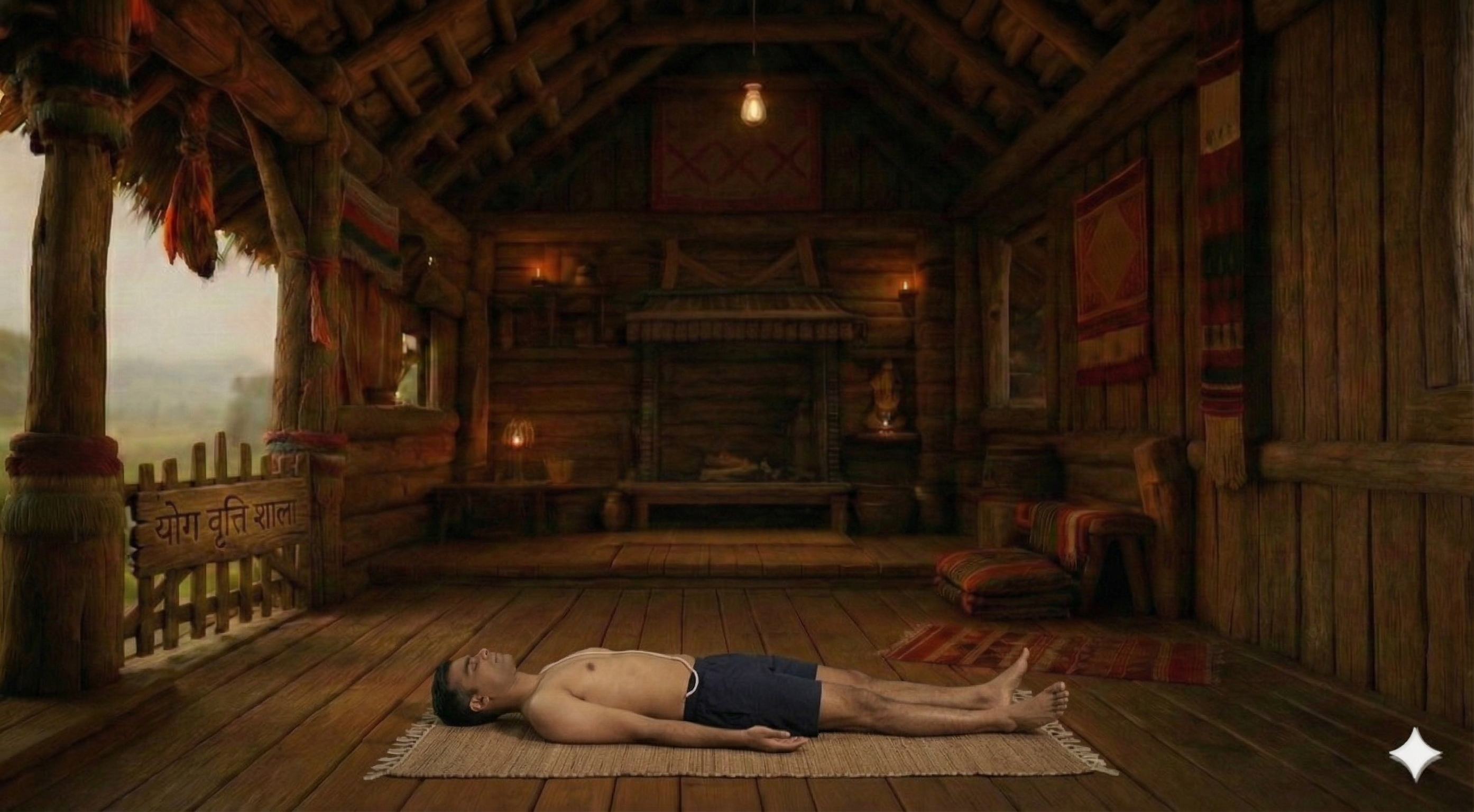
How to Practice
1. Lie on your back with your knees bent and your feet close to your buttocks.
2. Place your hands near your shoulders, fingers pointing towards your shoulders.
3. Inhale and lift your body up into Chakrasana (Wheel Pose).
4. Slowly lift one leg straight up towards the ceiling, keeping the leg straight.
5. Keep the other foot firmly planted on the floor.
5 more steps remaining
Register free to see the complete instructions
Register Free to ContinueAlready registered? Login
Frequently Asked Questions
Common questions about Eka Pada Urdhva Dhanurasana
What is One-Legged Wheel Pose?
One-Legged Wheel Pose, also called Single Leg Upward Bow is a classical yoga posture. Its Sanskrit name Eka Pada Urdhva Dhanurasana translates word-for-word as: Eka (One) · Pada (Leg) · Urdhva (Upward) · Dhanu (Bow). In this posture, the body opens the chest and stretches the entire front body. The posture works to strengthen the quadriceps, engage the core and strengthen and extend the back. Opens the chest and shoulders. Improves spinal flexibility. Suitable for advanced practitioners with developed body awareness, it is a meaningful addition to any practice. Practitioners with shoulder injury and wrist injury should approach with care or consult a qualified teacher.
What are the benefits of One-Legged Wheel Pose?
Strengthens the back, legs, and arms. Opens the chest and shoulders. Improves spinal flexibility. Stimulates the abdominal organs. Increases energy levels. Improves balance.
Who should avoid One-Legged Wheel Pose?
Avoid this pose if you have: Back injury, Shoulder injury, Wrist injury, High blood pressure, Heart problems.
How many steps are in One-Legged Wheel Pose?
One-Legged Wheel Pose is practiced in 10 steps. Lie on your back with your knees bent and your feet close to your buttocks.
Is One-Legged Wheel Pose suitable for beginners?
One-Legged Wheel Pose is an advanced-level pose. Beginners should practice with props or under guidance.
What poses should I do before One-Legged Wheel Pose?
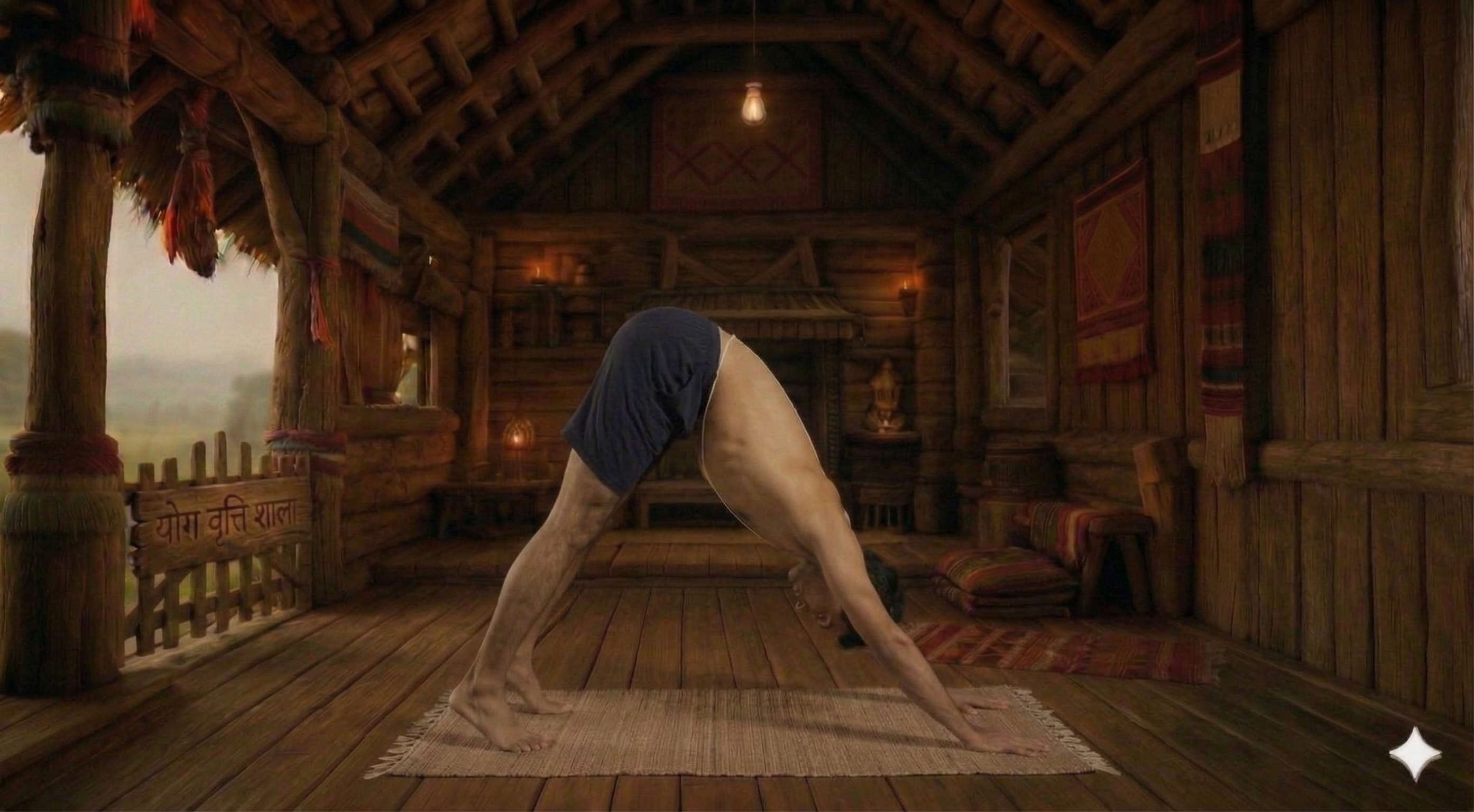
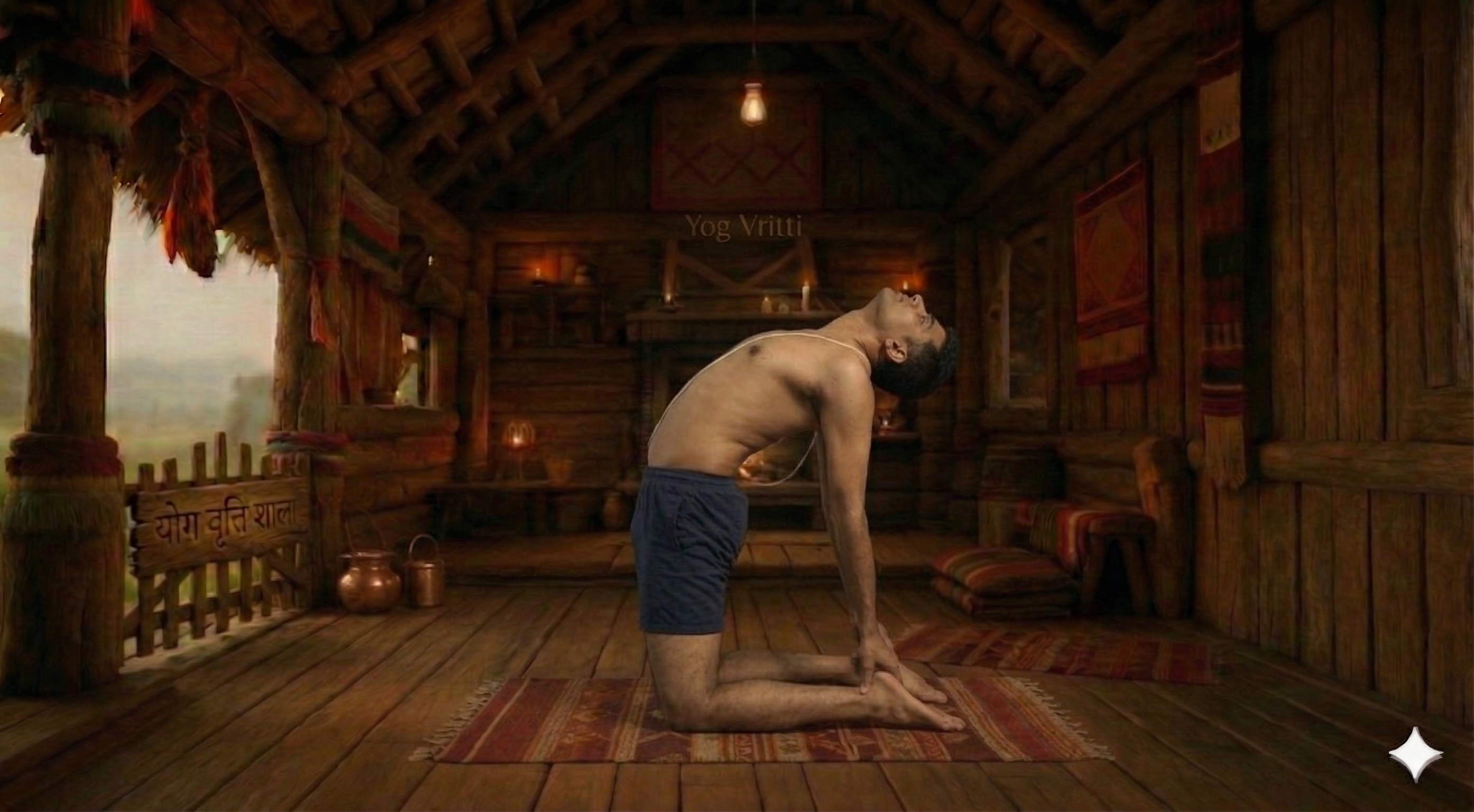
Prepare with: Adho Mukha Svanasana, Upward-Facing Dog Pose, Setu Bandhasana, Camel Pose. These warm up the relevant muscles and joints.
Related Poses
Similar poses you might enjoy
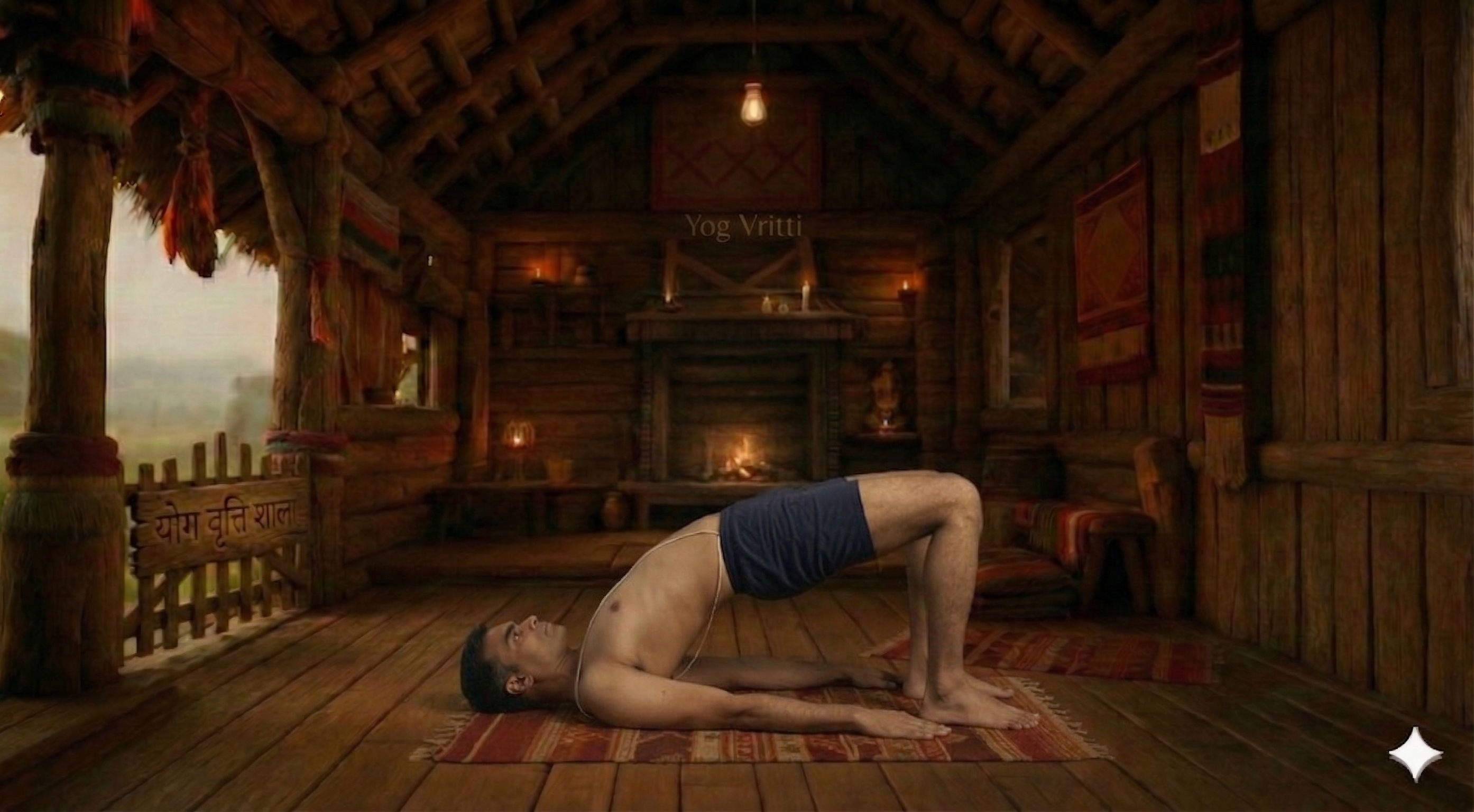
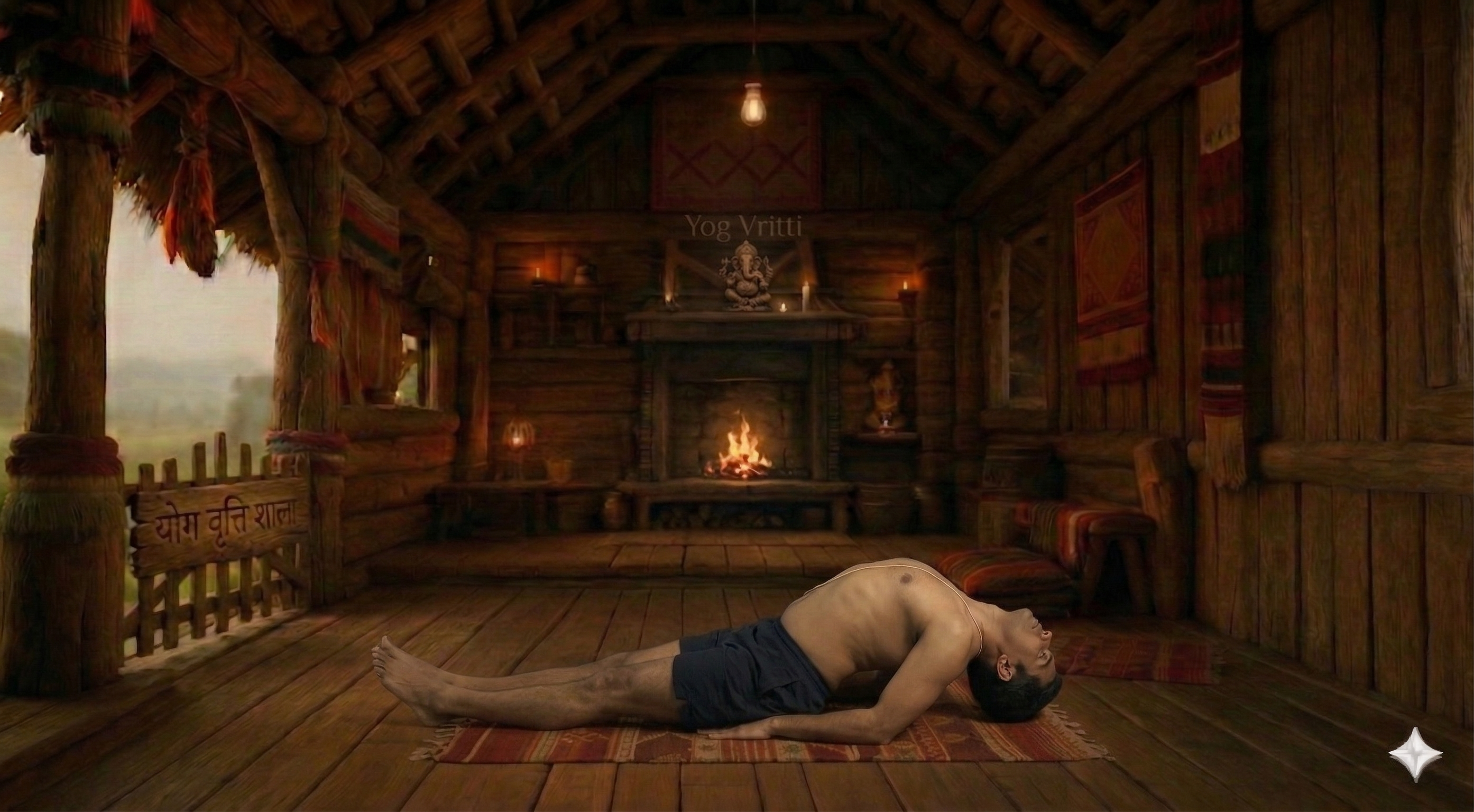
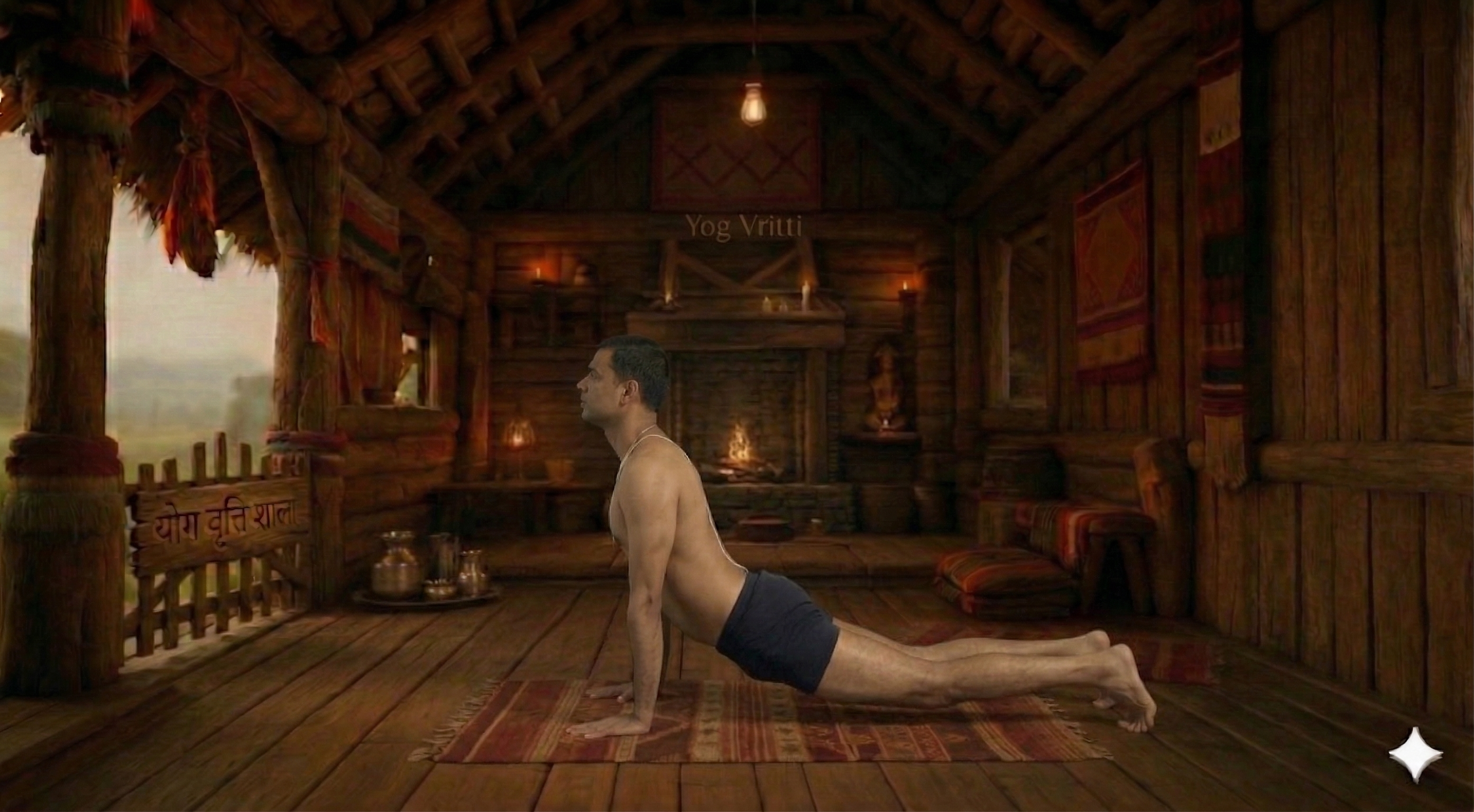
Build Your Own Sequence
Combine Eka Pada Urdhva Dhanurasana with other poses