 मध्यमखड़े होकर
विविधताएँ (2)
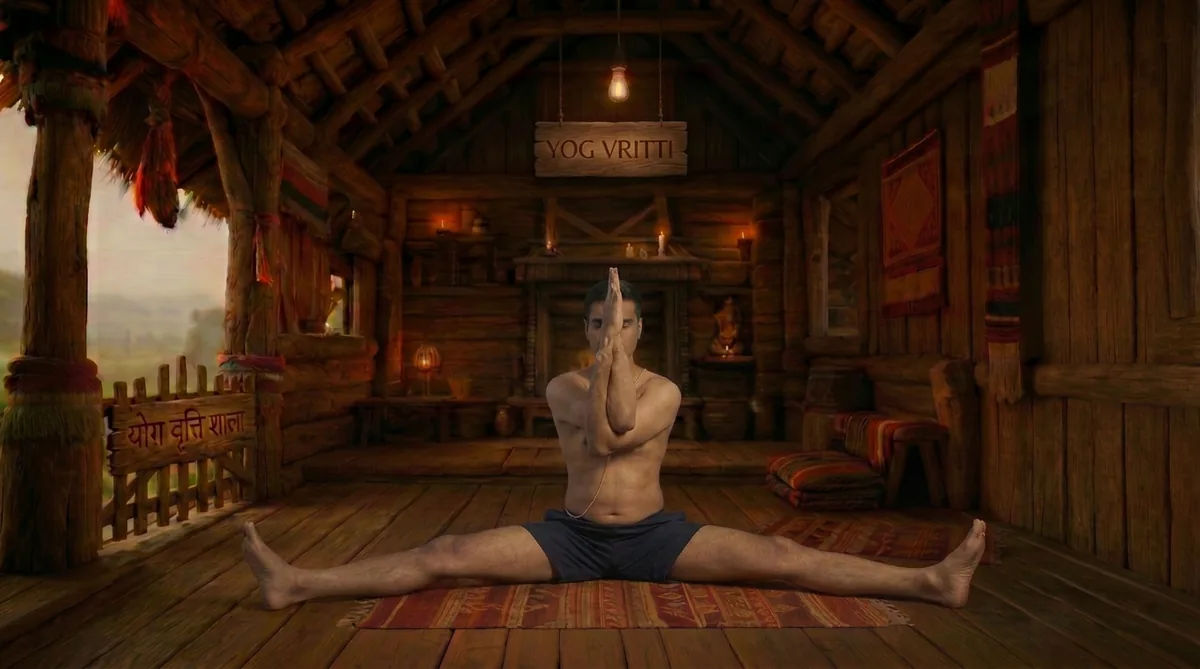
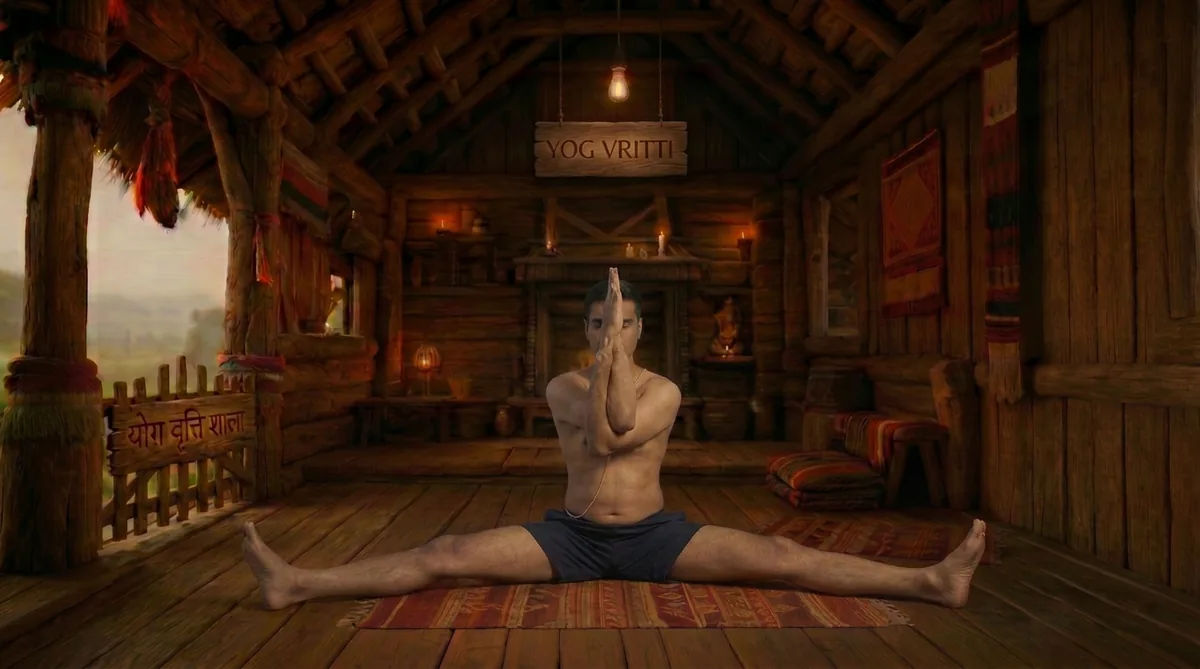
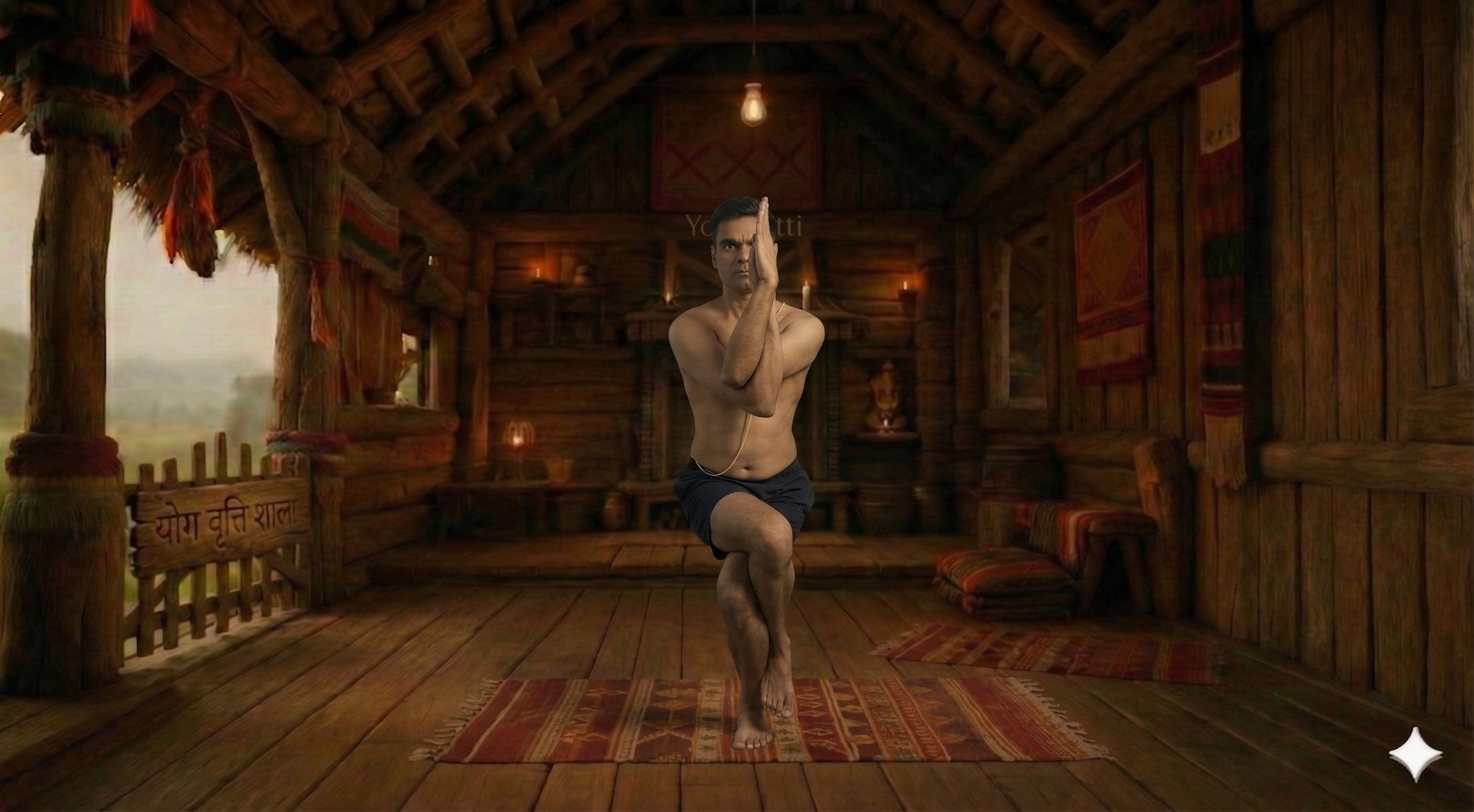
गरुड़ासन
Eagle Pose
गरुड़ासन संतुलन और एकाग्रता में सुधार करता है जबकि टखनों, पिंडलियों, जांघों और कंधों को खींचता है। यह निचले शरीर में तनाव को दूर करता है और मानसिक स्पष्टता को बढ़ावा देता है।
फायदे
5Buttocks (standing leg)(stabilizing)
The muscles on the side of your standing hip (gluteus medius and minimus) work tirelessly to keep your pelvis level and prevent it from tilting to the side. This deep engagement is crucial for maintaining your equilibrium, creating a solid foundation for the entire pose. From a yogic perspective, this active rooting through the hip cultivates a strong connection to Muladhara Chakra, fostering a sense of security and unwavering stability.
Inner thighs (wrapped leg)(strengthening)
As you intensely cross and squeeze your legs together, the powerful inner thigh muscles (adductors) of the wrapped leg engage deeply, drawing the knee towards the midline. This isometric contraction strengthens these often-underused muscles, creating a sense of integration and compactness in the lower body. Energetically, this drawing inward helps to centralize your energy, promoting a feeling of containment and self-possession.
Outer thighs and hips (standing leg)(stabilizing)
The muscles on the outer aspect of your standing hip and thigh (tensor fasciae latae and gluteus maximus) are continually active, working in concert with the gluteus medius to stabilize the hip joint. This constant micro-adjustment refines your balance, teaching the body subtle awareness and responsiveness. This intelligent engagement helps to distribute the body's weight evenly, enhancing your ability to stay present and connected to your physical form.
- पूर्ण शारीरिक विश्लेषण →
सावधानियाँ
5Knee Injury
Deep flexion or rotation at the knee can strain ligaments, meniscus, or cartilage, especially in a compromised joint.
Do not allow the knee to travel beyond the ankle; keep weight evenly distributed and use a block under the hand for support.
Ankle Injury
Unstable or injured ankle joints can be overstressed by weight-bearing, extreme dorsiflexion, or plantar flexion.
Place a folded blanket under the ankle to cushion it, or practise a seated version of the pose.
Shoulder Injury
Overhead loading and extreme shoulder rotation can impinge the subacromial space and overload rotator cuff tendons.
Keep the arm below shoulder height, avoid full overhead extension, and use a block to reduce reach.
Vertigo / Dizziness
Rapid head movements and changes in head position can trigger dizziness and increase the risk of losing balance.
Keep both feet on the floor, fix the gaze on a single unmoving point at eye level, and stay near a wall.
विधि
चरण-दर-चरण निर्देश
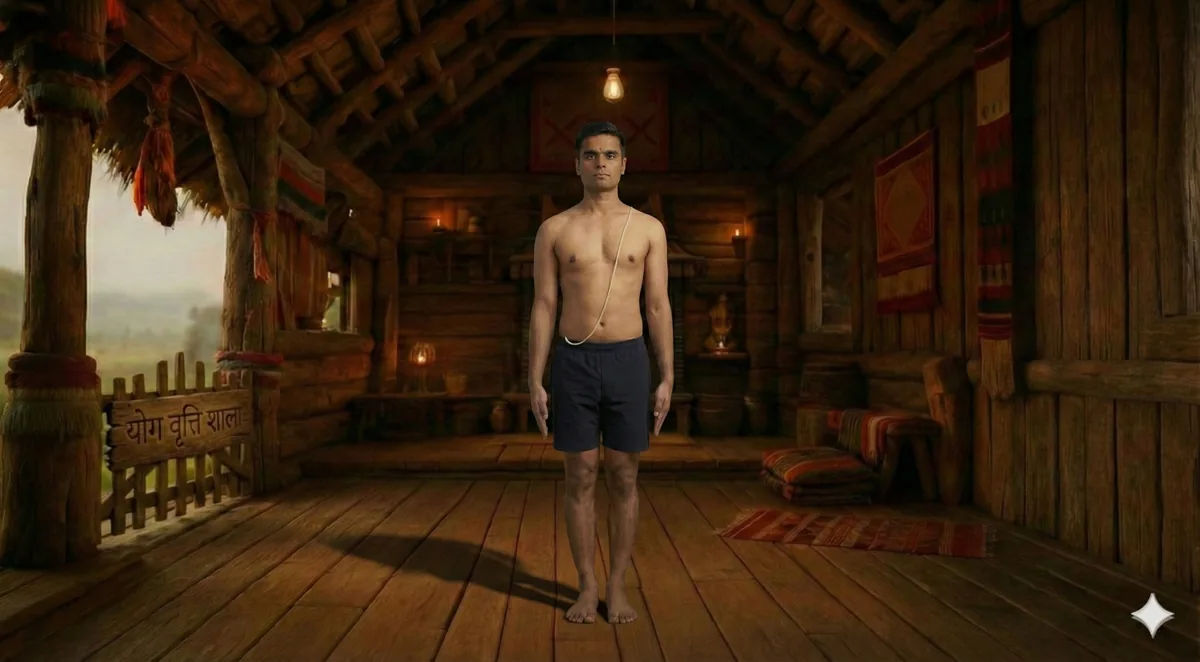
Tadasana में खड़े हो जाएँ।
दाहिने पैर को बाएँ पैर पर लपेटें, दाहिने पैर के पंजे को बाएँ पिंडली के पीछे टिकाएँ।
घुटनों को थोड़ा मोड़ें और नीचे झुकें जैसे कुर्सी पर बैठ रहे हों।
हाथों को कंधे की ऊंचाई तक उठाएँ और बाएँ हाथ को दाहिने हाथ पर लपेटें। हथेलियों को एक-दूसरे की ओर रखें।
कोहनियों को थोड़ा ऊपर उठाएँ और हाथों को चेहरे से दूर रखें।
संतुलन बनाए रखते हुए, 5-10 श्वासों तक इस स्थिति में रहें।
धीरे-धीरे हाथों और पैरों को खोलें और Tadasana में वापस आ जाएँ।
अब यही क्रिया दूसरी तरफ से दोहराएँ।
सामान्य गलतियाँ
शिक्षण संकेत
अभ्यास क्रम
अक्सर पूछे जाने वाले प्रश्न
गरुड़ासन के बारे में सामान्य प्रश्न
गरुड़ासन क्या है?
गरुड़ासन संतुलन और एकाग्रता में सुधार करता है जबकि टखनों, पिंडलियों, जांघों और कंधों को खींचता है। यह निचले शरीर में तनाव को दूर करता है और मानसिक स्पष्टता को बढ़ावा देता है।
गरुड़ासन के क्या फायदे हैं?
Improves balance and coordination। Strengthens ankles and calves। Stretches thighs, hips, shoulders, and upper back।
गरुड़ासन किस स्तर के लिए है?
गरुड़ासन एक मध्यम स्तर का आसन है। शुरुआती लोग किसी योग गुरु के मार्गदर्शन में अभ्यास करें।
गरुड़ासन कौन न करे?
Knee injuries, Ankle injuries, Shoulder injuries की स्थिति में यह आसन न करें।