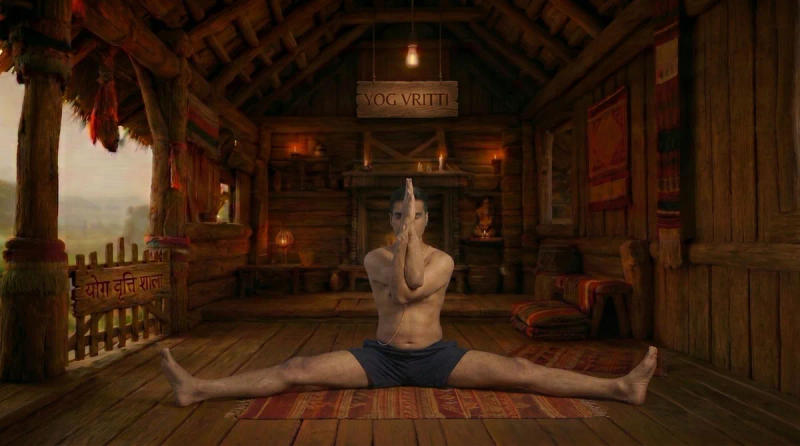
रूपांतर
खड़े होकर · मध्यम
गरुड़ासन हाथ विविध
Eagle Arms Variation · Garudasana Arms Variation
GarudaEagle (Mythical Bird)AsanaPose
गरुड़ासन हाथ विविध एक मध्यवर्ती खड़ा हुआ आसन है जो संतुलन, एकाग्रता और लचीलापन में सुधार करता है। यह कंधों और ऊपरी पीठ को फैलाता है जबकि टखनों और पिंडलियों को मजबूत करता है। पूर्ण आसन पैरों को भी लपेटता है।
स्तर मध्यमप्रकार खड़े होकरपक्ष दोनों ओर
अभ्यास की विधि
ताड़ासन में शुरू करें, दोनों पैरों पर समान रूप से स्थिर रहें।
साँस लेते हुए दाईं बाँह को बाईं बाँह के नीचे से क्रॉस करें, कोहनियाँ मोड़ें और हथेलियों को आमने-सामने लाएँ, हो सके तो उन्हें दबाकर जोड़ें।
साँस छोड़ते हुए बायाँ घुटना मोड़ें और वज़न बाएँ पैर पर लाएँ।
दाईं टाँग को बाईं टाँग के ऊपर लपेटें, हो सके तो दाएँ पैर को बाईं पिंडली के पीछे फँसाएँ।
संतुलन और रीढ़ को सीधा रखें, कूल्हों को ऐसे नीचे धँसाएँ मानो कुर्सी पर बैठ रहे हों।
शिक्षण संकेत
यह कहें
- Ground firmly through all four corners of both feet
- Engage the quadriceps by lifting the kneecaps
- Lengthen the spine from the tailbone to the crown of the head
- Draw the shoulder blades down and back
- Maintain steady, even breathing throughout
इन पर ध्यान दें
- Locking the knees — keep a micro-bend or engage the quadriceps
- Collapsing the arches of the feet — distribute weight evenly
- Holding the breath or breathing shallowly
- Hunching the shoulders toward the ears
- Leaning weight to one side — keep both feet equally grounded
शरीर पर प्रभाव
मांसपेशियाँ देखने के लिए किसी भाग पर टैप करें3D anatomy adapted from Z-Anatomy, CC BY-SA 4.0
Upper back
BothEagle Arms Variation both stretches and strengthens your upper back.
Muscles at work
- Latissimus DorsiStretches⚑ Limits the pose
Draws the chest forward and opens the heart center in backbends and upward-facing dog.
Main action: extends the arm from a flexed position, internally rotates, and adducts the arm
- RhomboidsContractsStretches
Retracts the scapulae to open the chest in standing and twisting postures.
Main action: stabilizes, retracts (adducts), and rotates scapula downward
- TrapeziusStretches
Supports shoulder girdle stability, neck alignment, and arm balances like tolasana.
Main action: elevates, depresses, retracts, and rotates the scapula
⚑ Where you’ll feel it
Tightness in the latissimus dorsi is what usually stops you going deeper here. Ease off at the first strong stretch and keep breathing — don’t force the end range.
- Improves balance and concentration
- Stretches shoulders and upper back
- Strengthens ankles and calves
- Increases hip mobility
- Calms the mind
- Improves coordination
सावधानियाँ
Ankle Injury
Unstable or injured ankle joints can be overstressed by weight-bearing, extreme dorsiflexion, or plantar flexion.
बदलाव · Place a folded blanket under the ankle to cushion it, or practise a seated version of the pose.
Knee Injury
Deep flexion or rotation at the knee can strain ligaments, meniscus, or cartilage, especially in a compromised joint.
बदलाव · Do not allow the knee to travel beyond the ankle; keep weight evenly distributed and use a block under the hand for support.
Shoulder Injury
Overhead loading and extreme shoulder rotation can impinge the subacromial space and overload rotator cuff tendons.
बदलाव · Keep the arm below shoulder height, avoid full overhead extension, and use a block to reduce reach.
Vertigo / Dizziness
Rapid head movements and changes in head position can trigger dizziness and increase the risk of losing balance.
बदलाव · Keep both feet on the floor, fix the gaze on a single unmoving point at eye level, and stay near a wall.
High Blood Pressure
Vigorous effort and inverted positions temporarily raise blood pressure in the head, increasing strain on blood vessels.
बदलाव · Keep arms below shoulder height, breathe steadily, and avoid vigorous transitions.
Back Pain
बदलाव · Keep the core engaged and avoid excessive rounding of the upper back.
Neck Pain
बदलाव · Keep the head aligned with the spine, avoiding dropping the chin too much.
Wrist Injury
बदलाव · Place hands on opposite shoulders instead of interlocking the forearms.
Pregnancy
बदलाव · Perform only the arm variation, avoiding the leg wrap.
कक्षा में
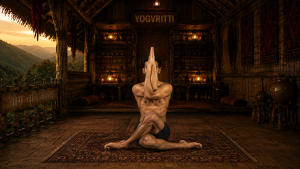

त्वरित उत्तर
गरुड़ासन हाथ विविध क्या है?
गरुड़ासन हाथ विविध एक मध्यवर्ती खड़ा हुआ आसन है जो संतुलन, एकाग्रता और लचीलापन में सुधार करता है। यह कंधों और ऊपरी पीठ को फैलाता है जबकि टखनों और पिंडलियों को मजबूत करता है। पूर्ण आसन पैरों को भी लपेटता है।
गरुड़ासन हाथ विविध कैसे करें?
ताड़ासन में शुरू करें, दोनों पैरों पर समान रूप से स्थिर रहें। साँस लेते हुए दाईं बाँह को बाईं बाँह के नीचे से क्रॉस करें, कोहनियाँ मोड़ें और हथेलियों को आमने-सामने लाएँ, हो सके तो उन्हें दबाकर जोड़ें। साँस छोड़ते हुए बायाँ घुटना मोड़ें और वज़न बाएँ पैर पर लाएँ। दाईं टाँग को बाईं टाँग के ऊपर लपेटें, हो सके तो दाएँ पैर को बाईं पिंडली के पीछे फँसाएँ।
क्या शुरुआती लोग गरुड़ासन हाथ विविध कर सकते हैं?
यह मध्यम स्तर का आसन है। शुरुआती लोग पहले आसान आसनों से तैयारी करें।
- आसन प्रकार
- Shoulder Opener, Upper Body
- मुख्य भाग
- Shoulders, Upper Body, Chest
- किसके लिए
- Beginners, Desk Workers, Prenatal, Seniors, Kids, Teens
- योग शैली
- Iyengar, Hatha, Vinyasa
- कब करें
- Warm Up, Quick Practice