 मध्यमउल्टा
विविधताएँ (1)

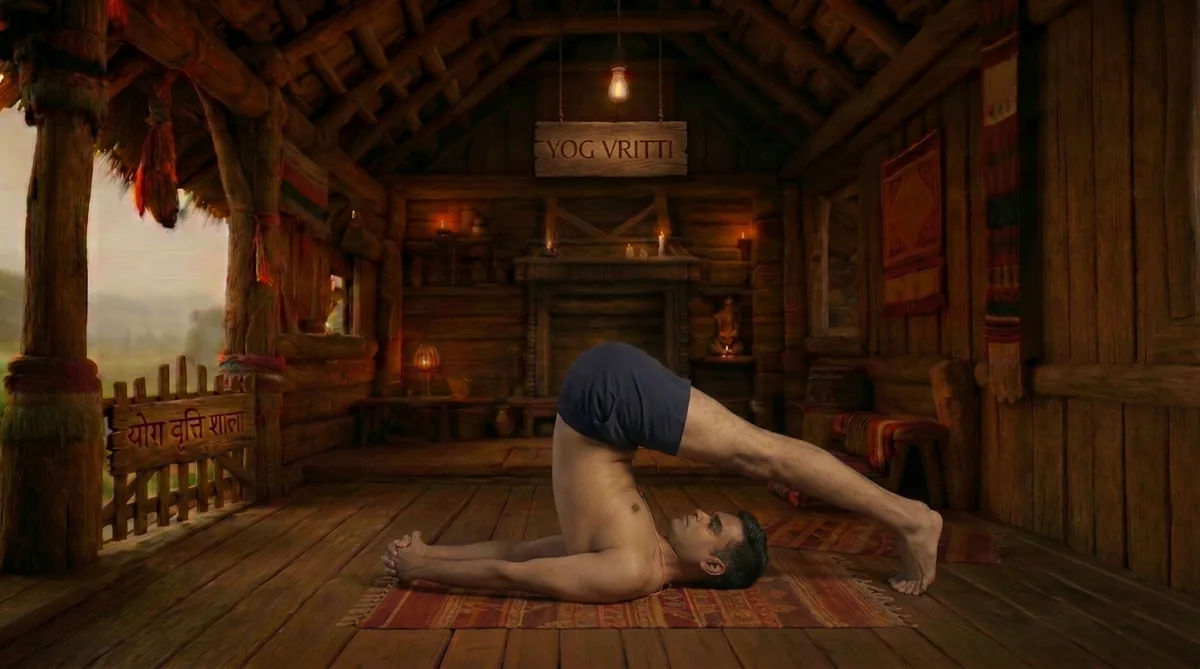
हलासन
Plow Pose
हलासन एक उलटा आसन है जो रीढ़, कंधों और हैमस्ट्रिंग को खींचता है। यह मस्तिष्क को शांत करता है और पेट के अंगों को उत्तेजित करता है।
फायदे
5Hamstrings(lengthening)
The long muscles running along the back of your thighs (hamstrings) get a deep, sustained release here — not a forced stretch but a patient unwinding. As you hold the pose and breathe, the nervous system gradually allows these muscles to let go of years of tension stored from sitting and stress. In yogic understanding, this releases apana vayu — the downward-moving energy — allowing a feeling of groundedness and ease in the lower body. Regular practice progressively lengthens this posterior chain, directly reducing the pull on the lower back.
Erector Spinae(lengthening)
These powerful muscles run vertically along either side of your spine, responsible for keeping you upright. In Halasana, the entire length of the back body, from the tailbone to the skull, experiences a profound lengthening as the spine flexes forward and inverts. This gentle traction helps to decompress the vertebral discs, creating space and releasing chronic tension often held in the lower and mid-back. Energetically, this unwinding allows prana to flow more freely along the sushumna nadi, promoting a sense of spinal lightness and vitality.
Trapezius(lengthening)
The large, kite-shaped muscle covering your upper back and neck (trapezius) is simultaneously stretched and engaged for stability in Halasana. Its upper fibers, often tight from stress and poor posture, receive a significant lengthening as the neck flexes and the shoulders press down. Meanwhile, the middle and lower fibers engage subtly to stabilize the shoulder blades against the floor, creating a firm foundation for the pose. This dual action releases tension around the neck and shoulders while cultivating a sense of grounded strength, allowing the yogi to surrender more deeply into the inversion.
- पूर्ण शारीरिक विश्लेषण →
सावधानियाँ
5High Blood Pressure
Vigorous effort and inverted positions temporarily raise blood pressure in the head, increasing strain on blood vessels.
Avoid this inversion entirely or keep the head above heart level at all times; never hold the breath.
Neck Injury / Cervical Issues
Looking up, bearing head weight, or unsupported neck rotation can compress cervical vertebrae and irritate nerves.
Avoid all weight-bearing on the head and neck; practise supported Setu Bandha or legs-up-the-wall instead.
Back Injury / Back Pain
Spinal flexion, extension, or rotation under load can compress vertebral discs or strain the paraspinal muscles.
Support the lower back with a block under the sacrum in bridge variations; avoid unsupported inversions.
Pregnancy
Deep twists, abdominal compression, and lying flat on the back can restrict blood flow or cause discomfort as pregnancy progresses.
Avoid all inversions unless already well-established in the practice and with teacher supervision; use a wall-supported legs-up-the-wall instead.
विधि
चरण-दर-चरण निर्देश
पीठ के बल लेट जाएं, हाथों को शरीर के बगल में रखें।
श्वास लें, पैरों को ऊपर उठाएं, 90 डिग्री पर लाएं।
श्वास छोड़ें, पैरों को सिर के ऊपर से पीछे की ओर ले जाएं।
पैरों को फर्श पर टिकाएं, हाथों को पीठ पर सहारा दें।
यदि संभव हो तो हाथों को आपस में पकड़ें, कंधों को नीचे दबाएं।
सांस लेते रहें, गर्दन को सीधा रखें।
कुछ सांसों के लिए स्थिर रहें।
धीरे-धीरे रीढ़ को नीचे लाएं, पैरों को ऊपर उठाएं।
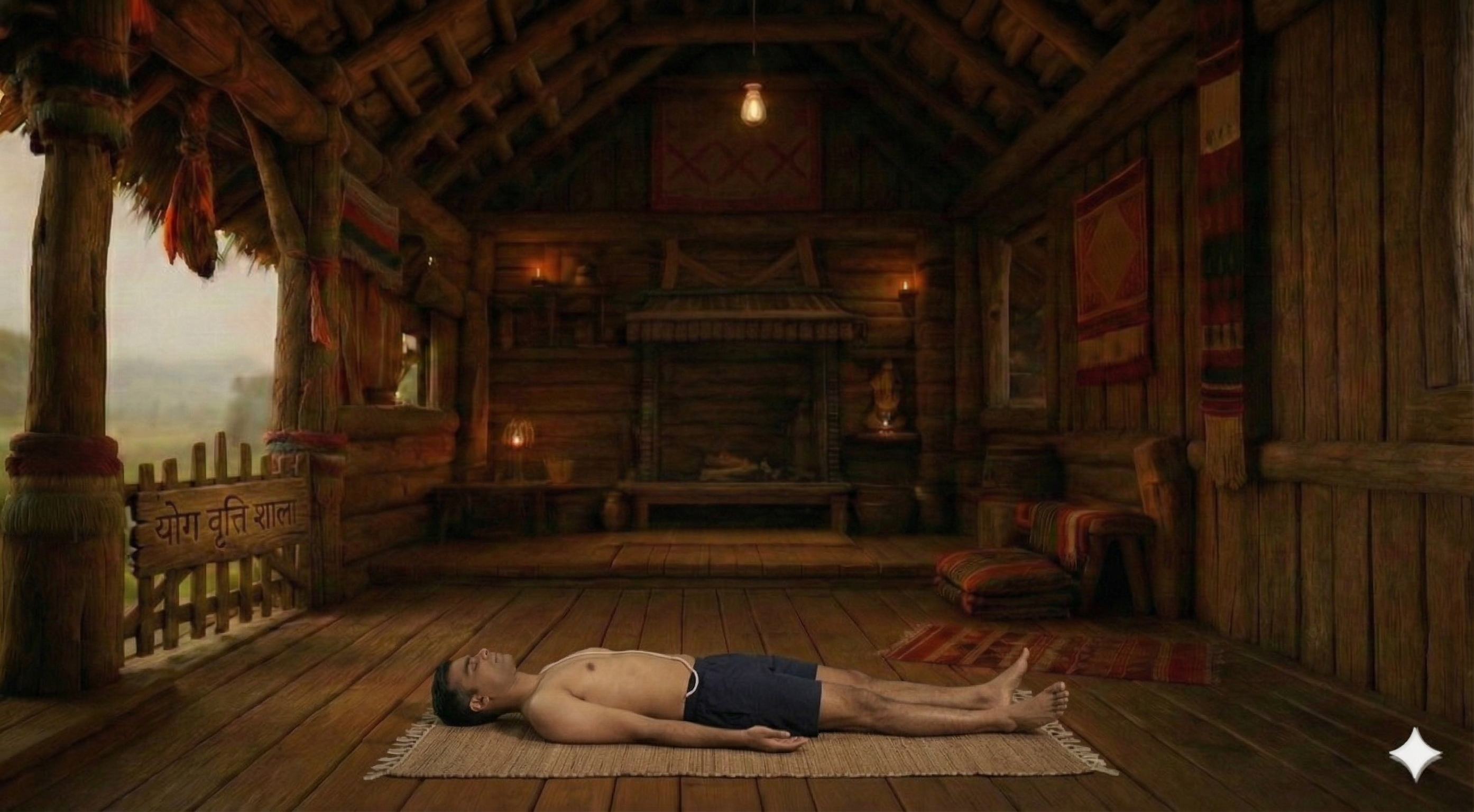
धीरे-धीरे पैरों को नीचे लाएं, शवासन में आराम करें।
सहायक उपकरण
वैकल्पिक सहायता — आवश्यकतानुसार उपयोग करें
Folded Blanket
Stack two to three firm blankets under the shoulders in Shoulderstand to protect the cervical spine — this is not optional but essential for safety.
सामान्य गलतियाँ
शिक्षण संकेत
अभ्यास क्रम

अक्सर पूछे जाने वाले प्रश्न
हलासन के बारे में सामान्य प्रश्न
हलासन क्या है?
हलासन एक उलटा आसन है जो रीढ़, कंधों और हैमस्ट्रिंग को खींचता है। यह मस्तिष्क को शांत करता है और पेट के अंगों को उत्तेजित करता है।
हलासन के क्या फायदे हैं?
Stretches the spine, shoulders, and hamstrings। Calms the brain and relieves stress। Stimulates abdominal organs।
हलासन किस स्तर के लिए है?
हलासन एक मध्यम स्तर का आसन है। शुरुआती लोग किसी योग गुरु के मार्गदर्शन में अभ्यास करें।
हलासन कौन न करे?
High blood pressure, Neck injuries, Back pain की स्थिति में यह आसन न करें।
हलासन के लिए कौन से उपकरण चाहिए?
blanket का उपयोग इस आसन को आसान बना सकता है।